Plizio Visual Lab

Piton Canarie
Plizio editorial teamData Sources
peak
—°3
Piton Canarie (St. Lucia)

Weather…

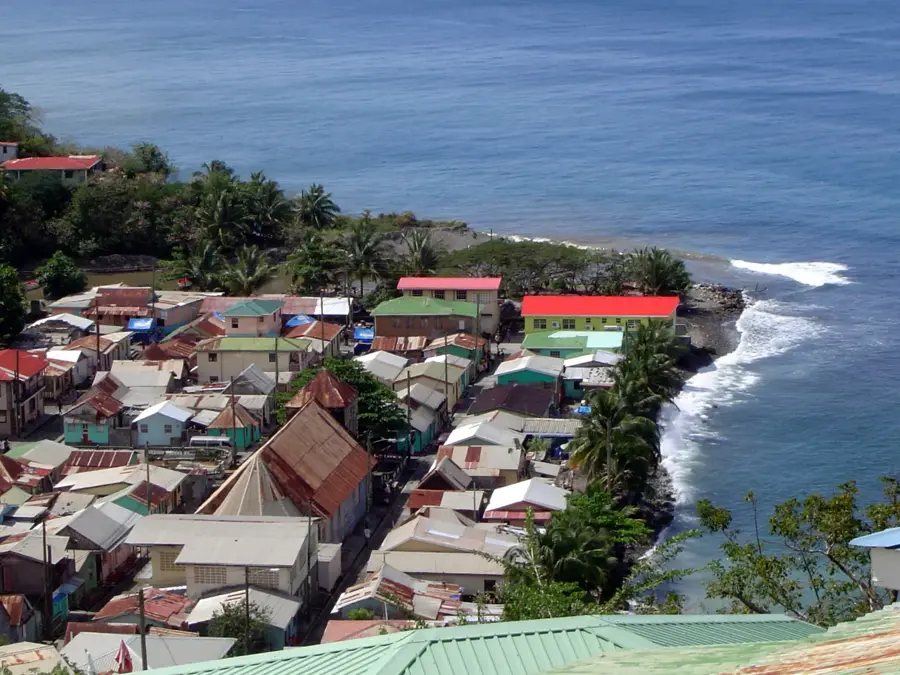
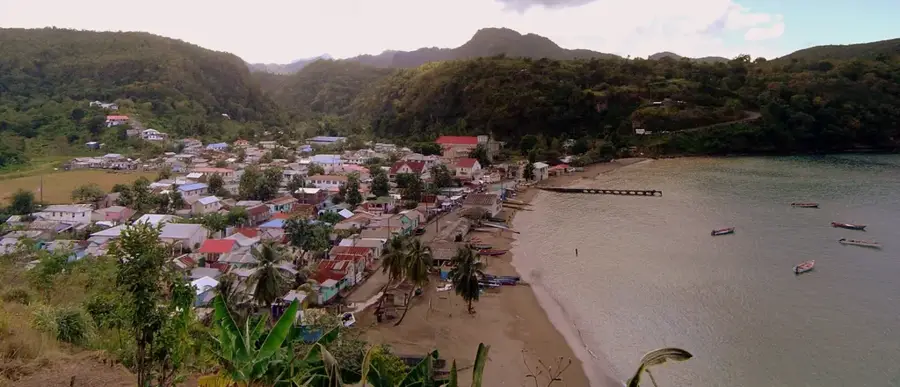
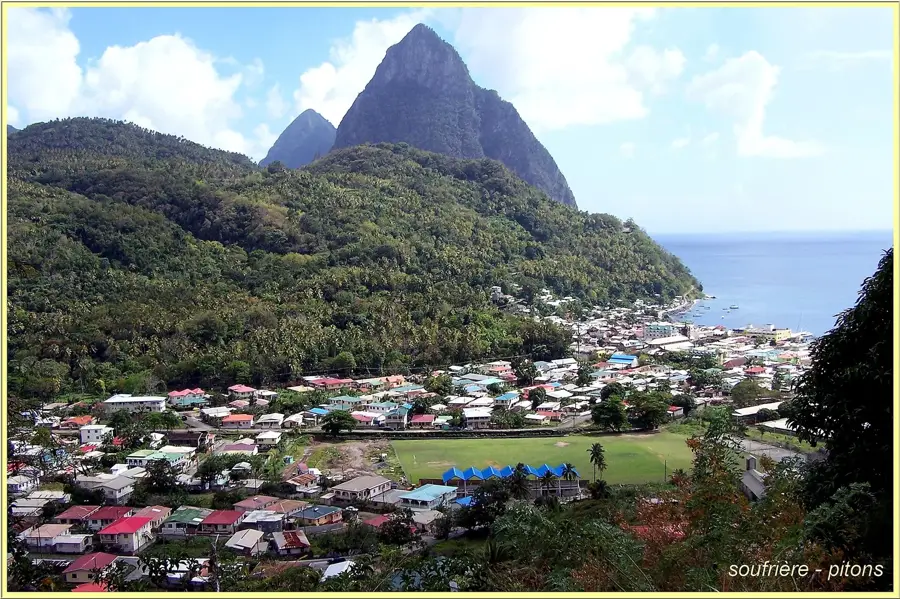
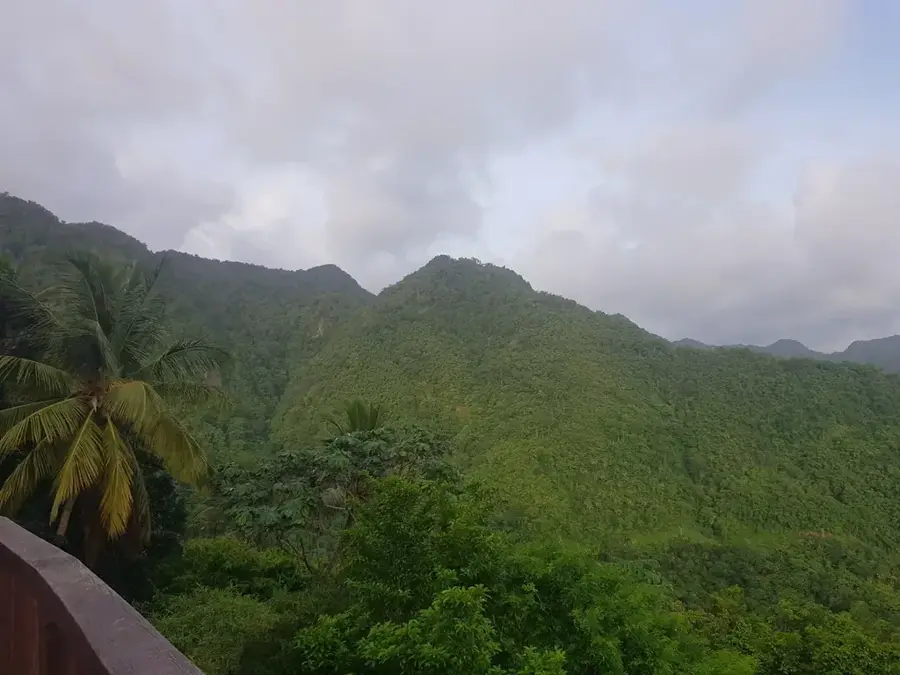
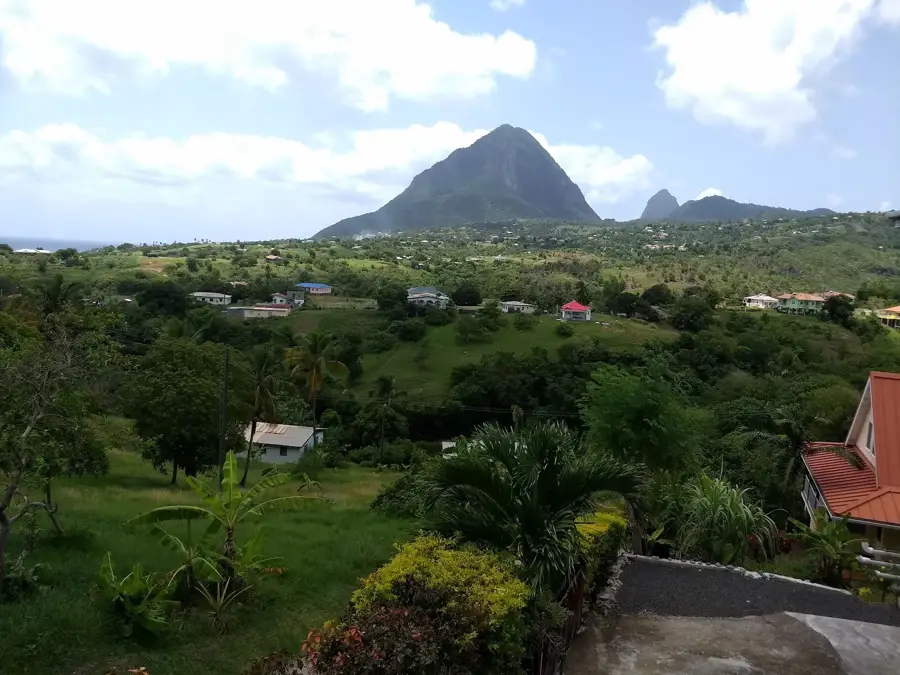
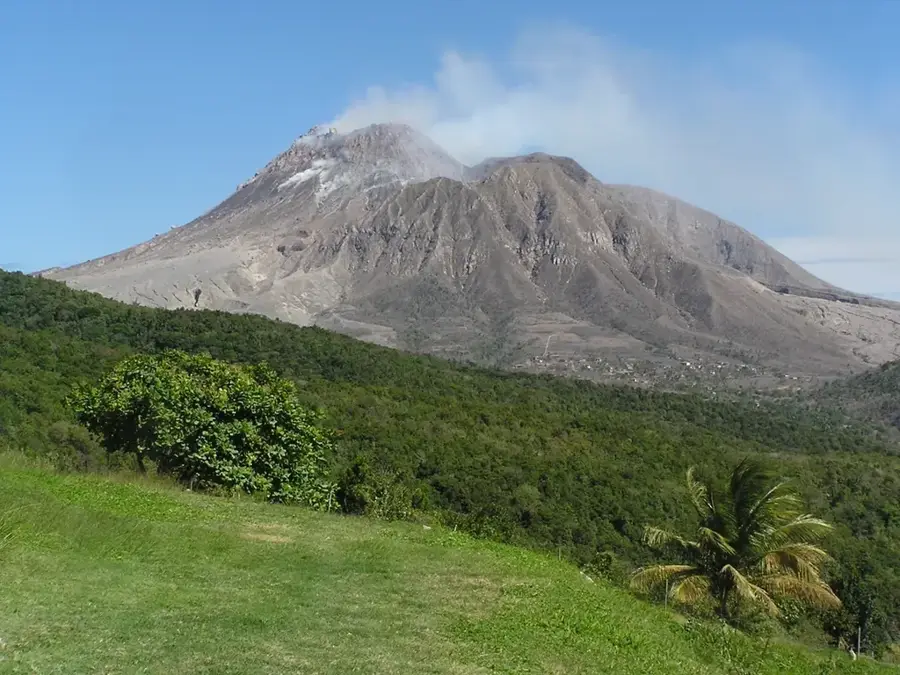
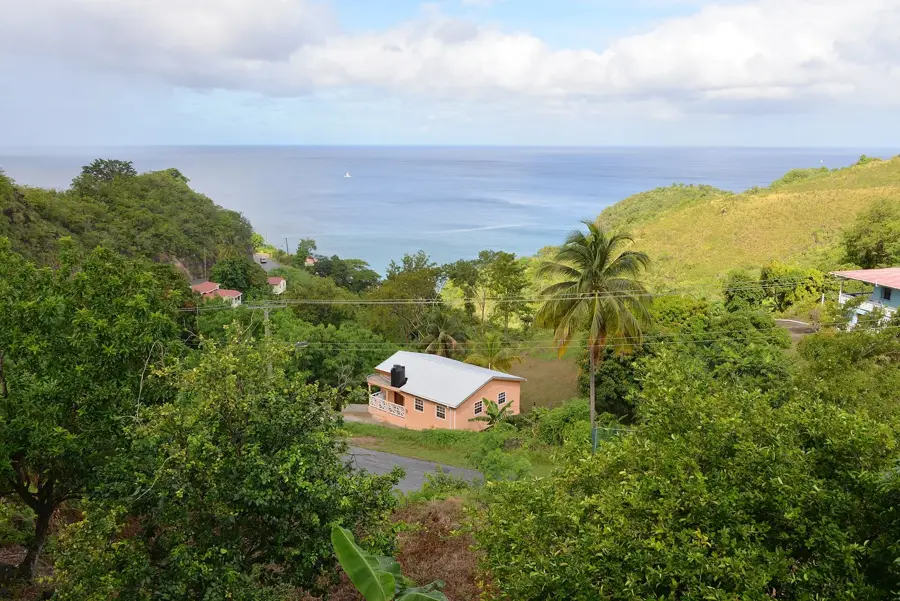
Piton Canarie is a prominent peak on the west coast of Saint Lucia, towering directly over the fishing village of Canaries. Standing at approximately 450 meters, it is smaller than the iconic Pitons to the south but perfectly illustrates the island's dramatic and steep volcanic relief. The mountain slopes drop sharply toward the Caribbean Sea, offering hikers who venture up its paths expansive views of the rugged coastline and the dense interior rainforests. Geologically, the peak is a testament to the island's volcanic origins, characterized by jagged rock formations and lush tropical flora that blankets its sides. A visit here is especially rewarding for those seeking a more secluded nature experience, as it remains less developed than other tourist hotspots. It provides an authentic encounter with the geography of the Lesser Antilles, combining challenging terrain with the serene beauty of the Caribbean landscape, far from the crowds of the more popular coastal resorts.

Best time to visit & climate

The most pleasant time to visit is Jan–Mar.

JanFebMarAprMayJunJulAugSepOctNovDec
Avg °C262626272828282829282827
Rain mm6844489710213615418018218915985

📋 Practical info

🧭
Getting there
To access Piton Canarie, visitors typically head towards the starting points located on the west coast above the village of Canaries. Local transport or a brief drive usually connects the base to nearby towns, providing a straightforward approach before setting out on foot.
📅
Best season
The most favorable conditions for exploring the peak are normally found during the drier months from December to May. During this time, the weather patterns offer clearer skies and less slippery trails for a safer outdoor experience.
⛰️
Terrain & paths
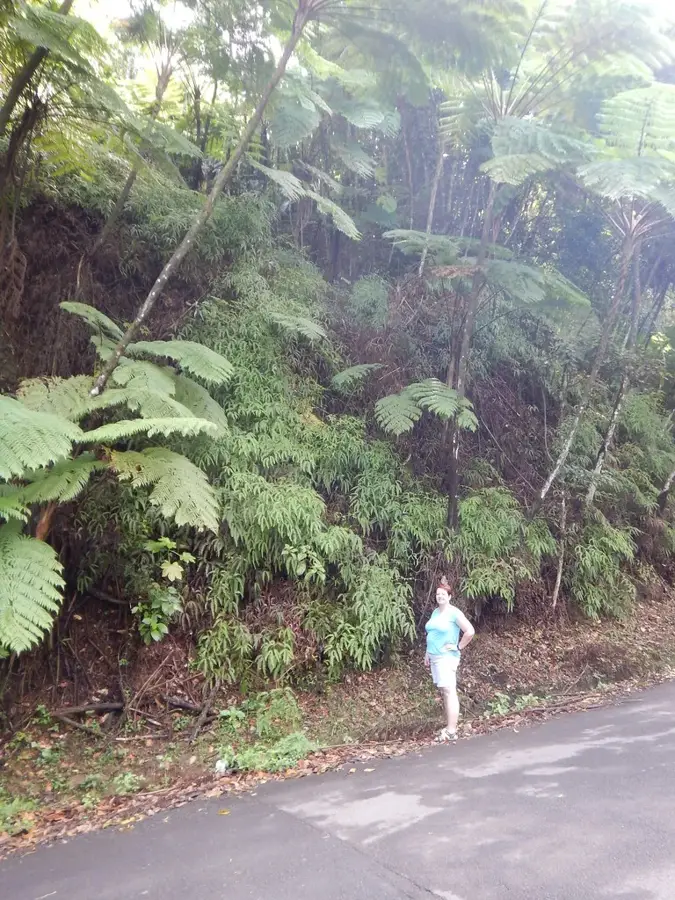
The natural environment around the mountain features rugged paths and steep sections typical of the island's volcanic origins. The trails demand a reasonable level of physical fitness, especially since the area is a classic example of the island's steep relief.
🎒
What to bring
Proper outdoor gear is essential, including sturdy hiking boots with excellent grip for the uneven ground. Visitors should always carry sufficient drinking water, reliable sun protection, and a lightweight waterproof jacket.
🅿️
Parking
Parking spaces can generally be found in designated public areas or alongside the main access roads near the starting points. Leaving vehicles in nearby towns and utilizing local transport is also a very common and practical alternative.
⚠️
Safety
Hikers are strongly advised to remain on marked trails to avoid dangerous drop-offs and disorienting dense vegetation. It is highly recommended to inform a local contact about your route and to consider hiring a registered guide for unfamiliar paths.
⏱️
Time needed
A typical exploration of this specific mountainous area usually takes between two to five hours, depending on individual pace and chosen trails. Factoring in extra time for scenic rest stops and changing weather conditions is a prudent strategy.

Geography

Coordinates
13.89610, -61.04580

Facts

  • Reaches an elevation of 603 meters
  • Geologically part of the Canaries volcanic center
  • Historically used as a landmark for sailors
  • Vegetation includes montane forest and elfin woodland
  • Important habitat for the Saint Lucia racer snake
  • Steep cliffs provide nesting sites for seabirds

Explore nearby

Notable places around
Route planner — Car & Motorhome

Where do you start? We build the route here, with stops and country notes along the way.

Vehicle
Only stops with (optional):

© OpenStreetMap contributors · OpenRouteService

Sights in the town Piton Canarie (3)

Anse Cochon River📍 landmark

Anse Cochon River is a river in Saint Lucia, flowing through forested terrain.

Canaries, Saint Lucia📍 landmark

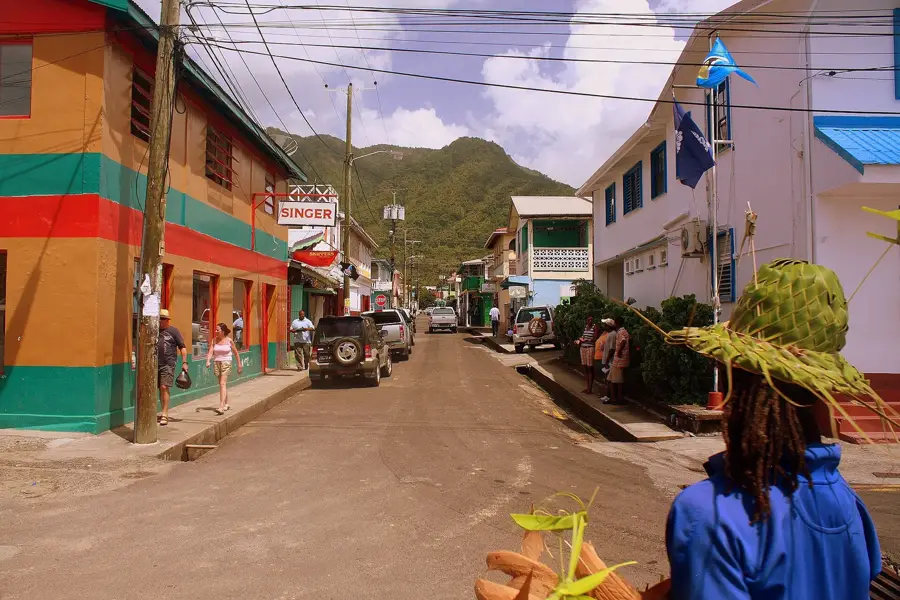
Canaries is a village on the west coast of Saint Lucia, known for its bay.

Canaries District📍 landmark

Canaries District is an administrative district in Saint Lucia on the Caribbean coast.

Sights nearby

Frequently asked questions

Where is Piton Canarie located?
It rises behind the village of Canaries on the island's west coast.
Is the mountain of volcanic origin?
Yes, like most peaks on Saint Lucia, it is part of the volcanic history.
How challenging is trekking there?
It is a steep climb that requires good physical condition.
Is there a panoramic view from there?
Yes, the view of the Canaries Bay is spectacular.
When should I start the climb?
Early in the morning to avoid the intense heat of the day.
Piton Canarie: where is it located?
Piton Canarie is located in St. Lucia.
Piton Canarie: what is there to see?
Highlights include Anse Cochon River, Canaries, Saint Lucia, Canaries District.
Piton Canarie: when is the best time to visit?
The most pleasant time to visit is Jan, Mar.
Piton Canarie: why is it worth visiting?

Piton Canarie is a prominent peak on the west coast of Saint Lucia, towering directly over the fishing village of Canaries.
View on map → The Top 50 Attractions → OpenStreetMap →
North America
Explore with Plizio Discover more places in North America

Nearby cities

History & landmarks