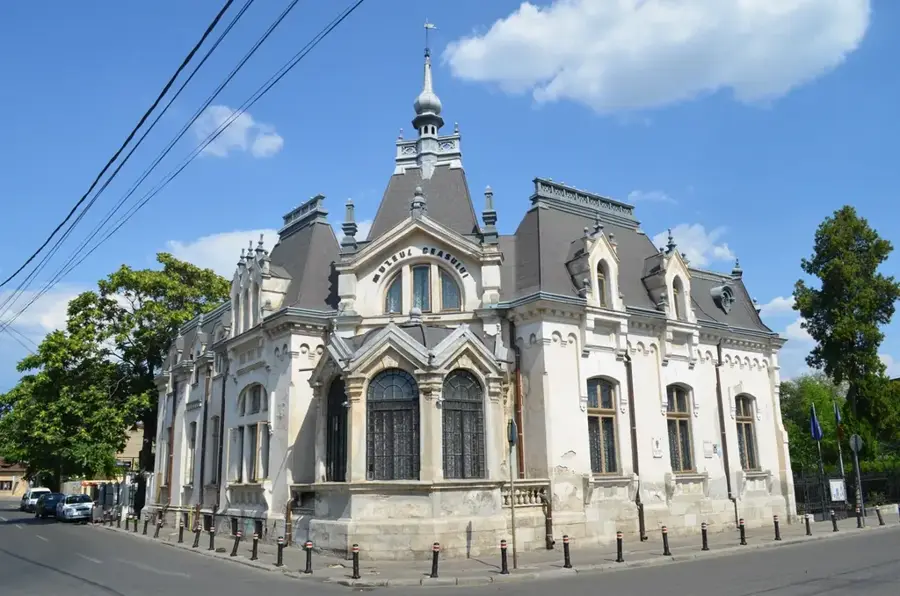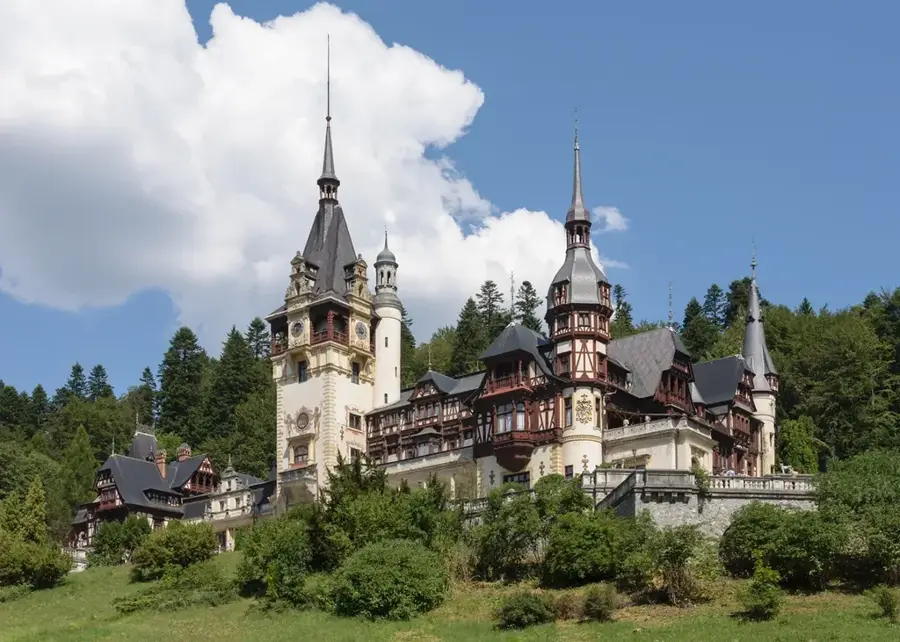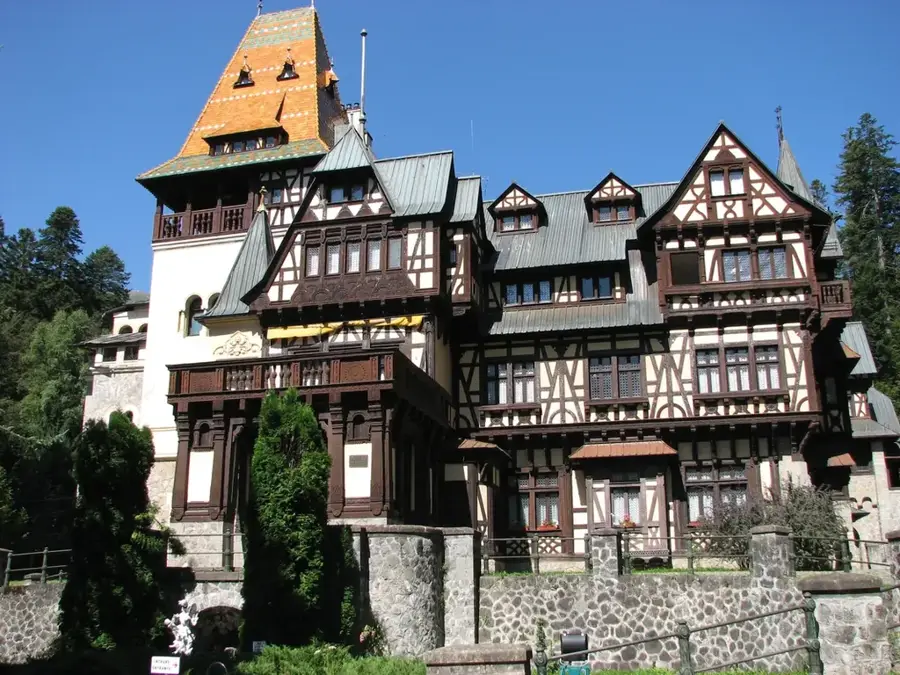
"Francisc Rainer" Anthropological Museum🏛 museum
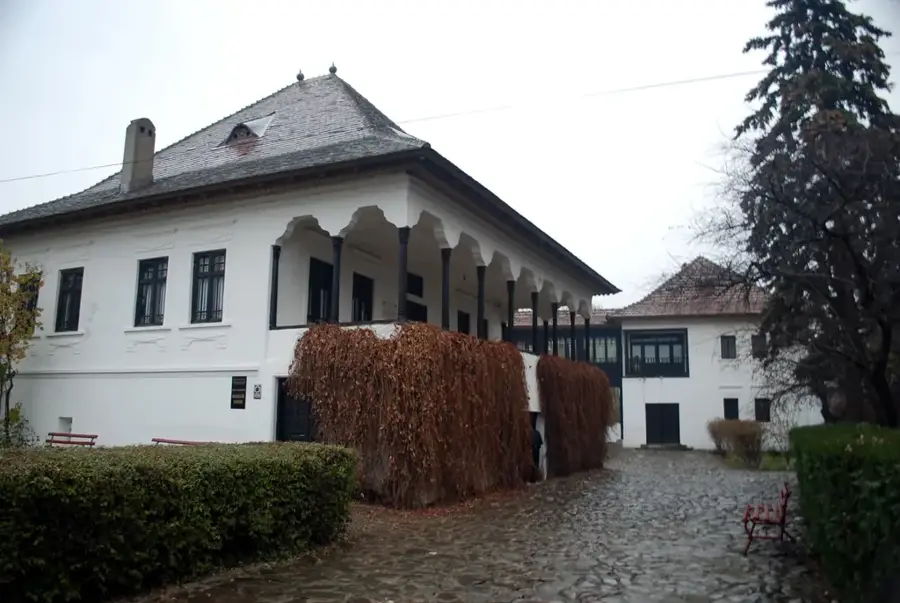
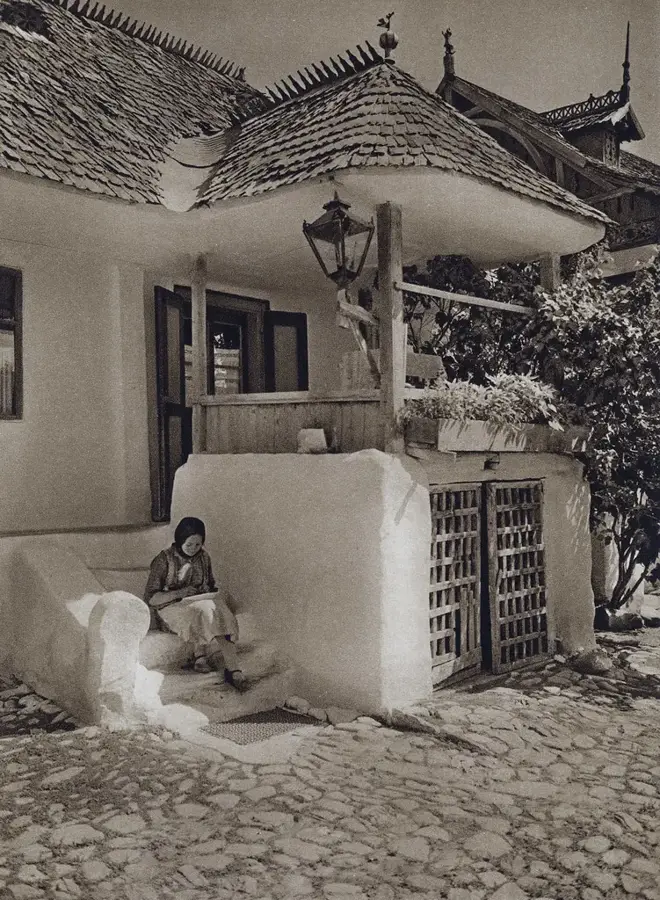
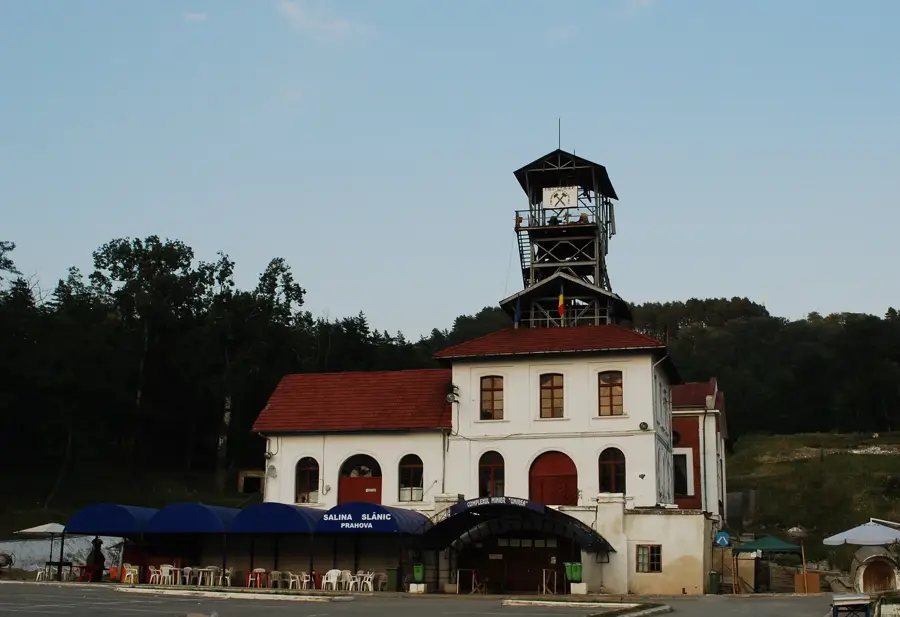
The "Francisc Rainer" Anthropological Museum provides fascinating scientific exhibits in Cheia.
🌐 muzbioph.ro🕒 9:00-17:00, Mo closed
Plizio Visual Lab
Grilled trout, fresh from mountain streams. Many restaurants in the area have their own small trout farms ('păstrăvărie'), ensuring the fish is as fresh as possible.
A thick, smoky bean soup served inside a hollowed-out bread bowl. It's a classic, warming mountain dish, first-rate for a chilly evening.
Mountain pies, often filled with salty cheese ('telemea'), potatoes, or sweet apples. Look for small bakeries or stands in the resort center.
In season (late summer/autumn), locals sell wild raspberries, blueberries, and various mushrooms. Buy them from small stands along the main road for a true taste of the forest.
Polyfloral honey made from the diverse flora of the Ciucaș Mountains. Often sold at the same local stands that offer berries and cheeses.
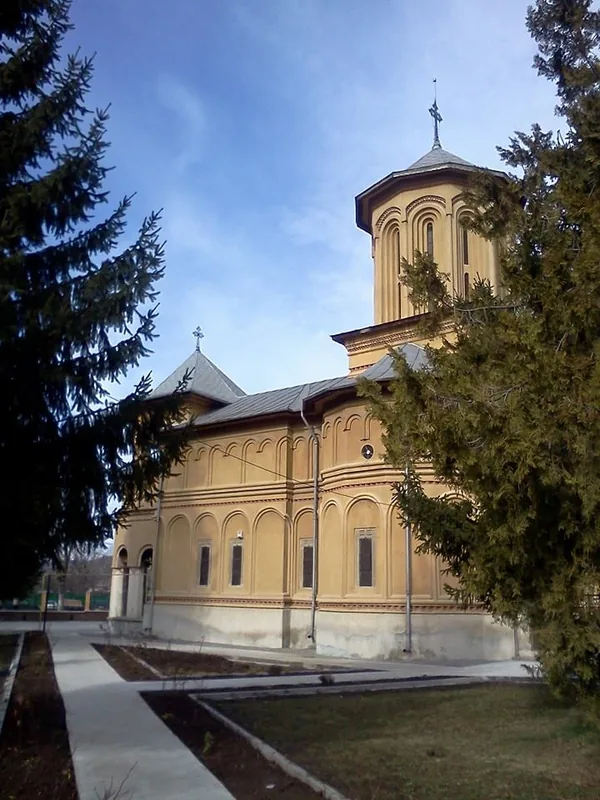
The Cheia Monastery's shop often sells herbal teas, ointments, and religious icons made by the monastic community.
Follow the Cheia River upstream or downstream from the main resort area. The sound of the water and the fresh forest air provide instant calm.
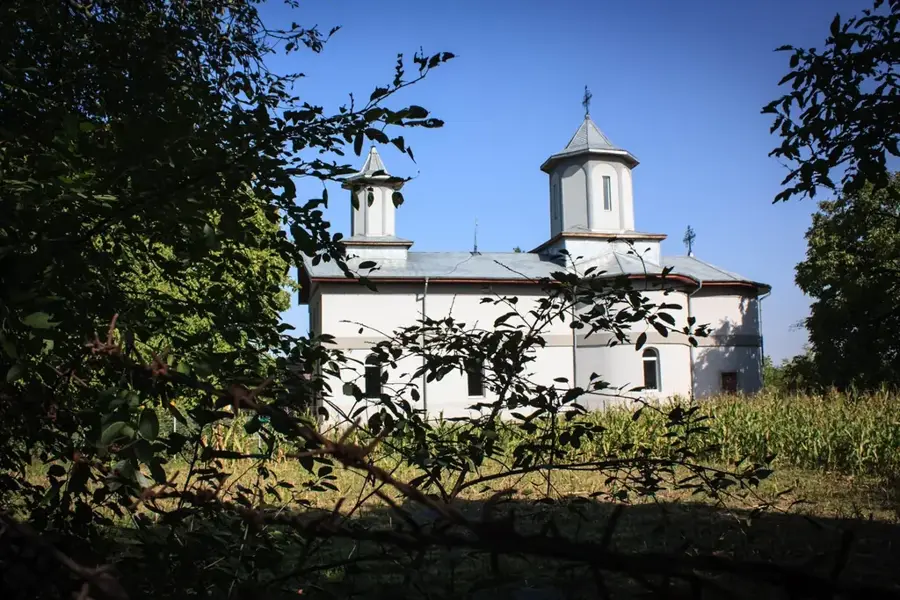
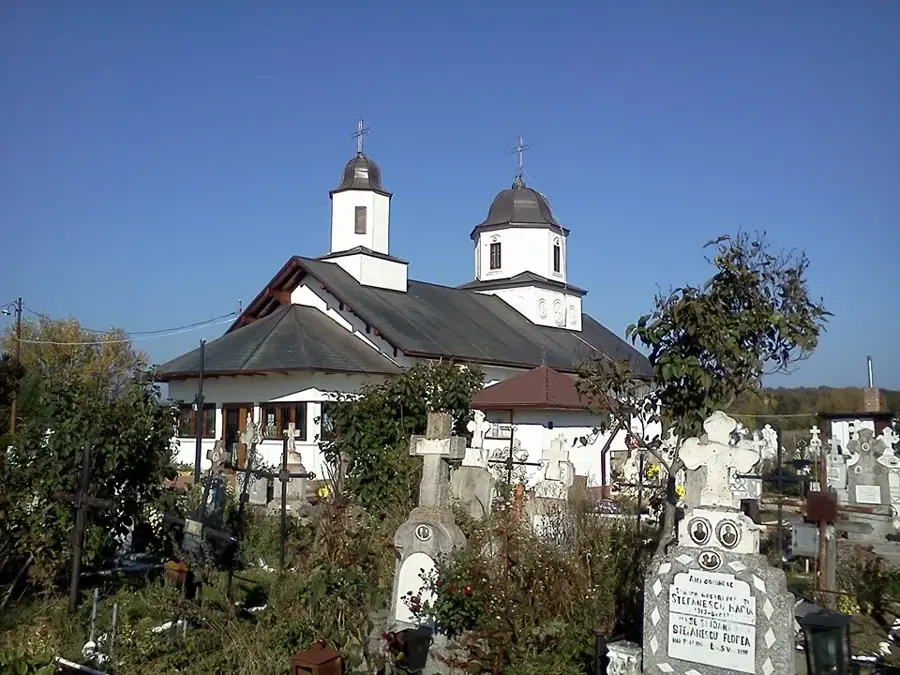
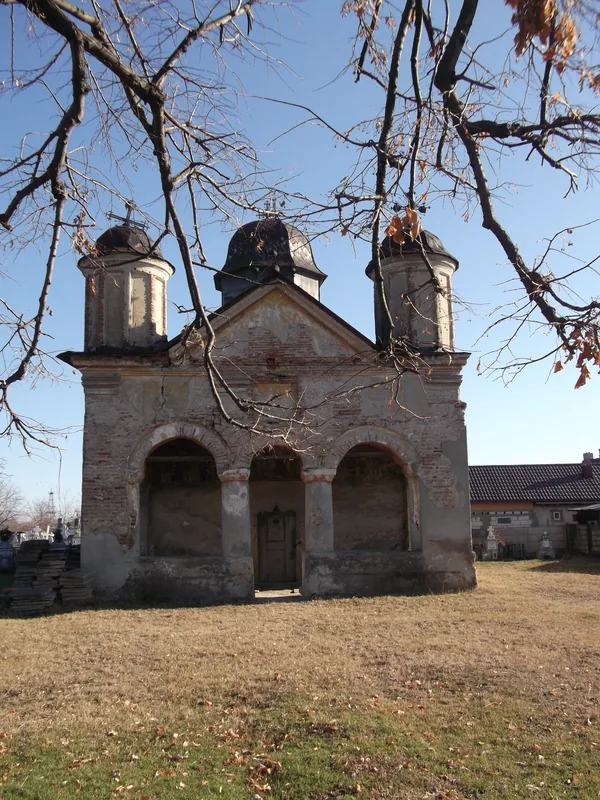
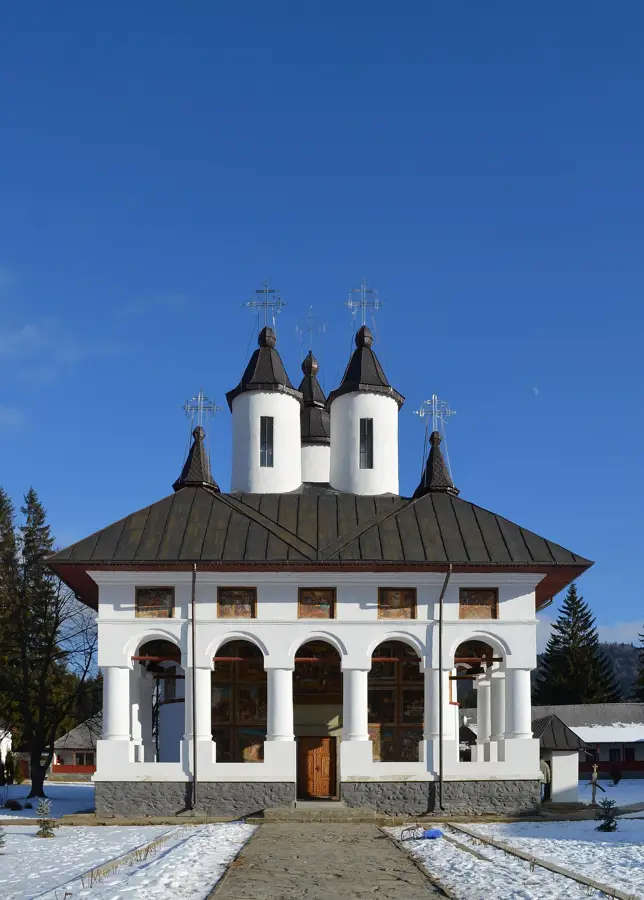
The monastery grounds are an island of peace. Walk through the gardens and admire the traditional architecture, but remember to be quiet and respectful.
You don't need to climb a peak to find peace. The initial sections of many hiking trails offer peaceful forest walks with no crowds and plenty of nature.
Water temperature…
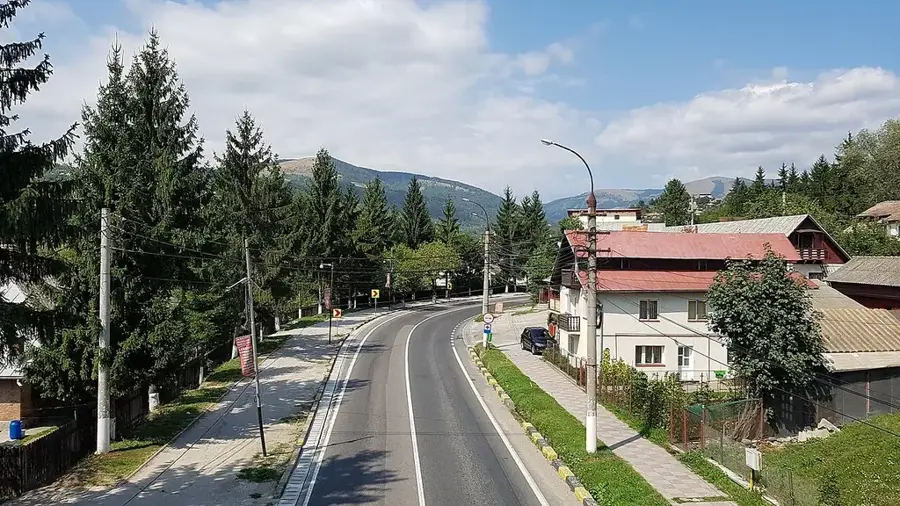
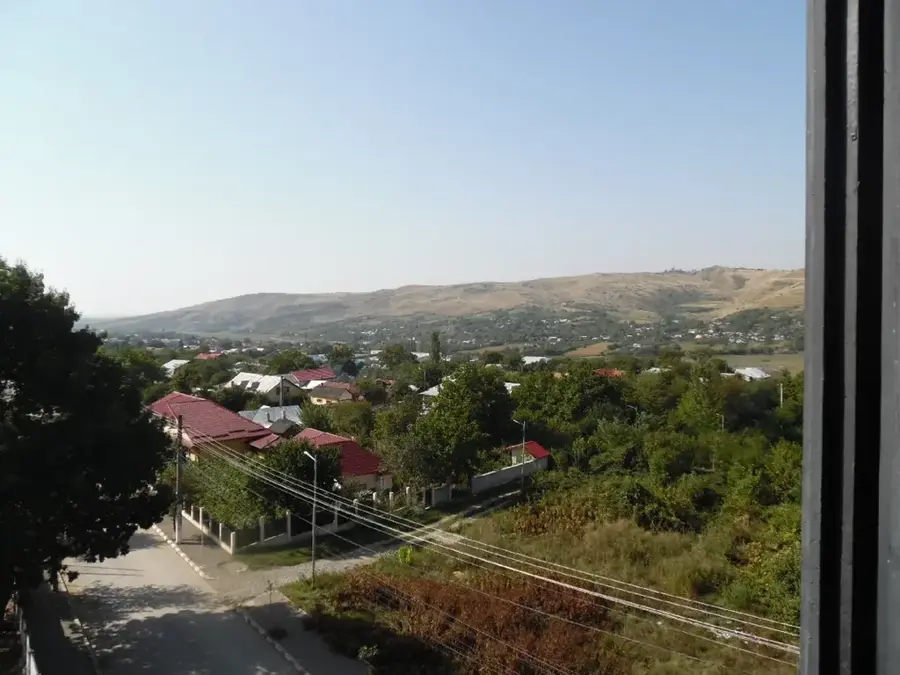
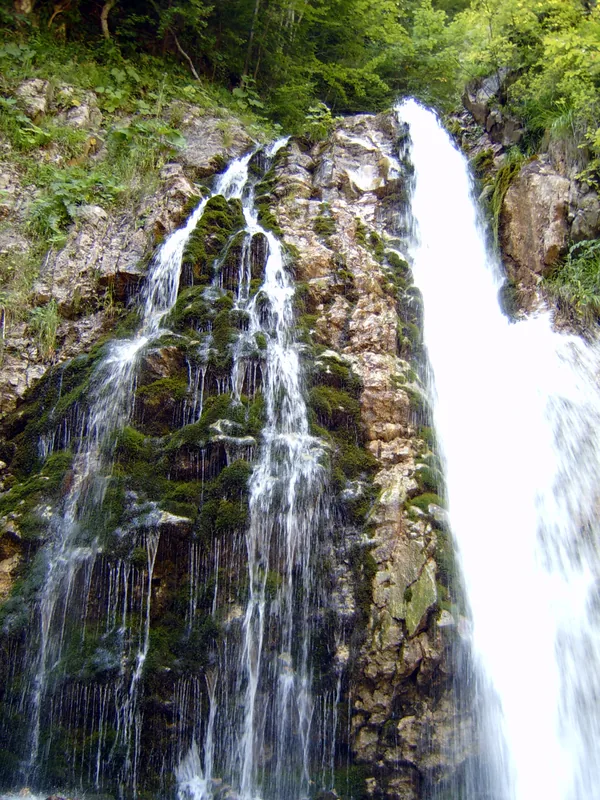
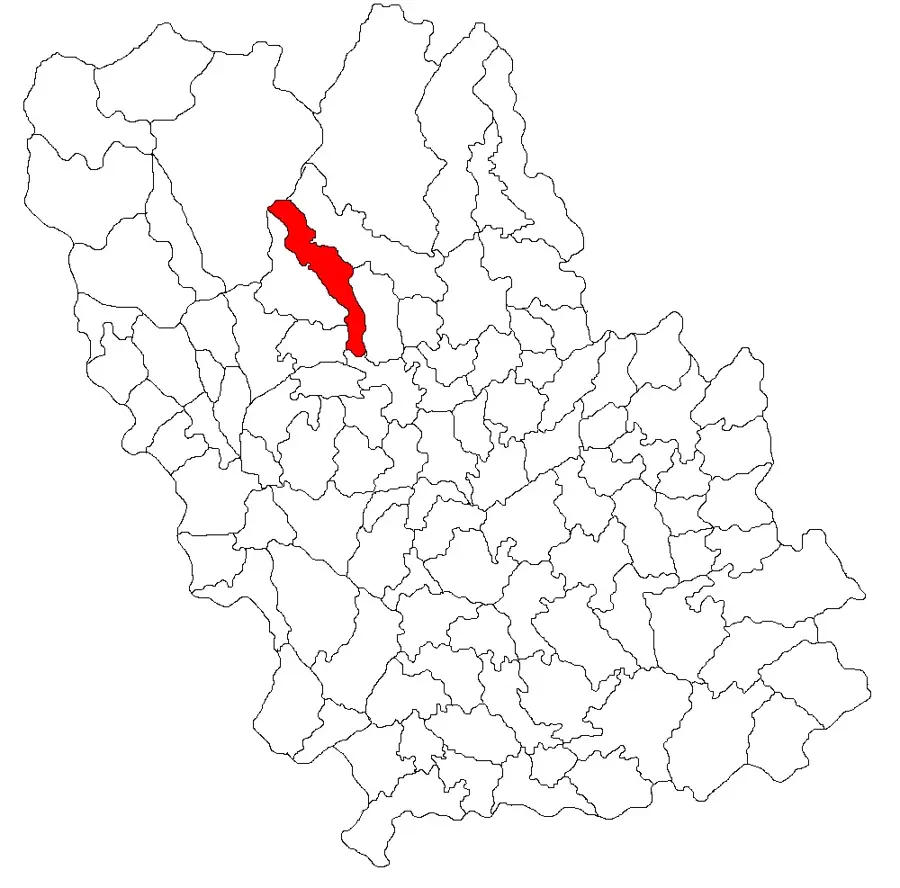
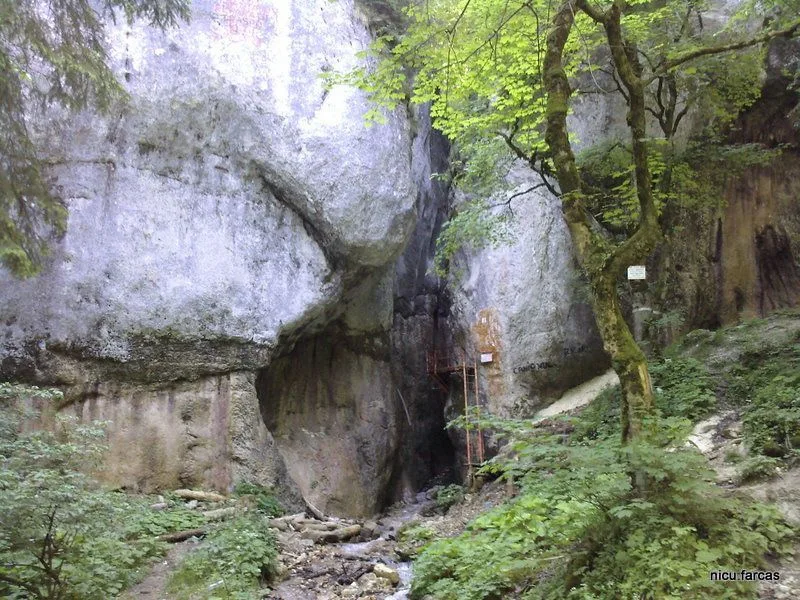
Cheia is a pleasant mountain resort in Prahova County, situated at an altitude of 870 meters at the foot of the Ciucaș Mountains. The village is recognized as a climatic health resort, where the ozone-rich air is beneficial for respiratory conditions and relaxation. Surrounded by vast forests of beech and fir, Cheia features a peaceful retreat compared to the busier resorts of the Prahova Valley. The landscape is characterized by the unique rocky peaks of the Ciucaș massif. For outdoor enthusiasts, Cheia is the primary gateway for hiking trails leading to the Ciucaș Peak (1,954 m). These trails pass through famous geological formations like 'The Old Ladies Talking' (Babele la Sfat) and the Ciucaș Sphinx. In the village, visitors can explore the 19th-century Cheia Monastery and the local Museum of Mountain Flowers. During winter, the area provides opportunities for skiing and sledding in a quiet, family-friendly environment away from the crowds. The best time to visit is during spring for the blooming meadows or autumn for the lively forest colors. Cheia is located on the DN1A road, a scenic route connecting Ploiești and Brașov via the Bratocea Pass. Local gastronomy features traditional Romanian dishes, with grilled trout from mountain streams and forest honey being local favorites. Many guest houses offer cozy accommodations with direct views of the rugged mountain ridges.
The most pleasant time to visit is Jun–Aug.
| Jan | Feb | Mar | Apr | May | Jun | Jul | Aug | Sep | Oct | Nov | Dec | |
|---|---|---|---|---|---|---|---|---|---|---|---|---|
| Avg °C | -4 | -3 | 2 | 7 | 13 | 17 | 19 | 20 | 14 | 8 | 3 | -2 |
| Rain mm | 39 | 36 | 43 | 54 | 81 | 105 | 92 | 65 | 54 | 57 | 41 | 44 |
Notable places around
Where do you start? We build the route here, with stops and country notes along the way.
© OpenStreetMap contributors · OpenRouteService
The "Francisc Rainer" Anthropological Museum provides fascinating scientific exhibits in Cheia.
The "Mine Flowers" Museum is a fascinating cultural institution in Cheia, inviting visitors to explore interesting local exhibitions.