Plizio Visual Lab
Piatra-Olt
ℹ️Practical info — Piatra-Olt
▾
🌤 Weather — 5 days
📍 Nearby
Sights nearby
💡 Tips
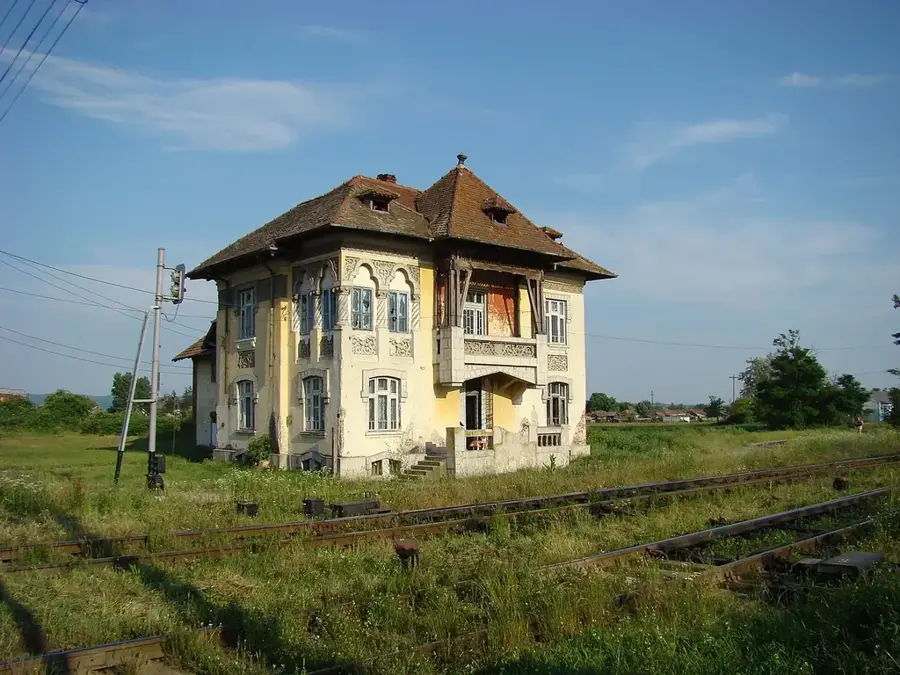
- Explore Piatra-Olt as a historic railway hub; the station area feels like an open-air museum of industrial heritage.
- Visit the ruins of the Roman castrum Acidava in the Enoșești district, part of the ancient Limes Alutanus defensive line.
- Take a short trip to the Brâncoveni Monastery (15 km south), a remarkable example of late 17th-century Romanian architecture.
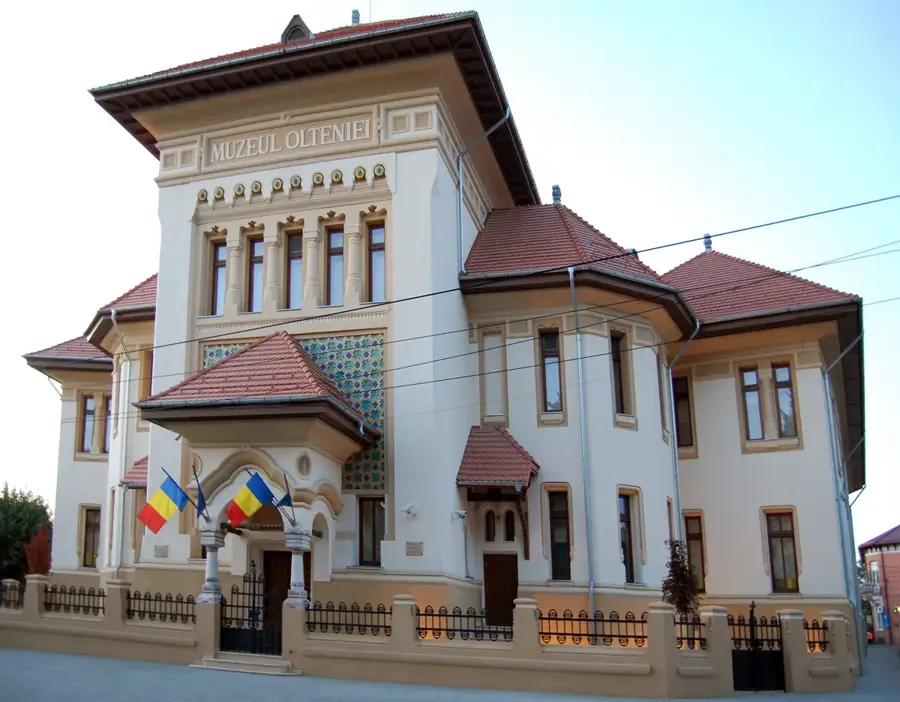
- If you have a layover at the station, stop by the small local museum nearby to see archaeological finds and railway history.
- Use this junction to catch the scenic train route through the Olt Valley towards Sibiu, one of Romania's most beautiful rail journeys.
🍽 Food
Try freshly caught catfish at local eateries near the Ipotești or Drăgănești reservoirs.
A signature dish of the region (Ciorbă de praz), reflecting the local culinary identity.
The small kiosks around the station are famous for fresh 'covrigi' and savory pastries, great for a quick snack.
🛍 Shopping · 🧘 Quiet spots
A local market where you can find fresh vegetables grown in the fertile Olt River floodplains.
The nearby city of Slatina (10 km away) gives a wider range of retail shops and supermarkets.
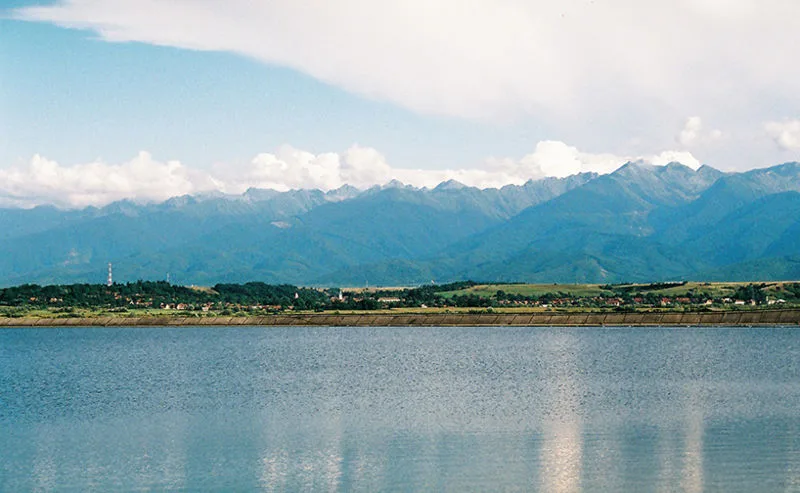
The dikes along the Olt river offer wide vistas and excellent spots for birdwatching away from the town center.
A serene and historic site with beautiful gardens, well-suited for a peaceful afternoon escape.
Water temperature…
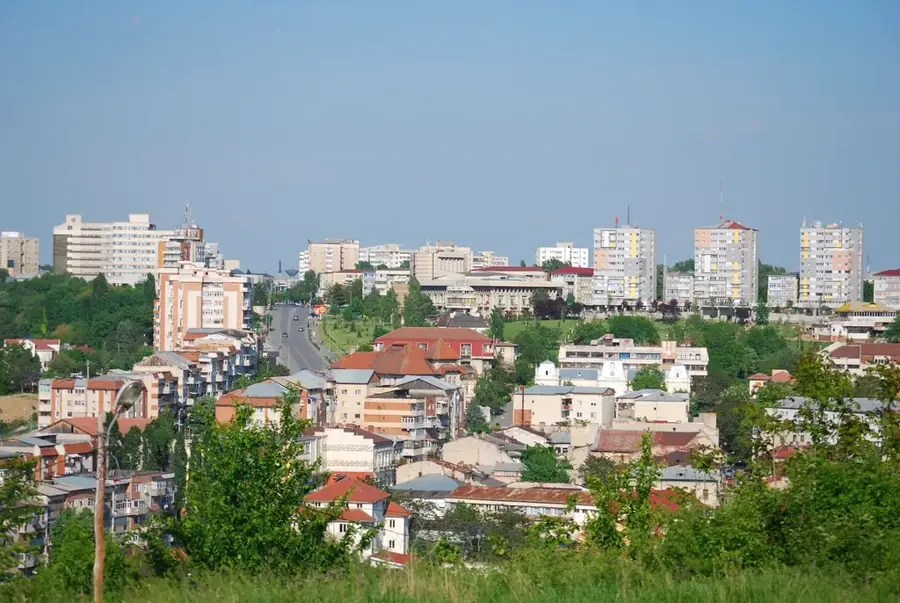
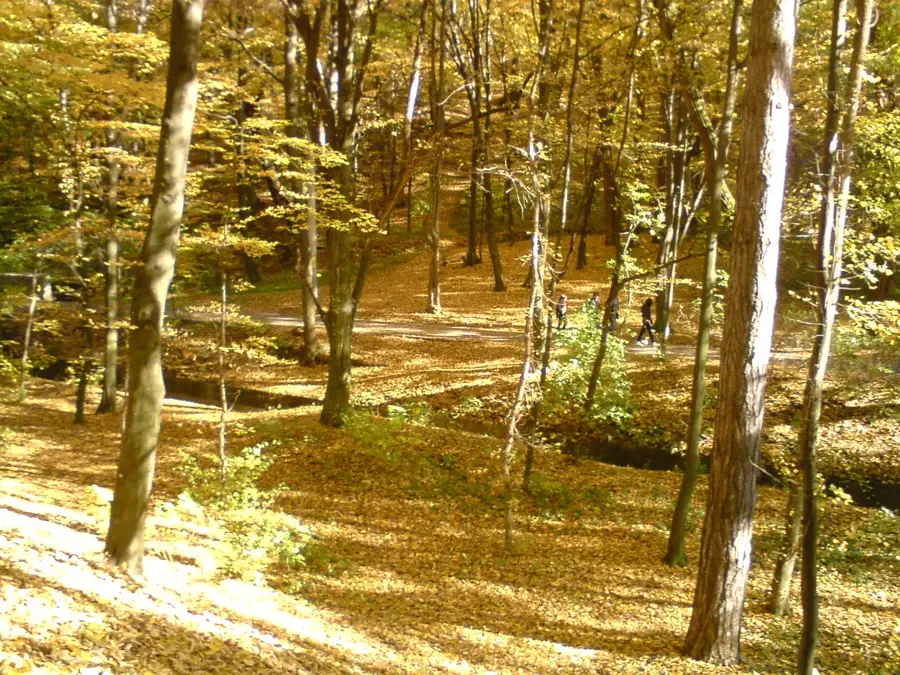
Piatra-Olt is a town in Olt County, Romania, situated on the right bank of the Olt River in the southern part of the country. It is widely recognized as a major national railway hub, serving as a critical junction connecting important lines from Oltenia and Muntenia. The town's modern identity was forged in the late 1800s with the construction of the railway network, which transformed a collection of small villages into a bustling transportation center. However, the area's history stretches back to antiquity; it is home to the archaeological remains of the Roman castrum Acidava, a fort on the Limes Alutanus defense line. This historical depth suggests that the location has always been a strategic crossroads. Today, the economy of Piatra-Olt remains heavily dependent on the railway sector and related logistics, although agriculture also plays a role in the surrounding rural areas. The urban landscape features railway architecture and post-war residential blocks. Despite its industrial feel, the town is surrounded by the vast Oltenian plains, offering a glimpse into the traditional landscape of southern Romania.
- Location: Olt, Romania
- Nearby: Slatina (10 km)
- Population: ~6.000
Best time to visit & climate
The most pleasant time to visit is Jun, Aug, Sep.
| Jan | Feb | Mar | Apr | May | Jun | Jul | Aug | Sep | Oct | Nov | Dec | |
|---|---|---|---|---|---|---|---|---|---|---|---|---|
| Avg °C | -2 | 1 | 6 | 12 | 17 | 22 | 24 | 25 | 19 | 12 | 6 | 0 |
| Rain mm | 43 | 36 | 46 | 47 | 75 | 88 | 75 | 51 | 54 | 58 | 48 | 50 |
Geography
Facts
- Major railway junction in the Romanian rail network
- Located in Olt County, historical Oltenia
- Home to the ancient Roman fort of Acidava
- Population: 6,000 residents
- Coordinates: 24.294166 Longitude, 44.360277 Latitude
- Economic focus on transport and logistics
Explore nearby
Notable places around
Route planner — Car & Motorhome
Where do you start? We build the route here, with stops and country notes along the way.
© OpenStreetMap contributors · OpenRouteService
Sights in the town Piatra-Olt (1)
Frequently asked questions
What is Piatra Olt known for?
Are there archaeological sites in Piatra Olt?
What train connections are there from Piatra Olt?
How far is Piatra Olt from Slatina?
Where does the name Piatra Olt come from?
Piatra-Olt: where is it located?
Piatra-Olt: when is the best time to visit?
Piatra-Olt: why is it worth visiting?

Nearby cities

History & landmarks
Nature
More places