Plizio Visual Lab
Dăbuleni

ℹ️Practical info — Dăbuleni
▾
🌤 Weather — 5 days
📍 Nearby
Sights nearby
💡 Tips
- The best time to visit is mid-summer to taste the famous local watermelons straight from the harvest.
- Be prepared for high temperatures; the area is known as the 'Sahara of Oltenia' due to its sandy soil.
- Buy melons directly from the farmers selling them along the main roads for the best price and quality.
- Take a trip to see the sand dunes and the extensive acacia forests planted to stabilize the shifting sands.
🍽 Food
The undisputed star of the region. Enjoy them ice-cold during the hot summer months straight from a roadside stand.
Look for traditional dishes featuring leek, a staple vegetable in the regional cuisine of Oltenia.
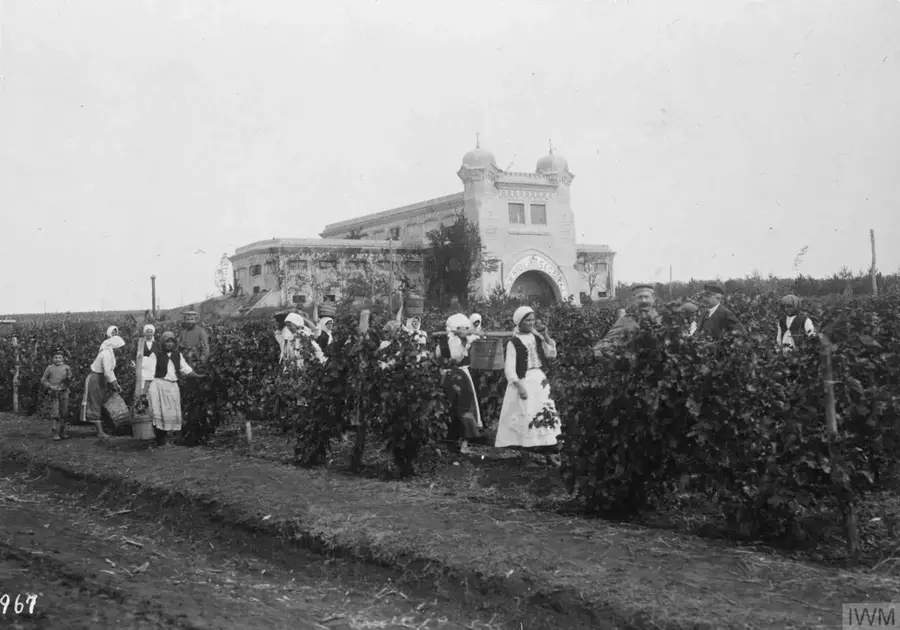
Ask for the local wine produced from vineyards grown on the area's sandy soils, known for its unique, light flavor.
🛍 Shopping · 🧘 Quiet spots
During summer, the roadsides are lined with stands selling massive piles of fresh, sweet watermelons directly from the fields.
A great opportunity to buy not only fruits but also other traditional agricultural products and local cheeses.
Take a cooling walk in the shade of the acacia trees, planted as a barrier against the advancing sand dunes.
Find a quiet spot on the edge of the sandy landscape to admire the expanse of this unusual, desert-like environment.
Water temperature…
Dăbuleni is a distinctive town in Dolj County, located in the southern extremity of Romania, within the historical region of Oltenia. It is widely renowned as the 'capital of watermelons,' with the local produce being celebrated across the country for its superior taste. The town's unique identity is forged by its location in the 'Sahara of Oltenia,' a region of shifting sand dunes created by the desertification of the Danube's former floodplains. This sandy soil acts as a natural heat reservoir, providing the well-suited environment for watermelon and melon cultivation. Officially designated as a town in 2004, Dăbuleni is more than just an agricultural hub; it is home to a unique Research and Development Station for Plant Culture on Sands, which attracts international scientific interest. The local economy is entirely driven by seasonal agriculture and trade. Despite the harsh climate, the community is thriving, and the town serves as a vital center for the southern Dolj region. For travelers, Dăbuleni gives a rare opportunity to see Romania's 'desert' and experience the legendary hospitality of the Oltenian people during the summer harvest season.
- Location: Dolj, Romania
- Nearby: Sadova (15 km)
- Population: ~10.333
Best time to visit & climate
The most pleasant time to visit is May, Jun, Sep.
| Jan | Feb | Mar | Apr | May | Jun | Jul | Aug | Sep | Oct | Nov | Dec | |
|---|---|---|---|---|---|---|---|---|---|---|---|---|
| Avg °C | -1 | 2 | 7 | 13 | 18 | 23 | 25 | 25 | 20 | 13 | 7 | 1 |
| Rain mm | 43 | 40 | 48 | 45 | 70 | 77 | 63 | 43 | 51 | 57 | 45 | 47 |
Geography
Facts
- Center of the Oltenian Sahara, Romania's only significant sandy area
- Officially attained town status in 2004
- Home to a specialized Research Station for Plant Culture on Sands
- The primary producer of high-quality watermelons in Romania
- Located roughly 10 kilometers north of the Danube riverbank
- Known for experimental crops like peanuts, almonds, and figs
Explore nearby
Notable places around





Route planner — Car & Motorhome
Where do you start? We build the route here, with stops and country notes along the way.
© OpenStreetMap contributors · OpenRouteService
Sights in the town Dăbuleni (1)
Frequently asked questions
What is Dăbuleni famous for throughout Romania?
What is the 'Sahara of Oltenia' phenomenon?
When is the best time to visit?
Is there a museum in Dăbuleni?
What is the climate like in Dăbuleni?
Dăbuleni: where is it located?
Dăbuleni: when is the best time to visit?
Dăbuleni: why is it worth visiting?

Nearby cities
History & landmarks


More places