Plizio Visual Lab

Faraoani

Plizio editorial teamData Sources
City
—°1128
Faraoani (Romania)
ℹ️

Practical info — Faraoani

🌤 Weather — 5 days

📍 Nearby

Sights nearby

💡 Tips

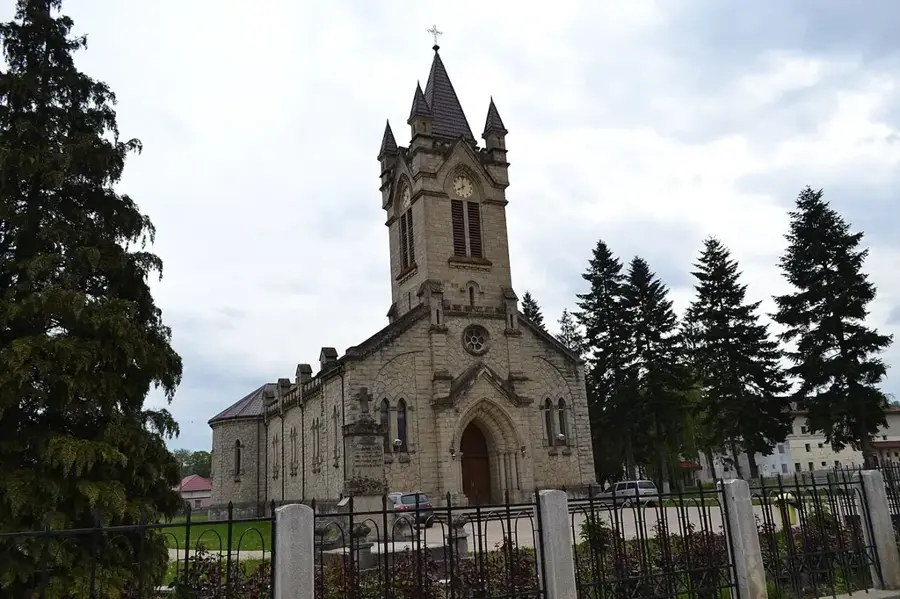
  • Visit the Roman Catholic church, the spiritual heart of this history-rich community.
  • Discover the local dialect and the customs of the Csángó community, which are very much alive here.
  • Plan your visit during Catholic holidays to see impressive processions and folk costumes.
  • Explore the rolling hills of Moldavia with a walk through the surrounding vineyards.

🍽 Food

🍽
Csángó Goulash

A hearty stew often prepared during community celebrations.

🍽
Local Homemade Wine

The hills around Faraoani produce excellent white wines in local households.

🍽
Homemade Bread

Ask for traditional bread, often still baked in stone ovens by the villagers.

🛍 Shopping · 🧘 Quiet spots

🛍
Woven Aprons

Look for hand-crafted folk costume pieces in the Csángó tradition.

🛍
Village Market

Buy fresh bacon and cheese directly from the small farms in the village.

🧘
Vineyard Hill

Hike to the highest point of the vineyards for a wide view over the Siret Valley.

🧘
Old Village Lanes

The winding lanes of the village offer a quiet atmosphere for explorers.

🧘
Church Courtyard

A place for reflection and for exchanging a few words with friendly locals.

Highlights of 2026

1

Expropriations for A7 Highway Construction

The commune of Faraoani issued important announcements regarding the land expropriation process required for the construction of the A7 highway. This measure is a crucial step in advancing the major road infrastructure project in the region.
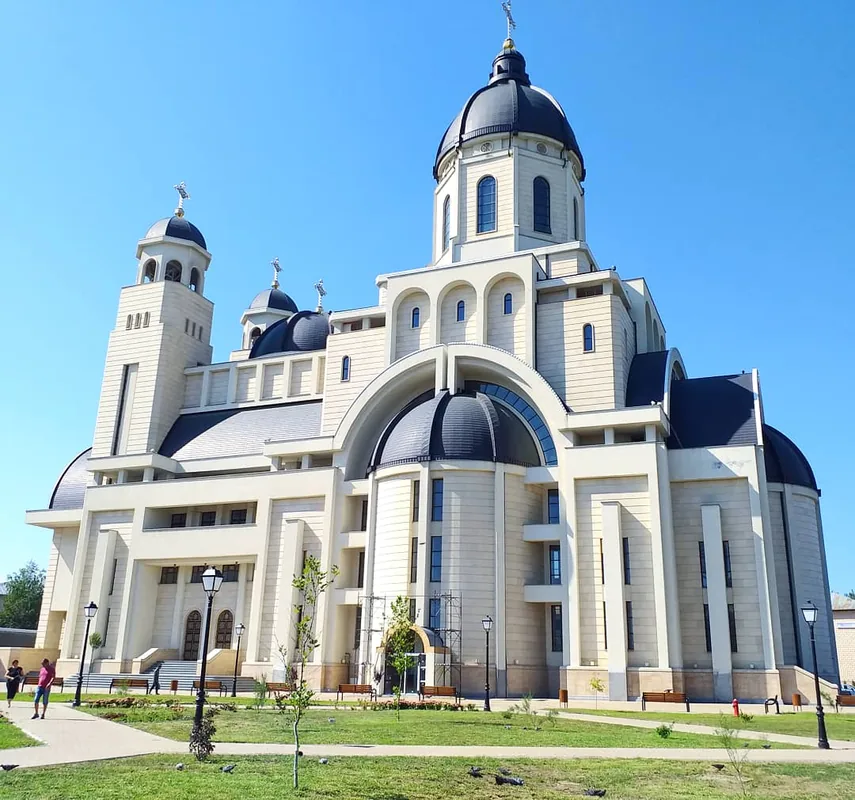
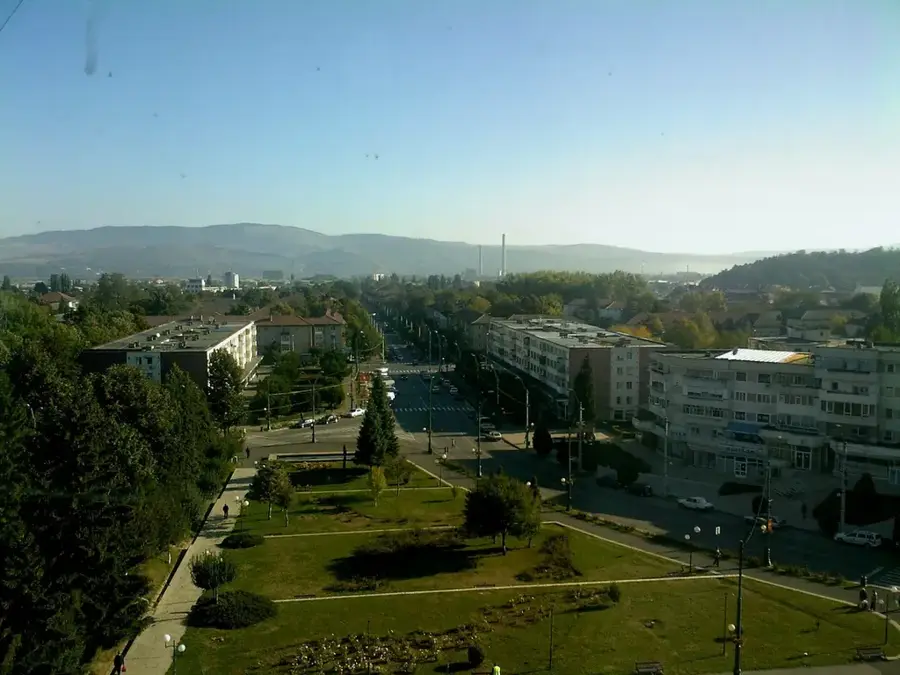
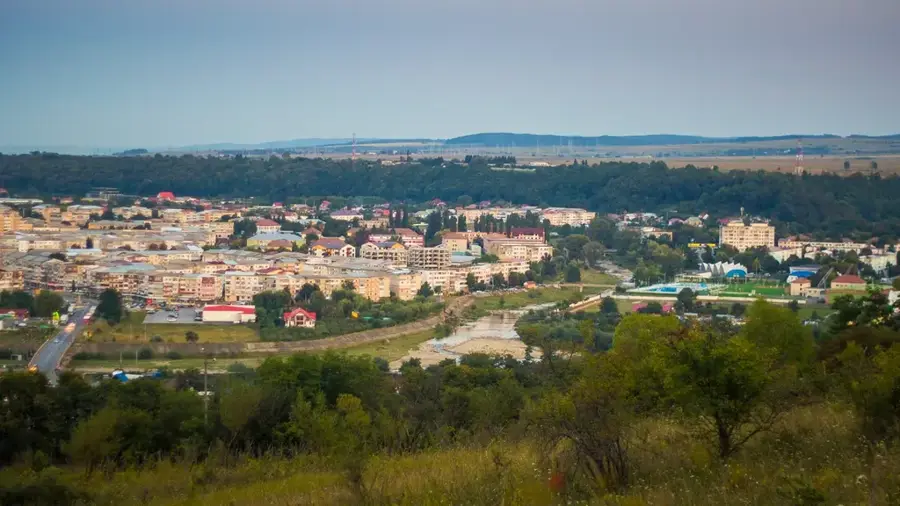
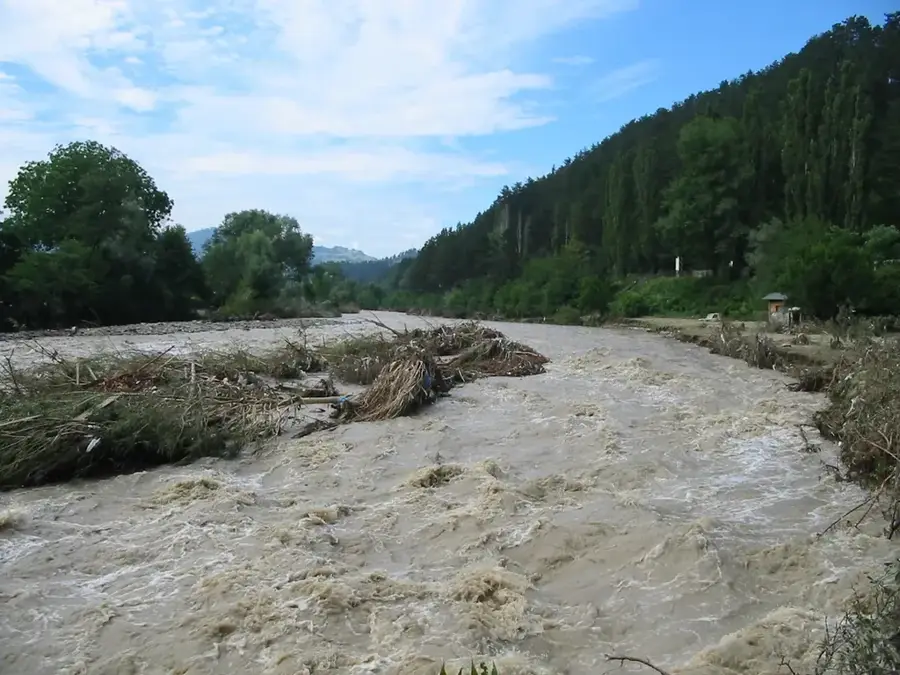
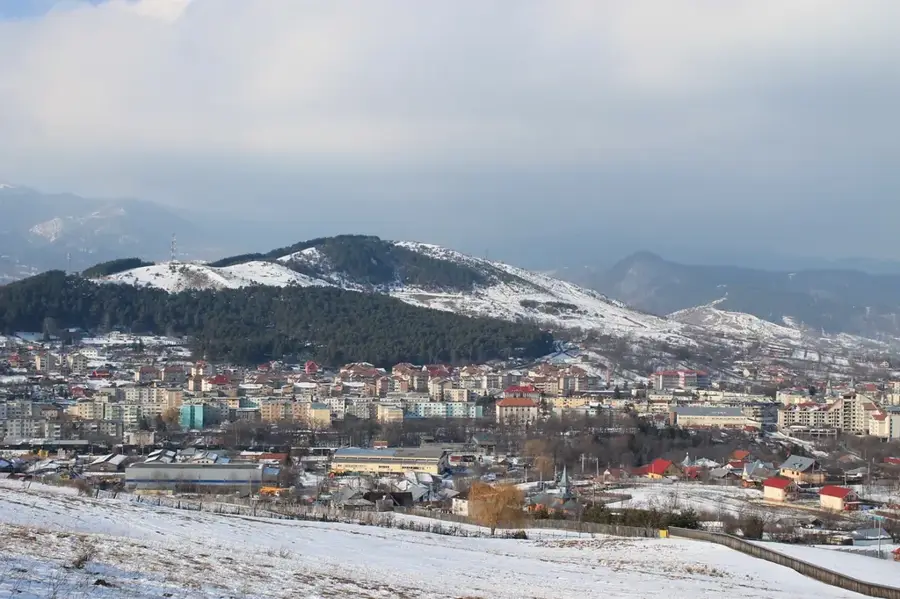
Faraoani is a historically significant commune in Bacău County, located in the Moldavia region of eastern Romania. It is widely recognized for its large Roman Catholic population and its deep connections to the Csángó culture, an ethnic group with a unique linguistic and cultural heritage. Geographically, the settlement is positioned at the foothills of the Eastern Carpathians, surrounded by rolling hills that are predominantly used for viticulture. The wine produced here is a source of local pride and an essential part of the town's economy. Faraoani’s history is a tapestry of migration and cultural synthesis, visible in the local dialect and the persistence of century-old traditions. The heart of the community is its monumental Catholic church, which serves as a landmark for miles around. Agriculture remains the primary livelihood, though recent years have seen a diversification into trade and services, supported by the town's proximity to the city of Bacău and the E85 European route. The community is known for its strong work ethic and social cohesion, which has allowed for the modernization of local schools and infrastructure while keeping its distinctive identity intact. Local festivities, characterized by traditional music and religious processions, provide an animated display of the settlement's enduring cultural vitality.

Best time to visit & climate

The most pleasant time to visit is Jun–Aug.

JanFebMarAprMayJunJulAugSepOctNovDec
Avg °C-4-239151922211694-2
Rain mm313137507296845444543436

Geography

Population
5,141
Coordinates
46.43211, 26.89631

Facts

  • Faraoani is one of the oldest and largest Catholic settlements in Moldavia.
  • It is located approximately 15 kilometers south of Bacău.
  • The area is renowned for its vineyards and high-quality wine.
  • It is a central hub for the Csángó minority culture in Romania.
  • The current population is estimated at 5,200 residents.
  • The settlement consists of Faraoani and Valea Mare villages.

Explore nearby

Notable places around

Route planner — Car & Motorhome

Where do you start? We build the route here, with stops and country notes along the way.

Vehicle
Only stops with (optional):

© OpenStreetMap contributors · OpenRouteService

Sights in the town Faraoani (1)

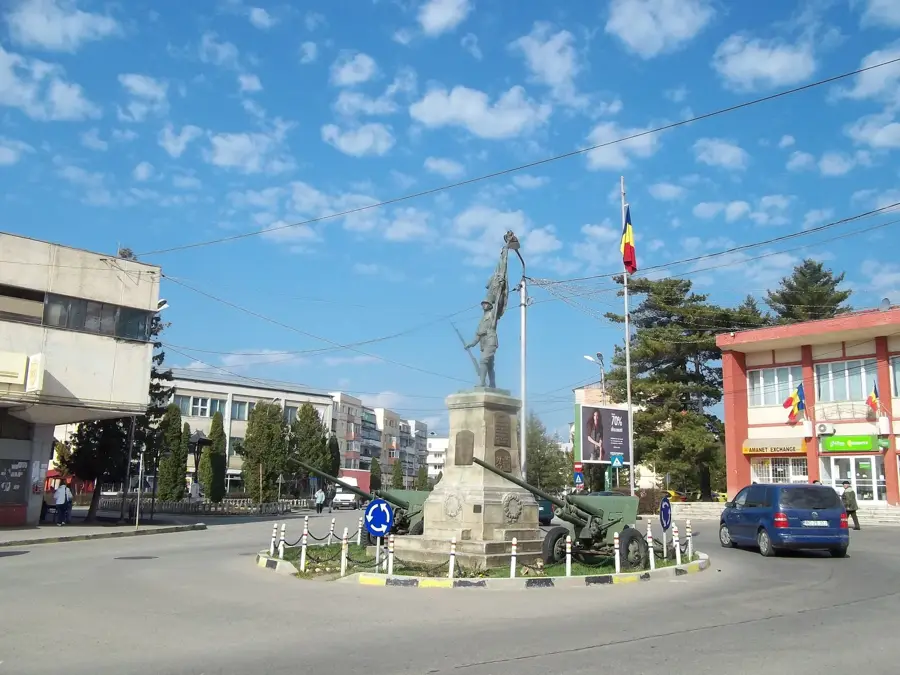
Monument of the Heroes🏺 historical

A monument honoring the local heroes who fought for the independence and unity of the Romanian nation in historical battles.

Frequently asked questions

What is special about the Faraoani commune?
It is one of the largest Csángó communities in Bacău county, known for preserving old traditions and Catholic customs.
Are there significant churches in Faraoani?
St. Martin's Church is a central place for the community. The village is also known for its religious processions.
How far is Faraoani from Bacău?
The commune is about 15 km south of Bacău and can be reached via the DN2 national road in about 20 minutes.
What local products can be bought here?
Visitors can buy handmade textiles with traditional embroidery as well as fresh agricultural products directly from the local farms.
When do local festivals take place?
Religious holidays, especially the church's patron saint feast, are celebrated festively with traditional costumes and folk music.
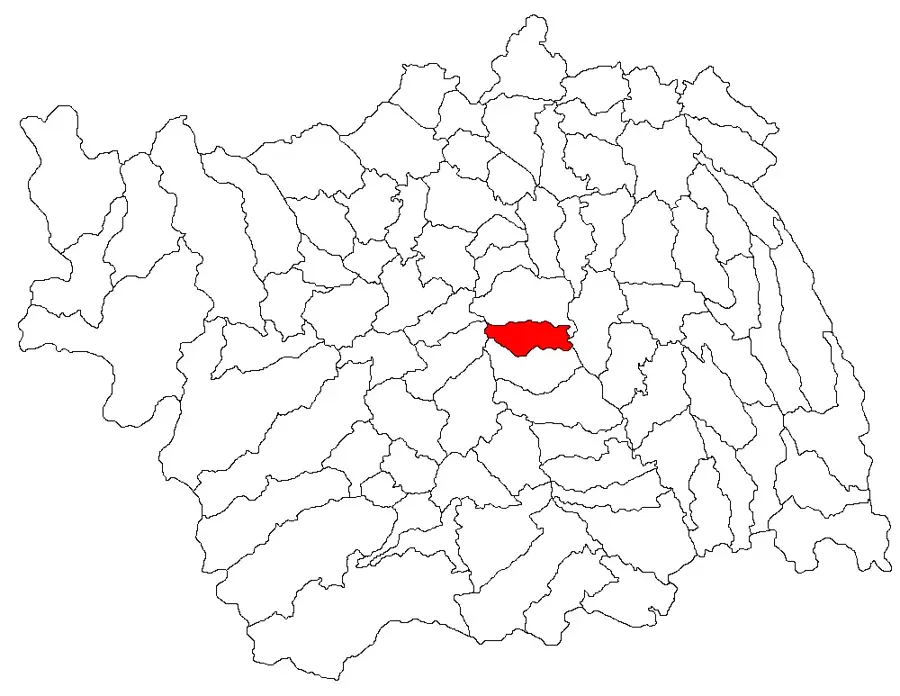
Faraoani: where is it located?
Faraoani is located in Bacău, Romania.
Faraoani: when is the best time to visit?
The most pleasant time to visit is Jun, Aug.
Faraoani: why is it worth visiting?
Faraoani is a historically significant commune in Bacău County, located in the Moldavia region of eastern Romania.
View on map → The Top 50 Attractions → OpenStreetMap →
Europe
Explore with Plizio Discover more places in Europe
More places in Romania →

Nearby cities

History & landmarks

Nature

More places