Plizio Visual Lab
Soure
ℹ️Practical info — Soure
▾
🌤 Weather — 5 days
📍 Nearby
Sights nearby
💡 Tips
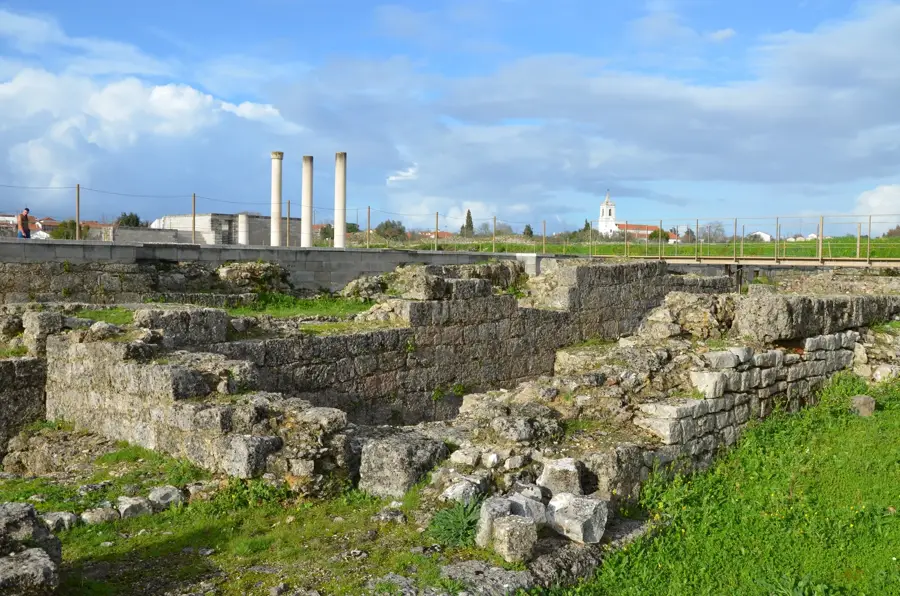
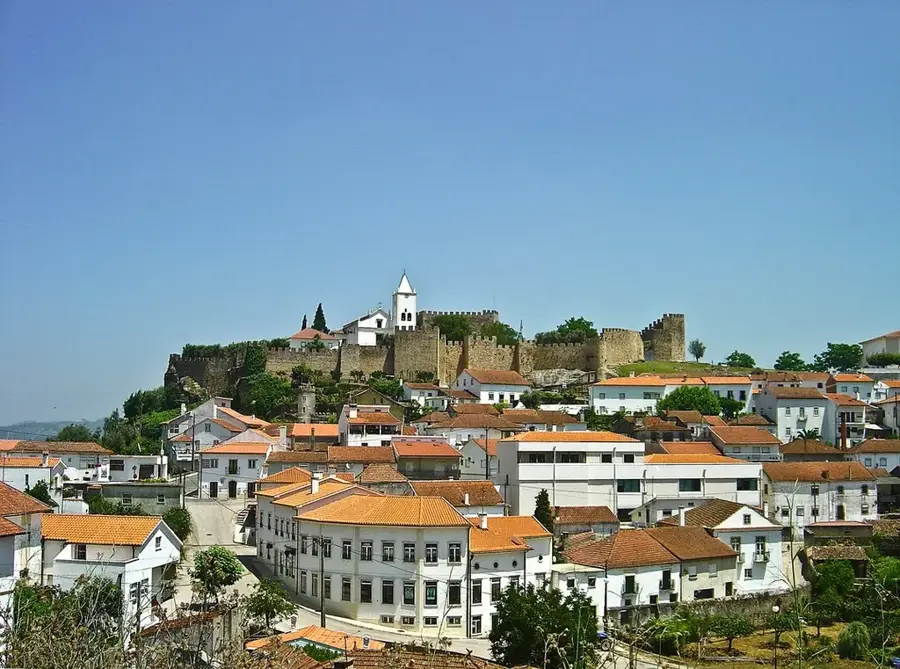
- The ruins of the Templar Castle in Soure are best explored in the early morning when the light is convenient for photography.
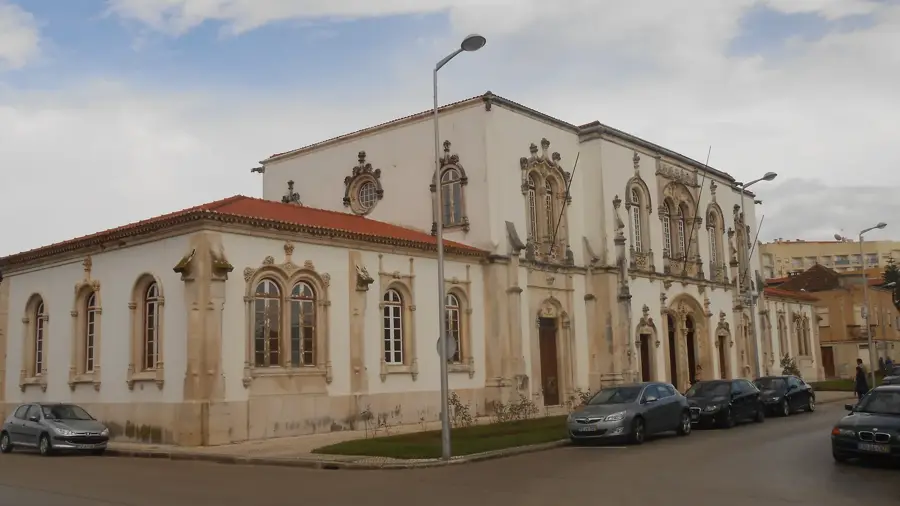
- You can usually find parking without much hassle near the town hall (Câmara Municipal).
- The small town is very compact, making it great to explore on foot during a leisurely afternoon stroll.
- Local bakeries often sell out of popular traditional sweets by early afternoon, so do your shopping early.
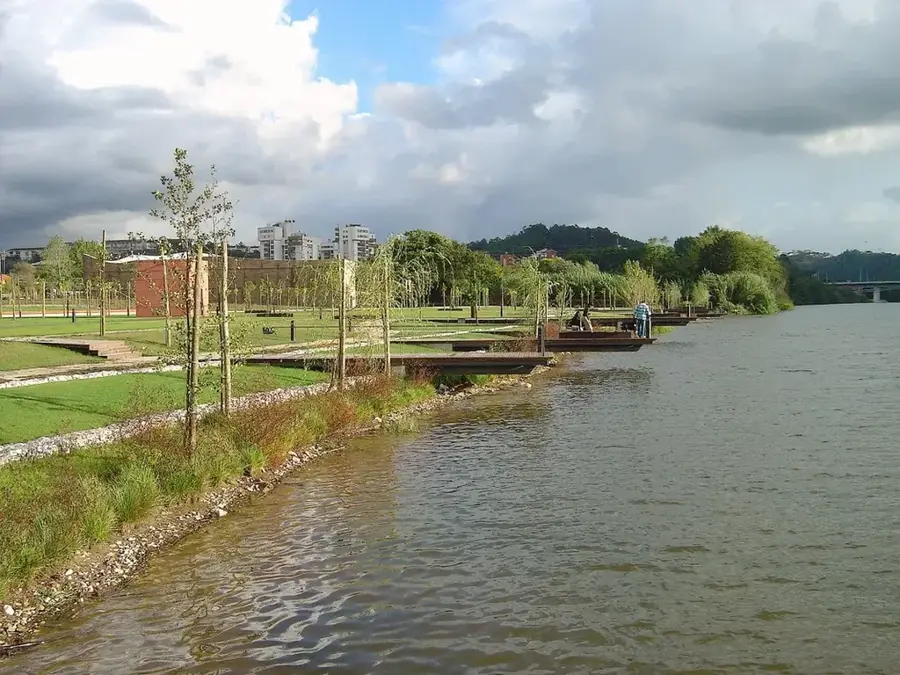
- A walk along the Anços and Arunca rivers gives a refreshing breeze on hot days.
🍽 Food
A soft, local sheep and goat cheese often served as a starter in traditional taverns.
Large, airy meringues that pair perfectly with an afternoon coffee from family-owned bakeries.
Look for cold-pressed olive oil from the Sicó region in local grocery stores.
🛍 Shopping · 🧘 Quiet spots
Buy Rabaçal cheese directly from small delicatessens or the local market.
Scattered along the narrow streets of the center, you can find shops selling wickerwork and ceramics.
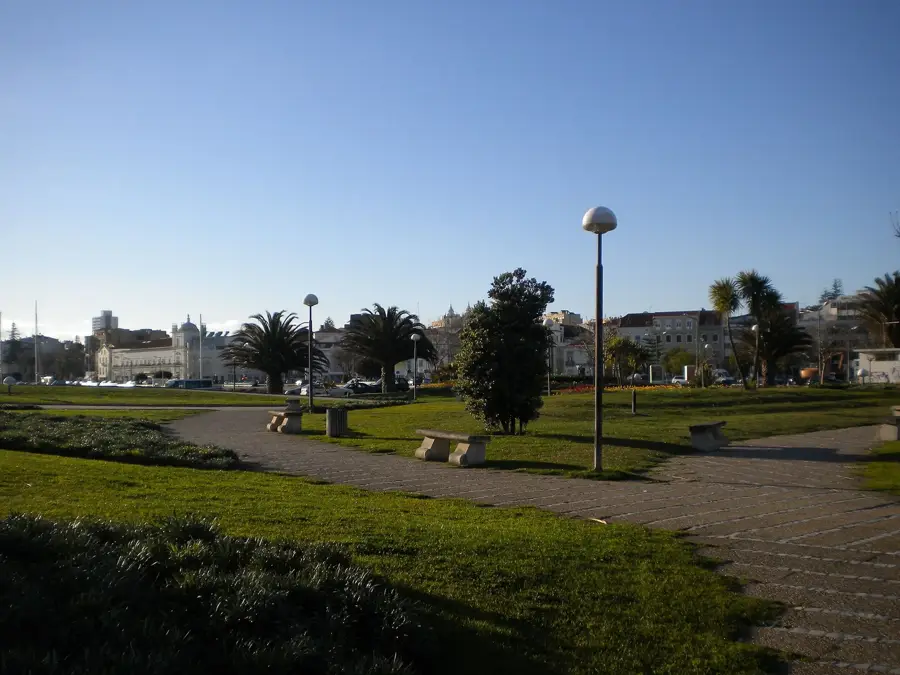
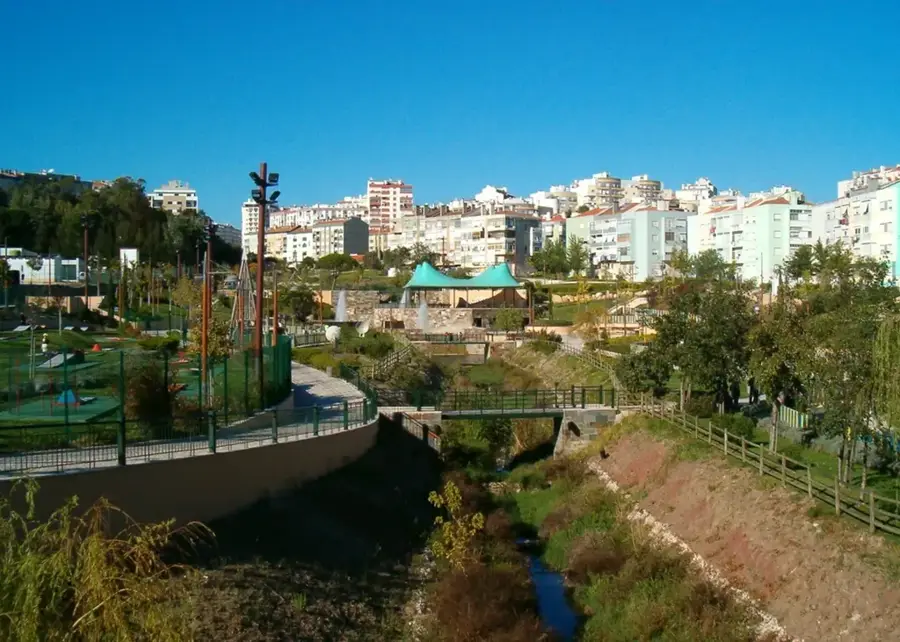
A beautiful park with shady trees and benches, well-suited for a relaxing picnic.
Take a walk along the river to enjoy nature and the historical surroundings in peace.
Water temperature…
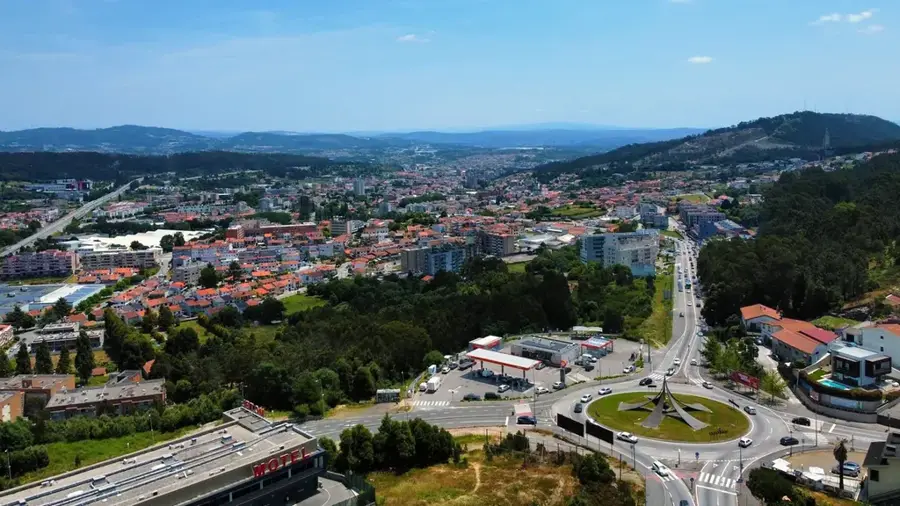
Soure is located in the Coimbra District at the confluence of the Anços and Arunca rivers, occupying a strategic position in the lower Mondego valley. The town's history is deeply intertwined with the military religious orders, notably the Knights Templar, who were granted the local castle in 1128 by Countess Theresa. This castle, part of the defensive line of the Mondego, remains one of the few surviving examples of Templar architecture in the country. The region is characterized by fertile alluvial plains that have supported intensive agriculture, particularly rice and maize cultivation, for centuries. Soure received its first charter from King Afonso Henriques in 1111, making it one of the oldest municipalities in Portugal. The local economy today is a mix of agricultural production, light industry, and services, while the town preserves its traditional festivals and culinary heritage.
- Location: Portugal
- Top sights: Castelo de Soure · Praia fluvial dos Novos · Baloiço do Parque de Merendas de Soure
- Nearby: Pombal (17 km)
- Population: ~8.416
Best time to visit & climate
The most pleasant time to visit is Jul–Sep.
| Jan | Feb | Mar | Apr | May | Jun | Jul | Aug | Sep | Oct | Nov | Dec | |
|---|---|---|---|---|---|---|---|---|---|---|---|---|
| Avg °C | 10 | 10 | 12 | 14 | 16 | 19 | 21 | 21 | 20 | 17 | 13 | 10 |
| Rain mm | 108 | 78 | 84 | 77 | 51 | 23 | 8 | 14 | 38 | 112 | 119 | 95 |
Geography
Facts
- Castle was granted to the Knights Templar in the year 1128
- Municipality received its charter in 1111 by Afonso Henriques
- Located at the confluence of the Anços and Arunca rivers
- Key site for rice production in the Mondego valley
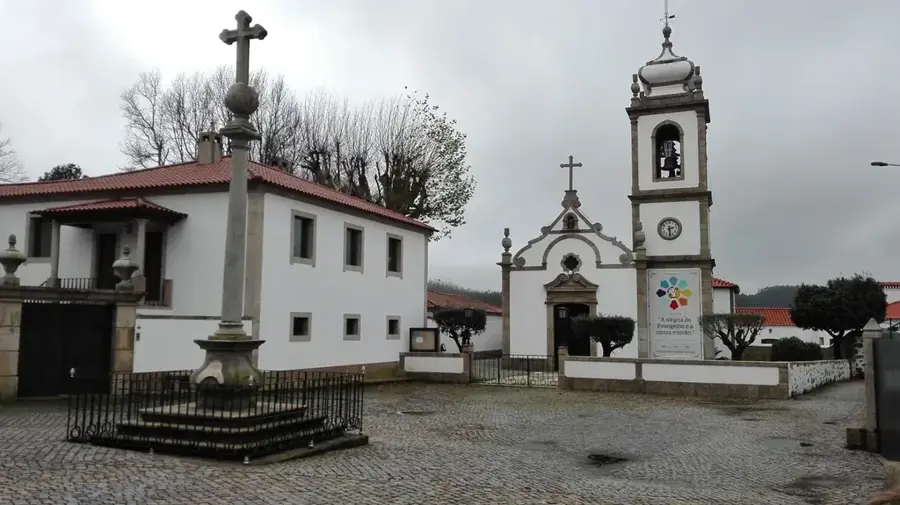
- The Matriz Church of Soure was rebuilt in the 18th century
- Historically part of the defensive line of the Mondego river
Explore nearby
Notable places around
Route planner — Car & Motorhome
Where do you start? We build the route here, with stops and country notes along the way.
© OpenStreetMap contributors · OpenRouteService
Sights in the town Soure (12)
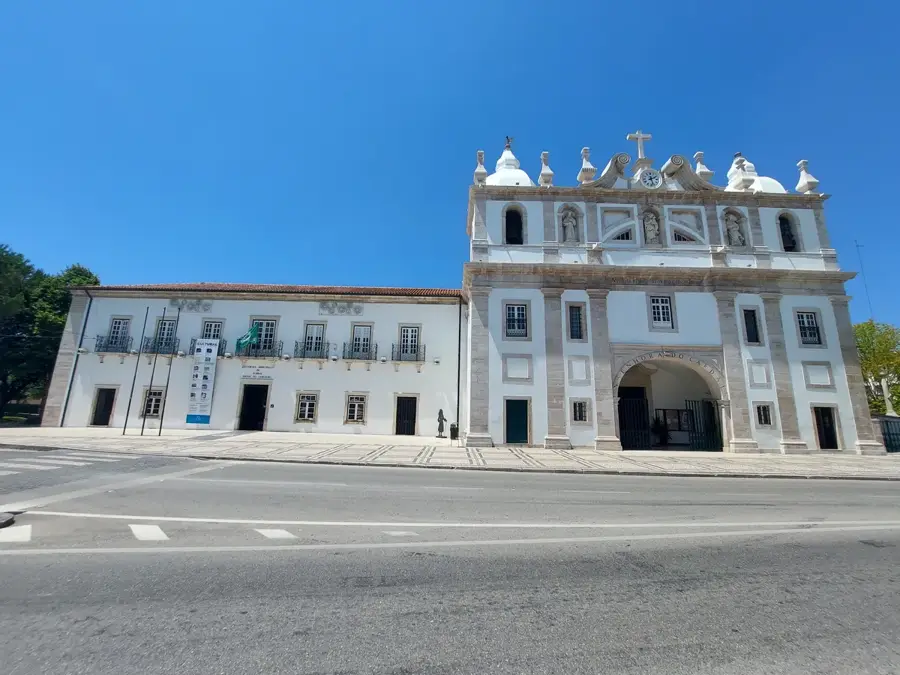
Museu Municipal de Soure🏛 museum
A local municipal museum in Soure preserving and displaying the region's cultural heritage.
Frequently asked questions
What can you visit in Soure?
What role did the Templars play in Soure?
Are there nature areas nearby?
What is the city festival of Soure?
Is there traditional craftsmanship?
Soure: where is it located?
Soure: what is there to see?
Soure: when is the best time to visit?
Soure: why is it worth visiting?

Nearby cities
History & landmarks