Plizio Visual Lab

Madeira Laurisilva Forest
Plizio editorial teamData Sources
Forest
—°4
Madeira Laurisilva Forest (Portugal)

Weather…

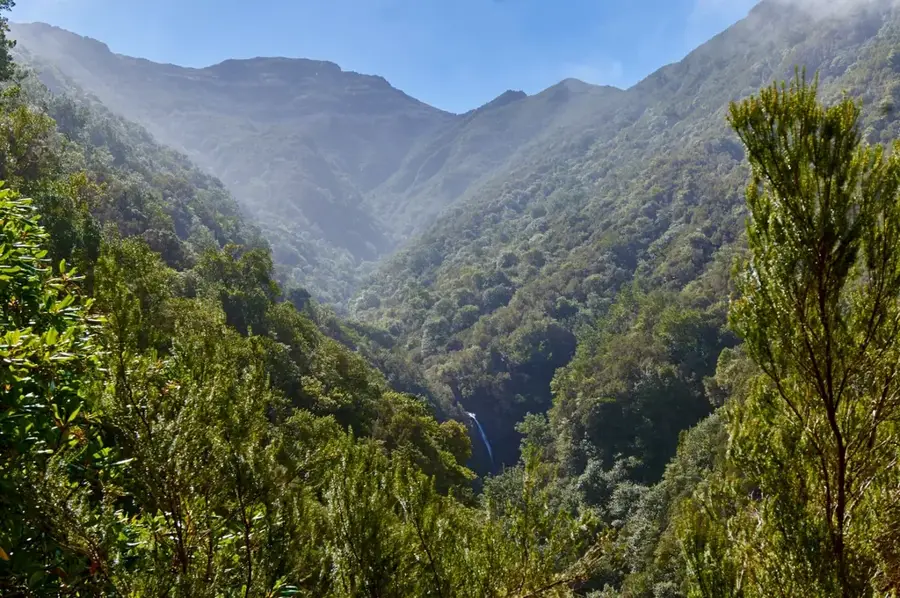
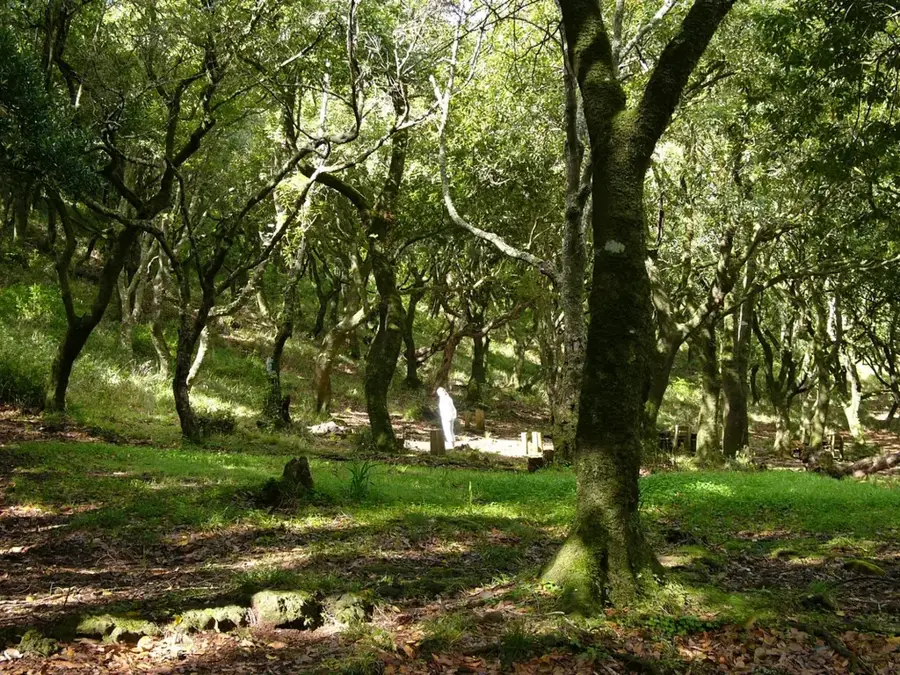
The Laurisilva Forest of Madeira is the largest surviving area of laurel forest in the world and was designated a UNESCO World Heritage site in 1999. This prehistoric forest is a living relic of the Tertiary period, when similar forests covered vast regions of Southern Europe and Northern Africa before they were nearly wiped out by successive ice ages. On Madeira, the forest has survived across approximately 15,000 hectares, covering about 20% of the island's total area, thanks to the mild oceanic climate. The ecosystem is characterized by evergreen trees from the laurel family, which are often draped in mosses, ferns, and lichens. The forest plays a fundamental role in the island's water cycle, as it captures moisture from the clouds and feeds the famous levadas, or irrigation channels, that distribute water across the island. It is also home to many endemic species, such as the Trocaz pigeon and the Madeira firecrest. The dense, often mist-covered vegetation creates a magical atmosphere for hikers exploring its many trails. Protecting this ecosystem is of global importance for preserving biological diversity and Earth's natural history.

Best time to visit & climate

The most pleasant time to visit is Jun–Aug.

JanFebMarAprMayJunJulAugSepOctNovDec
Avg °C171717171820222323222018
Rain mm323840261684618384345

📋 Practical info

🧭
Getting there
Visitors usually access this ancient subtropical forest via mountain roads starting from Madeira's main coastal settlements. The typical entry points are well-integrated into the island's broader network of scenic driving routes and local tour operations.
📅
Best season
The forest can generally be visited year-round due to the island's mild climate, though spring gives particularly lush vegetation. Winter months might bring more rainfall, which adds to the mystical, misty atmosphere characteristic of the ancient laurel.
⛰️
Terrain & paths
The trails predominantly follow historic levadas (irrigation channels) that cut through steep, rugged hillsides. While the paths directly alongside the water channels are mostly flat, they can be narrow and border sheer drops in certain sections.
🎒
What to bring
Waterproof hiking shoes with excellent grip are practically mandatory, as the ancient forest trails are frequently damp and slippery. Packing a waterproof jacket and a small flashlight is highly recommended for navigating through the occasional dark tunnels.
🅿️
Parking
Modest parking zones are typically provided at the start of the most popular levada walks deep in the mountains. Arriving early in the day is usually a sensible strategy to secure a space before the peak influx of nature enthusiasts.
⚠️
Safety
Staying vigilant on the narrow paths and adhering to safety railings is essential due to the sometimes steep surrounding terrain. Visitors should always heed local warnings, as heavy rains can occasionally cause localized rockfalls or trail closures.
⏱️
Time needed
A standard hike along a designated levada route typically takes between three to five hours to complete at a moderate pace. True nature enthusiasts might plan multiple partial days to explore the various distinct valleys covering the region.

Geography

Coordinates
32.76000, -17.00000

Facts

  • Declared a UNESCO World Heritage site in December 1999.
  • Approximately 90% of the forest is considered untouched primary forest.
  • Primary habitat for the endemic Trocaz pigeon (Columba trocaz).
  • Covers an area of roughly 15,000 hectares on Madeira Island.
  • Some individual laurel trees are estimated to be over 500 years old.
  • The forest collects an estimated 150 million cubic meters of water annually.

Explore nearby

Notable places around
Route planner — Car & Motorhome

Where do you start? We build the route here, with stops and country notes along the way.

Vehicle
Only stops with (optional):

© OpenStreetMap contributors · OpenRouteService

Sights in the town Madeira Laurisilva Forest (4)

Madeira Natural Park🌿 nature

A vast protected area on Madeira, preserving the unique flora and precious laurel forests.

Boca da Encumeada🌿 nature

A prominent viewpoint at the Encumeada pass, revealing views of both coastal sides of Madeira.

Pico da Murta🌿 nature

A viewpoint in the mountains of Madeira, providing a wide panoramic view over the forest landscape.

Ruínas de lagares🏺 historical

The remains of historical wine presses on Madeira, recalling traditional winemaking.

Sights nearby

Frequently asked questions

What is the Laurisilva forest?
A prehistoric laurel forest that is now a UNESCO World Heritage site.
Where on Madeira can you find it?
It covers large parts of the island's mountainous interior.
How best to explore the forest?
Best through hikes along the levadas (irrigation channels).
What plants grow there?
Various laurel species, ferns, mosses, and endemic flowers.
Is it often damp there?
Yes, the forest thrives on the moisture from clouds and fog.
Madeira Laurisilva Forest: where is it located?
Madeira Laurisilva Forest is located in Portugal.
Madeira Laurisilva Forest: what is there to see?
Highlights include Madeira Natural Park, Boca da Encumeada, Pico da Murta.
Madeira Laurisilva Forest: when is the best time to visit?
The most pleasant time to visit is Jun, Aug.
Madeira Laurisilva Forest: why is it worth visiting?

The Laurisilva Forest of Madeira is the largest surviving area of laurel forest in the world and was designated a UNESCO World Heritage site in 1999.
View on map → The Top 50 Attractions → Most beautiful beaches → OpenStreetMap →
Europe
Explore with Plizio Discover more places in Europe
More places in Portugal →

Nearby cities

History & landmarks

More places