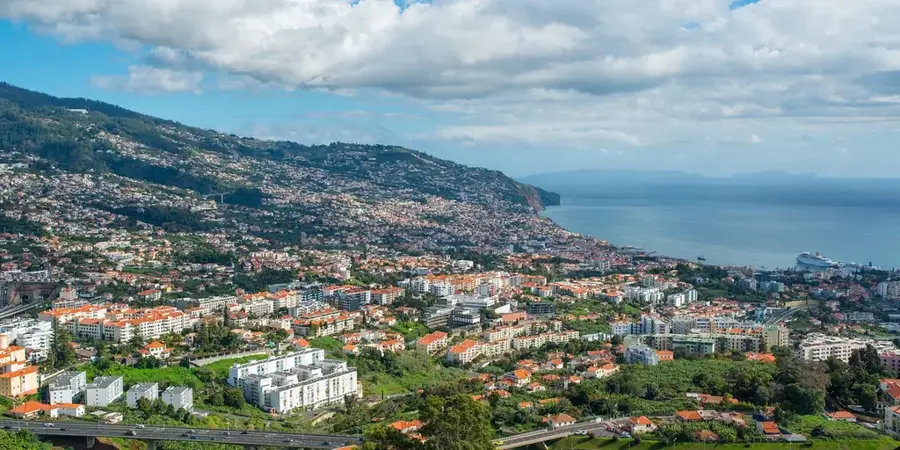
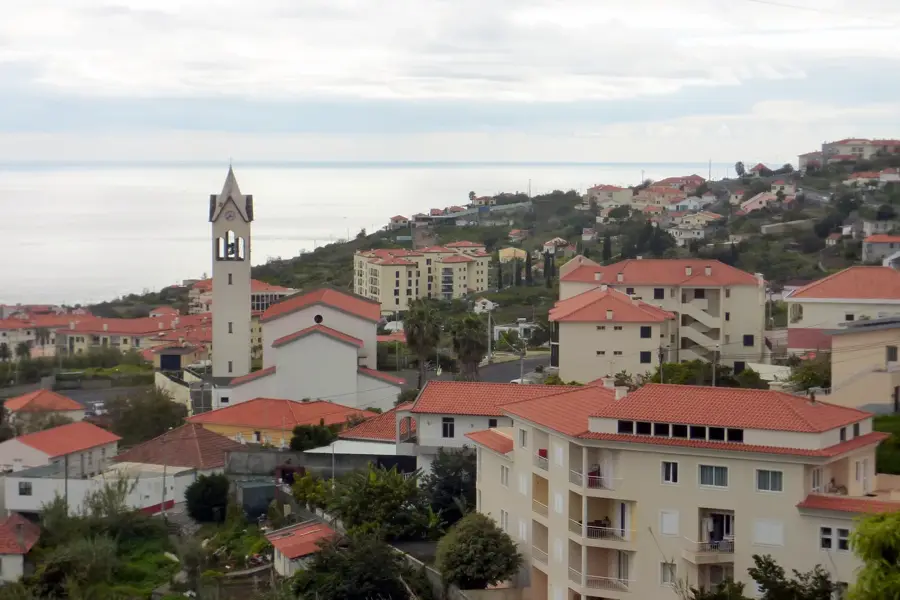

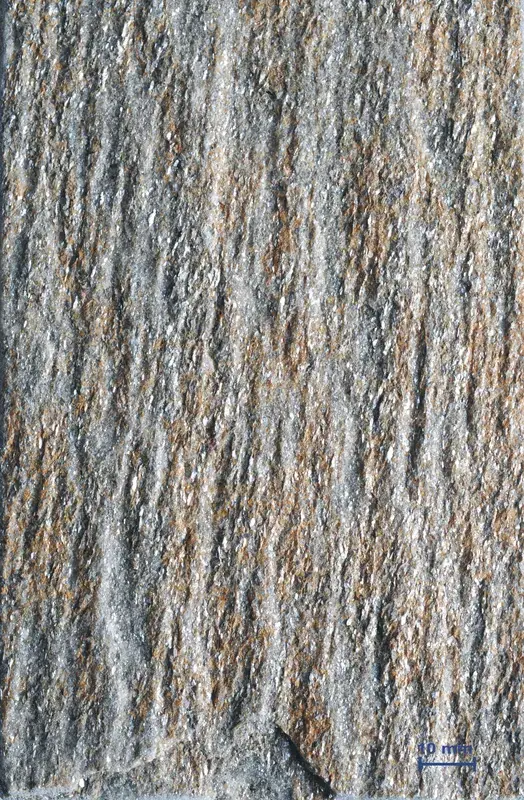

Núcleo Museológico - Rota da Cal🏛 museum
Museum dedicated to the history of lime production in Madeira.
🌐 sites.google.com🕒 Tu-Sa 10:00-17:00
Plizio Visual Lab
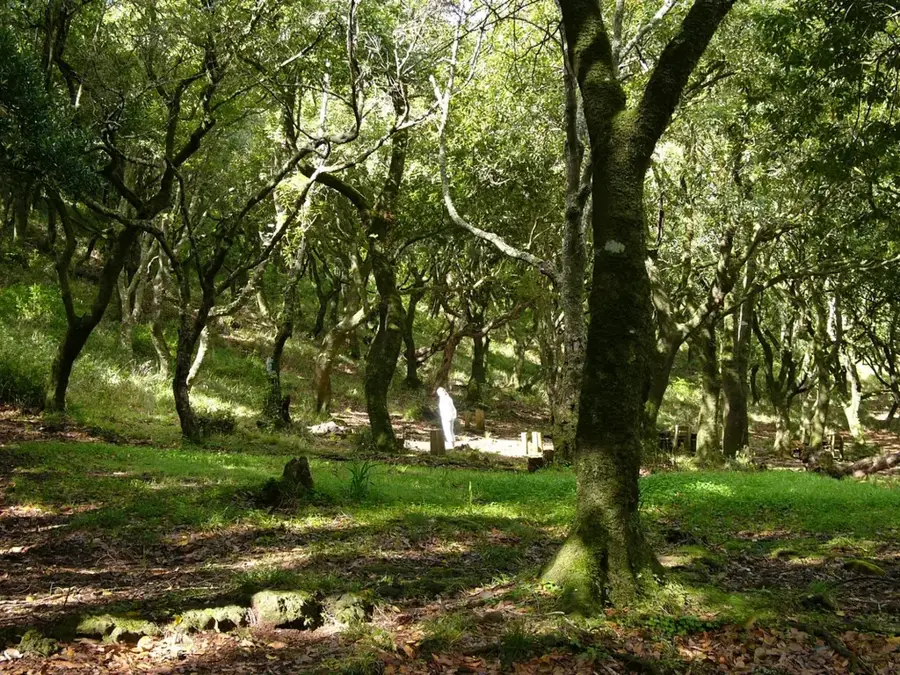
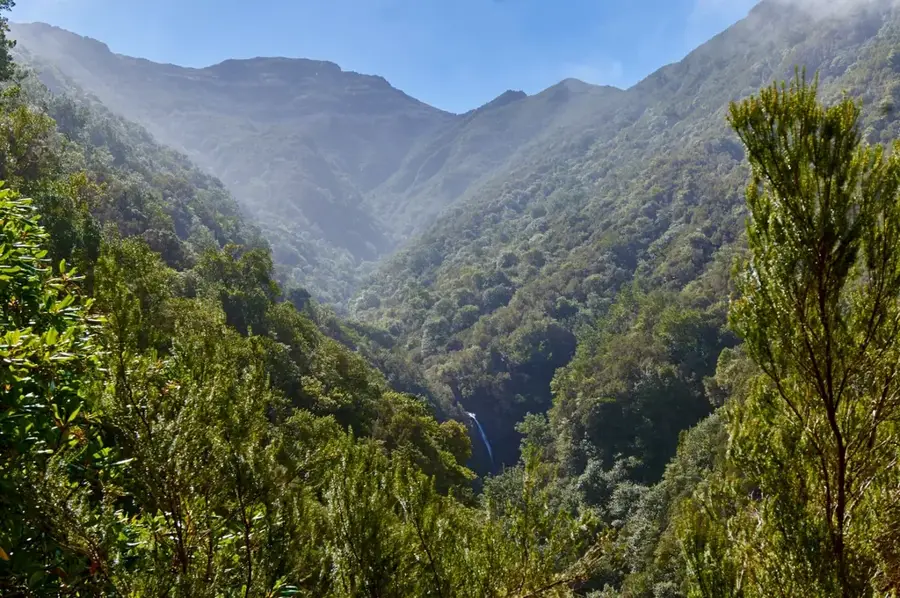
The Laurisilva of Madeira is an outstanding relic of a previously widespread laurel forest type that covered much of Southern Europe 15 to 40 million years ago. Covering approximately 15,000 hectares, it is the largest surviving area of laurel forest in the world and is estimated to be 90% primary forest. It was designated a UNESCO World Heritage site in 1999 due to its exceptional biodiversity and its role as a biological refuge for many endemic species. The forest is characterized by evergreen trees with laurel-like leaves, such as the Til and the Canary Laurel, as well as a rich undergrowth of ferns and mosses. It plays a crucial role in Madeira's hydrological cycle by capturing water from the mist and feeding the island's complex system of irrigation channels known as levadas. The forest is home to unique fauna, including the Trocaz Pigeon, which depends entirely on the laurel berries for its survival.
The most pleasant time to visit is Jun–Aug.
| Jan | Feb | Mar | Apr | May | Jun | Jul | Aug | Sep | Oct | Nov | Dec | |
|---|---|---|---|---|---|---|---|---|---|---|---|---|
| Avg °C | 17 | 17 | 17 | 17 | 18 | 20 | 22 | 23 | 23 | 22 | 20 | 18 |
| Rain mm | 32 | 38 | 40 | 26 | 16 | 8 | 4 | 6 | 18 | 38 | 43 | 45 |
Notable places around
Where do you start? We build the route here, with stops and country notes along the way.
© OpenStreetMap contributors · OpenRouteService
Museum dedicated to the history of lime production in Madeira.