Plizio Visual Lab
Alto Purús National Park

Weather…
Water temperature…
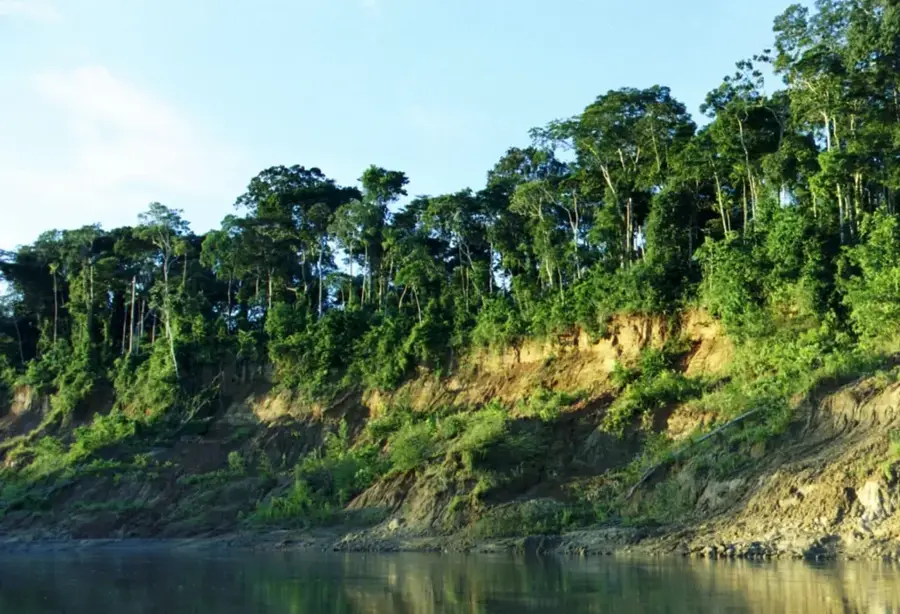
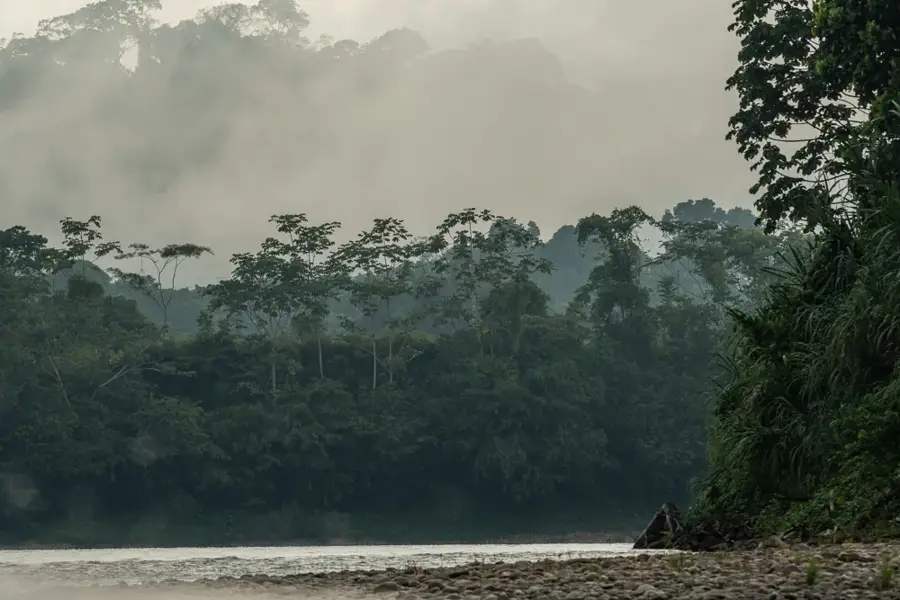
Alto Purús National Park is the largest national park in Peru, covering more than 2.5 million hectares, situated on the remote border with Brazil in the Ucayali and Madre de Dios regions. This vast protected area is of global significance, preserving one of the most pristine rainforest landscapes in the Amazon basin. The park is not only a biodiversity hotspot with massive stands of mahogany trees and jaguars but also serves as the homeland for several indigenous peoples living in voluntary isolation, such as the Mashco-Piro. Historically, the region remained untouched by development due to its extreme isolation, though it faces modern threats from illegal logging and gold mining. The Purús River, which winds through the park, is the primary lifeline for the ecosystem. Safeguarding this park is critical for maintaining the biological and cultural diversity of the entire Amazon region.
Best time to visit & climate
The most pleasant time to visit is Jun–Aug.
| Jan | Feb | Mar | Apr | May | Jun | Jul | Aug | Sep | Oct | Nov | Dec | |
|---|---|---|---|---|---|---|---|---|---|---|---|---|
| Avg °C | 25 | 25 | 25 | 24 | 24 | 24 | 25 | 27 | 28 | 27 | 26 | 25 |
| Rain mm | 257 | 232 | 242 | 157 | 105 | 49 | 28 | 44 | 77 | 147 | 190 | 227 |
📋 Practical info
Geography
Facts
- The park covers a total area of 2,510,694 hectares.
- It was officially established on November 18, 2004.
- The park contains some of the last major stands of genuine mahogany.
- Several indigenous groups live within the park in voluntary isolation.
- The area forms a vast transboundary biological corridor with Brazil.
- There are no permanent roads leading into the interior of the park.
Explore nearby
Notable places around
Route planner — Car & Motorhome
Where do you start? We build the route here, with stops and country notes along the way.
© OpenStreetMap contributors · OpenRouteService
Sights nearby
Frequently asked questions
What is Alto Purús?
Is it touristy?
Who lives there?
Can one visit it?
Why is it important?
Alto Purús National Park: where is it located?
Alto Purús National Park: when is the best time to visit?
Alto Purús National Park: why is it worth visiting?