Plizio Visual Lab

Wadi an-Nar Valley
Plizio editorial teamData Sources
valley
—°5
Wadi an-Nar Valley (Palestinian Territories)

Weather…

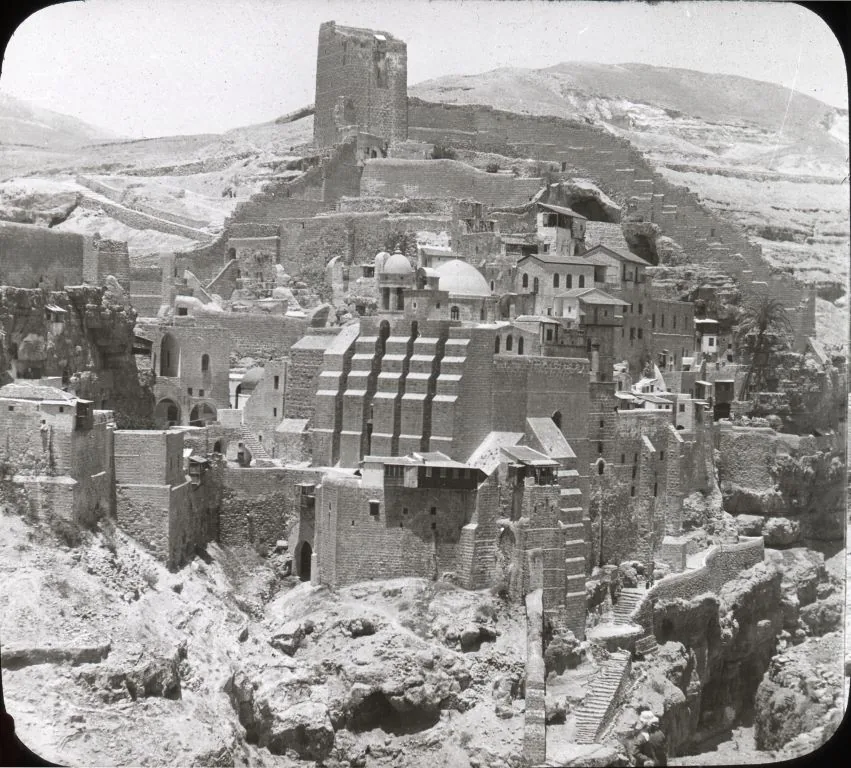
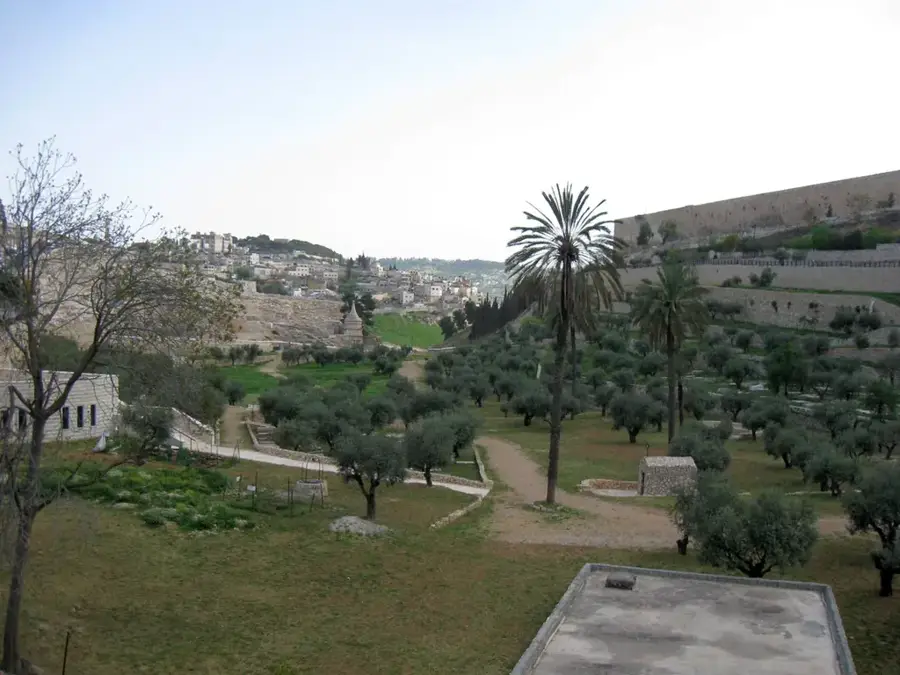
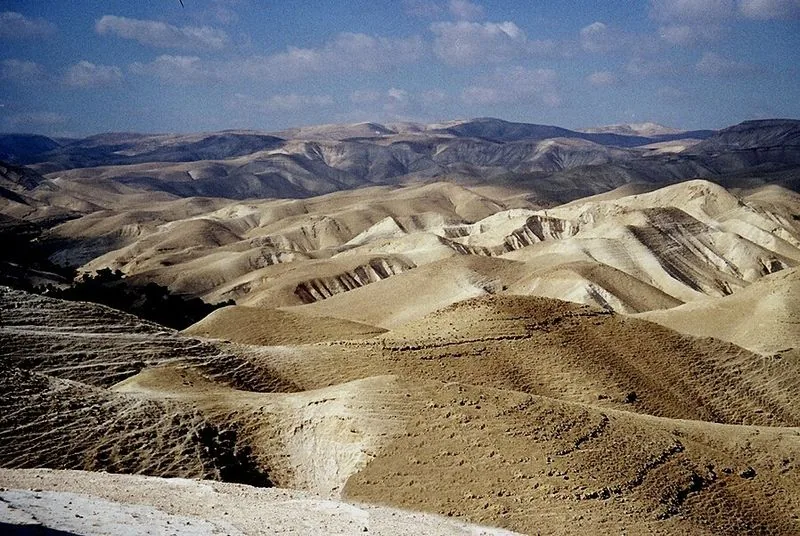
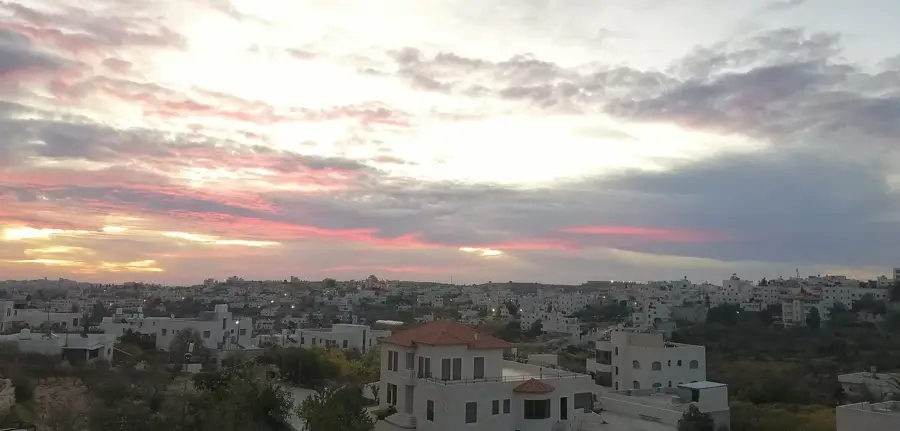
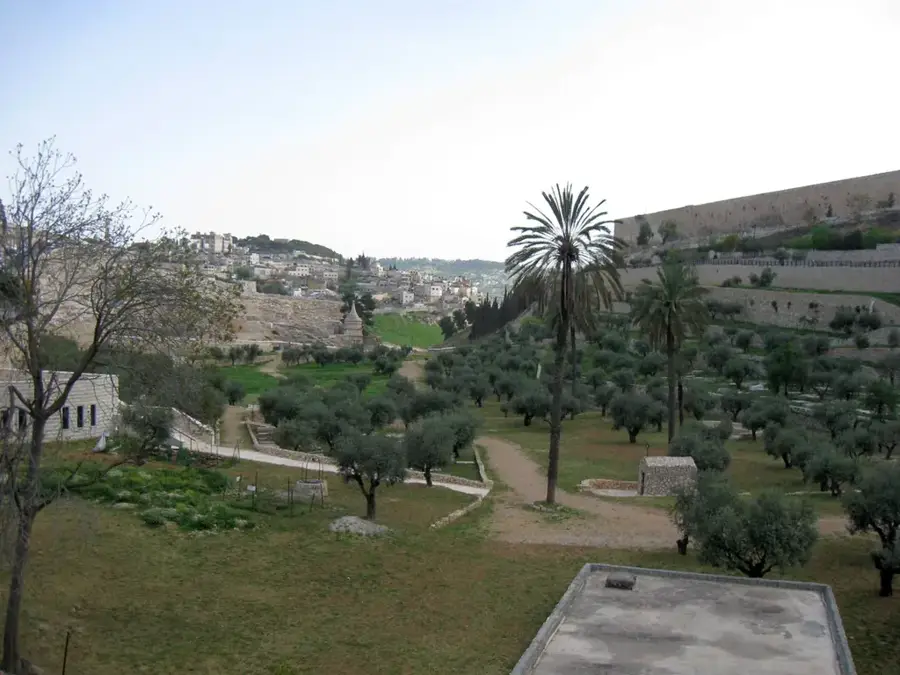
Wadi an-Nar, often referred to as the 'Valley of Fire,' is a wide-open canyon system that carves its way through the rugged limestone of the Judaean Desert. Serving as the natural extension of the Kidron Valley from Jerusalem, it descends sharply toward the Dead Sea, creating a dramatic landscape of steep cliffs and deep gorges. The valley is perhaps most famous for housing the Mar Saba Monastery, a 5th-century Greek Orthodox sanctuary that seems to defy gravity by clinging to the vertical rock faces. This arid environment is home to specialized flora and fauna, such as the Nubian ibex and desert-hardy shrubs that have adapted to the high temperatures. For trekkers and pilgrims, Wadi an-Nar has a profound sense of isolation and raw natural beauty, reflecting centuries of monastic tradition and geological transformation. During winter flash floods, the dry riverbed is briefly revitalized, showcasing the immense erosive power that has shaped this desert icon over millennia.

Best time to visit & climate

The most pleasant time to visit is Apr, Oct, Nov.

JanFebMarAprMayJunJulAugSepOctNovDec
Avg °C121417212629303028251914
Rain mm474223115001162033

📋 Practical info

🧭
Getting there
Accessing this dramatic canyon system generally requires specialized transportation or experienced local guides familiar with the rugged Judean Desert routes. The trails often begin where the Kidron Valley transitions into the deeper desert, requiring careful navigation away from established urban centers.
📅
Best season
The winter and early spring are the only recommended times to explore this deep canyon, as the temperatures are considerably safer. During the summer, the extreme desert heat trapped within the rocky canyon walls makes any significant hiking dangerous and highly unadvisable.
⛰️
Terrain & paths
The landscape is exceptionally rugged, featuring sheer rocky cliffs, steep descents, and a rocky valley floor that demands constant attention. Hikers will face challenging, uneven desert terrain that requires excellent physical fitness and careful foot placement among the specialized desert vegetation.
🎒
What to bring
Heavy-duty hiking boots, comprehensive sun protection, and an abundance of drinking water are absolute necessities for this harsh desert environment. A reliable topographic map, a fully charged communication device, and emergency supplies should always be carried when venturing into this remote canyon system.
🅿️
Parking
Parking is generally extremely limited and typically confined to designated viewpoints or secure areas near the upper edges of the canyon system. Many serious hikers arrange to be dropped off at the starting point and picked up at a designated exit point to avoid leaving a vehicle unattended in the remote desert.
⚠️
Safety
Flash floods are a severe and potentially lethal risk in this canyon during the winter rain season; always check specialized weather forecasts before entering. The sheer drops and crumbling cliff edges require hikers to maintain a safe distance from the precipices at all times to prevent fatal accidents.
⏱️
Time needed
A comprehensive hike through the navigable sections of this dramatic desert canyon is a serious undertaking that typically requires a full, exhausting day. Shorter, exploratory visits to the upper viewpoints or introductory sections usually take about three to four hours for properly prepared, experienced visitors.

Geography

Coordinates
31.71360, 35.28580

Facts

  • Mar Saba Monastery was founded in 483 AD.
  • The name Wadi an-Nar translates to 'Valley of Fire'.
  • It is part of the Kidron drainage system.
  • The canyon reaches depths of over 200 meters.
  • The valley is mentioned in various religious scriptures.
  • It is a key corridor for desert wildlife like ibex.

Explore nearby

Notable places around
Route planner — Car & Motorhome

Where do you start? We build the route here, with stops and country notes along the way.

Vehicle
Only stops with (optional):

© OpenStreetMap contributors · OpenRouteService

Sights in the town Wadi an-Nar Valley (5)

Monastery of St. Theodosius⛪ religious

An ancient monastery built over the cave where the Three Magi are said to have rested.

harzan🌿 nature

A viewpoint offering a wide vista over the rugged landscape of the Wadi an-Nar canyon.

Abu Bakr Al-Siddiq Mosque📍 landmark

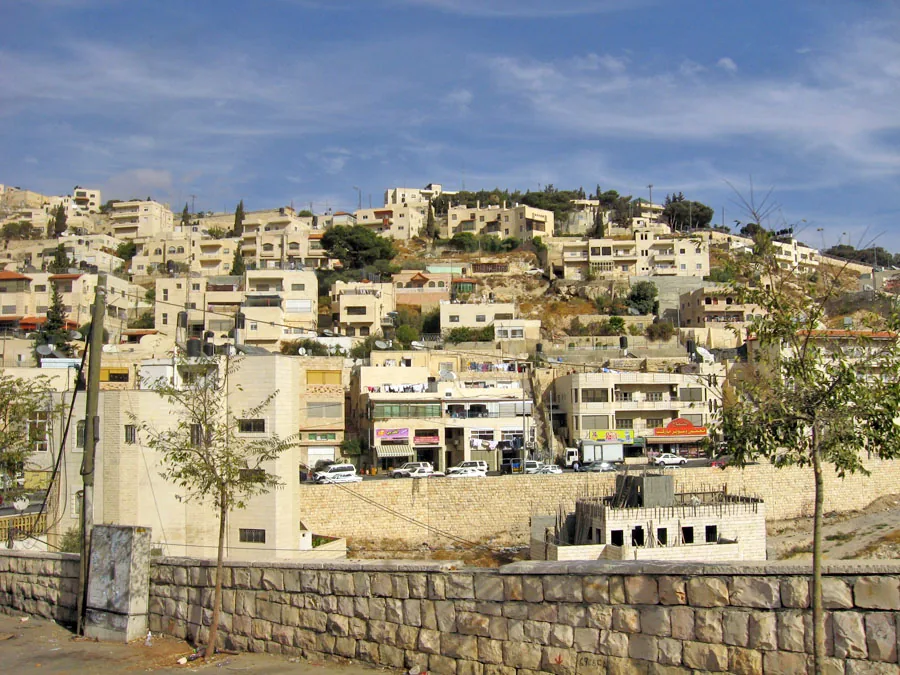
This mosque serves as a local religious center for the residents of the Al-Ubeidiya community.

Al-Shuhada' Mosque📍 landmark

A local Islamic place of worship situated in the hilly region of the Wadi an-Nar valley.

Al-Naser Mosque📍 landmark

A small community mosque that welcomes the faithful residents of Al-Ubeidiya village.

Sights nearby

Frequently asked questions

What is Wadi an-Nar?
A deep valley known for its impressive geological formations.
Is it suitable for hiking?
Only for experienced hikers due to the difficult terrain.
Should you go alone?
No, a companion or a guide is strongly recommended.
Is there tourist infrastructure there?
No, the area is untouched and requires good preparation.
When is the best time to visit?
Cool days in spring offer the best safety and visibility.
Wadi an-Nar Valley: where is it located?
Wadi an-Nar Valley is located in Palestinian Territories.
Wadi an-Nar Valley: what is there to see?
Highlights include Monastery of St. Theodosius, harzan, Abu Bakr Al-Siddiq Mosque.
Wadi an-Nar Valley: when is the best time to visit?
The most pleasant time to visit is Apr, Oct, Nov.
Wadi an-Nar Valley: why is it worth visiting?

Wadi an-Nar, often referred to as the 'Valley of Fire,' is a wide-open canyon system that carves its way through the rugged limestone of the Judaean Desert.
View on map → The Top 50 Attractions → OpenStreetMap →
Asia
Explore with Plizio Discover more places in Asia
More places in Palestinian Territories →

Nearby cities

History & landmarks