Plizio Visual Lab

Wadi al-Dilb Nature Reserve
Plizio editorial teamData Sources
wildlife
—°8
Wadi al-Dilb Nature Reserve (Palestinian Territories)

Weather…

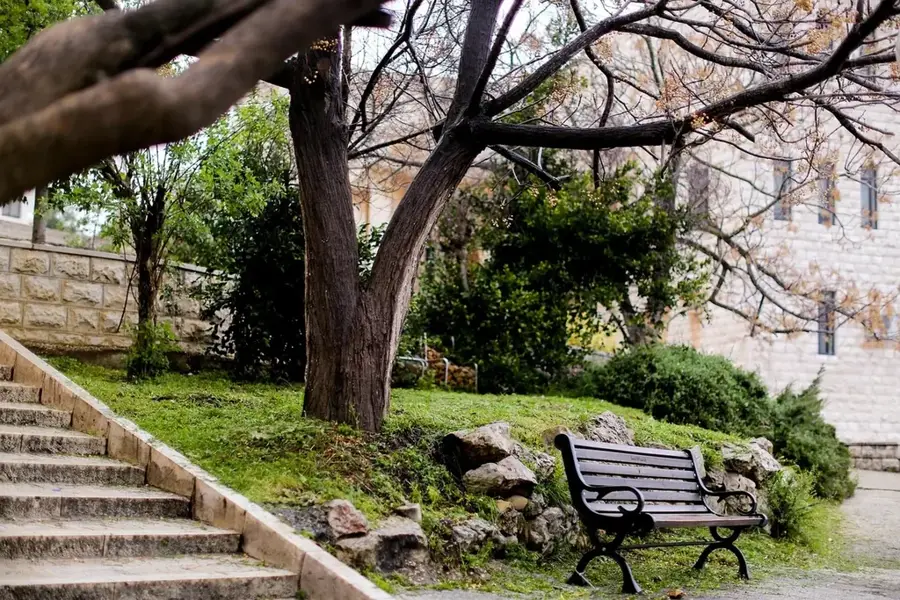
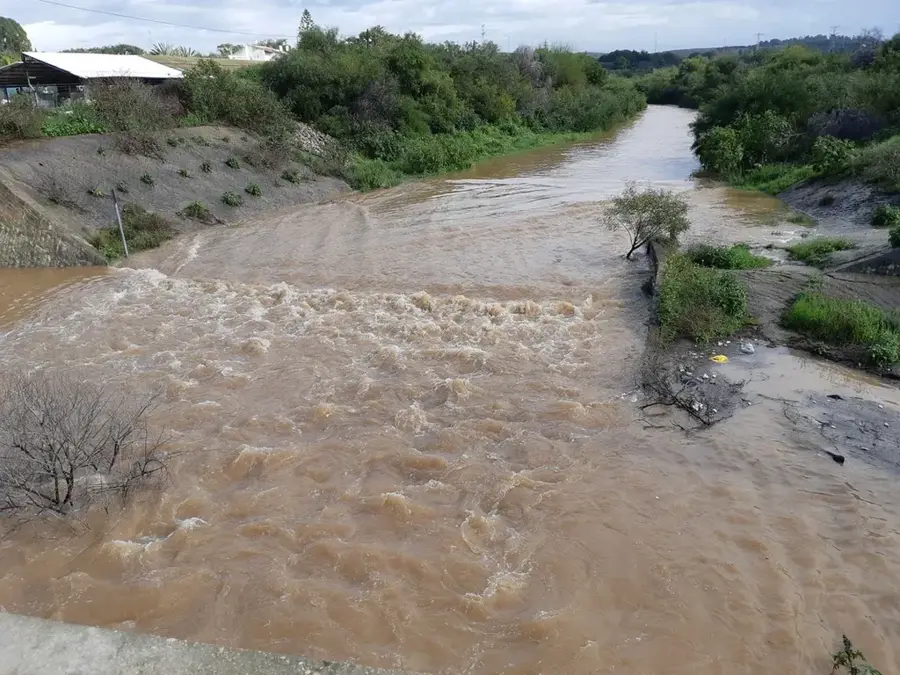
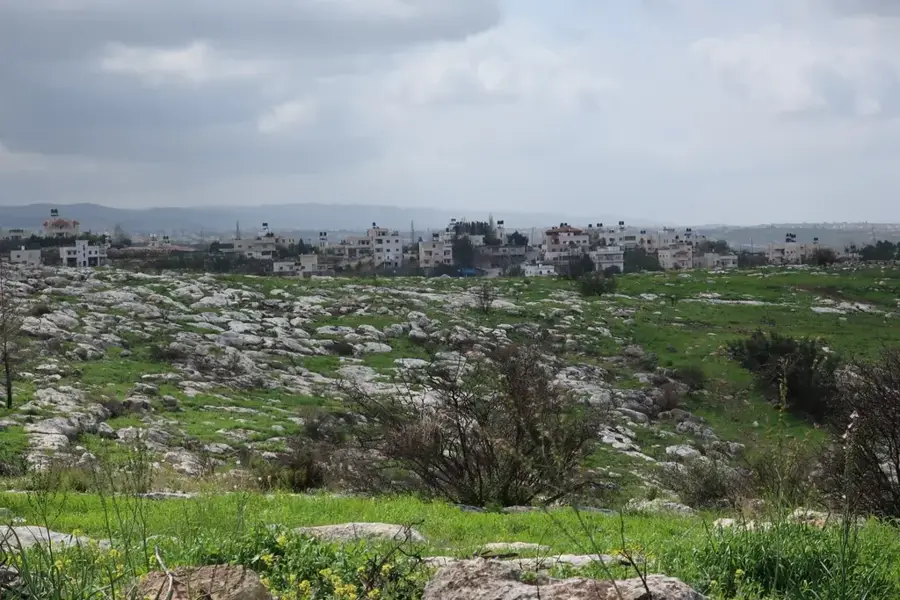
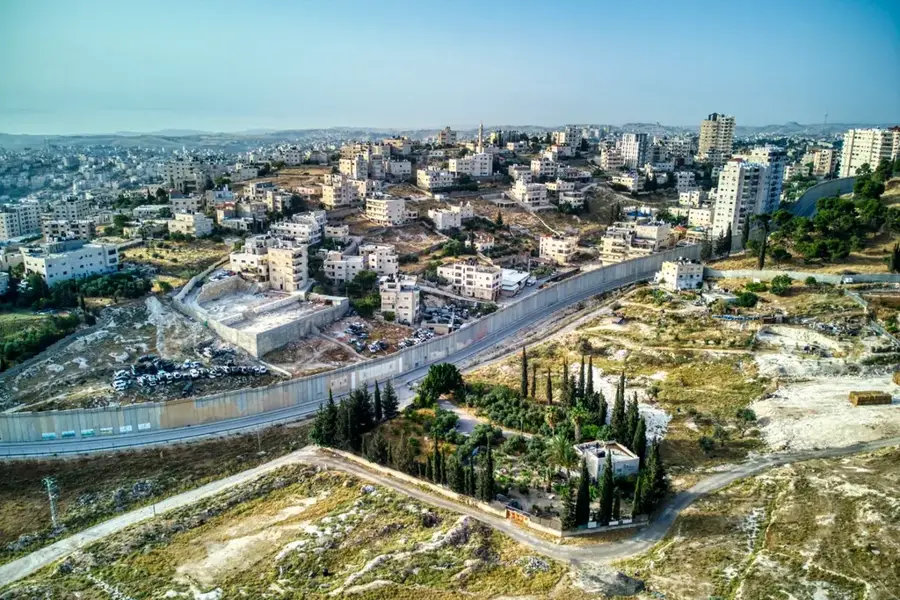
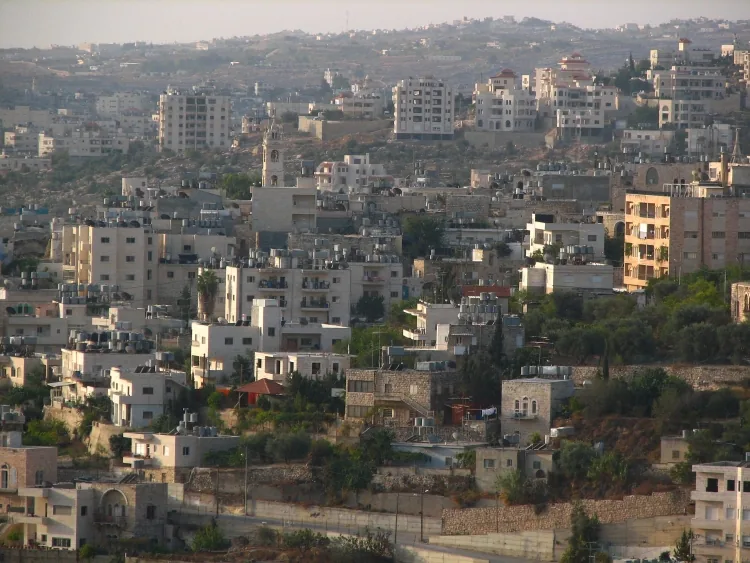
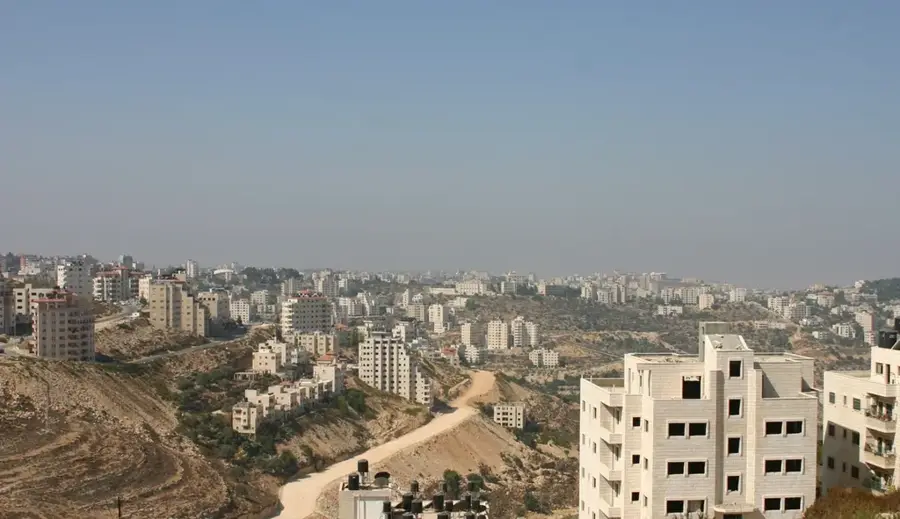
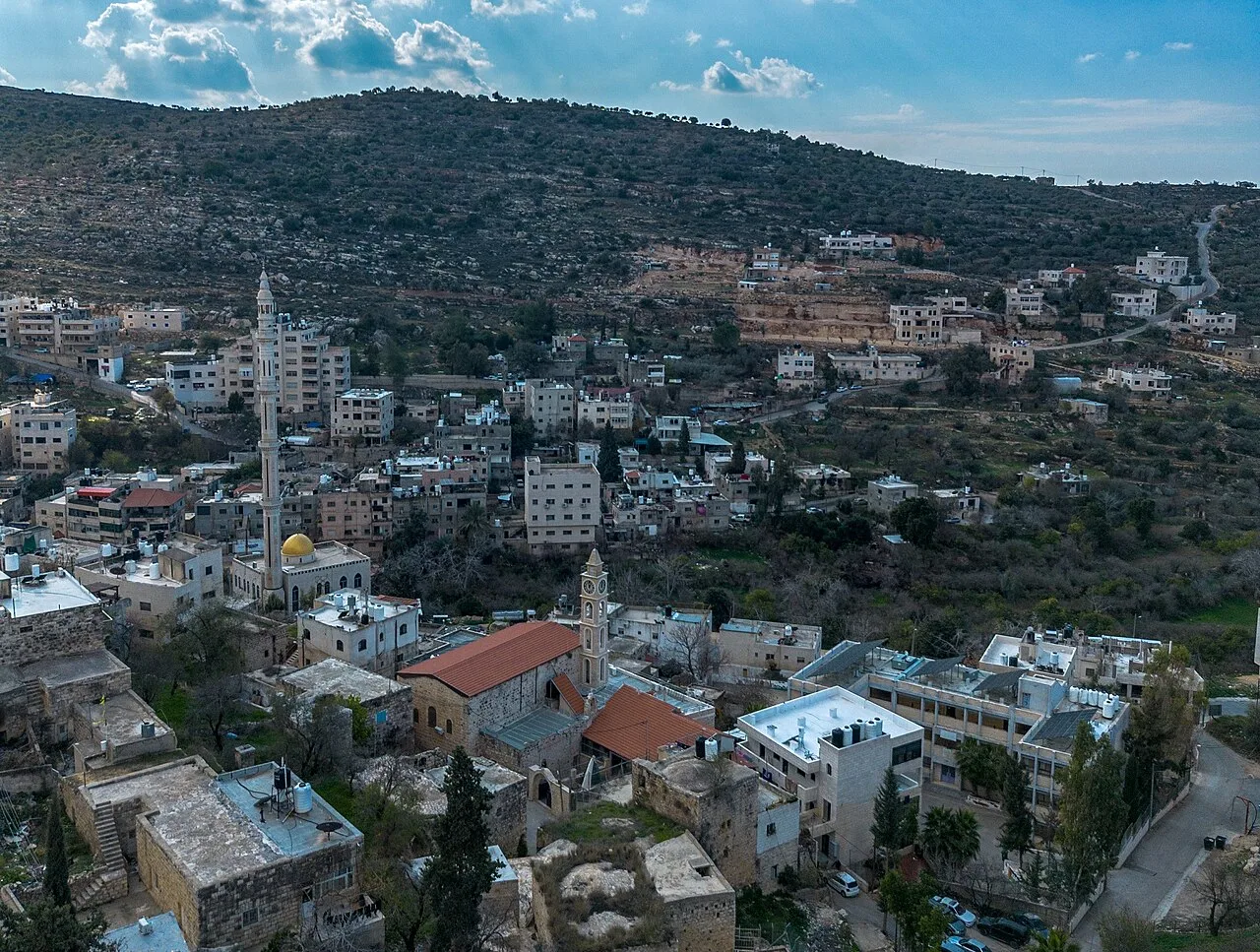
Wadi al-Dilb Nature Reserve, located just west of Ramallah, is a significant ecological sanctuary within the central highlands of Palestine. The wadi is named after the Oriental Plane trees (locally called 'Dilb') that flourish along the valley floor, their broad leaves providing cooling canopy cover during the dry Mediterranean summers. The area is blessed with several natural springs that sustain a lush microclimate, making it a critical refuge for migratory birds and a wide variety of flora, including native cyclamens and orchids. Nearby, the ancient village of Ein Qiniya maintains a historic connection to the wadi, with local farmers continuing to cultivate terraced hillsides using spring water. As a vital ecological corridor, Wadi al-Dilb protects the region's biodiversity from expanding urban development and preserves the traditional rural landscape. For nature enthusiasts, the reserve has serene walking trails that showcase the enduring relationship between the local communities and the life-giving waters of the valley.

Best time to visit & climate

The most pleasant time to visit is May, Jun, Oct.

JanFebMarAprMayJunJulAugSepOctNovDec
Avg °C111215182225272726231814
Rain mm8862372151102144683

📋 Practical info

📅
Best season
Spring is undeniably the most spectacular time to visit, as the natural springs flow generously and wildflowers bloom in abundance. Autumn is also pleasant for exploring the plane tree groves, while summer can dry out some of the water sources.
🌅
Best time of day
Mid-morning to early afternoon is good for observing the diverse insect species and butterflies that become active in the sunshine. Morning visits also offer the refreshing coolness of the shaded areas near the natural water springs.
📜
Etiquette
Protecting the riparian ecosystem means strictly avoiding any pollution of the natural springs or picking the seasonal wildflowers. Visitors should stay on established paths to prevent trampling the sensitive habitats of local ground-dwelling fauna.
🎒
What to bring
Waterproof walking shoes are highly recommended to comfortably navigate the potentially muddy areas near the flowing springs. Bringing a macro lens or binoculars will greatly enhance your ability to observe the intricate details of local insects.
🧭
Getting there
The reserve is situated west of Ramallah, making it relatively reachable via local roads leading out of the city. Coordinating with local environmental groups or hiring a taxi from the city center is usually the most straightforward way to visit.
🦌
What to expect
To fully appreciate the insect life and smaller flora, slow down your pace and sit quietly near the water sources. Taking time to examine the leaves of the plane trees will reveal a thriving micro-ecosystem that fast walkers often miss entirely.

Geography

Coordinates
31.91250, 35.14360

Facts

  • The reserve is located in the central mountains of the West Bank.
  • The eponymous plane trees (Dilb) line the watercourses.
  • The area is part of the central Palestinian highlands.
  • Over 200 different plant species can be found here.
  • The average annual rainfall is 600 mm.
  • Fox and gazelle populations have been sighted here.

Explore nearby

Notable places around
Route planner — Car & Motorhome

Where do you start? We build the route here, with stops and country notes along the way.

Vehicle
Only stops with (optional):

© OpenStreetMap contributors · OpenRouteService

Sights in the town Wadi al-Dilb Nature Reserve (8)

Alsalam🎡 recreation

Alsalam is a water park attraction located in the Palestine-Wadi-Al-Dilb-Life-V2 area.

Dar Zalatimo - Sakiya🎭 culture

Dar Zalatimo - Sakiya serves as an arts centre in the Palestine-Wadi-Al-Dilb-Life-V2 area.

Ein Arik Park🎡 recreation

Ein Arik Park is a water park situated in the Palestine-Wadi-Al-Dilb-Life-V2 region.

Emmaus qubeibe Church📍 landmark

Emmaus qubeibe Church is an attraction located in the Palestine-Wadi-Al-Dilb-Life-V2 area.

Seasonal stone farm house🏺 historical

The seasonal stone farm house is an archaeological site in the Palestine-Wadi-Al-Dilb-Life-V2 area.

Old Mosque🏺 historical

The Old Mosque is an archaeological site situated in the Palestine-Wadi-Al-Dilb-Life-V2 region.

Danny Spring📍 landmark

Danny Spring is a well-known natural spring located in the Palestine-Wadi-Al-Dilb-Life-V2 region.

Alomari Mosque📍 landmark

The Alomari Mosque is an Islamic place of worship in palestine-wadi-al-dilb-life-v2.

Sights nearby

Frequently asked questions

Is Wadi al-Dilb a nature reserve?
Yes, it is known for its rich biodiversity.
When is the best time to spot wildlife?
Chances are highest at twilight.
Are there marked hiking trails?
There are few official paths; orientation is important.
Is the hike strenuous?
Yes, the hilly terrain requires good fitness.
Can you picnic in the reserve?
Only in designated areas to avoid disturbing nature.
Wadi al-Dilb Nature Reserve: where is it located?
Wadi al-Dilb Nature Reserve is located in Palestinian Territories.
Wadi al-Dilb Nature Reserve: what is there to see?
Highlights include Alsalam, Dar Zalatimo - Sakiya, Ein Arik Park.
Wadi al-Dilb Nature Reserve: when is the best time to visit?
The most pleasant time to visit is May, Jun, Oct.
Wadi al-Dilb Nature Reserve: why is it worth visiting?

Wadi al-Dilb Nature Reserve, located just west of Ramallah, is a significant ecological sanctuary within the central highlands of Palestine.
View on map → The Top 50 Attractions → OpenStreetMap →
Asia
Explore with Plizio Discover more places in Asia
More places in Palestinian Territories →

Nearby cities

History & landmarks