Plizio Visual Lab

Wadi Natuf
Plizio editorial teamData Sources
valley
—°12
Wadi Natuf (Palestinian Territories)

Weather…

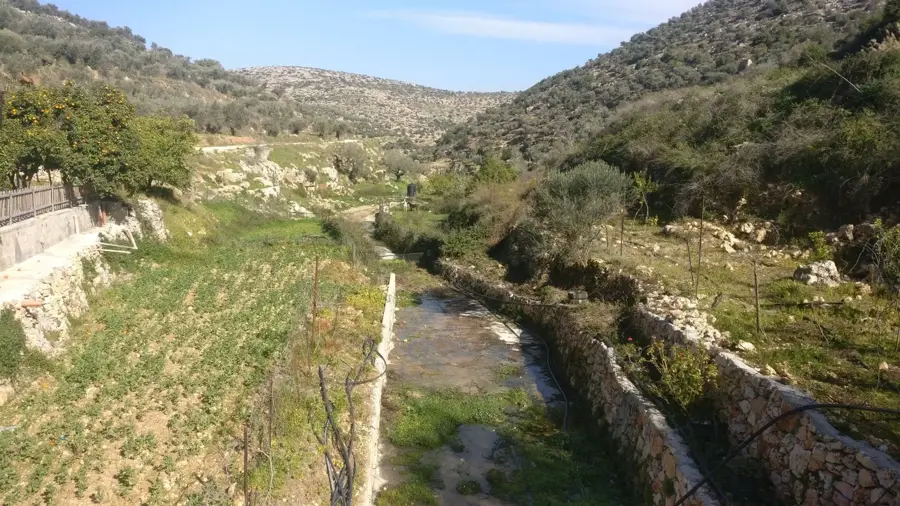
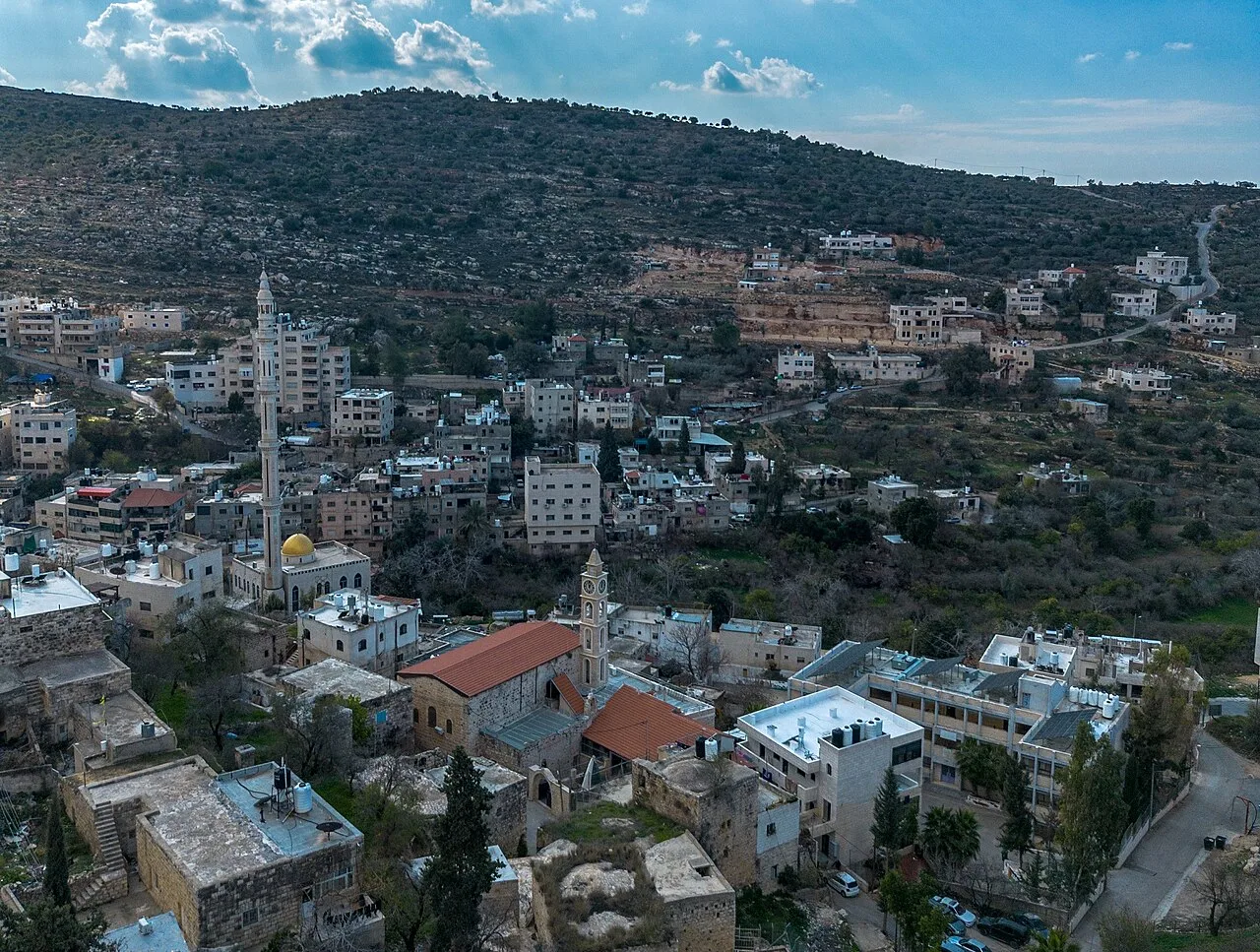
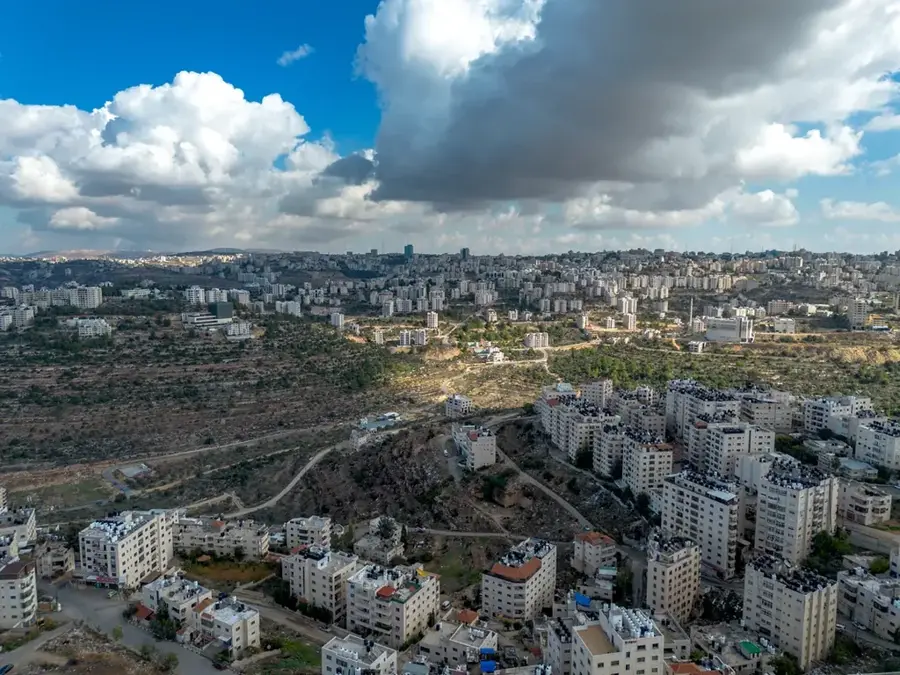
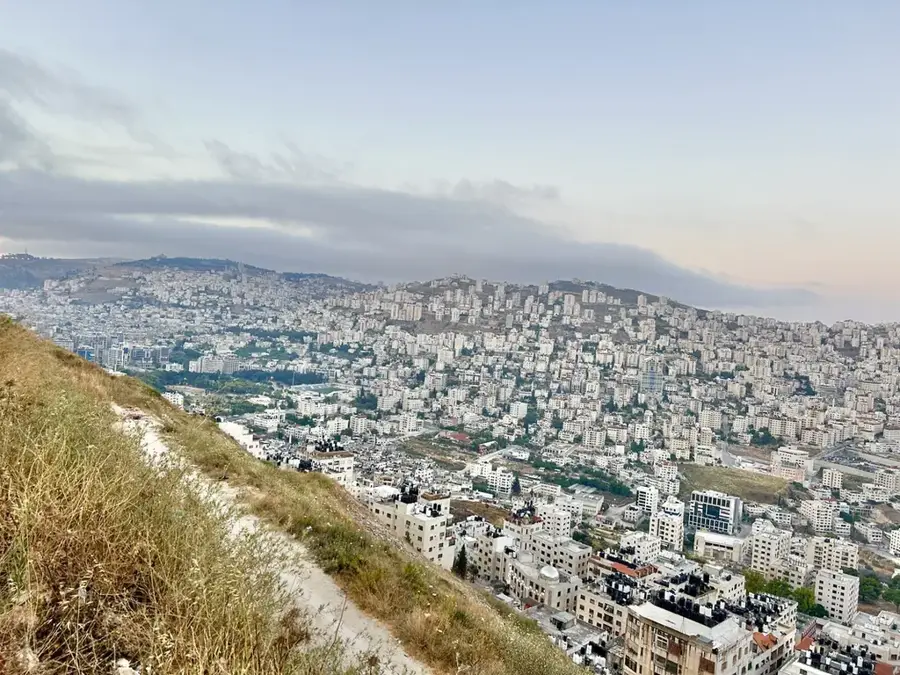
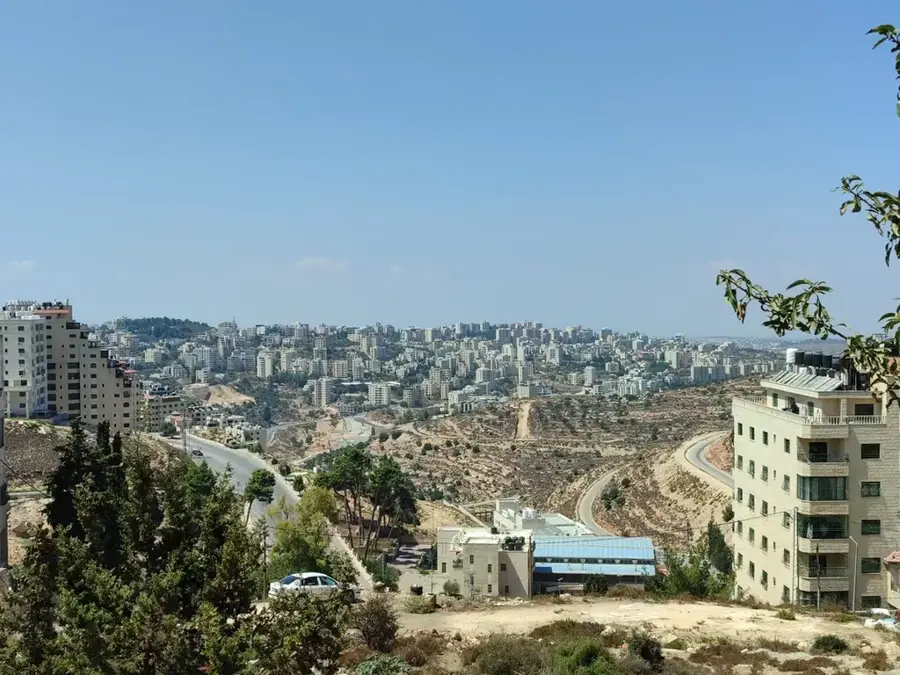
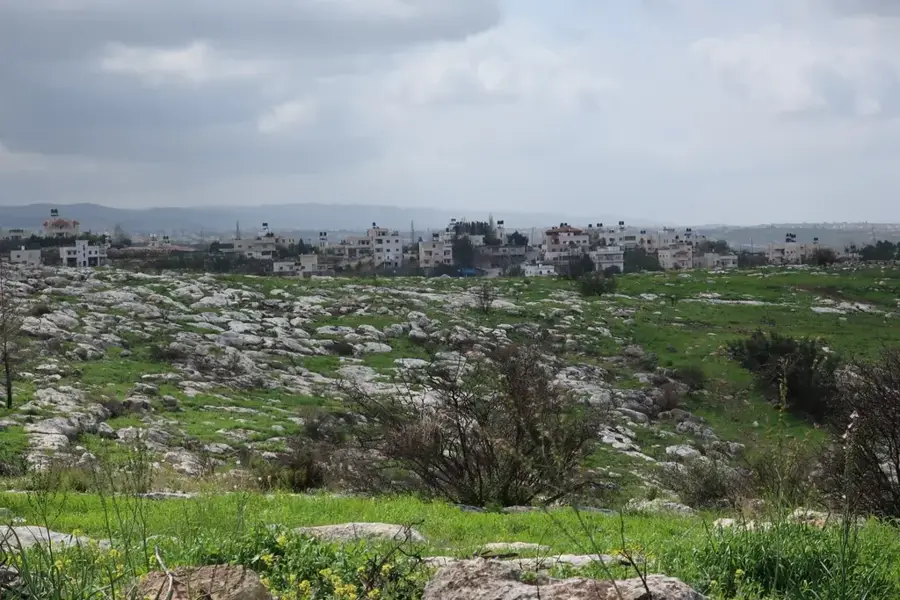
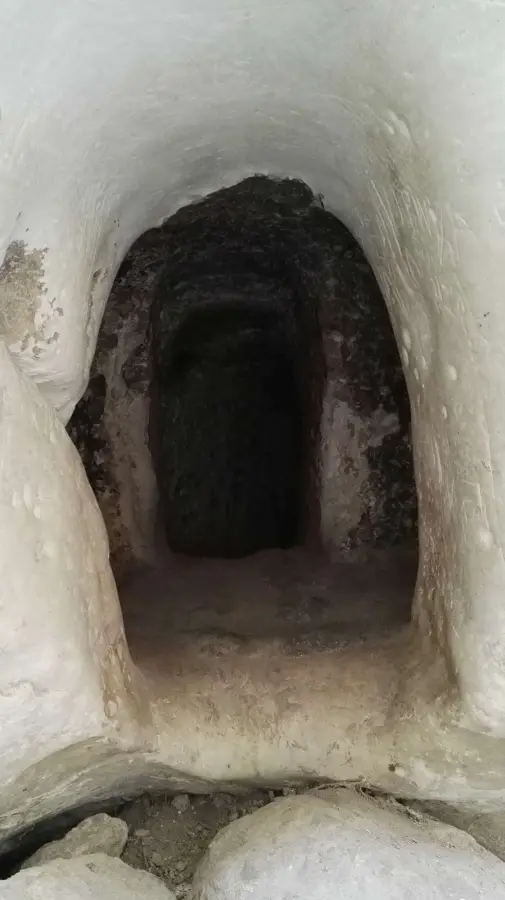
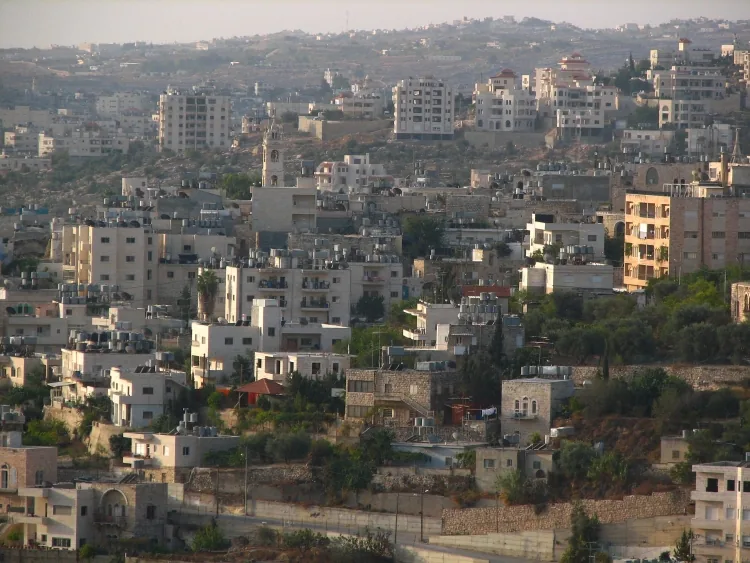
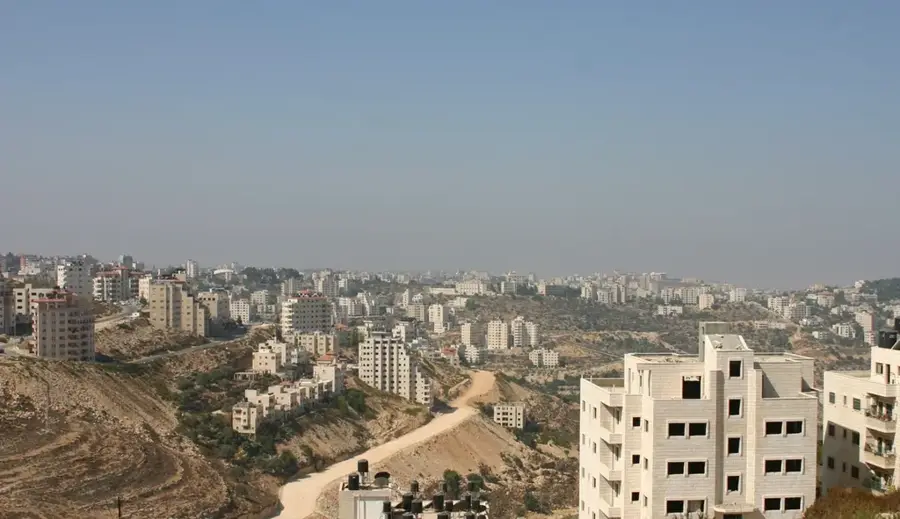
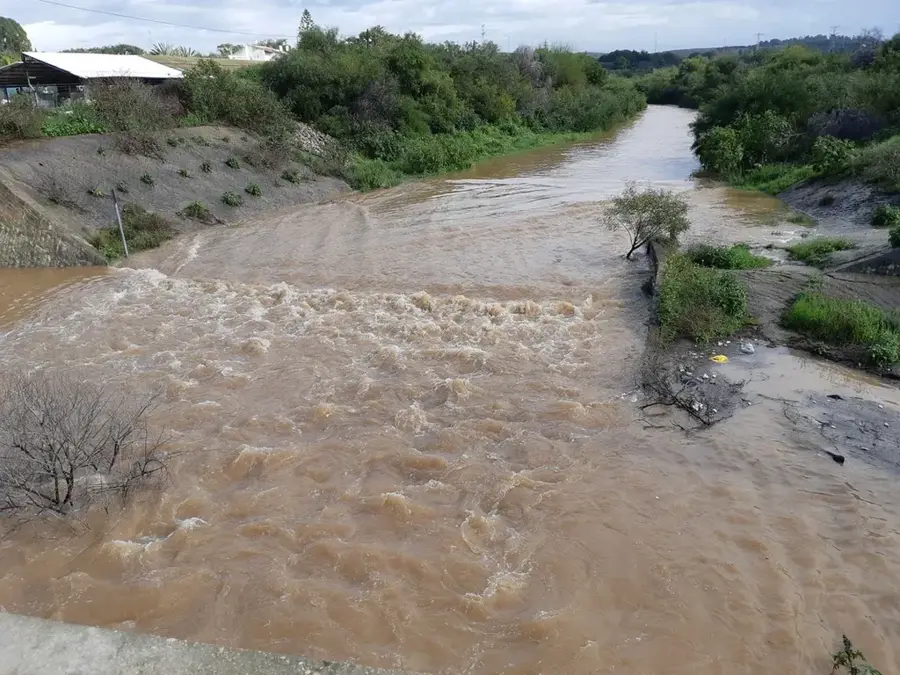
Wadi Natuf, located northwest of Ramallah, is a site of paramount importance for understanding the evolution of human society. The valley is the namesake for the Natufian culture, an Epipaleolithic population that lived around 12,000 to 9,500 BC and initiated the historic shift from a nomadic hunter-gatherer lifestyle to permanent settlements. The Shukba Cave, located within the valley's limestone cliffs, serves as a key archaeological landmark where early evidence of cereal cultivation and animal domestication was unearthed. Geographically, the wadi features a rugged karst landscape with diverse Mediterranean flora, including scrub oaks and wild pistachio trees. This unique combination of prehistoric significance and natural beauty makes Wadi Natuf a compelling destination for those interested in the origins of civilization and the ecological heritage of the West Bank.

Best time to visit & climate

The most pleasant time to visit is May, Jun, Oct.

JanFebMarAprMayJunJulAugSepOctNovDec
Avg °C111215182225272726231814
Rain mm8862372151102144683

📋 Practical info

🧭
Getting there
This significant valley is usually accessed from the roads northwest of Ramallah, with various trails starting near local Palestinian villages leading down into the archeological areas.
📅
Best season
Spring is exceptionally beautiful with blooming wildflowers, and autumn provides pleasant cooler temperatures, making these seasons well-suited for hiking and exploring the historical sites.
⛰️
Terrain & paths
The landscape features a mix of rugged limestone hills, dry riverbeds, and unpaved rocky tracks that demand careful navigation and a moderate level of outdoor experience.
🎒
What to bring
Proper ankle-supporting boots, ample sun protection, and plenty of drinking water are strictly necessary, while trekking poles can be very helpful on the uneven descents.
🅿️
Parking
Secure parking is virtually absent; visitors typically leave their vehicles informally in the nearest village centers and proceed on foot towards the valley entrances.
⚠️
Safety
Navigating unmarked trails can be confusing, so employing a local guide is often recommended, and one must remain alert to the typical hazards of remote, dry environments.
⏱️
Time needed
Exploring the rich historical features and taking a moderate hike through the valley generally consumes roughly three to five hours of the day.

Geography

Coordinates
31.97000, 35.10000

Facts

  • Site of the Natufian culture (c. 12,500–9,500 BC)
  • Discovery of Shuqba Cave by Dorothy Garrod in 1928
  • Located in the Ramallah and al-Bireh Governorate
  • Evidence of early cereal cultivation found
  • Part of a biosphere reserve in the region
  • Natural occurrence of wild pistachio and carob trees

Explore nearby

Notable places around
Route planner — Car & Motorhome

Where do you start? We build the route here, with stops and country notes along the way.

Vehicle
Only stops with (optional):

© OpenStreetMap contributors · OpenRouteService

Sights in the town Wadi Natuf (12)

Artabba Fortress🏺 historical

The ruins of an ancient fortress located in the Wadi Natuf region.

Ein Meir📍 landmark

A natural spring in Wadi Natuf, known for its vaulted stone arch.

Ebn Samhan Castle🏰 castle

A historical castle building situated in the natural landscape of Wadi Natuf.

Khirbet esh Shuna🏺 historical

Archaeological remains of an ancient settlement in Wadi Natuf.

Khirbet Jifna🏺 historical

The ruins of a historical site in the Wadi Natuf region.

British Old Castle🏰 castle

A historical castle in Wadi Natuf dating back to the British Mandate period.

Nili lookout🌿 nature

A viewpoint near Nili offering panoramic views over Wadi Natuf.

Shuqba Cave🌿 nature

An important prehistoric cave in Wadi Natuf, a key site of the Natufian culture.

Deir Nidham Forest🌿 nature

A protected forest area and nature reserve in the Wadi Natuf region.

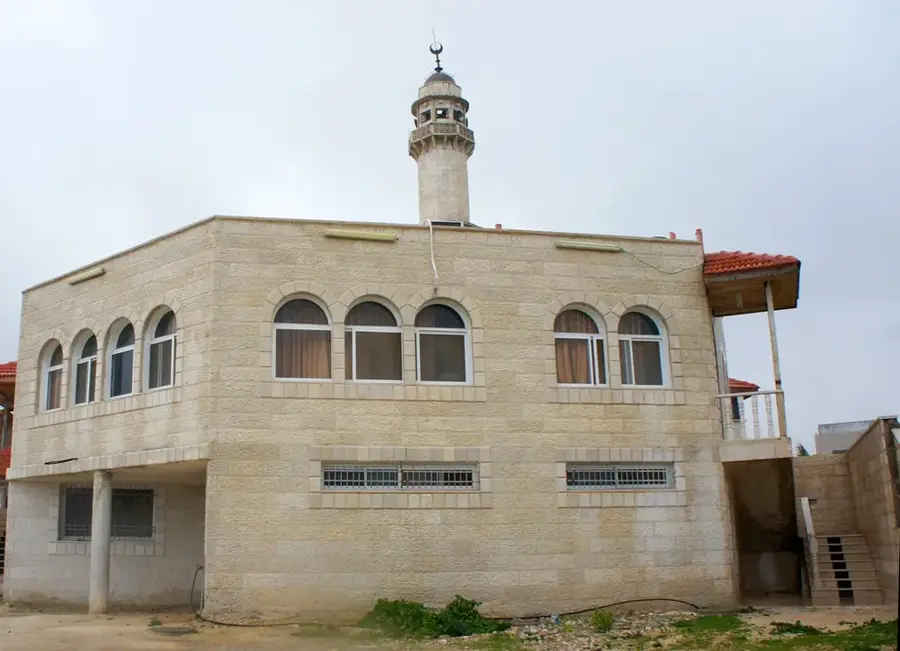
Al Sadek Mosque📍 landmark

A Muslim mosque serving the local community in the Wadi Natuf region.

Bil'in Mosque📍 landmark

A local mosque in the Wadi Natuf area.

prince masjed⛪ religious

A local place of worship in the Wadi Natuf area.

Sights nearby

Frequently asked questions

Why is Wadi Natuf important?
It is a significant archaeological site.
Can one visit the sites?
Yes, the valley is known for research.
Is hiking there easy?
There are moderate hiking routes.
Are there amenities there?
No, it is a natural area.
What is the best season?
Spring for the best nature experience.
Wadi Natuf: where is it located?
Wadi Natuf is located in Palestinian Territories.
Wadi Natuf: what is there to see?
Highlights include Artabba Fortress, Ein Meir, Ebn Samhan Castle.
Wadi Natuf: when is the best time to visit?
The most pleasant time to visit is May, Jun, Oct.
Wadi Natuf: why is it worth visiting?
Wadi Natuf, located northwest of Ramallah, is a site of paramount importance for understanding the evolution of human society.
View on map → The Top 50 Attractions → OpenStreetMap →
Asia
Explore with Plizio Discover more places in Asia
More places in Palestinian Territories →

Nearby cities

History & landmarks