Plizio Visual Lab

Hebron Hills
Plizio editorial teamData Sources
Mountain
—°7
Hebron Hills (Palestinian Territories)

Weather…

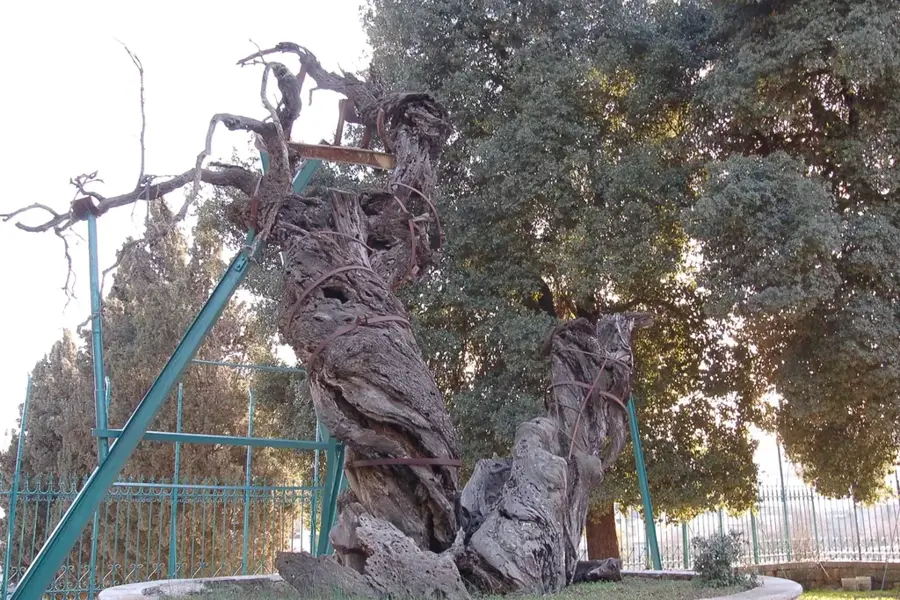
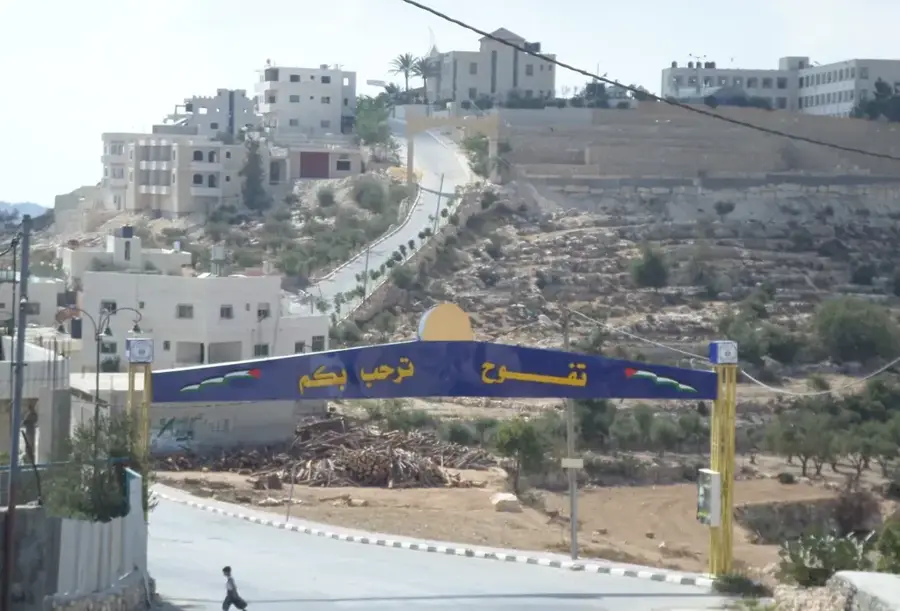
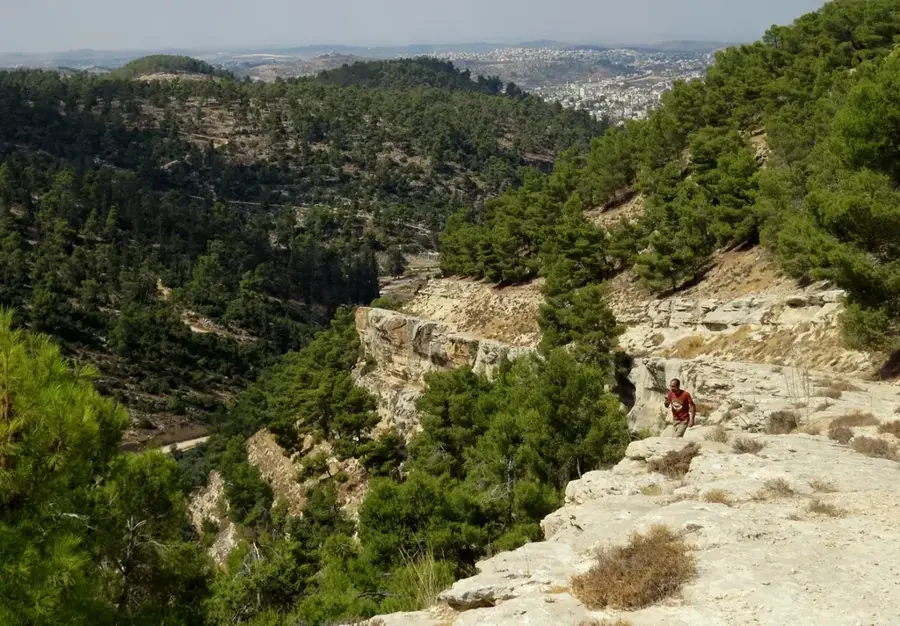
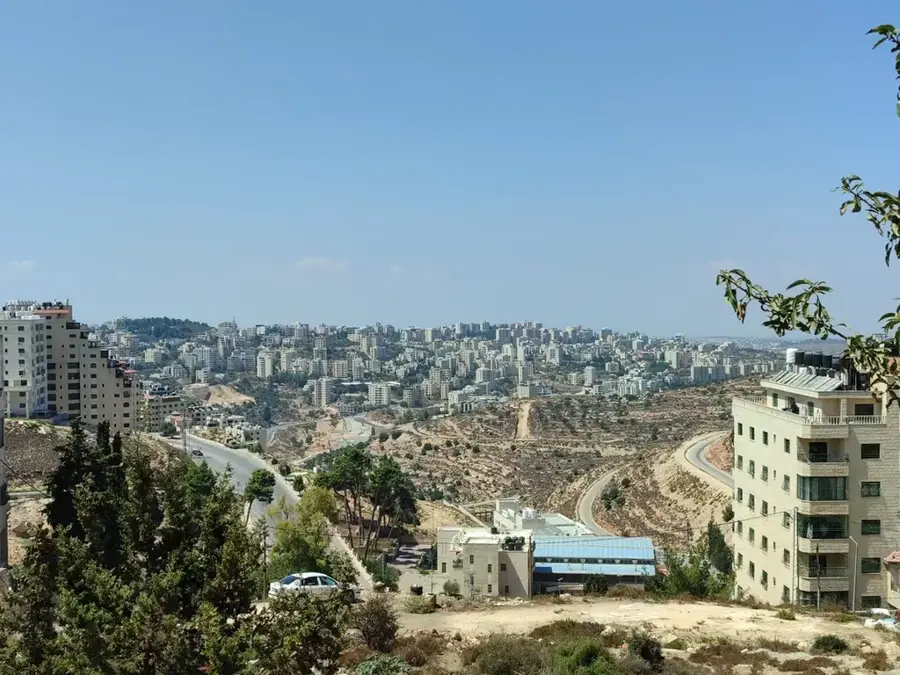
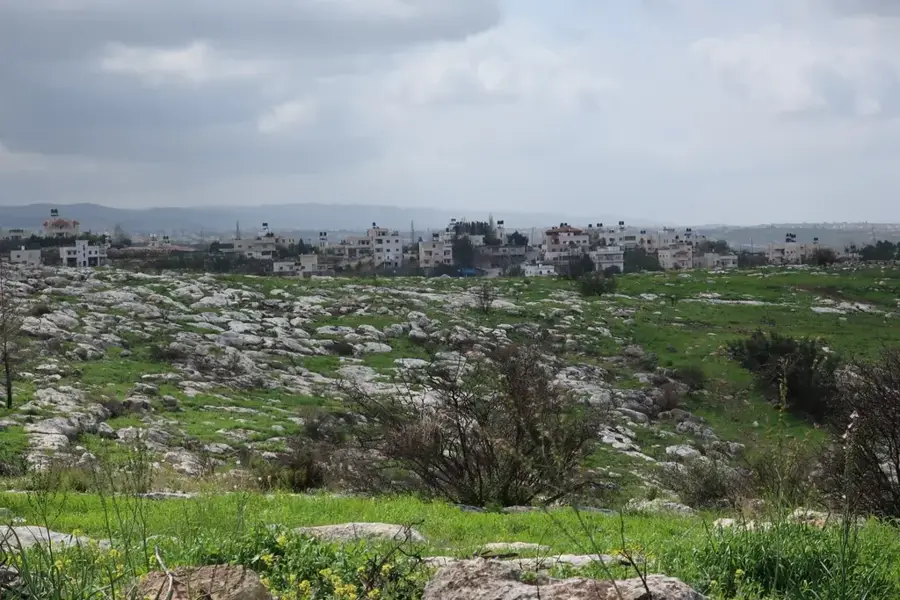
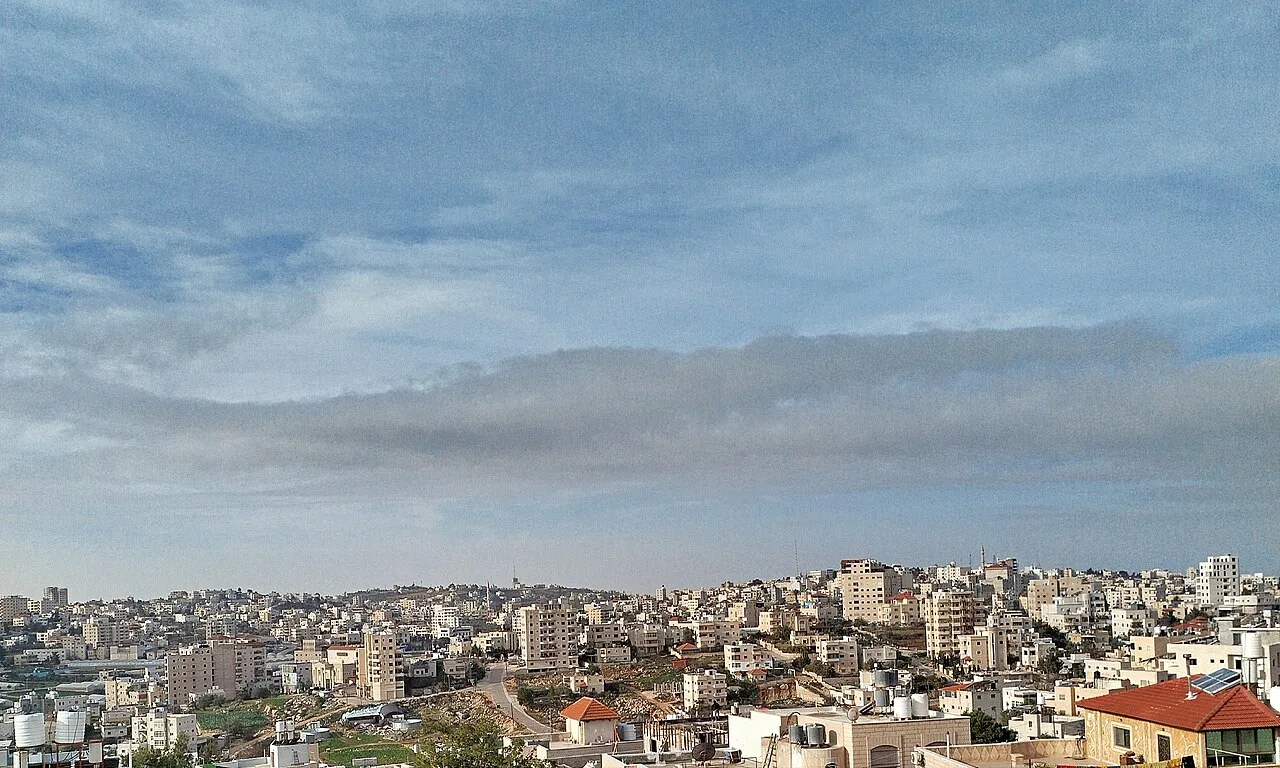
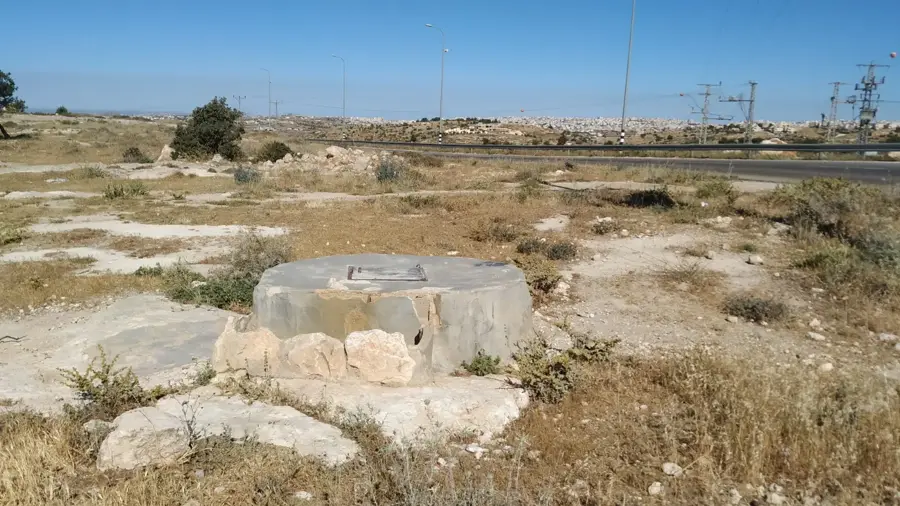
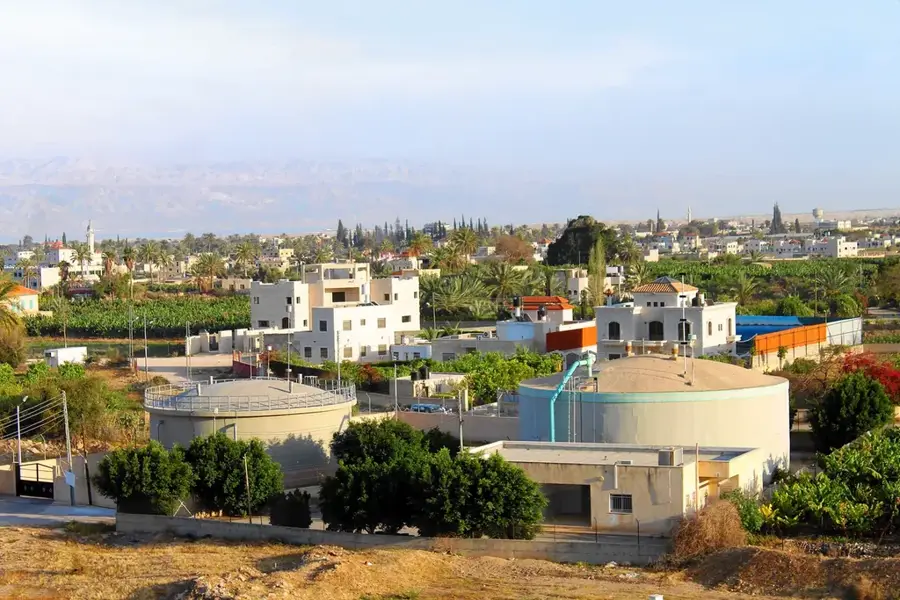
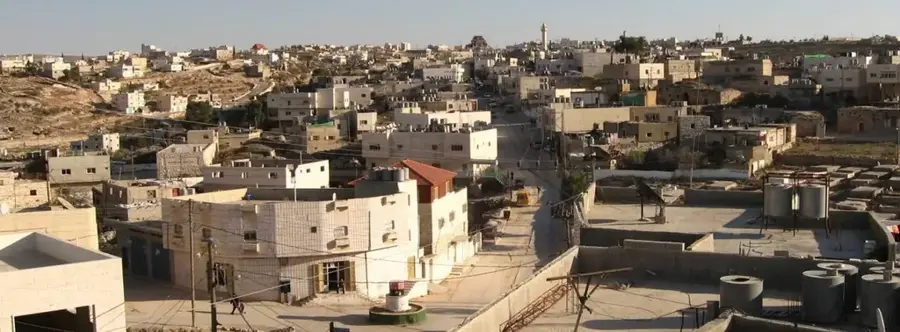
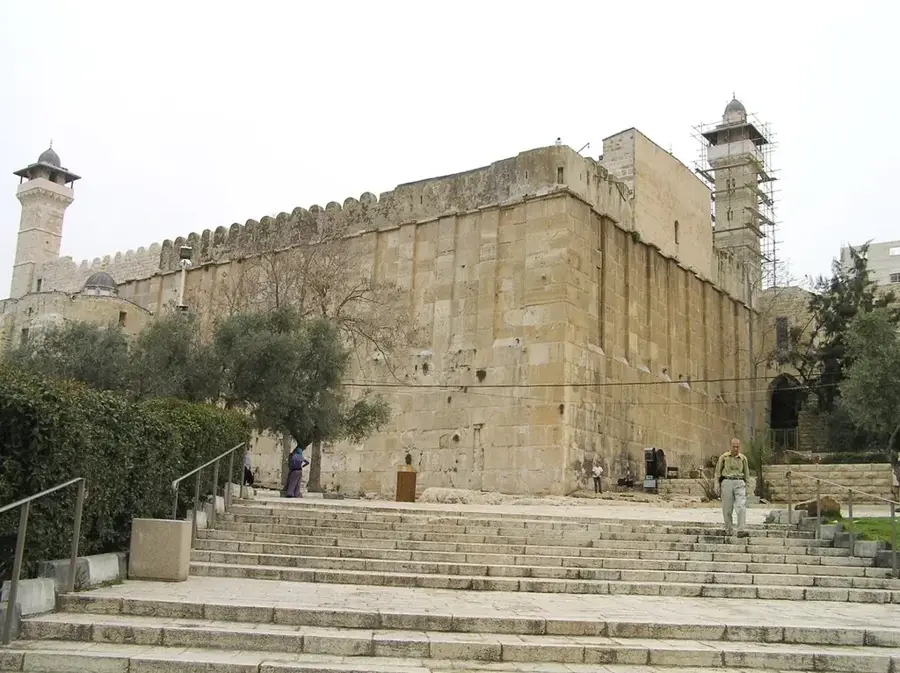
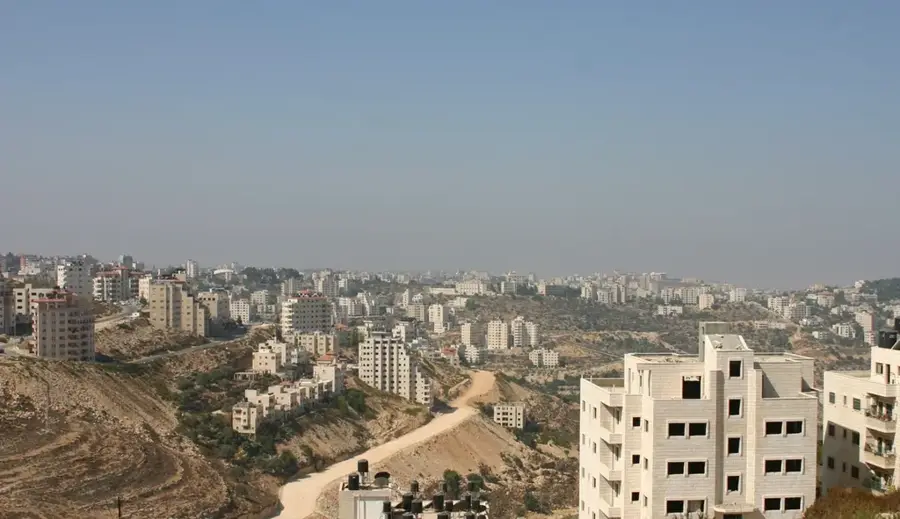
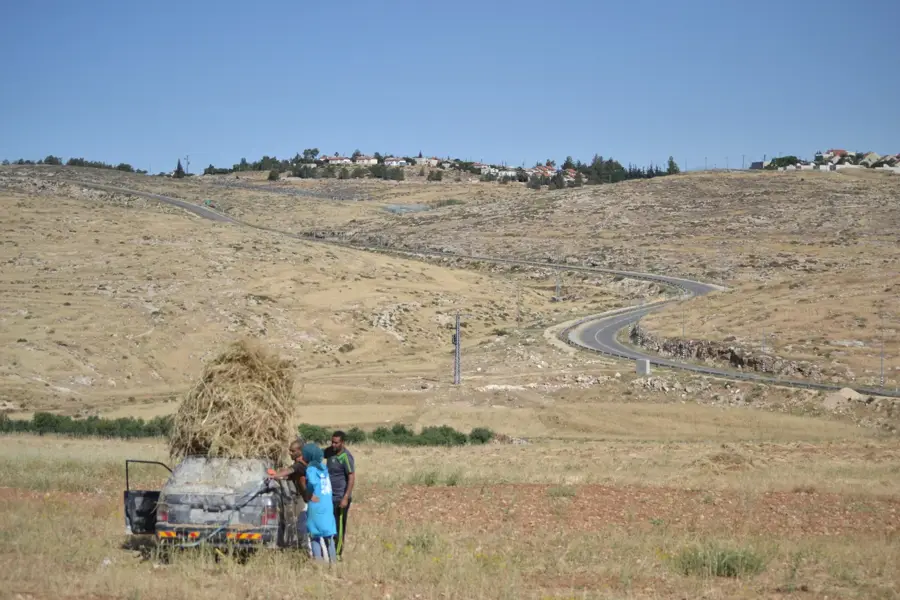
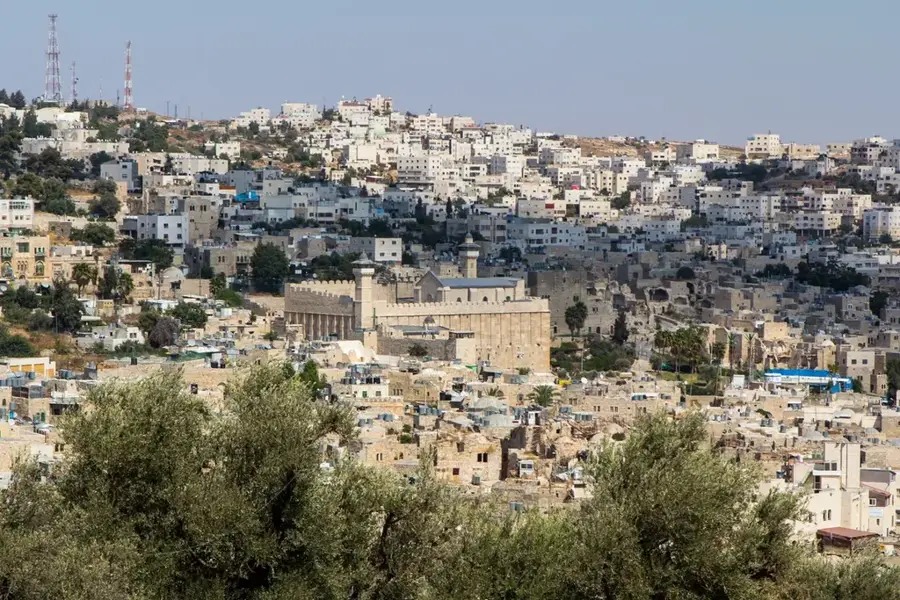
The Hebron Hills, forming the southern portion of the central highlands in the West Bank, are a region of rugged beauty and ancient agricultural traditions. Characterized by rocky limestone slopes that rise above 1,000 meters, the landscape is defined by its extensive system of stone-walled terraces. These terraces have been used for millennia to cultivate olives and, most notably, grapes, for which the region is historically famous. The elevated altitude provides a cooler climate than the surrounding valleys, creating well-suited conditions for viticulture and occasionally bringing snow in the winter months. The hills are home to numerous archaeological sites, including ancient presses, cisterns, and ruins that tell the story of the area's long human history. Beyond farming, the Hebron Hills offer dramatic vistas, with the Judean Desert falling away to the east and the coastal plains visible to the west on clear days. It is a land where traditional pastoral life continues to thrive amidst a landscape of deep cultural and historical significance.

Best time to visit & climate

The most pleasant time to visit is Apr, May, Oct.

JanFebMarAprMayJunJulAugSepOctNovDec
Avg °C101215182225272725221712
Rain mm5942271540102123148

📋 Practical info

🧭
Getting there
The region is typically explored via a network of regional and local roads extending south from Hebron; utilizing a private vehicle or booking a guided tour is highly recommended to properly navigate the rural agricultural routes and terraced slopes.
📅
Best season
The late summer and early autumn are culturally and scenically animated times to visit, aligning perfectly with the grape harvest season, when the extensive vineyards are bustling with activity and the weather is generally mild.
⛰️
Terrain & paths
Expect undulating, hilly landscapes dominated by ancient agricultural terraces and stony soil; walking between the vineyards involves moderate physical exertion over uneven, rocky ground that characterizes this historical highland region.
🎒
What to bring
Solid walking boots are necessary for the rocky paths; additionally, carrying sun protection, sufficient drinking water, and perhaps a small daypack for purchasing local agricultural produce like fresh grapes directly from farmers is a good idea.
🅿️
Parking
When stopping to admire the scenery or explore specific terraced plots, visitors mostly rely on informal, safe pull-offs alongside the narrow rural roadways, as established large-scale tourist parking lots are uncommon in this agricultural zone.
⚠️
Safety
It is important to respect private agricultural property and not harvest crops without explicit permission; remain on public paths, travel during daylight hours, and stay updated on local geopolitical news as situations can occasionally impact road access.
⏱️
Time needed
Exploring the hills, taking photographs of the sweeping terraced valleys, and perhaps interacting with local farmers typically makes for a highly engaging half-day trip, easily lasting between three and five rewarding hours.

Geography

Coordinates
31.53000, 35.09000

Facts

  • Highest point near Halhul at 1,020 meters
  • Most important viticulture region in the area
  • Annual rainfall ranges between 400 and 600 mm
  • Presence of ancient agricultural terraces
  • Habitat for rare birds of prey such as the Egyptian vulture
  • Traditional limestone architecture in mountain villages

Explore nearby

Notable places around
Route planner — Car & Motorhome

Where do you start? We build the route here, with stops and country notes along the way.

Vehicle
Only stops with (optional):

© OpenStreetMap contributors · OpenRouteService

Sights in the town Hebron Hills (7)

AlNaji📍 landmark

AlNaji is a local attraction in the southern Hebron Hills.

🕒 24/7

Historical Graves🏺 historical

Historical Graves is an archaeological site in the Hebron Hills region.

sharawi🌿 nature

Sharawi is a well-known viewpoint in the southern Hebron Hills.

Abid Al Haramen📍 landmark

Abid Al Haramen is a mosque in the Palestinian Hebron Hills.

Salah Al-Din Mosque📍 landmark

Salah Al-Din Mosque is a local prayer site in the Hebron Hills area.

Fatimah Mosqe⛪ religious

Fatimah Mosqe is a place of worship in the southern Hebron Hills.

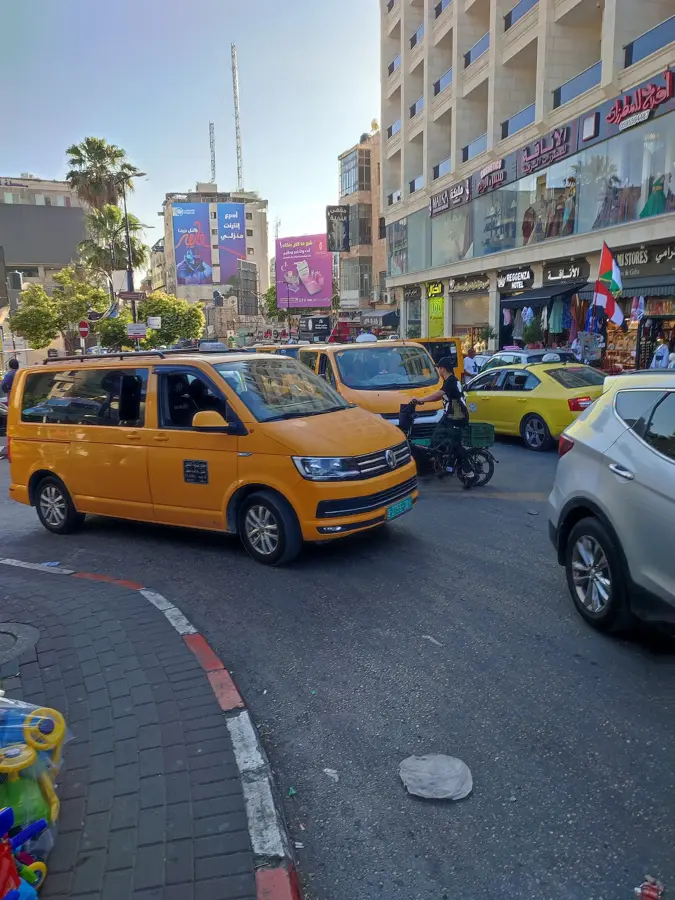
Central Vegetables Market🎭 culture

The Central Vegetables Market is a local marketplace providing fresh produce in the Hebron Hills.

Sights nearby

Frequently asked questions

What characterizes the Hebron Hills?
A varied landscape with vineyards and olive trees.
Is it a hiking region?
Yes, it has quiet and scenic paths.
Should one have a guide?
It is helpful for orientation and history.
Is it beautiful all year round?
Especially in spring when it is green.
How is the weather?
Cooler than in the plains, well-suited for hiking.
Hebron Hills: where is it located?
Hebron Hills is located in Palestinian Territories.
Hebron Hills: what is there to see?
Highlights include AlNaji, Historical Graves, sharawi.
Hebron Hills: when is the best time to visit?
The most pleasant time to visit is Apr, May, Oct.
Hebron Hills: why is it worth visiting?

The Hebron Hills, forming the southern portion of the central highlands in the West Bank, are a region of rugged beauty and ancient agricultural traditions.
View on map → The Top 50 Attractions → OpenStreetMap →
Asia
Explore with Plizio Discover more places in Asia
More places in Palestinian Territories →

Nearby cities

History & landmarks