Plizio Visual Lab

Wadi al-Quff Nature Reserve
Plizio editorial teamData Sources
Forest
—°5
Wadi al-Quff Nature Reserve (Palestinian Territories)

Weather…

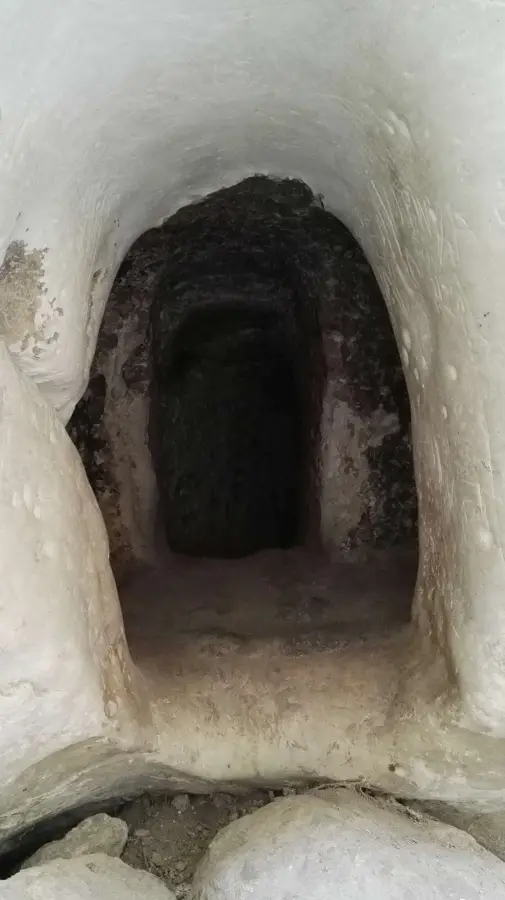
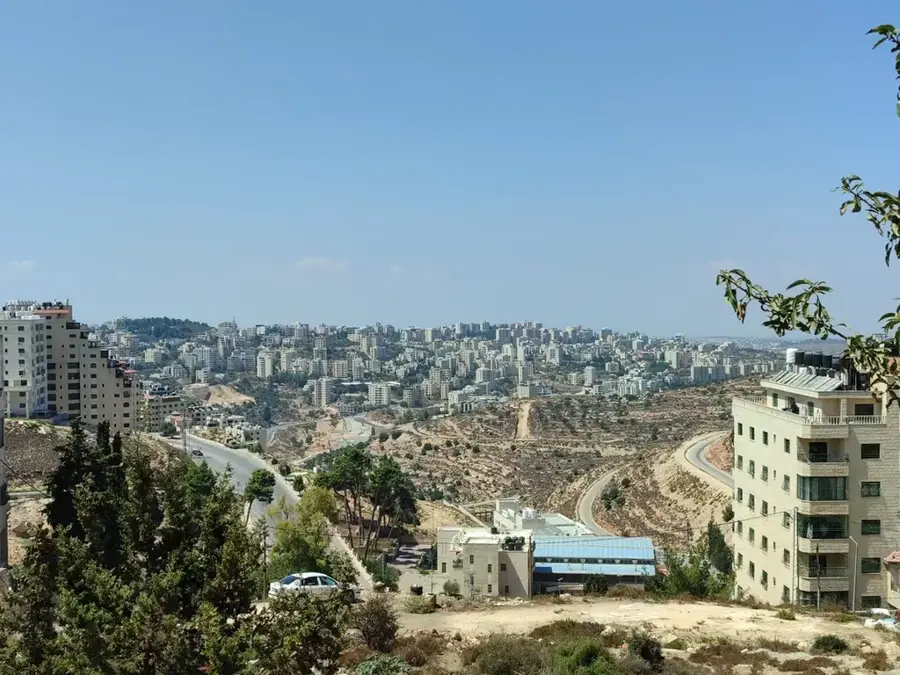
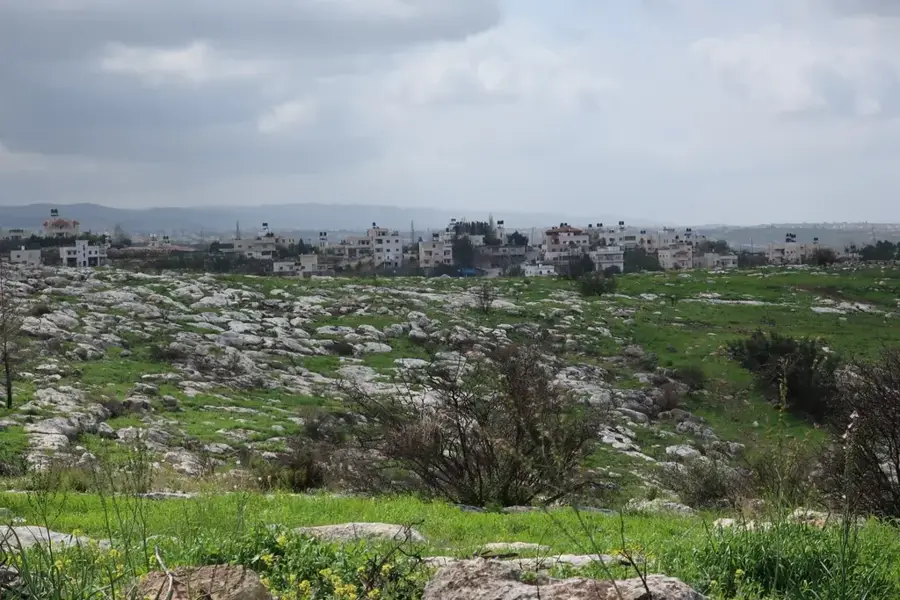
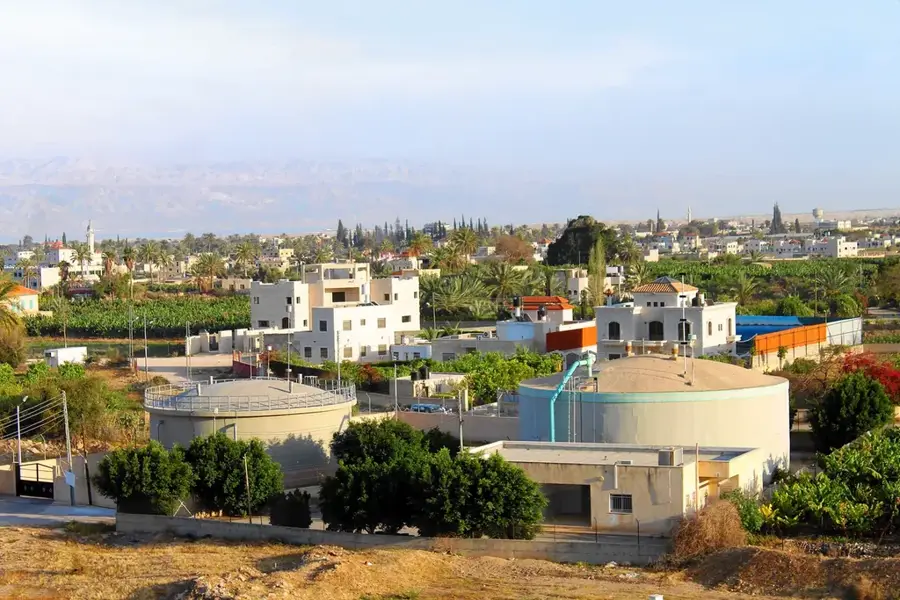
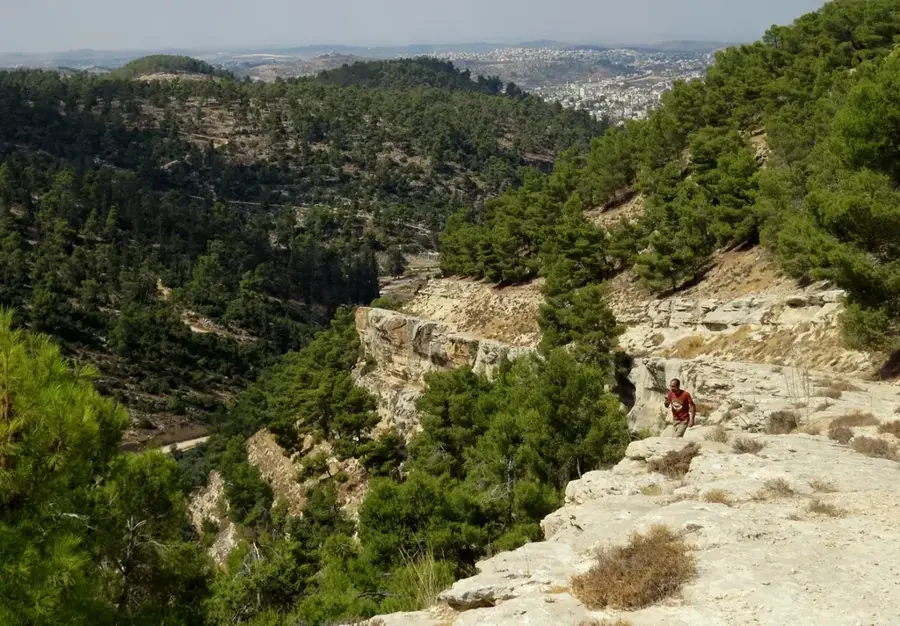
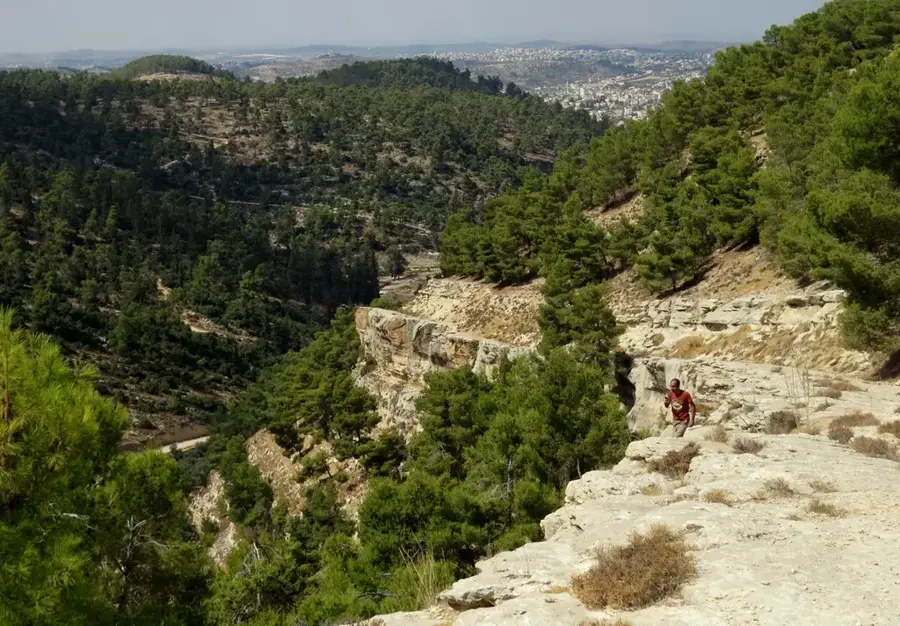
Wadi al-Quff Nature Reserve, situated just west of Hebron city, holds the prestigious title of being the first officially recognized nature reserve in Palestine, established in 1927. Spanning approximately 250 hectares, it is the largest forested area in the West Bank and serves as a critical sanctuary for regional biodiversity. The reserve is dominated by Mediterranean pine forests and native oak trees, creating a dense canopy that shelters a variety of wildlife, including gazelles, foxes, and numerous resident and migratory bird species. Its karst topography is noted for impressive limestone caves and rugged cliffs that offer insight into the area's geological history. For local residents and visitors alike, Wadi al-Quff provides a vital space for recreation and environmental education. The well-maintained hiking trails lead through lush valleys and up to panoramic viewpoints, offering a serene escape and a unique glimpse into the natural heritage of the Palestinian highlands.

Best time to visit & climate

The most pleasant time to visit is Apr, May, Oct.

JanFebMarAprMayJunJulAugSepOctNovDec
Avg °C101215182225272725221712
Rain mm5942271540102123148

📋 Practical info

🧭
Getting there
This historic nature reserve is typically reached by traveling along the main routes heading northwest from the city of Hebron. The reserve's official status means it generally features clearer access points and better-defined entry paths compared to more informal natural sites in the region.
📅
Best season
The cooler months of spring and autumn provide the most comfortable climate for hiking through the dense, fragrant pine forests. Winter can also be quite scenic, though visitors should be prepared for distinctly colder temperatures typical of the higher elevations in the Hebron area.
⛰️
Terrain & paths
Visitors will navigate a classic Mediterranean landscape featuring rugged limestone formations interspersed with heavily shaded forest trails. The paths can be quite rocky and uneven in places, requiring a decent sense of balance as they wind through the dense stands of mature pine trees.
🎒
What to bring
High-quality hiking boots with firm ankle support are highly advised due to the sharp and uneven nature of the exposed limestone rocks. Since the dense pine canopy provides substantial shade, bringing an extra layer of clothing is a wise choice to stay comfortable during cooler woodland breezes.
🅿️
Parking
As a recognized reserve, the area typically provides more structured parking options or clearly designated clearings near its main administrative entrances. Visitors can usually leave their vehicles safely at these centralized points before venturing onto the marked trails that lead deeper into the forest.
⚠️
Safety
Fire safety is of paramount importance in this dense pine environment; visitors must strictly avoid lighting any unauthorized fires or leaving flammable waste. Caution should also be exercised when scrambling over the larger limestone boulders, which can be surprisingly sharp or slippery after rainfall.
⏱️
Time needed
Exploring the various woodland trails and limestone features of Palestine's first official reserve typically occupies around three to five hours. Those interested in detailed botanical observations or extended forest hikes can easily dedicate a full day to wandering through this protected natural sanctuary.

Geography

Coordinates
31.57860, 35.05140

Facts

  • The reserve covers an area of about 2.5 square kilometers.
  • It was forested in the 1920s during the British Mandate.
  • The highest elevation is around 950 meters above sea level.
  • There are several archaeological cave sites in the vicinity.
  • Over 200 different plant species grow in the area.
  • The site serves as a green lung for the Hebron region.

Explore nearby

Notable places around
Route planner — Car & Motorhome

Where do you start? We build the route here, with stops and country notes along the way.

Vehicle
Only stops with (optional):

© OpenStreetMap contributors · OpenRouteService

Sights in the town Wadi al-Quff Nature Reserve (5)

Alsafa🎡 recreation

A family leisure park set amidst the green landscapes of Wadi al-Quff.

Al Karmel🎡 recreation

A recreation spot with playgrounds and picnic areas near the nature reserve.

Masjid Hasan Al Banna📍 landmark

A rural mosque serving the residents of the surrounding agricultural lands.

Al Rahman Mosque📍 landmark

A peaceful house of prayer set in the hilly environment of Wadi al-Quff.

Al Shuhada'📍 landmark

This mosque serves as a spiritual anchor for the small communities in the valley.

Sights nearby

Frequently asked questions

What is the forest like in Wadi al-Quff?
It is one of the few forested areas, well-suited for hiking in the shade.
Is a picnic allowed there?
Yes, there are designated areas; please do not leave any trash behind.
Is it a good place for birdwatching?
Yes, the dense vegetation attracts many native bird species.
Are there marked hiking trails?
There are some simple paths, but a good map is recommended.
When is the best time to visit?
Spring, when the flora is blooming and temperatures are pleasant.
Wadi al-Quff Nature Reserve: where is it located?
Wadi al-Quff Nature Reserve is located in Palestinian Territories.
Wadi al-Quff Nature Reserve: what is there to see?
Highlights include Alsafa, Al Karmel, Masjid Hasan Al Banna.
Wadi al-Quff Nature Reserve: when is the best time to visit?
The most pleasant time to visit is Apr, May, Oct.
Wadi al-Quff Nature Reserve: why is it worth visiting?

Wadi al-Quff Nature Reserve, situated just west of Hebron city, holds the prestigious title of being the first officially recognized nature reserve in Palestine, established in 1927.
View on map → The Top 50 Attractions → OpenStreetMap →
Asia
Explore with Plizio Discover more places in Asia
More places in Palestinian Territories →

Nearby cities

History & landmarks