Plizio Visual Lab

Ein Feshkha
Plizio editorial teamData Sources
wildlife
—°3
Ein Feshkha (Palestinian Territories)

Weather…

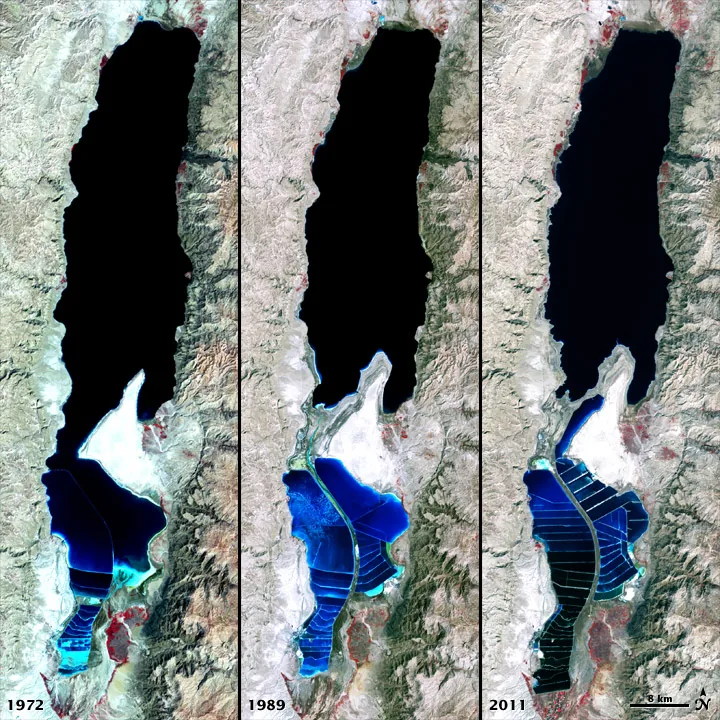
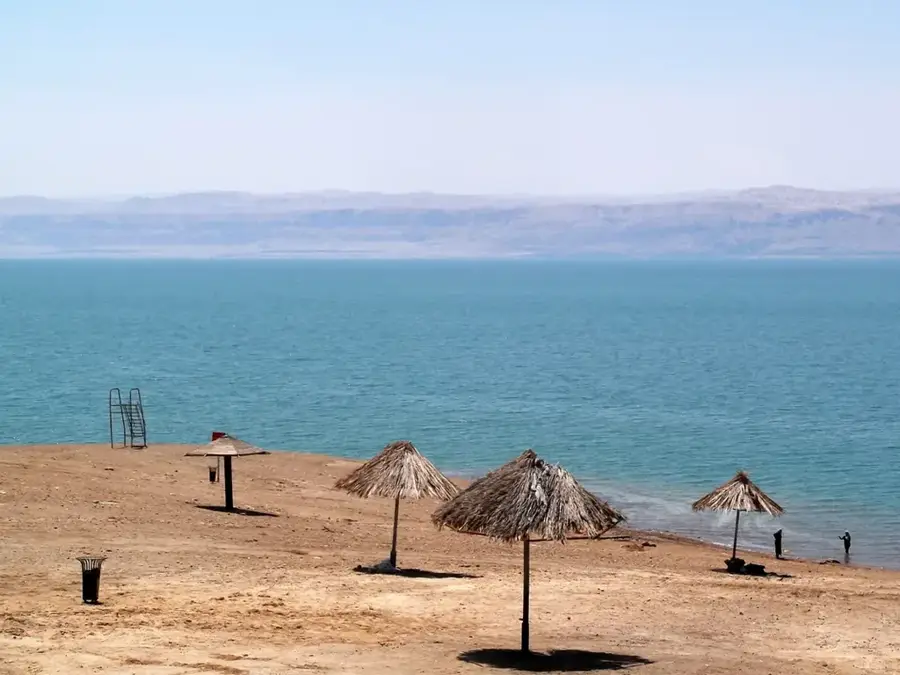
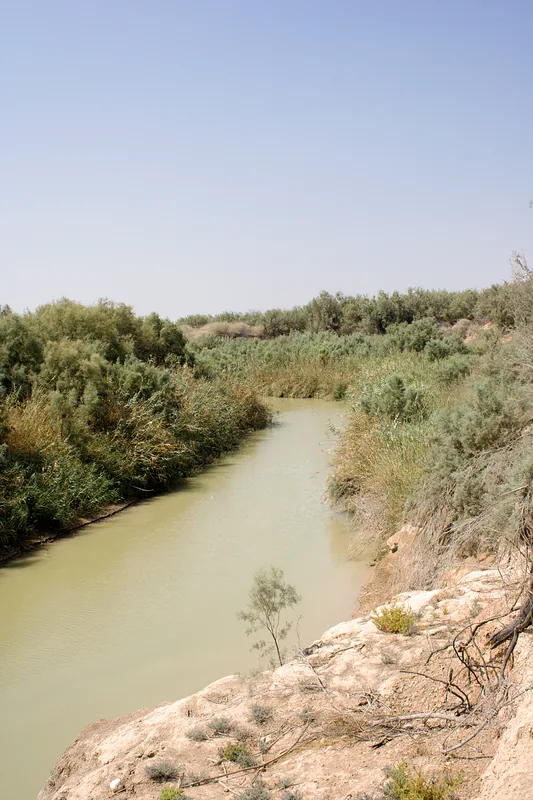
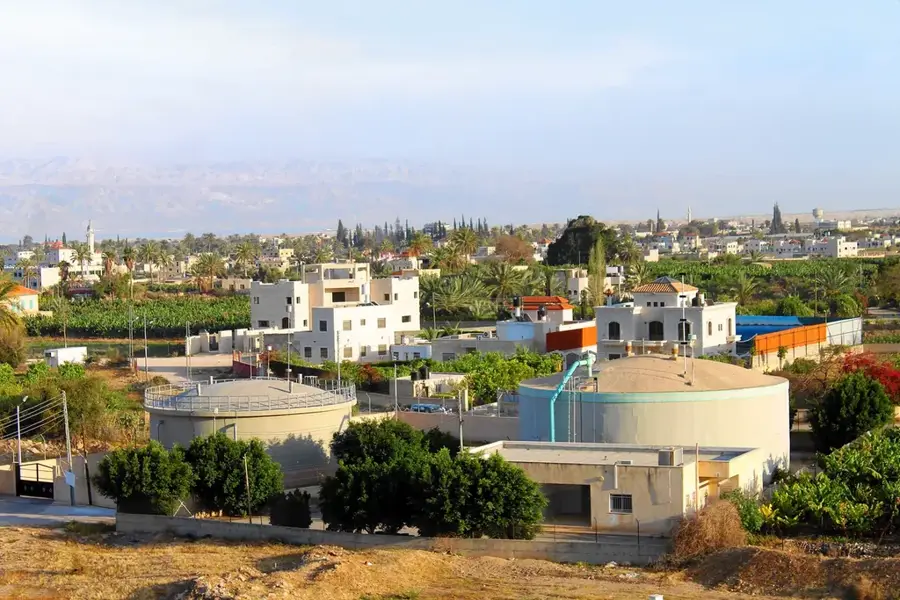
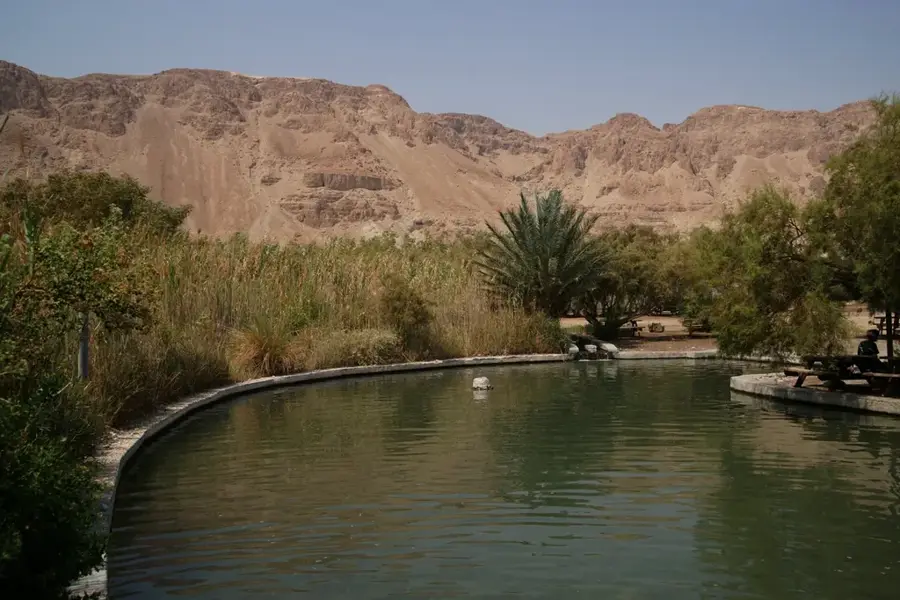
Ein Feshkha, also known as Enot Tsukim, is a remarkable natural oasis located on the northwestern shore of the Dead Sea. As the lowest-lying nature reserve in the world, it presents an impressive juxtaposition of lush vegetation and freshwater springs against the backdrop of the arid Judean Desert and the hyper-saline Dead Sea. The reserve is fed by underground springs that emerge to form fresh and brackish pools, creating a vital sanctuary for unique wildlife, including the desert pupfish and several endemic species of crabs. The ongoing recession of the Dead Sea has caused the springs to shift, constantly reshaping the landscape and its delicate ecosystems. While some areas are open to the public for swimming in natural pools, a large section remains a closed scientific reserve to protect the dense reed beds and nesting sites for migratory birds. It serves as an essential stopover for millions of birds traveling along the Great Rift Valley, making it a site of international ecological importance.

Best time to visit & climate

The most pleasant time to visit is Apr, Oct, Nov.

JanFebMarAprMayJunJulAugSepOctNovDec
Avg °C121417212629303028251914
Rain mm474223115001162033

📋 Practical info

📅
Best season
The most comfortable time to visit the springs is during the milder months from late autumn to early spring when the extreme heat of the Dead Sea region subsides. Summers can be overwhelmingly hot, which typically reduces the daytime activity of the local wildlife seeking shelter in the shade.
🌅
Best time of day
Arriving early in the morning gives the best chance to spot birds and small mammals near the water sources before the day's heat intensifies. The late afternoon hours, as the sun begins to set over the arid landscape, also bring a resurgence of activity and beautifully dramatic light.
📜
Etiquette
Visitors must strictly follow the defined trails around the pools and vegetation to protect this fragile desert oasis ecosystem. Bathing or wading is only permitted in explicitly designated areas to prevent contamination of the delicate habitats that support the unique brackish water species.
🎒
What to bring
Light, breathable clothing and an exceptional sun hat are crucial due to the intense solar radiation typical of the lowest elevation on earth. Bring plenty of drinking water, comfortable walking sandals or shoes, and a camera to document the stark contrast between the desert and the lush springs.
🧭
Getting there
The nature reserve is generally accessible by car along the main highway running parallel to the Dead Sea coast, with a dedicated parking area provided. Public transportation options are often limited, so organizing a rental car or joining a scheduled day tour from nearby cities is recommended.
🦌
What to expect
Finding wildlife hidden amongst the dense reeds and tamarisks requires a slow pace and keeping noise levels to an absolute minimum. Allow yourself time to sit quietly near the water's edge, as animals may gradually emerge to drink once they feel secure and undistracted by human presence.

Geography

Coordinates
31.71000, 35.45000

Facts

  • The reserve sits about 420 meters below sea level
  • Springs emerge at the foot of the Judean Mountains
  • It is divided into a hidden reserve and a public area
  • The water maintains a constant temperature of 25°C
  • Rare fish species like the Killifish inhabit the pools
  • The area is a crucial stopover for migratory birds

Explore nearby

Notable places around
Route planner — Car & Motorhome

Where do you start? We build the route here, with stops and country notes along the way.

Vehicle
Only stops with (optional):

© OpenStreetMap contributors · OpenRouteService

Sights in the town Ein Feshkha (3)

Nachliel Lookout🌿 nature

Scenic point on the desert plateau overlooking the Ein Feshkha springs and the Dead Sea shore.

Ras Muakaf🌿 nature

Desert lookout point situated on the high cliffs of the Judean wilderness.

Khirbet Mazin🏺 historical

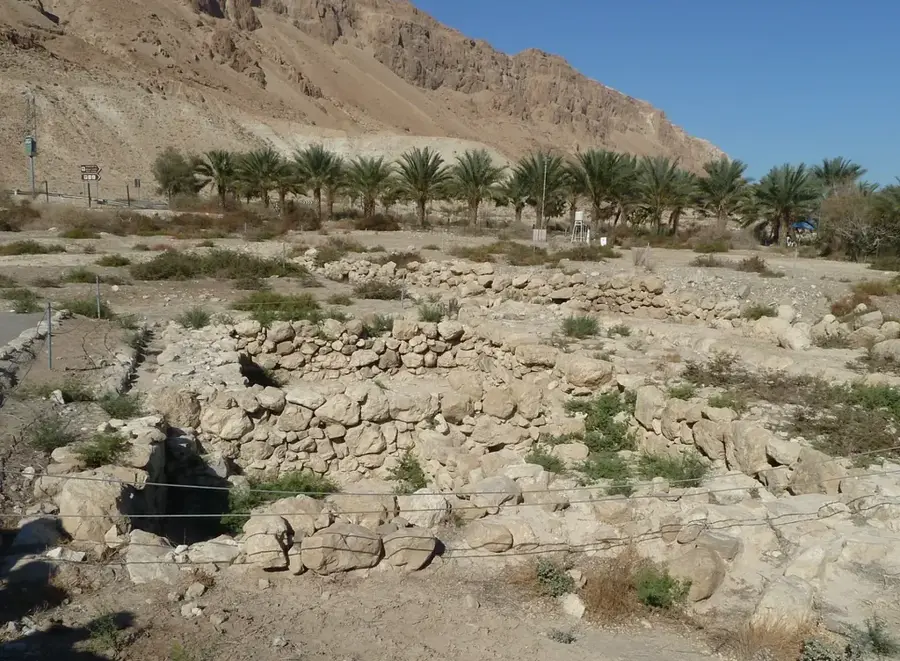
Remains of a Hasmonean-era fortified dry dock or anchorage on the Dead Sea coast.

Sights nearby

Frequently asked questions

Can one swim in Ein Feshkha?
Yes, there are natural freshwater pools that invite swimming.
How much is the entry for Ein Feshkha?
There is a moderately priced entry fee for the nature park.
Are there facilities like toilets there?
Yes, the park gives toilets and picnic areas for visitors.
How do I get to Ein Feshkha?
The easiest way is by rental car on the road along the Dead Sea.
Is the water safe for health?
The water is natural and clean, but not suitable for drinking.
Ein Feshkha: where is it located?
Ein Feshkha is located in Palestinian Territories.
Ein Feshkha: what is there to see?
Highlights include Nachliel Lookout, Ras Muakaf, Khirbet Mazin.
Ein Feshkha: when is the best time to visit?
The most pleasant time to visit is Apr, Oct, Nov.
Ein Feshkha: why is it worth visiting?
Ein Feshkha, also known as Enot Tsukim, is a remarkable natural oasis located on the northwestern shore of the Dead Sea.
View on map → The Top 50 Attractions → OpenStreetMap →
Asia
Explore with Plizio Discover more places in Asia
More places in Palestinian Territories →

Nearby cities

History & landmarks