Plizio Visual Lab
Al Wusta Wildlife Reserve
Weather…
Water temperature…
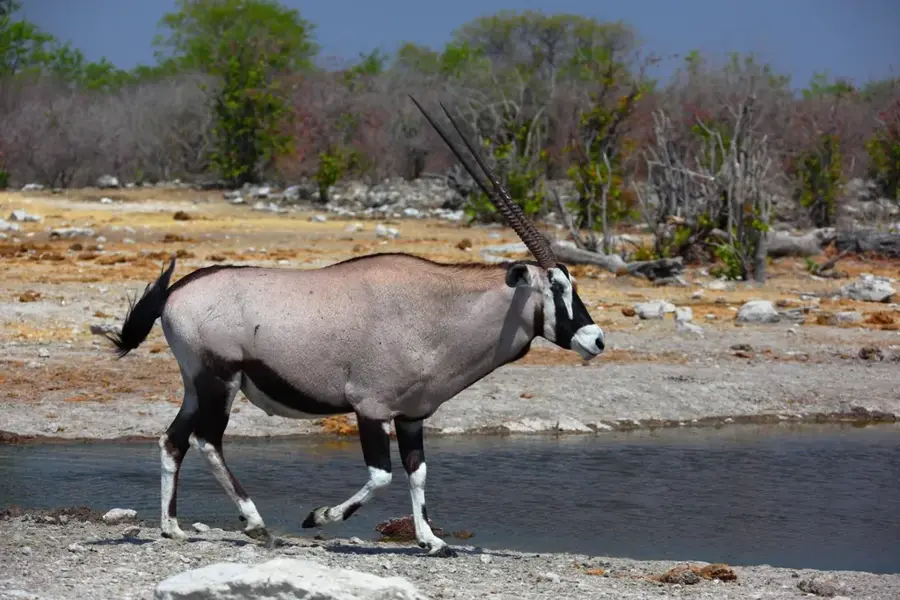
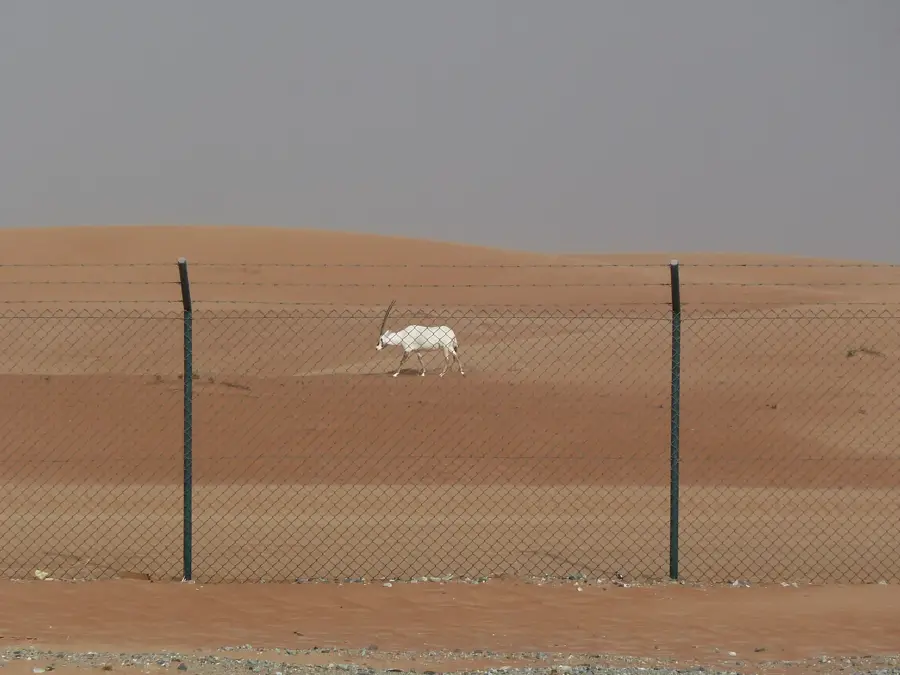
The Al Wusta Wildlife Reserve, formerly known as the Arabian Oryx Sanctuary, spans the vast Huqf plain in central Oman. This reserve gained international fame for its successful reintroduction program of the Arabian Oryx, which had once been declared extinct in the wild. In the 1980s, animals from zoos and private collections were brought here to establish a stable population in their natural habitat. In addition to the Oryx, the area is home to the Nubian ibex, Arabian gazelle, and the elusive honey badger. Geologically, the reserve is characterized by spectacular limestone cliffs and expansive gravel plains, creating a harsh but fascinating desert landscape. A significant historical note occurred in 2007, when the site became the first in the world to be removed from the UNESCO World Heritage List after the government drastically reduced the protected area. Despite this loss of status, the reserve remains a critical center for biodiversity conservation and the preservation of the Arabian Peninsula's unique desert fauna.
- Location: Oman
- Top sights: Ajmanat · Arabian Oryx Sanctuary
- Nearby: Duqm (40 km)
Best time to visit & climate
The most pleasant time to visit is Jan, Feb, Dec.
| Jan | Feb | Mar | Apr | May | Jun | Jul | Aug | Sep | Oct | Nov | Dec | |
|---|---|---|---|---|---|---|---|---|---|---|---|---|
| Avg °C | 21 | 22 | 26 | 30 | 33 | 33 | 33 | 31 | 30 | 28 | 25 | 22 |
| Rain mm | 3 | 4 | 11 | 3 | 3 | 12 | 3 | 1 | 1 | 5 | 6 | 3 |
📋 Practical info
Geography
Facts
- Focus of the Arabian Oryx reintroduction project
- First site globally to be removed from the UNESCO World Heritage list (2007)
- Home to rare species including the Nubian ibex
- Defined by the geologically unique Huqf plain
- Encompasses vast gravel deserts and steep escarpments
- Crucial research area for desert ecology and conservation
Explore nearby
Notable places around

Route planner — Car & Motorhome
Where do you start? We build the route here, with stops and country notes along the way.
© OpenStreetMap contributors · OpenRouteService
Sights in the town Al Wusta Wildlife Reserve (2)
Sights nearby
Frequently asked questions
What is special about it?
Is the reserve freely accessible?
What vehicles are needed?
When is the best time to visit?
Is there accommodation nearby?
Al Wusta Wildlife Reserve: where is it located?
Al Wusta Wildlife Reserve: what is there to see?
Al Wusta Wildlife Reserve: when is the best time to visit?
Al Wusta Wildlife Reserve: why is it worth visiting?

Nearby cities

Nature

More places