Plizio Visual Lab
Surame Cultural Landscape
Weather…
Water temperature…
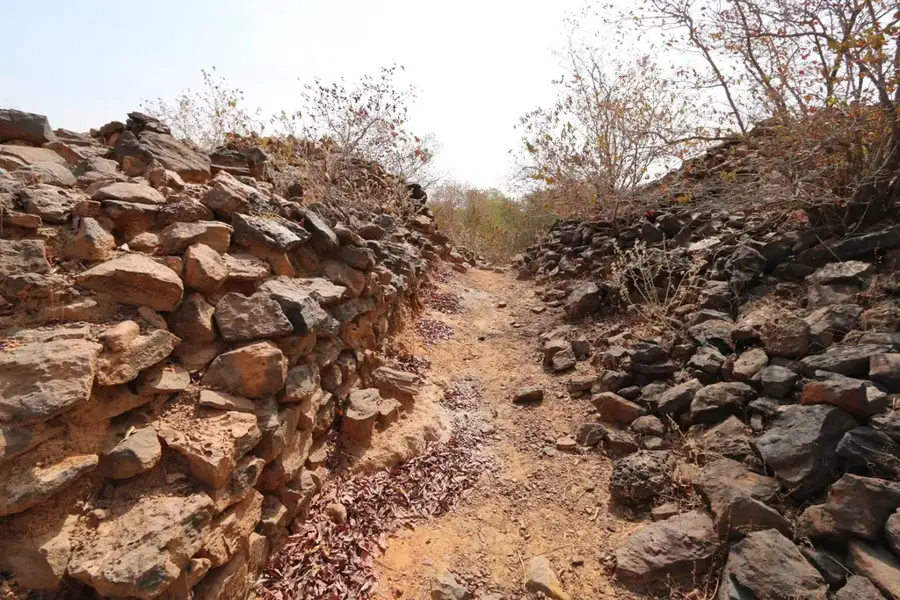
The Surame Cultural Landscape in Sokoto State is one of the most significant archaeological sites in northern Nigeria, serving as the former capital of the Kebbi Kingdom during the 16th century. Founded by Muhammadu Kanta Kotal, the first Kanta of Kebbi, the city is renowned for its formidable defensive structures built from massive stones. The walls of Surame span a circumference of approximately 19 kilometers and once enclosed seven concentric city wards, reflecting the high level of strategic and administrative organization of the state. A notable architectural feature of the site is the extensive use of dry stone walling without mortar, a technique that is rare in the region compared to the more common mud-based architecture. Within the walls lie the remains of palaces, residential areas, and industrial zones, providing evidence of a prosperous urban civilization. In 2007, Surame was added to the UNESCO World Heritage Tentative List as an outstanding example of a fortified medieval city in the Sahel. The site gives invaluable insights into the military engineering and political history of the Hausa and Kebbi peoples prior to European colonial contact.
Best time to visit & climate
The most pleasant time to visit is Jan, Nov, Dec.
| Jan | Feb | Mar | Apr | May | Jun | Jul | Aug | Sep | Oct | Nov | Dec | |
|---|---|---|---|---|---|---|---|---|---|---|---|---|
| Avg °C | 23 | 26 | 30 | 33 | 33 | 31 | 28 | 27 | 27 | 27 | 26 | 23 |
| Rain mm | 0 | 0 | 1 | 7 | 34 | 95 | 170 | 250 | 121 | 23 | 0 | 0 |
📋 Practical info
Geography
Facts
- Surame was the capital of the Kebbi Kingdom during the 16th century.
- The city walls have a total circumference of approximately 19 kilometers.
- It was founded by Muhammadu Kanta Kotal after breaking from the Songhai Empire.
- The site was listed on the UNESCO World Heritage Tentative List in 2007.
- The walls feature a unique dry stone construction technique without mortar.
- The defensive layout originally consisted of seven concentric stone walls.
Explore nearby
Notable places around

Route planner — Car & Motorhome
Where do you start? We build the route here, with stops and country notes along the way.
© OpenStreetMap contributors · OpenRouteService
Sights nearby
Frequently asked questions
How do I get there?
Do I need hiking shoes?
Are there restroom facilities?
Is it safe to visit?
When is the best season?
Surame Cultural Landscape: where is it located?
Surame Cultural Landscape: when is the best time to visit?
Surame Cultural Landscape: why is it worth visiting?