Plizio Visual Lab
Sokoto
ℹ️Practical info — Sokoto
▾
🌤 Weather — 5 days
📍 Nearby
Sights nearby
💡 Tips
- Dress modestly, covering shoulders and knees, to respect the deeply religious and conservative culture of the city.
- The semi-arid climate means afternoons are scorching; plan your outdoor visits for the early morning.
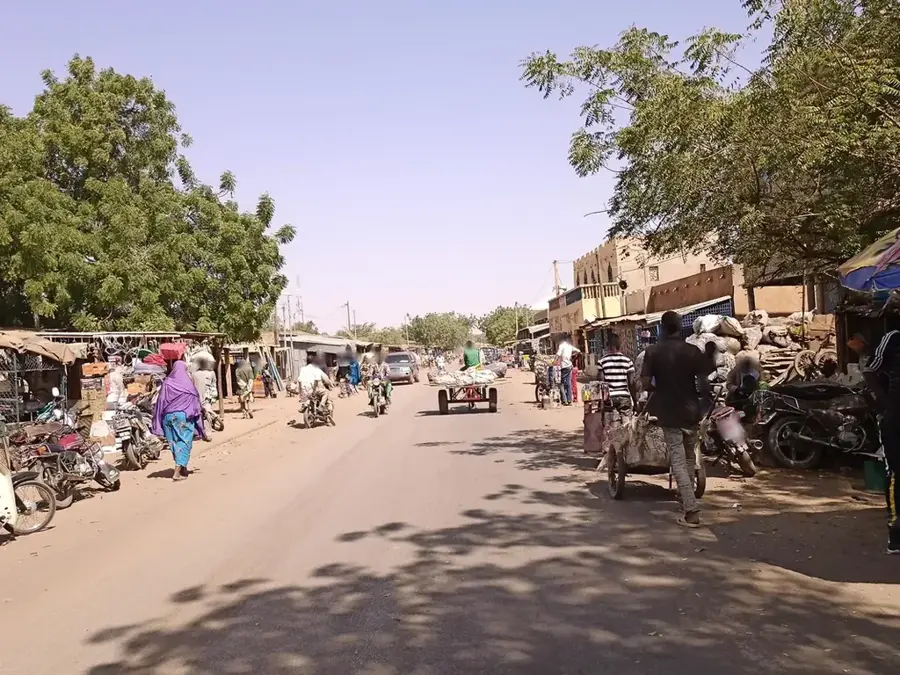
- Keke Napep (tricycles) are the most efficient way to navigate the bustling and sometimes dusty streets.
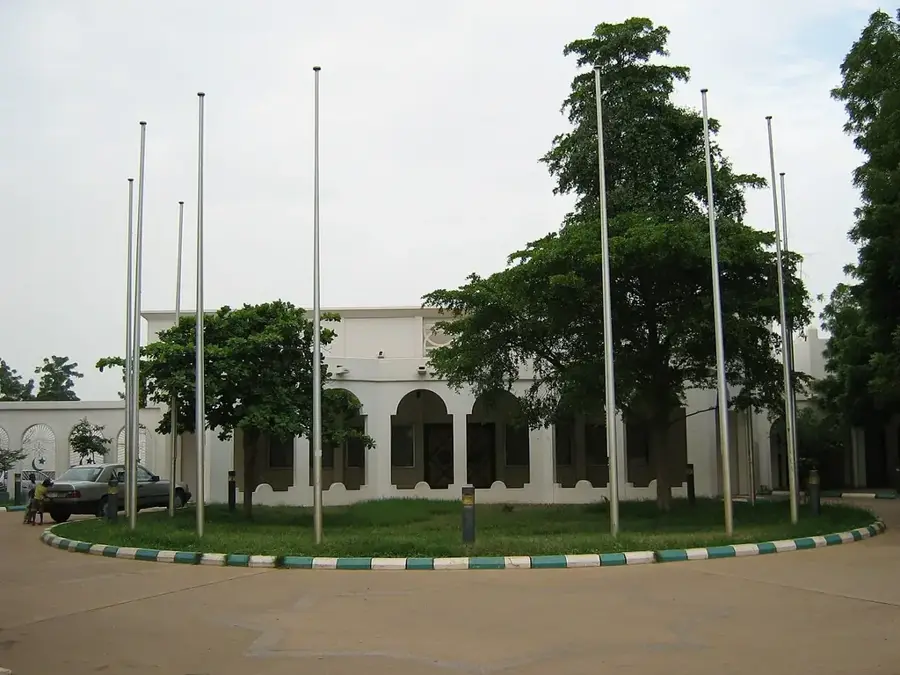
- The area around the Sultan's Palace features a glimpse into traditional Hausa-Fulani architecture, even if you just view it from the outside.
🍽 Food
A refreshing traditional drink of fermented milk and ground millet, usually sold by local vendors in the morning.
Mashed rice meal served with rich local soups, available at most traditional Hausa eateries in the city center.
Spicy grilled meat skewers, best enjoyed fresh from evening street vendors near the main market.
🛍 Shopping · 🧘 Quiet spots
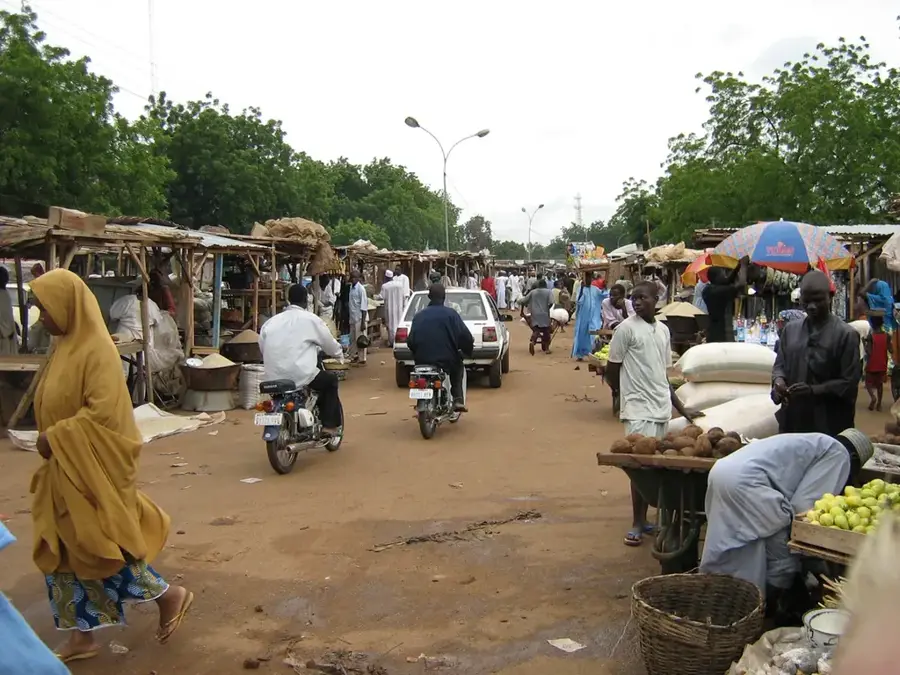
A sprawling market where you can find the famous Sokoto red goat leather goods and traditional textiles.
Look for small workshops near the market area to buy authentic handmade leather bags and footwear.
The expansive and peaceful campus grounds offer a break from the city's busy commercial zones.
Head to the outskirts near the river in the late afternoon for a calm and scenic view.
Water temperature…
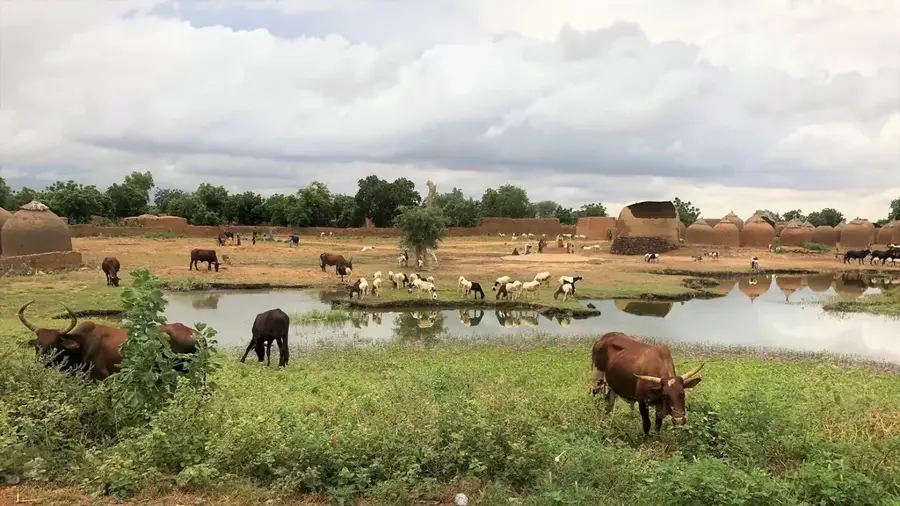
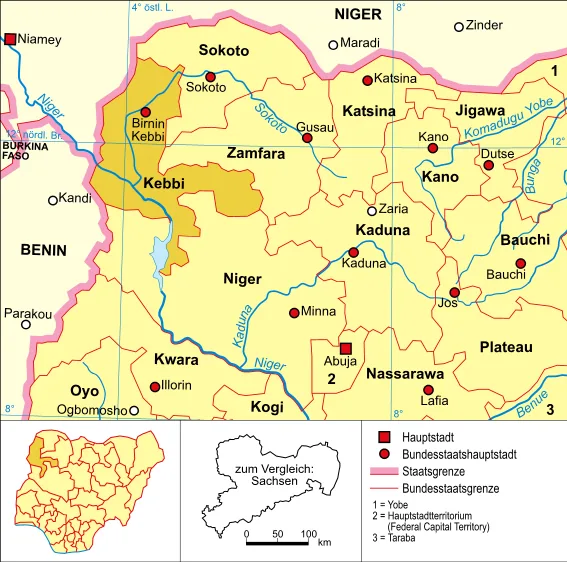
Sokoto, located in the far northwestern corner of Nigeria, is a city of profound historical and spiritual significance, serving as the seat of the Sokoto Caliphate. Founded in 1809 by the legendary Islamic scholar and reformer Sheikh Usman dan Fodio, the city rose to become the capital of one of the largest empires in pre-colonial Africa. Today, it remains the spiritual headquarters for Muslims in Nigeria and across West Africa, as it is the residence of the Sultan of Sokoto, the paramount traditional and religious leader of the country's Muslim population. Geographically, the city lies in the semi-arid Sahel region, situated at the confluence of the Sokoto and Rima Rivers, which provide essential water for the valley's intensive irrigation-based agriculture. Economically, Sokoto is a major hub for the trade of livestock and agricultural produce, particularly onions, garlic, and cereals. It is also an industrial center, home to large-scale cement manufacturing plants that utilize the region's vast limestone deposits. Sokoto is world-famous for its traditional leatherworks; the high-quality 'Moroccan leather' prized in Europe for centuries actually finds its origins in the skilled tanneries of Sokoto. The city is a major center of learning, hosting the Usmanu Danfodiyo University, which draws scholars from across the continent. The climate is characterized by intense heat and the seasonal Harmattan winds, which bring cool, dusty air from the Sahara between December and February. Culturally, Sokoto maintains a conservative and dignified atmosphere, with the Sultan's Palace and the Grand Mosque serving as the architectural and social focal points of the city. Despite its traditional roots, Sokoto is a growing modern city with expanding infrastructure, reflecting its dual role as a keeper of history and a participant in Nigeria's 21st-century development.
- Location: Nigeria
- Top sights: Sokoto Sultanate Council · Sokoto (city) · Battle of Sokoto
- Population: ~1.040.000 (2026)
Best time to visit & climate
The most pleasant time to visit is Jan, Nov, Dec.
| Jan | Feb | Mar | Apr | May | Jun | Jul | Aug | Sep | Oct | Nov | Dec | |
|---|---|---|---|---|---|---|---|---|---|---|---|---|
| Avg °C | 23 | 26 | 30 | 33 | 33 | 31 | 28 | 27 | 27 | 27 | 26 | 23 |
| Rain mm | 0 | 0 | 1 | 7 | 34 | 95 | 170 | 250 | 121 | 23 | 0 | 0 |
Geography
Facts
- Founded in 1809 as the capital of the historic Sokoto Caliphate.
- Official residence of the Sultan of Sokoto, Nigeria's top Muslim leader.
- The city's leather industry is the source of what is historically called 'Moroccan leather'.
- A major industrial center for cement production in northern Nigeria.
- Home to the Usmanu Danfodiyo University, a key center for African research.
- Strategically located at the junction of the Sokoto and Rima rivers.
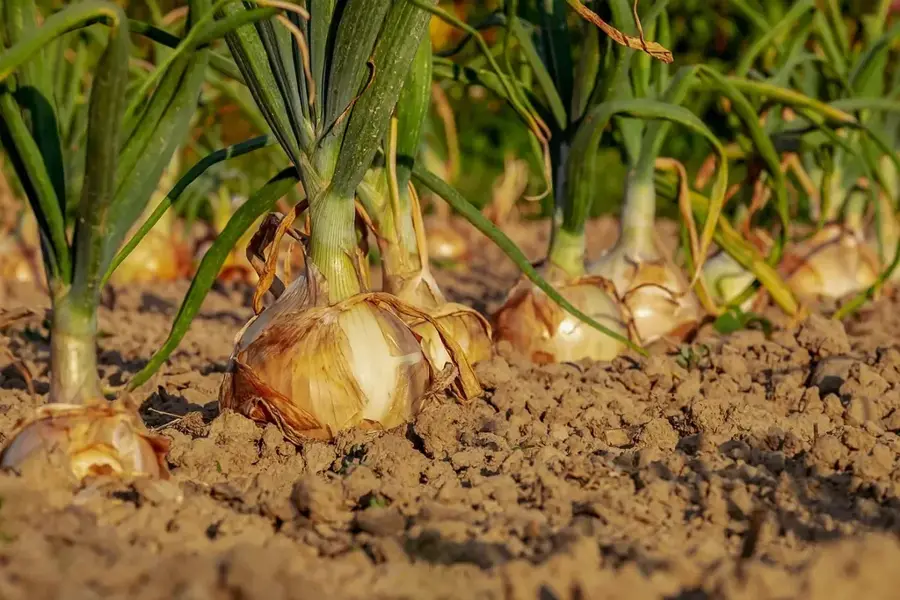
- Known for its high production of onions and garlic via irrigation.
- Experiences some of Nigeria's highest temperatures due to its Sahelian location.
Explore nearby
Notable places around

Route planner — Car & Motorhome
Where do you start? We build the route here, with stops and country notes along the way.
© OpenStreetMap contributors · OpenRouteService
Sights in the town Sokoto (3)
Frequently asked questions
What makes Sokoto historically significant?
What are the main attractions?
Best time for a trip?
Are there local cultural festivals?
How to get there?
Sokoto: where is it located?
Sokoto: what is there to see?
Sokoto: when is the best time to visit?
Sokoto: why is it worth visiting?

Nature
More places