Plizio Visual Lab
Jos
ℹ️Practical info — Jos
▾
🌤 Weather — 5 days
📍 Nearby
Sights nearby
💡 Tips
- Jos is uniquely cool for Nigeria; pack a light jacket or sweater for the chilly evenings.
- Visit the National Museum to see fascinating Nok terracotta artifacts and learn about the city's tin mining history.
- Look out for fresh strawberries and apples, which thrive in this cool climate and are hard to find elsewhere in Nigeria.
- Taxis (often old Peugeots) operate on shared routes; always clarify if you want a private 'drop' ride before entering.
🍽 Food
A traditional acha-based local porridge with vegetables, try it at Plateau-style eateries.
Buy them directly from local farmers around the bustling Terminus area.
Renowned as some of the best grilled meat in the country due to the region's strong cattle-rearing culture.
🛍 Shopping · 🧘 Quiet spots
Animated streets selling clothes, fresh agricultural produce, and various local goods.
The well-suited spot to purchase authentic Nok terracotta replicas and traditional crafts.
Peaceful lakes created from old tin mining ponds, offering a serene environment for a stroll.
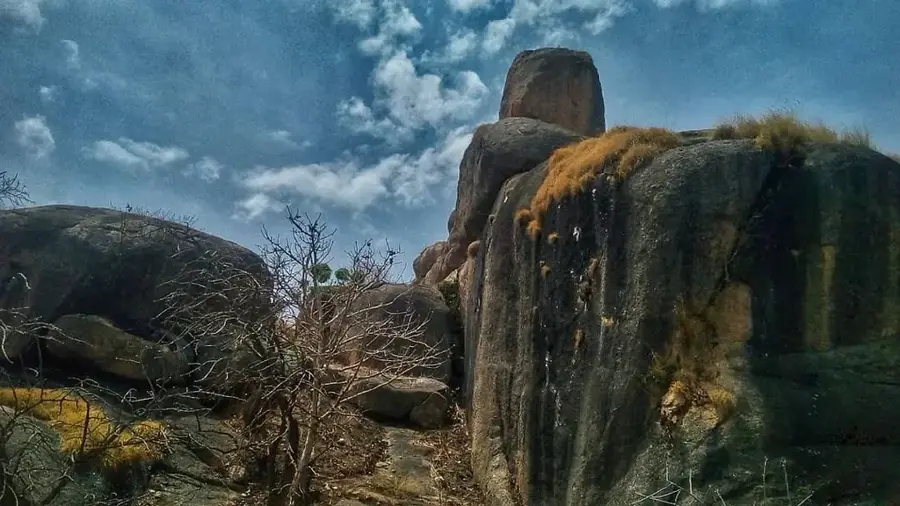
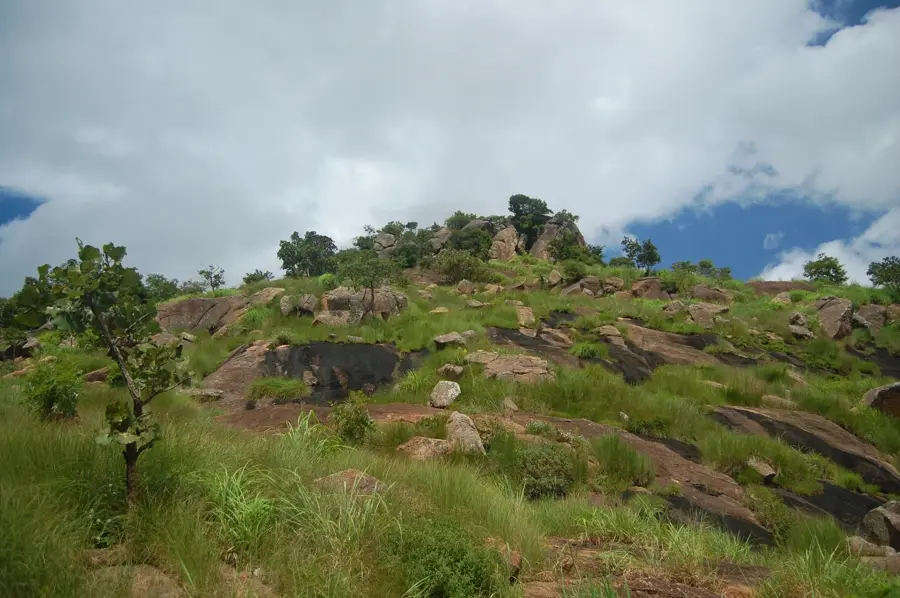
Rugged rock formations great for peaceful hiking and dramatic panoramic views.
Enjoy the pine forests and quiet nature walks away from the bustling city.
Water temperature…
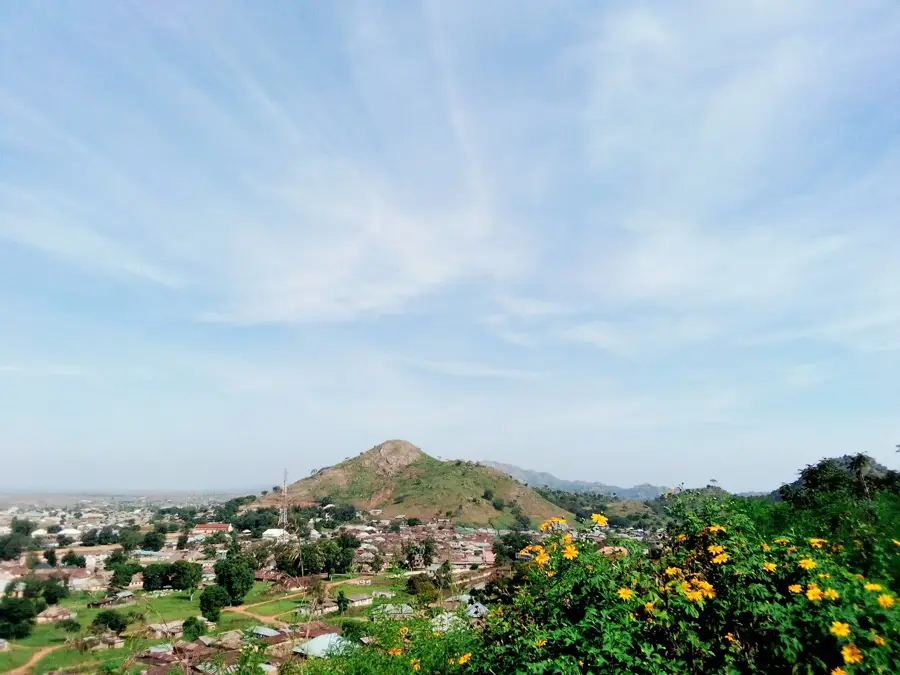
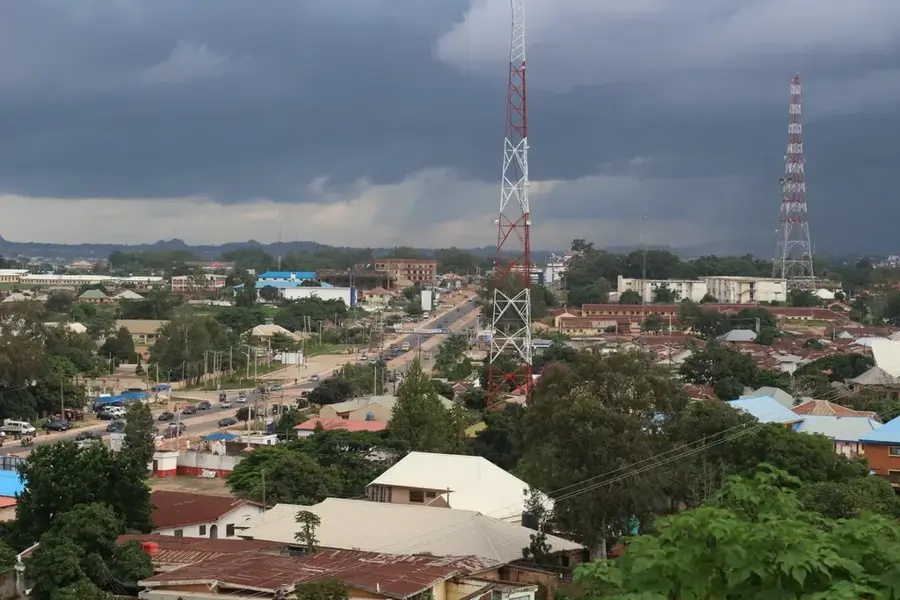
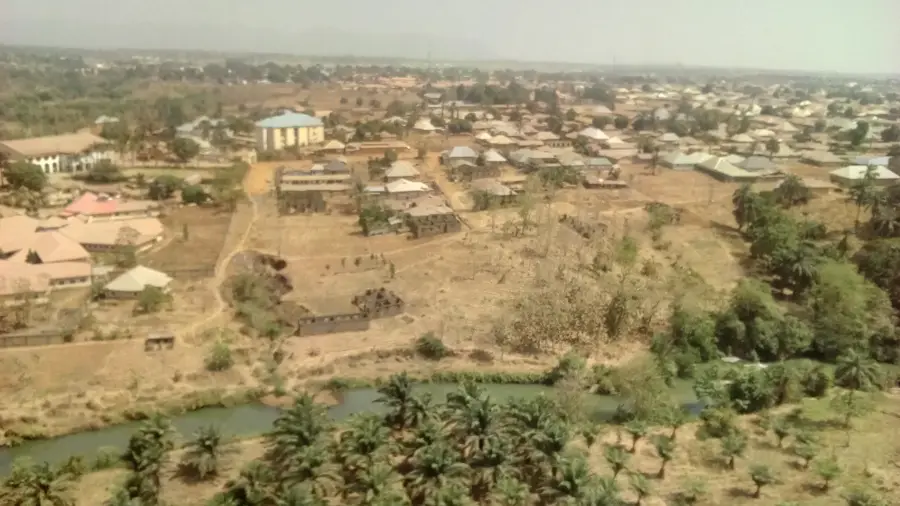
Jos, the capital of Plateau State in central Nigeria, is uniquely positioned on the Jos Plateau at an elevation of about 1,200 meters above sea level. This high altitude grants the city a near-temperate climate, making it one of the few places in Nigeria where temperatures can drop significantly, especially during the harmattan season. The city's modern history was catalyzed by the discovery of extensive tin and columbite deposits in the early 20th century, leading to a massive influx of labor from across West Africa and Europe. This mining boom transformed Jos into a cosmopolitan melting pot, a characteristic that remains evident in its diverse population and urban layout. The Shere Hills, located on the outskirts of the city, are a prominent geographical feature and a popular site for trekking and military training. Jos is also a cultural treasure trove, home to the Jos National Museum, which features a world-class collection of Nok terracotta heads and a scale model of the ancient city of Kano. Economically, while the mining sector has declined, the city has reinvented itself as a hub for agriculture, particularly for temperate crops like strawberries, apples, and Irish potatoes, which are distributed nationwide. The University of Jos stands as a pillar of higher education, attracting students and scholars from across the country and contributing to the city's intellectual life. Tourism is another key sector, with attractions such as the Jos Wildlife Park and the nearby Assop Falls drawing visitors to the region. Despite periods of civil unrest, Jos continues to be a vital center for trade, industry, and culture in Nigeria's Middle Belt. The city's architecture is a mix of old colonial administrative buildings, mid-century industrial sites, and contemporary African residential areas, reflecting its multilayered history and enduring importance.
- Location: Nigeria
- Top sights: Jos Museum · Jos zoological garden
- Nearby: Jos (4 km)
- Population: ~1.040.000 (2026)
Best time to visit & climate
The most pleasant time to visit is Jan, Nov, Dec.
| Jan | Feb | Mar | Apr | May | Jun | Jul | Aug | Sep | Oct | Nov | Dec | |
|---|---|---|---|---|---|---|---|---|---|---|---|---|
| Avg °C | 22 | 25 | 27 | 27 | 25 | 24 | 23 | 22 | 22 | 23 | 23 | 22 |
| Rain mm | 0 | 2 | 14 | 127 | 127 | 118 | 200 | 246 | 144 | 50 | 7 | 0 |
Geography
Facts
- The city's name is reportedly derived from 'Jash,' a local village name.
- Jos is home to the National Institute for Policy and Strategic Studies (NIPSS).
- The tin mining era left behind hundreds of man-made lakes and ponds around the city.
- The Museum of Traditional Nigerian Architecture is located within the Jos Museum complex.
- The city hosted the first major tin smelting plant in Nigeria in 1961.
- Jos has a high concentration of research institutes due to its unique ecology.
- The population is a mix of Afizere, Anaguta, and Berom indigenous groups.
- Jos is the headquarters of several Christian missionary organizations in West Africa.
Explore nearby
Notable places around
Route planner — Car & Motorhome
Where do you start? We build the route here, with stops and country notes along the way.
© OpenStreetMap contributors · OpenRouteService
Frequently asked questions
Why is the climate in Jos so special?
What are the best things to do in Jos?
How long should I stay in Jos?
Are there good accommodations for families?
How do I get to Jos?
Jos: where is it located?
Jos: what is there to see?
Jos: when is the best time to visit?
Jos: why is it worth visiting?

Nearby cities
More places