Plizio Visual Lab
Nok Village
Weather…
Water temperature…
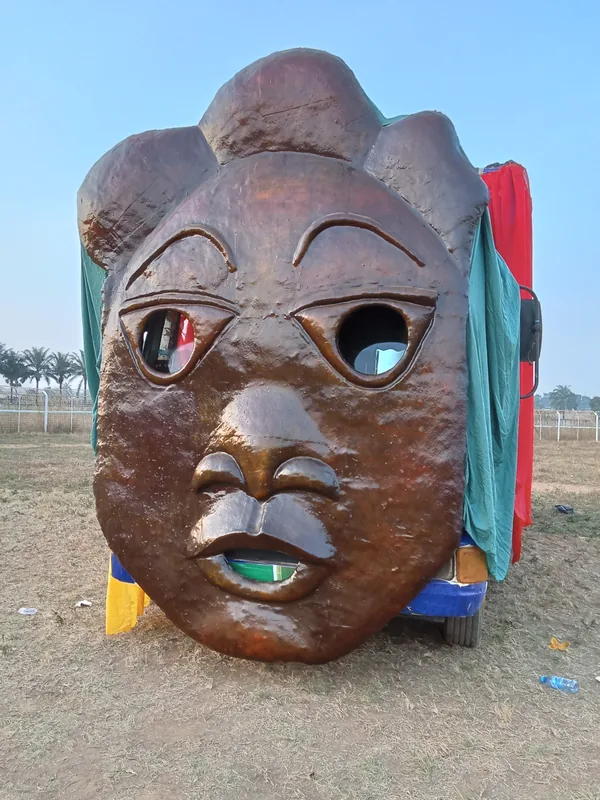
Nok Village in Kaduna State gives its name to one of the most significant ancient cultures in Africa, which thrived from approximately 1500 BC to 200 AD. The Nok culture is world-renowned for its highly advanced terracotta sculptures, first unearthed in 1928 during tin mining operations. These sculptures are characterized by distinctive triangular eyes, perforated pupils, and elaborate hairstyles, representing human figures and animals with high artistic skill. Nok is also recognized as one of the earliest centers of iron smelting south of the Sahara, marking a crucial technological leap in African history. Archaeological evidence suggests a complex social structure with established trade networks and organized settlements. Despite extensive study, the sudden disappearance of the Nok culture around 200 AD remains a subject of academic debate. Today, the village remains an internationally important archaeological site, offering invaluable insights into the Iron Age transition in West Africa.
- Location: Nigeria
- Nearby: Kafanchan (35 km)
Best time to visit & climate
The most pleasant time to visit is Jan, Nov, Dec.
| Jan | Feb | Mar | Apr | May | Jun | Jul | Aug | Sep | Oct | Nov | Dec | |
|---|---|---|---|---|---|---|---|---|---|---|---|---|
| Avg °C | 25 | 28 | 29 | 28 | 26 | 25 | 24 | 23 | 24 | 24 | 24 | 24 |
| Rain mm | 1 | 6 | 17 | 111 | 137 | 146 | 212 | 263 | 186 | 93 | 8 | 0 |
📋 Practical info
Geography
Facts
- The Nok culture flourished between 1500 BC and 200 AD.
- The first terracotta head was discovered in a tin mine in 1928.
- It provides the earliest evidence of iron smelting in West Africa.
- Typical Nok figures feature elaborate beaded jewelry and hair.
- Archaeologist Bernard Fagg conducted major excavations in the 1940s.
- Nok terracotta is prized globally and subject to strict export laws.
Explore nearby
Notable places around



Route planner — Car & Motorhome
Where do you start? We build the route here, with stops and country notes along the way.
© OpenStreetMap contributors · OpenRouteService
Sights in the town Nok Village (1)
Sights nearby
Frequently asked questions
What is the Nok culture?
Can one see excavations?
Is a guide necessary?
What is the best time to travel?
Are there accommodations nearby?
Nok Village: where is it located?
Nok Village: when is the best time to visit?
Nok Village: why is it worth visiting?

Nearby cities

History & landmarks


Nature
More places