Plizio Visual Lab
Katsina
ℹ️Practical info — Katsina
▾
🌤 Weather — 5 days
📍 Nearby
Sights nearby
💡 Tips
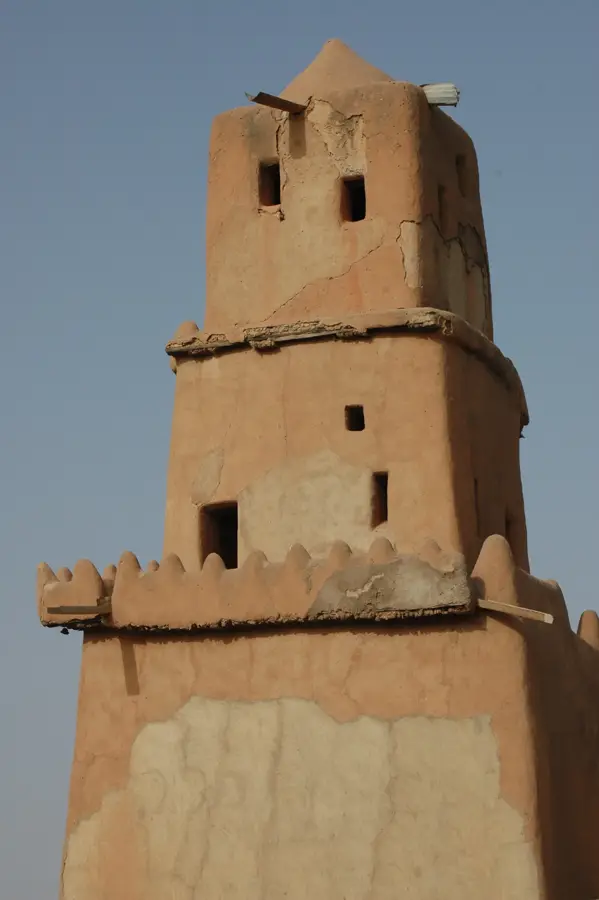
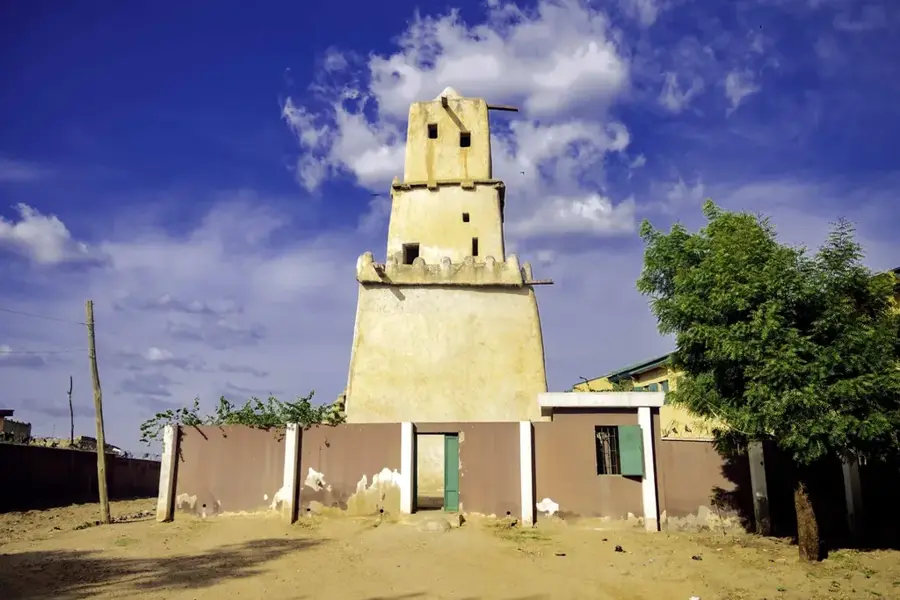
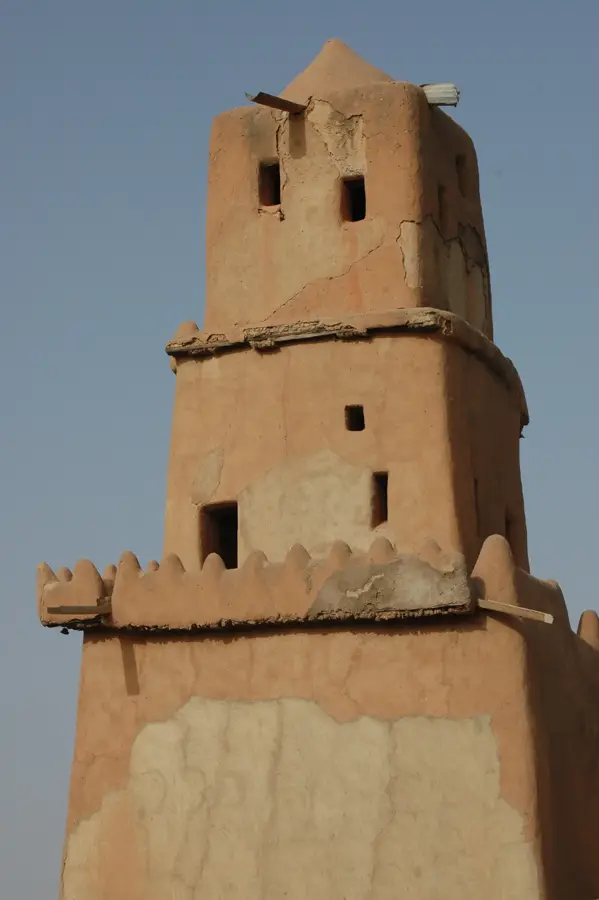
- The Gobarau Minaret gives panoramic views; ask locally if it's currently open for visitors to climb.
- Hire a Keke Napep to take you on a tour of the historic Katsina City Gates.
- The climate is very hot and dry; plan your sightseeing for the early morning or late afternoon.
- As a center of Islamic scholarship, conservative dress and respectful behavior in public spaces are expected.
🍽 Food
Found at evening street food stalls across the city.
A refreshing local drink for the hot climate, sold at markets.
Best enjoyed fresh in the morning at local breakfast spots.
🛍 Shopping · 🧘 Quiet spots
The main hub for agricultural products, traditional clothes, and spices.
Katsina has a long history of leather crafting; look for artisans in the old town.
The large squares outside the palace are very peaceful on regular days.
Take a quiet walk along the remains of the historic mud walls.
Water temperature…
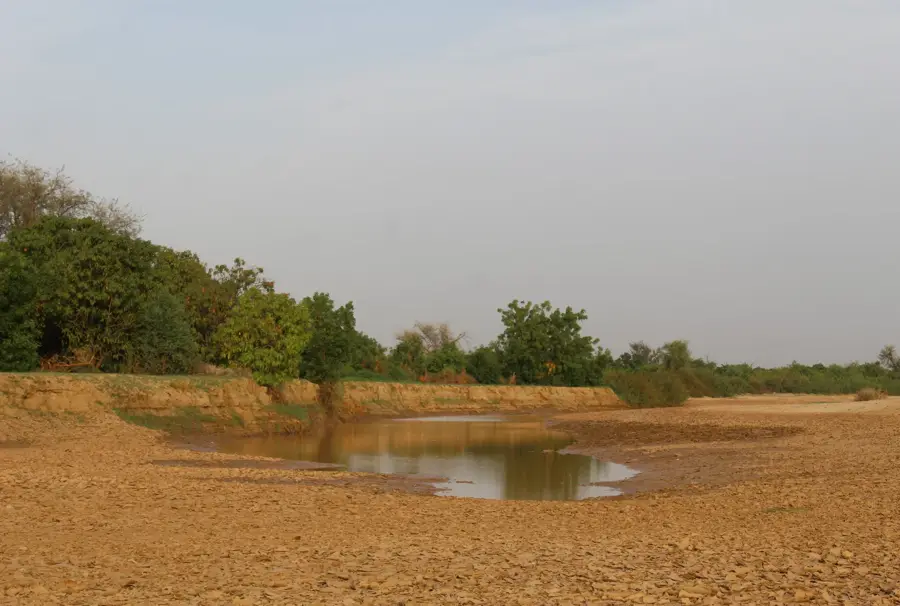
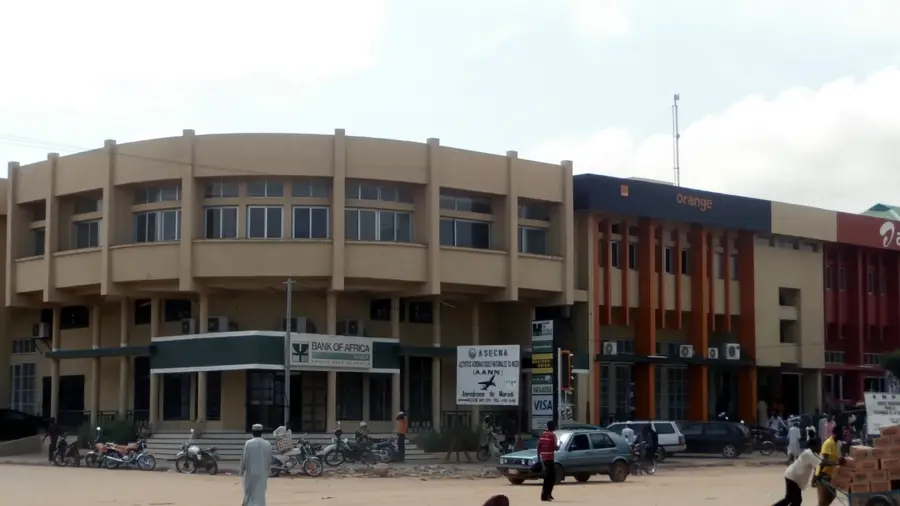
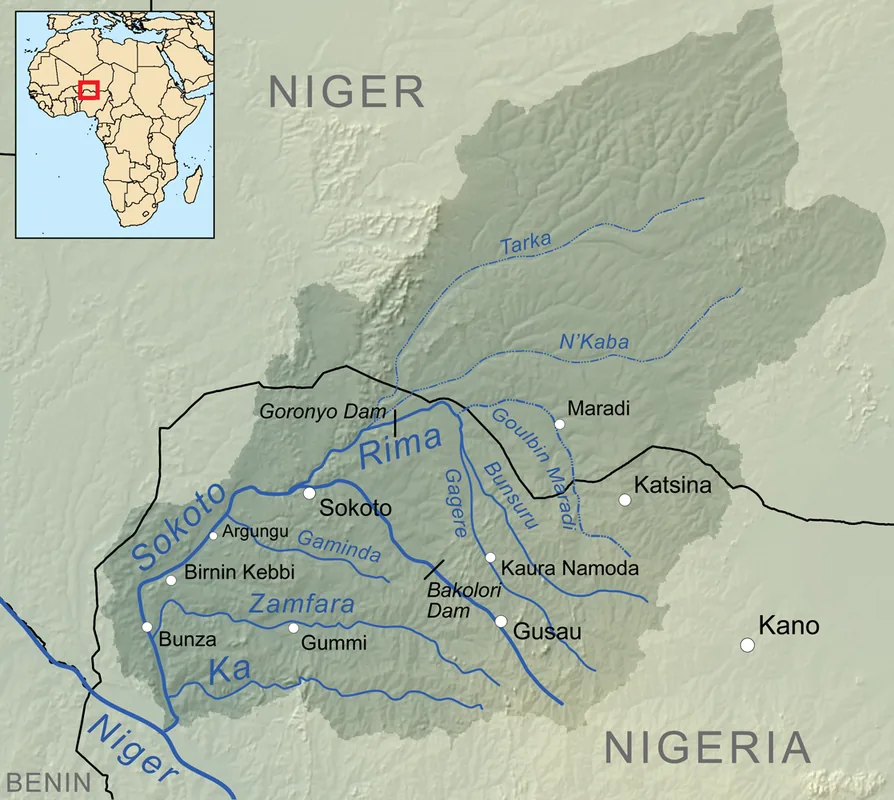
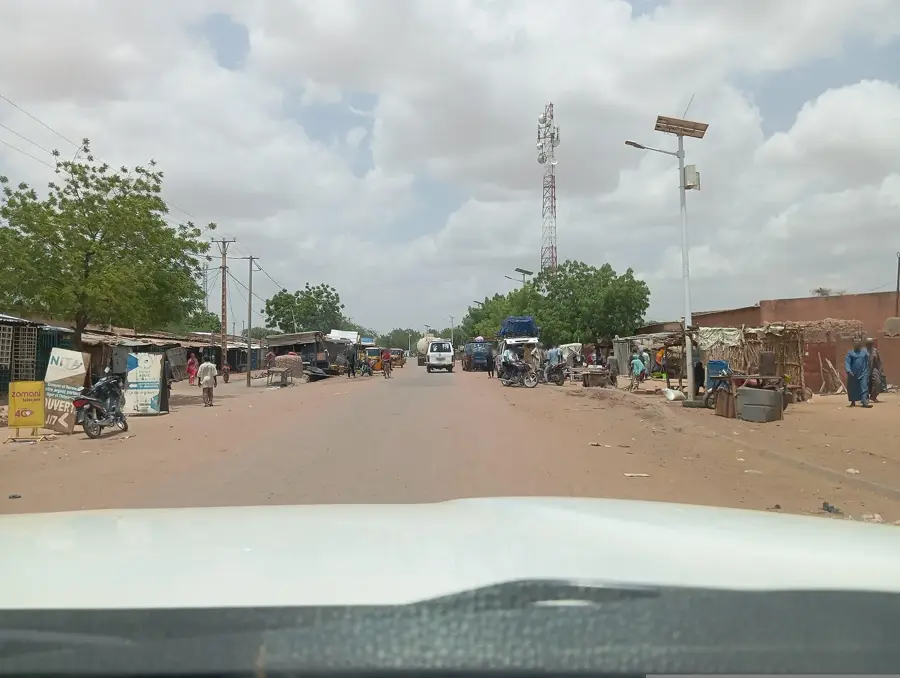
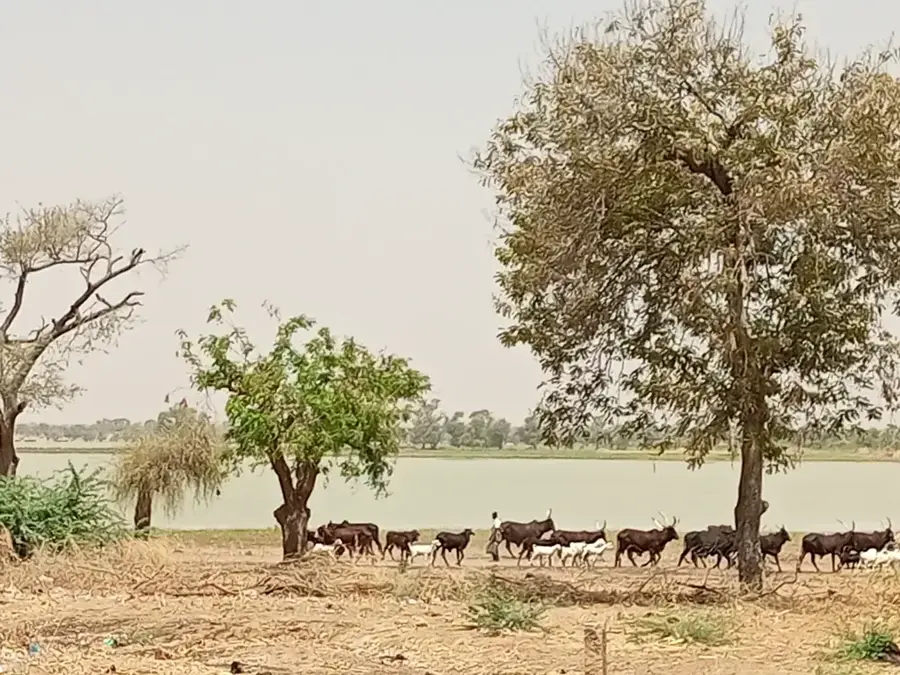
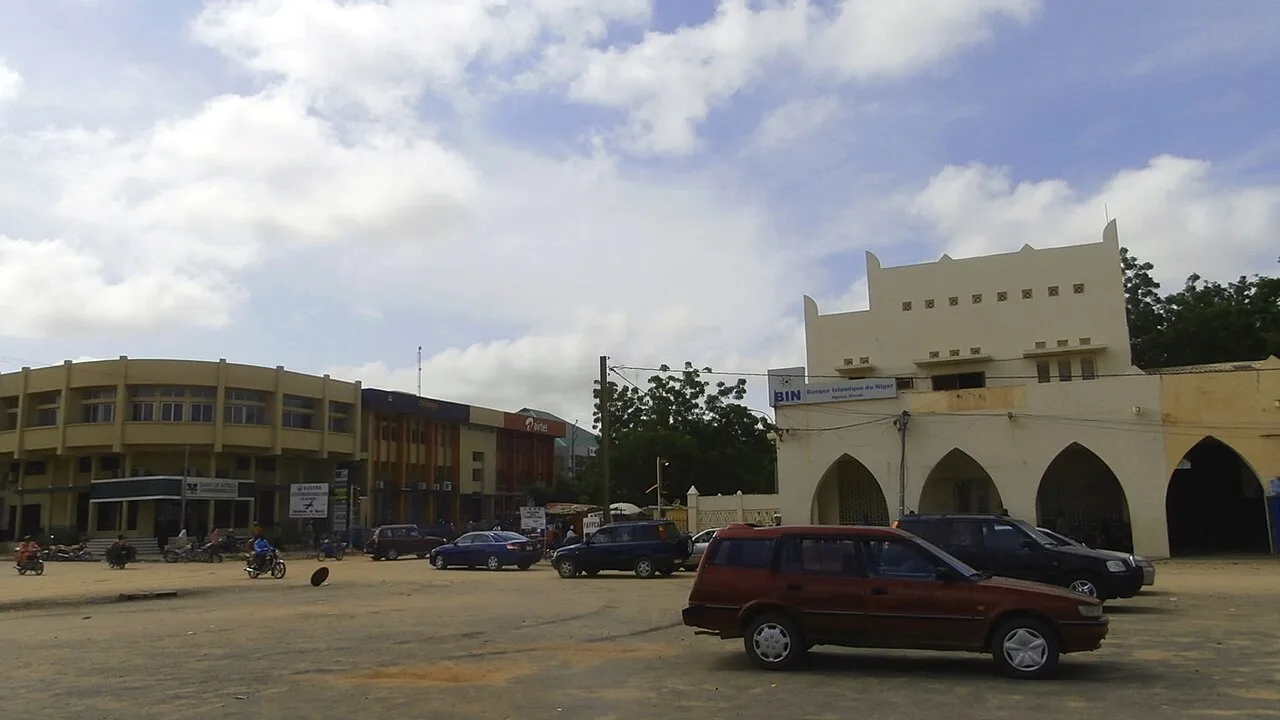
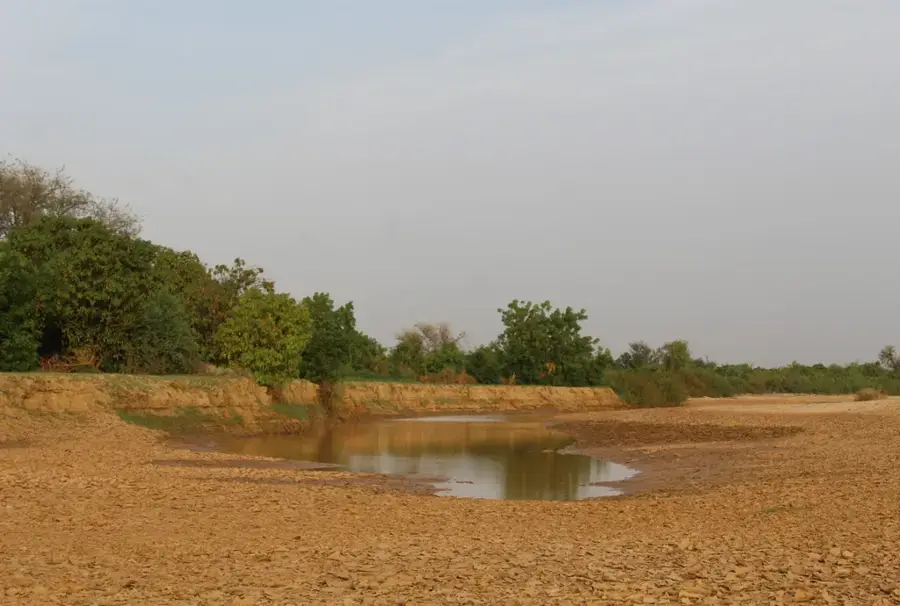
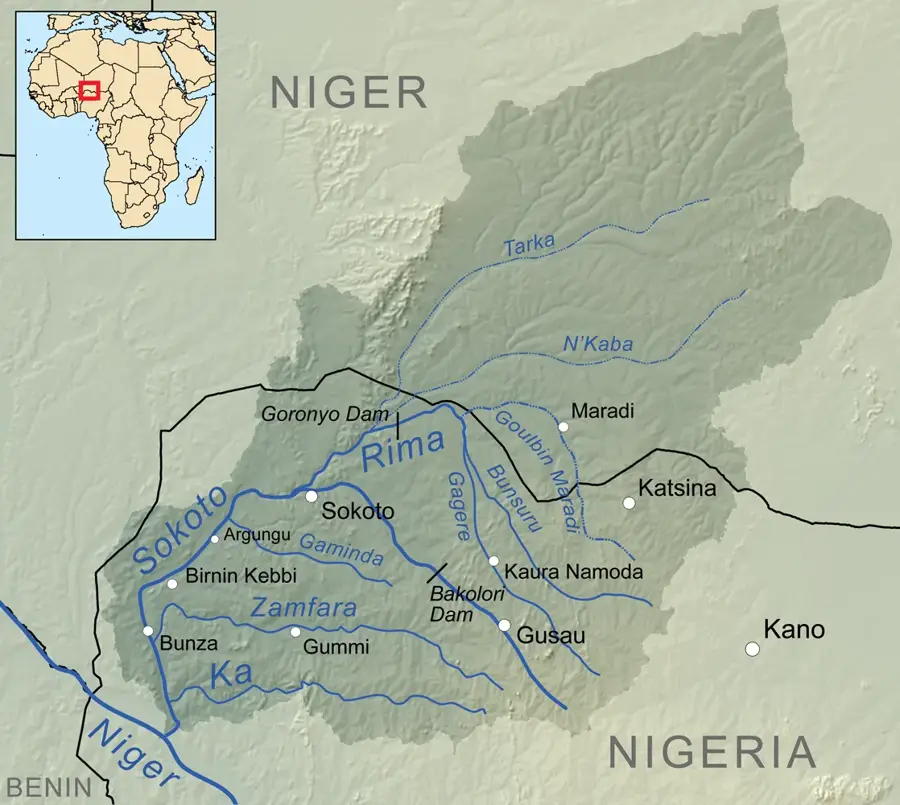
Katsina, the capital of Katsina State in Northern Nigeria, is one of the oldest cities in the Hausa-Fulani heartland, boasting a history that dates back to the 11th century. Historically, it was a prominent city-state and a major center of learning and commerce along the trans-Saharan trade routes. The city's architectural pride is the Gobarau Minaret, a 50-foot clay-brick tower built in the 15th century that once served as the central pillar of an early Islamic university. Katsina was the intellectual capital of the north long before the colonial era, attracting scholars from across the Muslim world. The city is surrounded by ancient mud walls, which although partially eroded, still define the perimeter of the historical core. The Emir's Palace, Gidan Korau, is another significant historical site, showcasing the intricate mud-relief decorations characteristic of Hausa craftsmanship. Geographically, Katsina is situated in the Sudan Savannah, characterized by sandy plains and scattered trees, and its proximity to the Niger border makes it a strategic point for international trade. The economy is primarily agricultural, with the region being a leading producer of millet, guinea corn, and livestock. Katsina also holds a prestigious place in Nigeria's modern political history, as it was home to many of the country's founding fathers and presidents. The city's educational legacy is carried on by institutions like the Umaru Musa Yar'Adua University and the Federal College of Education. Cultural life in Katsina is bustling, especially during the annual Durbar festival, where the Emir leads a colorful procession of horsemen through the streets. The climate is semi-arid, with high temperatures reaching their peak in April and May, followed by a brief but intense rainy season. As a quiet yet historically significant city, Katsina gives a window into the enduring traditions and scholarly pursuits that have shaped the culture of northern Nigeria for centuries.
- Location: Nigeria
- Population: ~670.000 (2026)
Best time to visit & climate
The most pleasant time to visit is Jan, Feb, Dec.
| Jan | Feb | Mar | Apr | May | Jun | Jul | Aug | Sep | Oct | Nov | Dec | |
|---|---|---|---|---|---|---|---|---|---|---|---|---|
| Avg °C | 21 | 25 | 29 | 32 | 32 | 30 | 28 | 26 | 26 | 27 | 25 | 22 |
| Rain mm | 0 | 0 | 3 | 10 | 38 | 97 | 178 | 230 | 108 | 19 | 8 | 0 |
Geography
Facts
- Katsina is the headquarters of the Katsina Emirate, founded in the 15th century.
- The city was a major rival to Timbuktu as a center of scholarship.
- The Katsina polo tournament is one of the oldest sporting events in the country.
- Gobarau is believed to have been built by Muhammad Korau, the first Muslim king.
- The city's modern industrial estate focuses on food processing and textiles.
- Katsina is located on the edge of the Sahel, making it prone to desertification.
- The city’s main market is known for its high-quality leather and metalwork.
- Katsina State is often referred to as the 'Home of Hospitality'.
Explore nearby
Notable places around

Route planner — Car & Motorhome
Where do you start? We build the route here, with stops and country notes along the way.
© OpenStreetMap contributors · OpenRouteService
Sights in the town Katsina (1)
Frequently asked questions
What historical significance does Katsina have?
When should I visit Katsina?
What can you see in Katsina?
Is the journey difficult?
What is the local cuisine?
Katsina: where is it located?
Katsina: when is the best time to visit?
Katsina: why is it worth visiting?

Nearby cities
History & landmarks
Nature
More places