Plizio Visual Lab
Kano
ℹ️Practical info — Kano
▾
🌤 Weather — 5 days
📍 Nearby
Sights nearby
💡 Tips
- The vast Kurmi Market is a maze; consider hiring a local guide so you don't get lost and to find the best stalls.
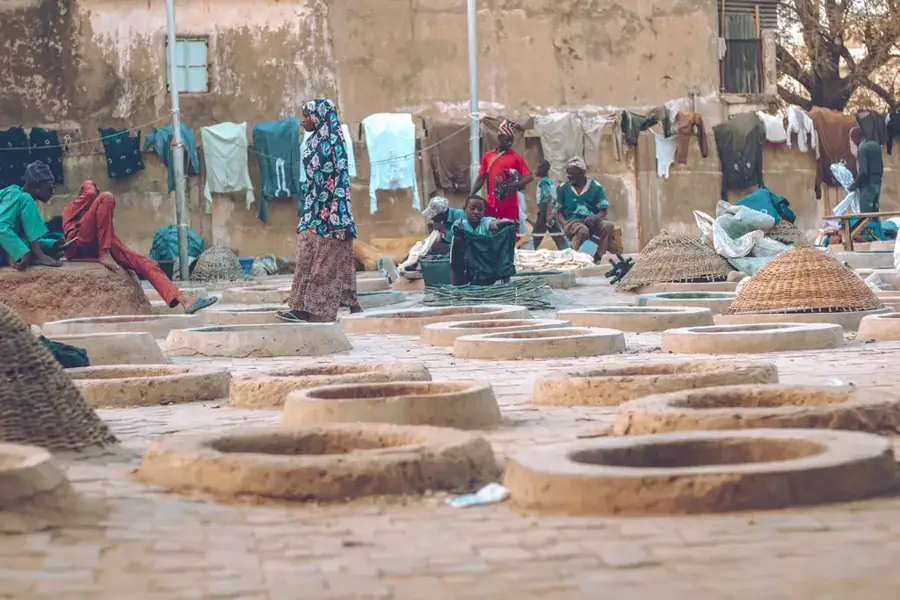
- Visit the famous Kofar Mata Dye Pits in the late morning when the dyeing activity is at its peak.
- Kano is a deeply traditional Islamic city, so very conservative dress (covering shoulders and knees) is essential.
- Taxis and tricycles do not use meters; clearly agree on the destination and price beforehand.
🍽 Food
Sold by specialized local vendors near the main markets.
A rice pudding staple often served with soup in traditional canteens across the old city.
A classic Kano street food served with oil and pepper.
🛍 Shopping · 🧘 Quiet spots
Famous for traditional leatherwork, brass, and ancient trade goods.
One of West Africa's largest textile markets, excellent for buying fabrics.
A peaceful spot to admire traditional Hausa architecture away from the street noise.
Quiet areas for a stroll on non-festival days.
Water temperature…
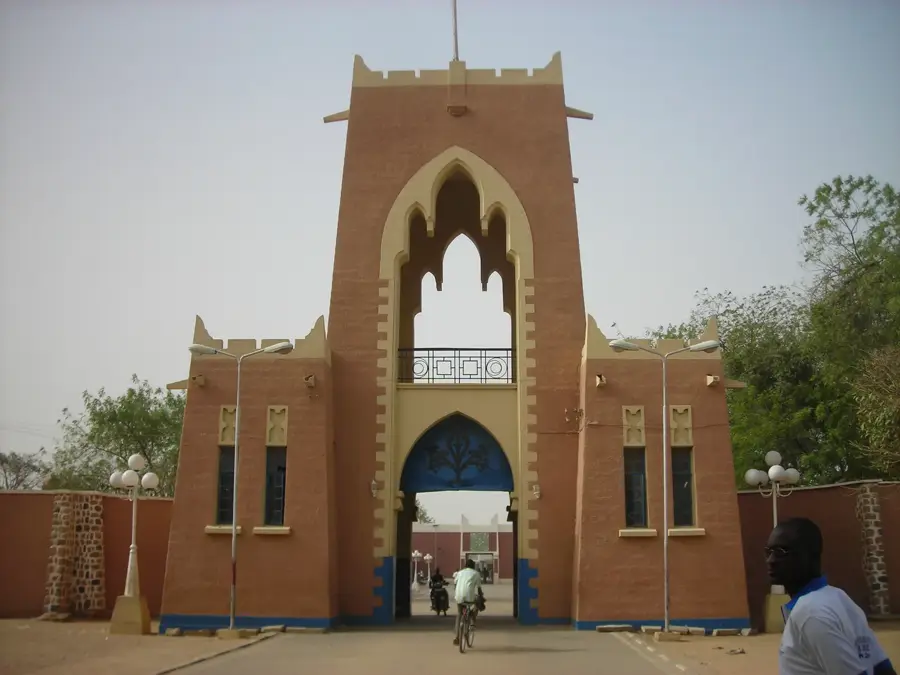
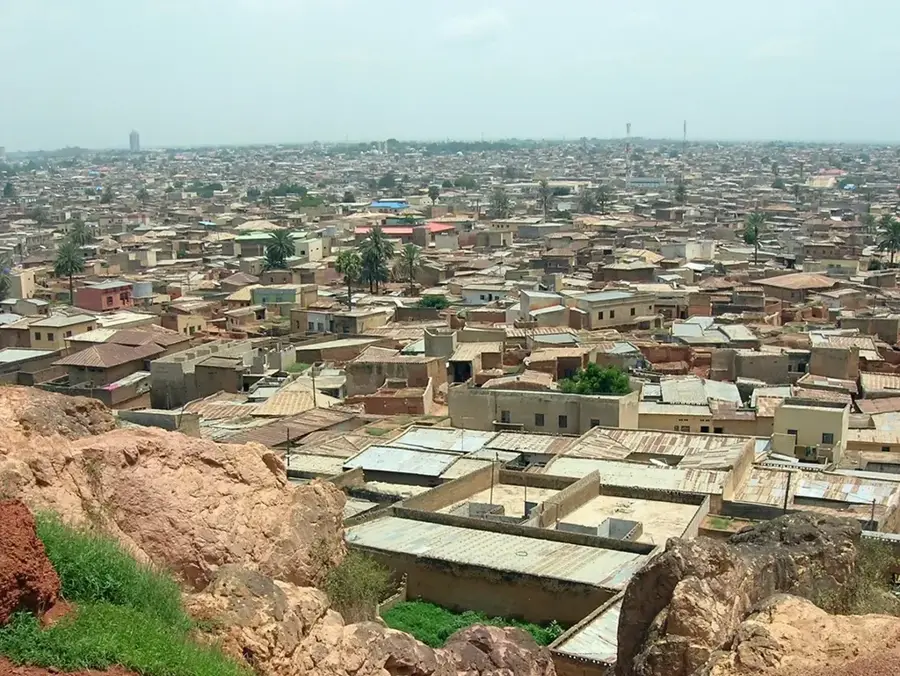
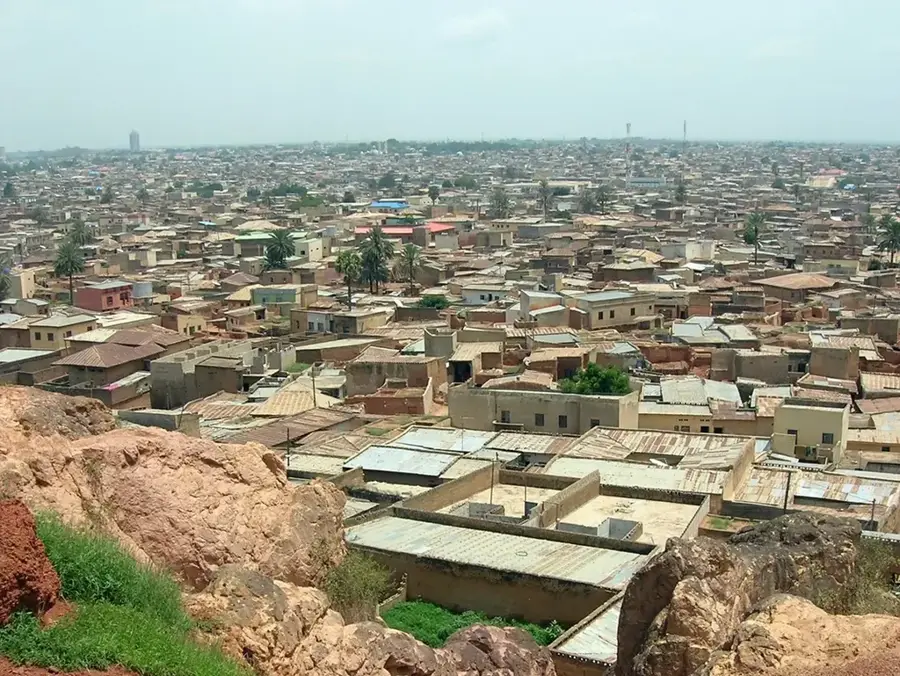
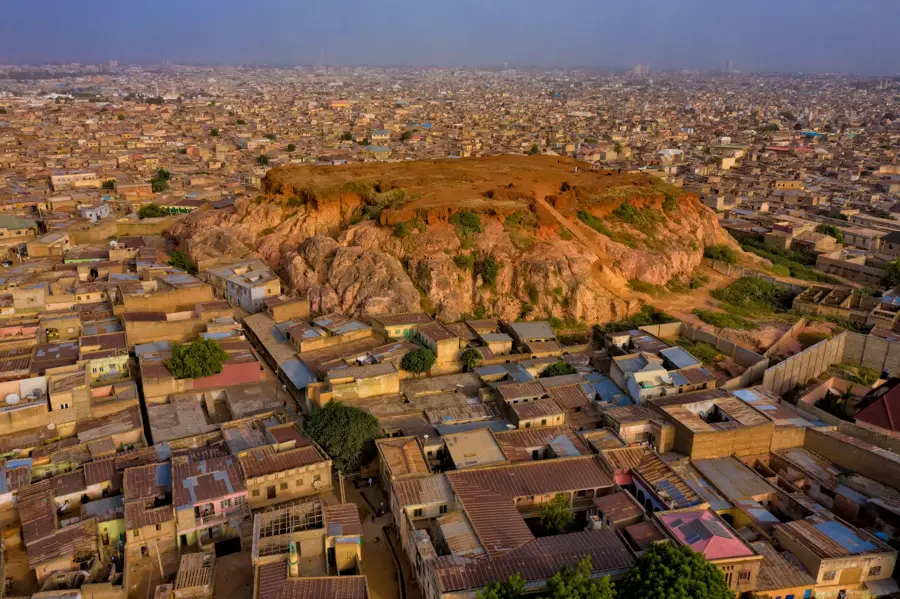
Kano, the capital of Kano State and the second-largest city in Nigeria, is an ancient metropolis with a heritage stretching back over 1,000 years. It was the historical southern terminus of the trans-Saharan trade routes, functioning as a vital exchange point for goods between the Mediterranean and West African forest zones. The city is famous for its massive fortifications, the Ancient Kano City Walls, which were described by 19th-century European explorers as the most impressive engineering feat in West Africa. At the heart of the city lies the Dala Hill, an iron-smelting site that predates the common era and marks the mythical foundation of Kano. The Emir of Kano's palace, Gidan Rumfa, built in the 15th century, continues to be the seat of one of the most influential traditional monarchies in Africa. Kano is also home to the Kurmi Market, established hundreds of years ago to facilitate the trade of spices, jewelry, and leather. The city's dye pits at Kofar Mata are among the oldest in the world, still utilizing traditional fermentation techniques to produce the deep indigo cloth characteristic of the Sahelian peoples. Economically, Kano serves as the commercial nerve center of Northern Nigeria, hosting massive grain markets and the largest leather tanning industry in the country. The Bayero University Kano is a leading institution of higher learning, reinforcing the city's status as a center of Islamic and western education. One of the most spectacular cultural events is the Durbar festival, a grand procession of decorated horses and riders that commemorates religious holidays. Despite its ancient roots, Kano is a rapidly modernizing city with a sprawling industrial estate and a major international airport named after Mallam Aminu Kano. The city's population is predominantly Hausa and Fulani, but its commercial success has made it a diverse hub for traders from across the continent, ensuring its place as a cornerstone of Nigerian economic and cultural life.
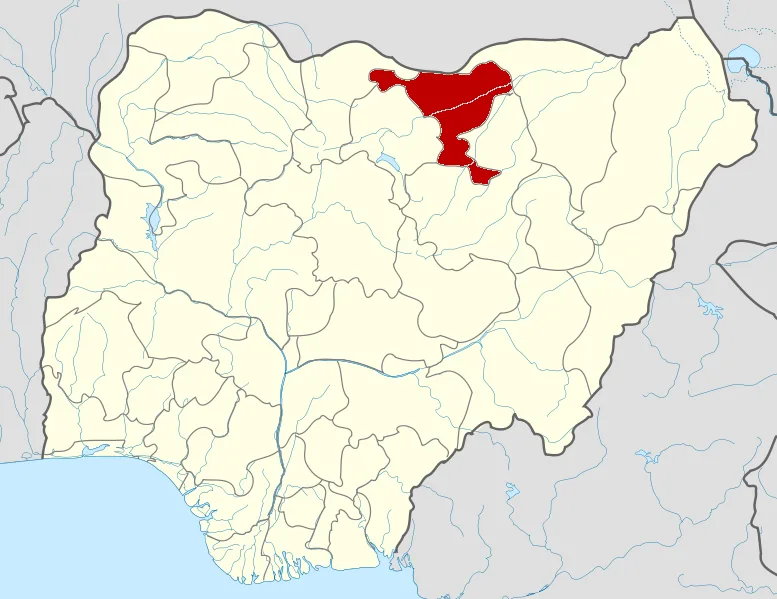
- Location: Nigeria
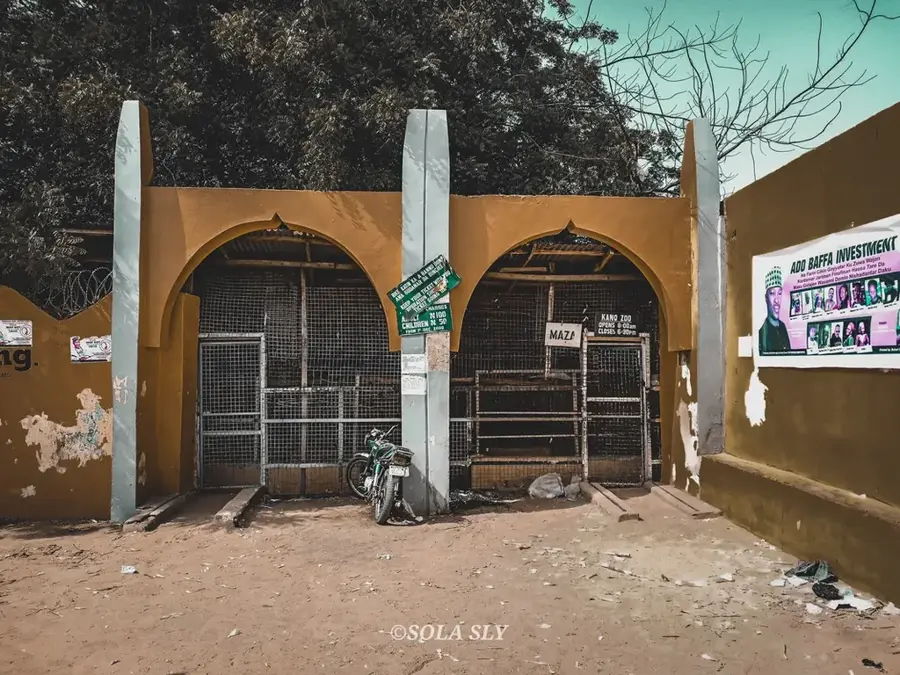
- Top sights: Kofar Mazugal · Kofar Wambai
- Population: ~4.910.000 (2026)
Best time to visit & climate
The most pleasant time to visit is Jan, Feb, Dec.
| Jan | Feb | Mar | Apr | May | Jun | Jul | Aug | Sep | Oct | Nov | Dec | |
|---|---|---|---|---|---|---|---|---|---|---|---|---|
| Avg °C | 21 | 24 | 28 | 31 | 31 | 30 | 28 | 26 | 27 | 27 | 24 | 21 |
| Rain mm | 0 | 0 | 8 | 18 | 48 | 71 | 144 | 204 | 105 | 23 | 8 | 0 |
Geography
Facts
- Kano is home to the Gidan Dan Hausa, a house built in 1905 for early colonial officers.
- The city's industrial area, Bompai, contains over 100 manufacturing plants.
- Kano is the main distribution center for electronics and vehicles in the north.
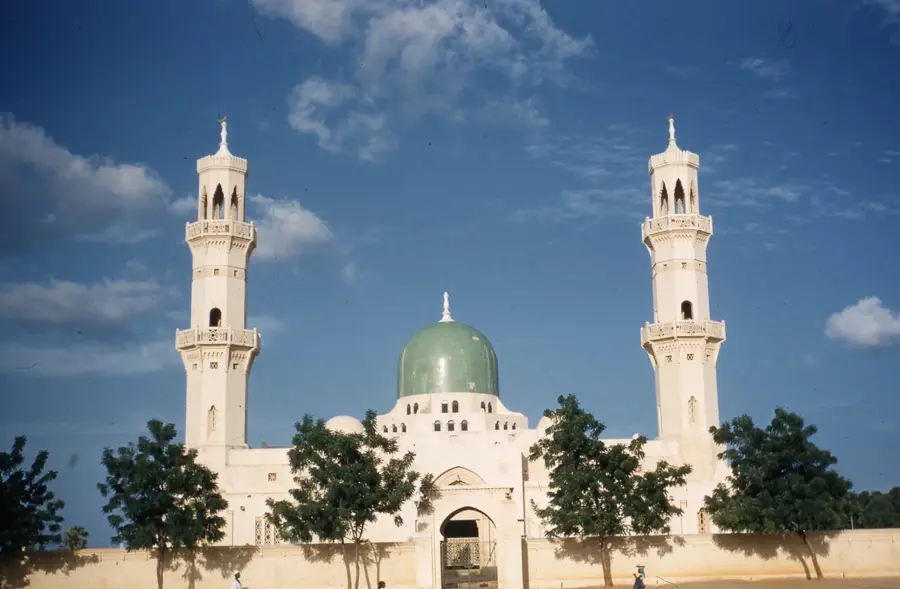
- The city has over 500 mosques, including some of the largest in West Africa.
- Kano’s population has doubled every 15-20 years since the mid-20th century.
- The traditional emirate council still holds significant judicial power in local disputes.
- Kano is famous for its 'Kilishi' (spiced jerky) and 'Masa' (rice cakes).
- The state produces more than 2 million tons of grains annually.
Explore nearby
Notable places around

Route planner — Car & Motorhome
Where do you start? We build the route here, with stops and country notes along the way.
© OpenStreetMap contributors · OpenRouteService
Sights in the town Kano (2)
Frequently asked questions
What is Kano City known for?
What is the best clothing?
Can you eat well there?
Are photos in the market allowed?
What is the best way to reach Kano?
Kano: where is it located?
Kano: what is there to see?
Kano: when is the best time to visit?
Kano: why is it worth visiting?

History & landmarks

Nature
More places