Plizio Visual Lab
Kaduna
ℹ️Practical info — Kaduna
▾
🌤 Weather — 5 days
📍 Nearby
Sights nearby
💡 Tips
- Visit the historic Lugard Footbridge early in the morning for the best light and to avoid the midday heat.
- Public transport heavily relies on Keke Napeps (tricycles); always negotiate your fare before getting in.
- Dress modestly, especially in the northern parts of the city, to respect local customs.
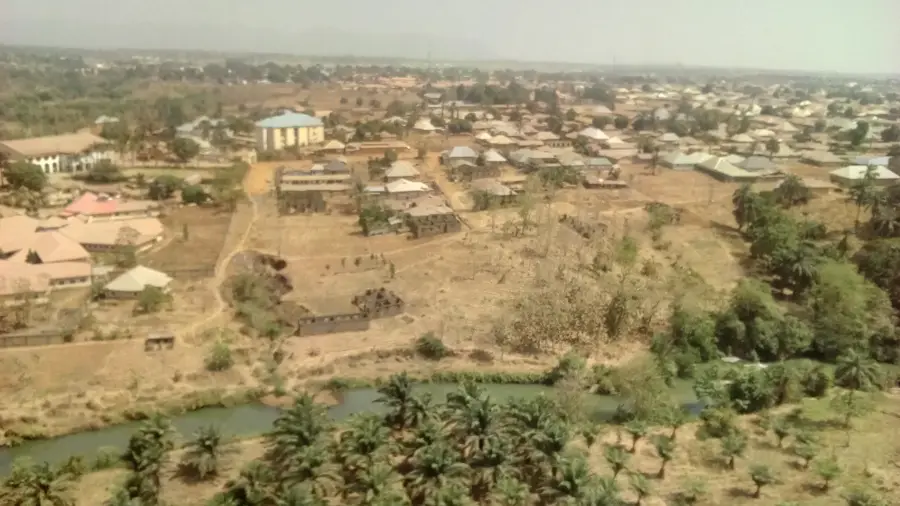
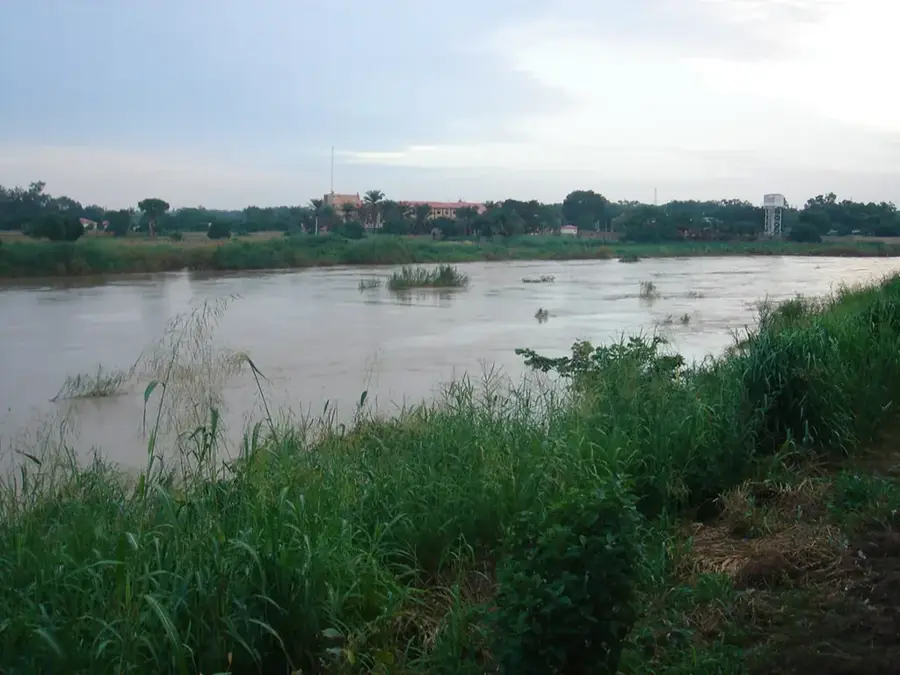
- The Kaduna River can flood during the rainy season (July-September), so check local advice before visiting riverside areas.
🍽 Food
Sold at evening street stalls along Ahmadu Bello Way and major intersections.
Often served with pumpkin soup at local eateries.
Look for local dairy vendors at the markets.
🛍 Shopping · 🧘 Quiet spots
A bustling place for spices, textiles, and everyday goods.
Check out artisan shops along the main commercial streets.
A large, relaxing green space along the Kaduna River.
A calm area for a morning stroll or light exercise.
Water temperature…
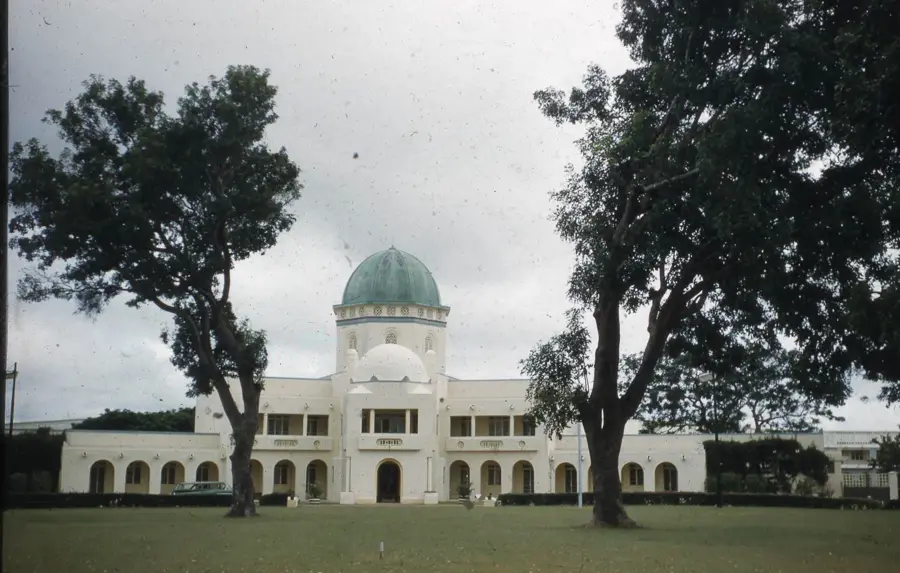
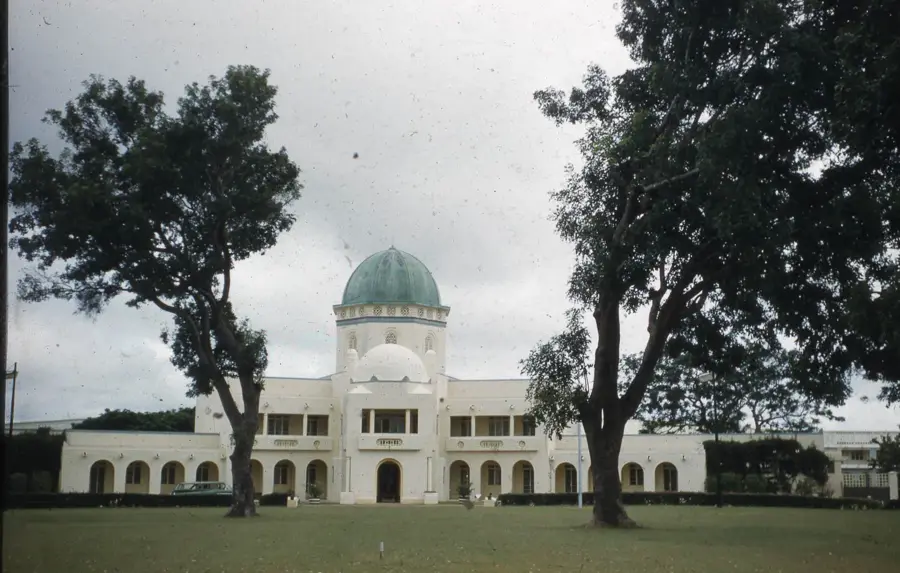
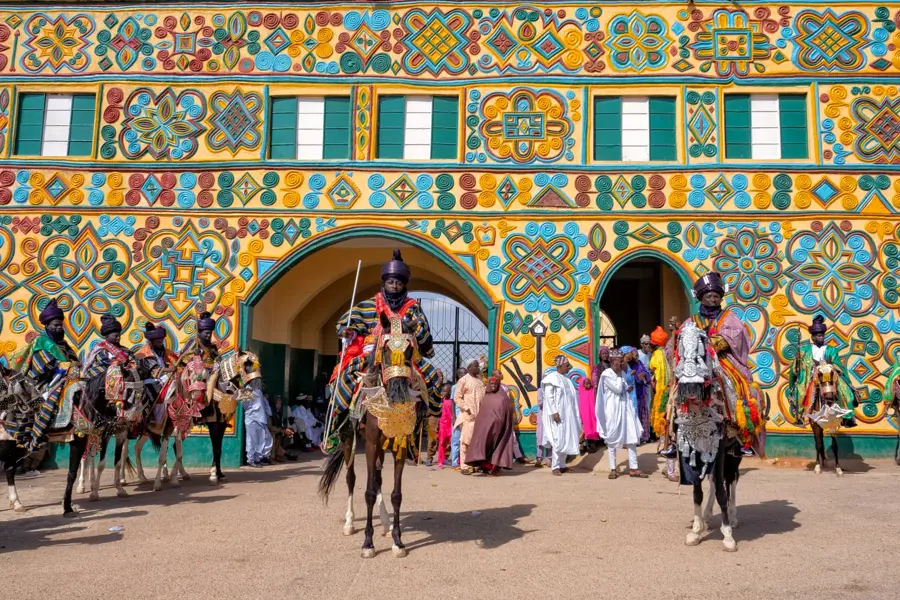
Kaduna, the capital of Kaduna State in North-Central Nigeria, is a major industrial and administrative hub that serves as a gateway to the country's northern regions. Established in 1913 by Sir Frederick Lugard, the first Governor-General of Nigeria, it was designed to be the administrative headquarters of the Northern Protectorate due to its central location and reliable water supply from the Kaduna River. The city's name is the Hausa plural for 'crocodiles,' reflecting the river's former inhabitants. Kaduna's urban layout is characterized by wide boulevards and planned residential estates, a legacy of its British colonial architects. Throughout much of the 20th century, Kaduna was known as the 'Textile Capital of Africa,' housing massive mills that processed locally grown cotton into fabrics for the continental market. While the textile industry has faced significant challenges, the city remains an economic powerhouse with a major petroleum refinery, diverse manufacturing plants, and a thriving telecommunications sector. Kaduna is also the military heart of Nigeria, hosting the Nigerian Defence Academy (NDA) and the Command and Staff College in nearby Jaji. The city's intellectual life is bolstered by numerous research institutes and the close proximity to Ahmadu Bello University, West Africa's largest university. Culturally, Kaduna represents a crossroads where the traditions of the northern emirates meet the diverse cultures of the Middle Belt. The Kaduna Museum features an extensive array of Nok terracotta figures, some of the oldest sculptural traditions in Africa. The Gamji Park, situated along the riverbank, is the city's premier leisure destination, featuring a zoo and botanical gardens. As a vital junction on the national railway network, Kaduna continues to play a pivotal role in the movement of goods and people between the northern hinterlands and the southern ports of Lagos and Port Harcourt.
- Location: Nigeria
- Nearby: Zaria (69 km)
- Population: ~1.850.000 (2026)
Best time to visit & climate
The most pleasant time to visit is Jan, Nov, Dec.
| Jan | Feb | Mar | Apr | May | Jun | Jul | Aug | Sep | Oct | Nov | Dec | |
|---|---|---|---|---|---|---|---|---|---|---|---|---|
| Avg °C | 21 | 25 | 28 | 28 | 27 | 25 | 24 | 23 | 24 | 24 | 23 | 21 |
| Rain mm | 1 | 4 | 26 | 86 | 134 | 169 | 300 | 326 | 254 | 87 | 11 | 0 |
Geography
Facts
- Kaduna was the capital of the Northern Region from 1954 to 1967.
- The city hosts the Kaduna International Trade Fair, the largest in northern Nigeria.
- Kaduna is often referred to as 'K-Town' or the 'Crocodile City' by locals.
- The Nigerian Air Force has its tactical training command based in the city.
- The city's electricity is partly supplied by the Shiroro hydroelectric dam system.
- Kaduna Polytechnic is one of the oldest and largest technical colleges in Nigeria.
- The prestigious Barewa College is located in the nearby city of Zaria.
- The Kaduna River experiences significant flooding during the peak of the rainy season.
Explore nearby
Notable places around

Route planner — Car & Motorhome
Where do you start? We build the route here, with stops and country notes along the way.
© OpenStreetMap contributors · OpenRouteService
Sights in the town Kaduna (1)
Frequently asked questions
How many days should I spend in Kaduna?
When is the best time to visit Kaduna?
What is the best way to get to Kaduna?
Are there any local specialties in Kaduna?
Is Kaduna a family-friendly destination?
Kaduna: where is it located?
Kaduna: when is the best time to visit?
Kaduna: why is it worth visiting?

Nearby cities
Nature
More places