Plizio Visual Lab
Abuja
ℹ️Practical info — Abuja
▾
🌤 Weather — 5 days
📍 Nearby
Sights nearby
💡 Tips
- Taxis here are generally unpainted green or green-white; always agree on the fare before the ride.
- Aso Rock is a restricted presidential area, so photography is prohibited in its immediate vicinity.
- The city is planned in phases; knowing your destination's phase (e.g., Phase 1, Wuse) is crucial for navigation.
- Evenings are best spent in the parks of Maitama or Wuse II.
🍽 Food
A spicy, dry-aged meat delicacy; Area 1 Shopping Complex is famous for the best quality.
Yahuza Suya Spot in Wuse II is a highly recommended chain for this evening snack.
Upscale restaurants in the Maitama district offer excellent Jollof rice and local dishes.
🛍 Shopping · 🧘 Quiet spots
The city's principal market, offering everything from traditional clothing to spices.
A centralized spot in the city for finding wooden souvenirs, leatherwork, and art.
The largest public park in Abuja, well-suited for a peaceful walk or picnic.
A scenic reservoir offering relaxing waterside views and boat rides.
A serene retreat just outside the city with impressive natural landscape views.
Water temperature…
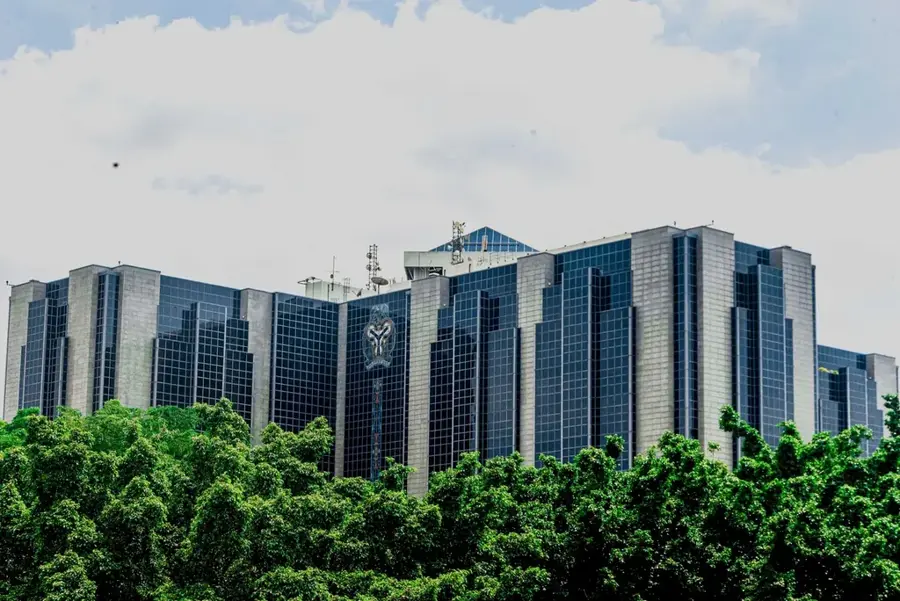
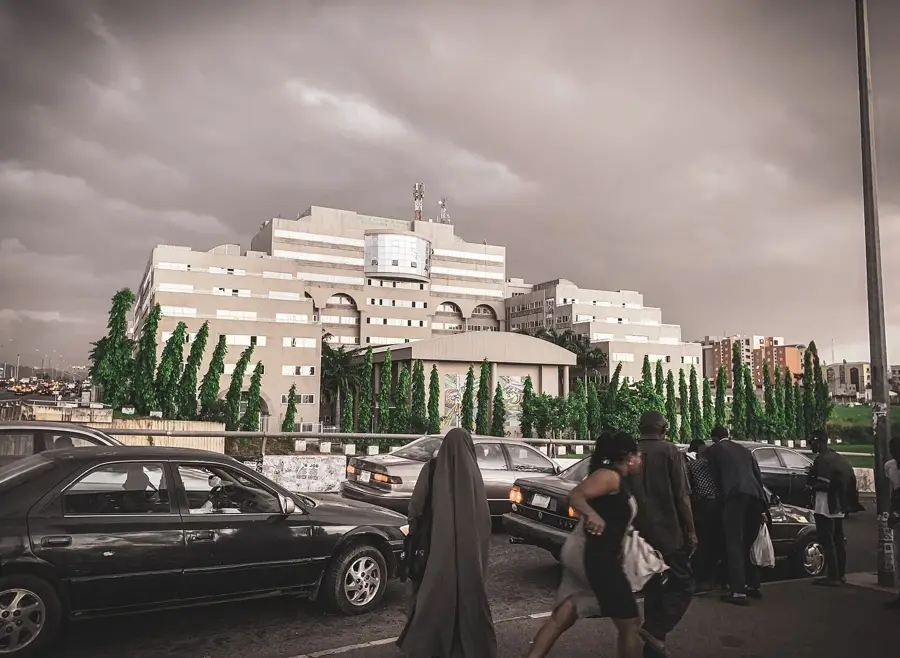
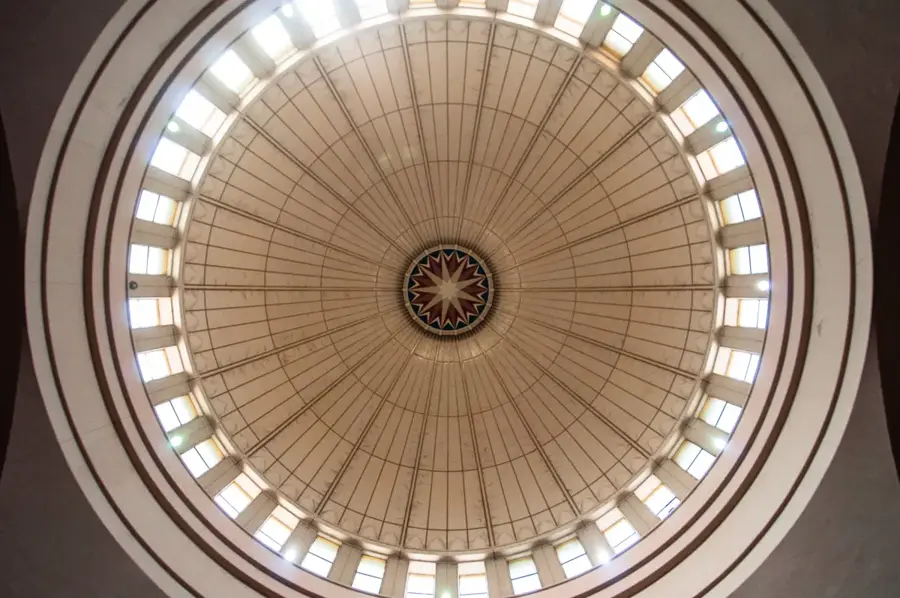
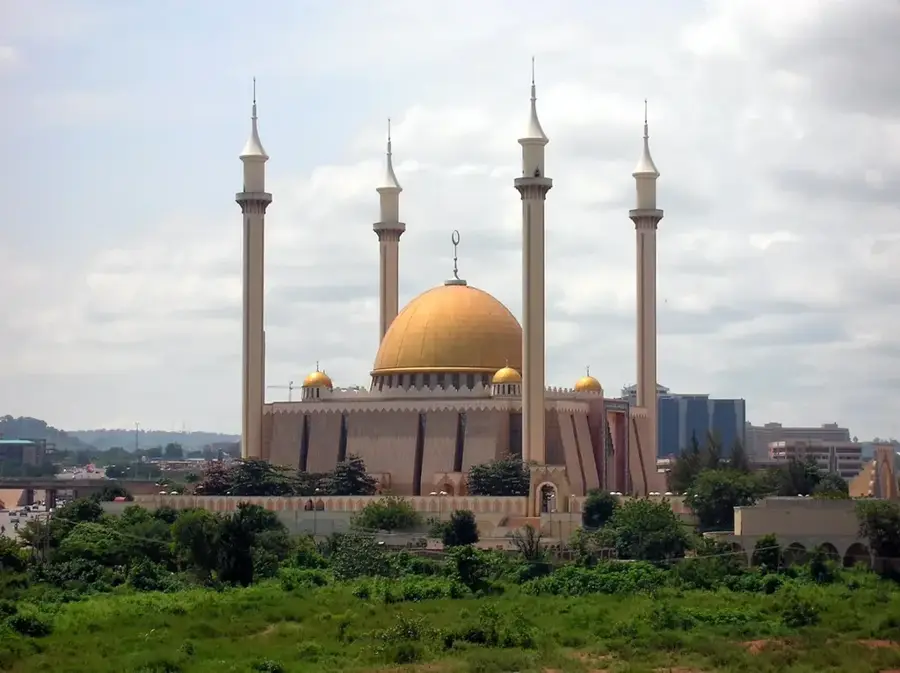
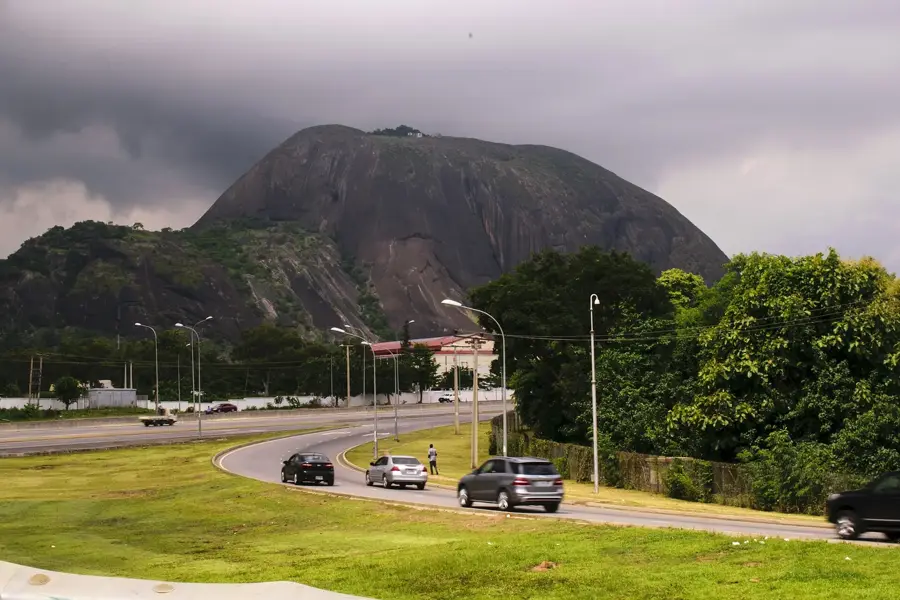
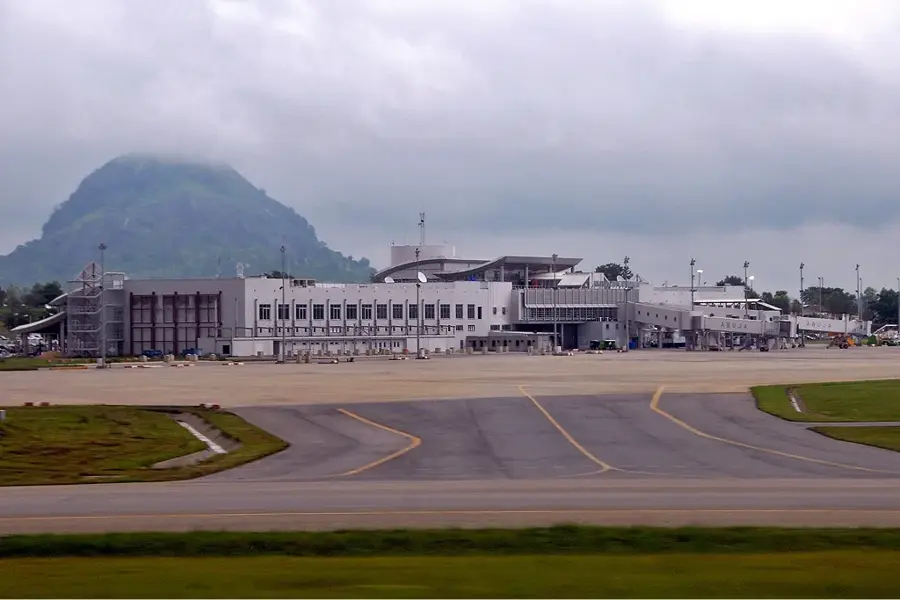
Abuja, the capital city of Nigeria, is a purpose-built metropolis situated in the center of the country within the Federal Capital Territory (FCT). Conceived in the 1970s and officially replacing Lagos as the capital in 1991, Abuja was designed to be a symbol of national unity and a neutral ground for Nigeria's over 250 ethnic groups. The city's master plan was developed by a consortium of American planners and finalized by Kenzo Tange, emphasizing a crescent-shaped urban layout divided into functional districts. Geographically, it is dominated by the Aso Rock, a 400-meter monolith that looms over the Three Arms Zone, housing the Presidential Villa, the National Assembly, and the Supreme Court. Another significant natural feature is the Zuma Rock, located just outside the city. Abuja is the diplomatic and political heart of Nigeria, hosting foreign embassies and the headquarters of international organizations like ECOWAS. Its economy is driven by government administration, real estate, and professional services. The city is known for its high standard of living compared to other Nigerian cities, featuring excellent road networks and organized public spaces like the Millennium Park. Cultural landmarks include the gold-domed National Mosque and the neo-gothic National Christian Centre, reflecting the nation's religious plurality. Despite its planned nature, the city has faced rapid population growth, leading to the development of satellite towns and sprawling suburbs. The Nnamdi Azikiwe International Airport serves as a major gateway to the capital. Abuja's identity is one of modern ambition, blending a serene administrative atmosphere with a burgeoning business and social scene, making it a pivotal city in the West African sub-region.
- Location: Nigeria
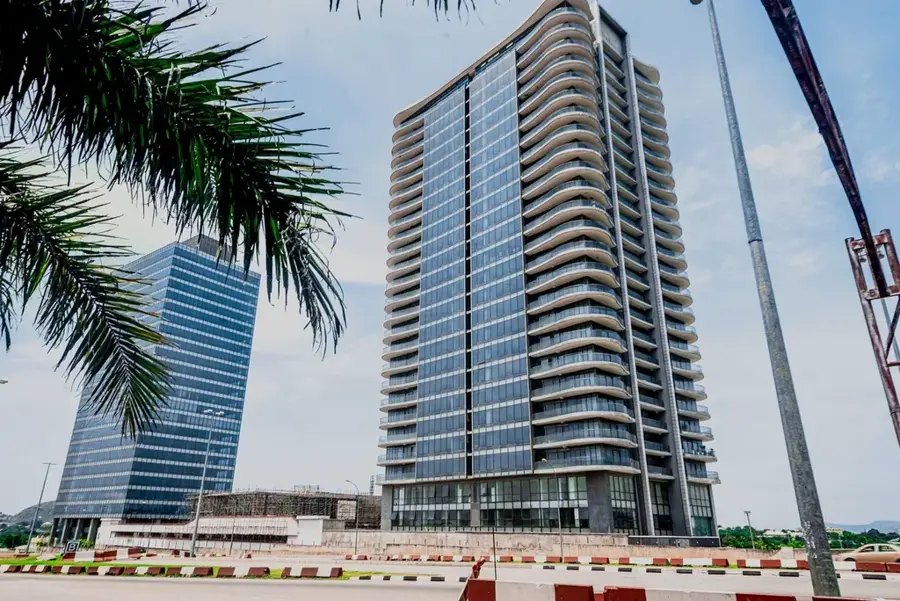
- Top sights: Millennium Tower · Exhibition Pavilion · Maitama Amusement Park
- Population: ~2.690.000 (2024)
Best time to visit & climate
The most pleasant time to visit is Jan, Nov, Dec.
| Jan | Feb | Mar | Apr | May | Jun | Jul | Aug | Sep | Oct | Nov | Dec | |
|---|---|---|---|---|---|---|---|---|---|---|---|---|
| Avg °C | 25 | 27 | 29 | 28 | 27 | 25 | 24 | 24 | 24 | 25 | 25 | 24 |
| Rain mm | 2 | 6 | 15 | 86 | 132 | 147 | 202 | 253 | 215 | 117 | 9 | 1 |
Geography
Facts
- The decision to move the capital from Lagos was made by General Murtala Mohammed.
- Abuja is located at the confluence of the Niger and Benue river regions.
- The city's design includes an inner and outer ring road system.
- Home to the Ship House, the headquarters of the Nigerian Ministry of Defence.
- The Aso Rock is the largest rock formation in the city's vicinity.
- Abuja is considered the fastest-growing city in Africa by some estimates.
- The city's Central Business District contains the National Library.
- International summits such as CHOGM have been hosted in Abuja.
Explore nearby
Notable places around

Route planner — Car & Motorhome
Where do you start? We build the route here, with stops and country notes along the way.
© OpenStreetMap contributors · OpenRouteService
Frequently asked questions
How many days should you plan for Abuja?
What is the best way to get around?
Is the city safe?
What local dish must you try?
Is it family-friendly?
Abuja: where is it located?
Abuja: what is there to see?
Abuja: when is the best time to visit?
Abuja: why is it worth visiting?
History & landmarks