Plizio Visual Lab
Hienghene Cultural History
ℹ️Practical info — Hienghene Cultural History
▾
🌤 Weather — 5 days
📍 Nearby
Sights nearby
💡 Tips
- When visiting tribal lands, it is essential to perform 'la coutume' (a customary gesture of respect involving a small gift like fabric or money).
- Rent a kayak early in the morning to paddle around the impressive Lindéralique limestone cliffs before the wind picks up.
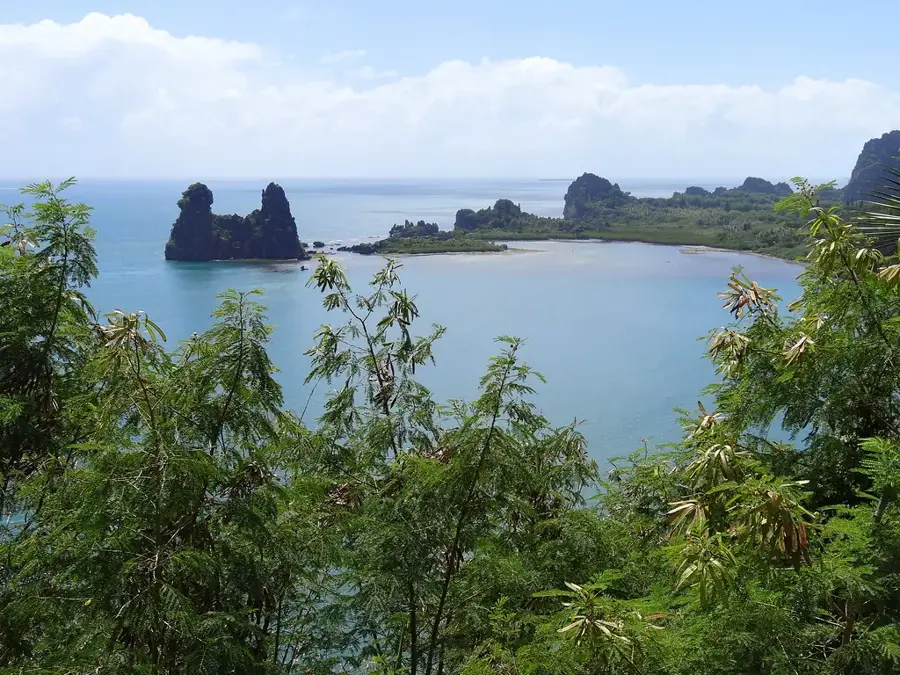
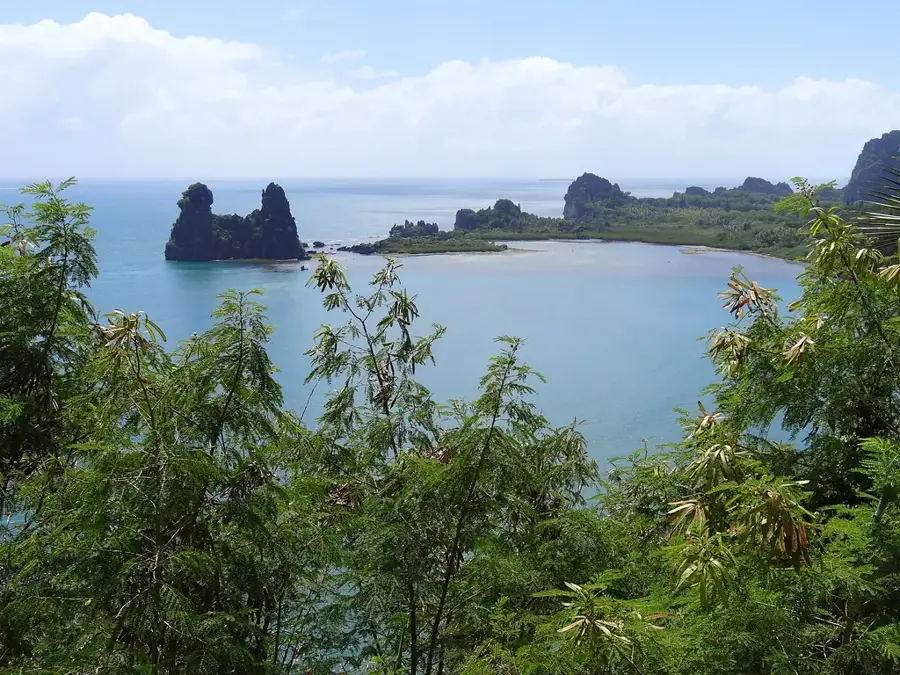
- The iconic 'Brooding Hen' rock formation is best photographed from the main viewpoint just south of the village.
- Keep in mind that many local businesses and eateries have limited hours; always call ahead to book meals or tours.
🍽 Food
The quintessential Kanak dish of meat and root vegetables cooked in an earth oven. Pre-order it at a local tribal homestay.
Enjoy freshly caught reef fish or lobster at small family-run eateries near the bay.
Pick up fresh bananas, papayas, and coconuts from small roadside stalls.
🛍 Shopping · 🧘 Quiet spots
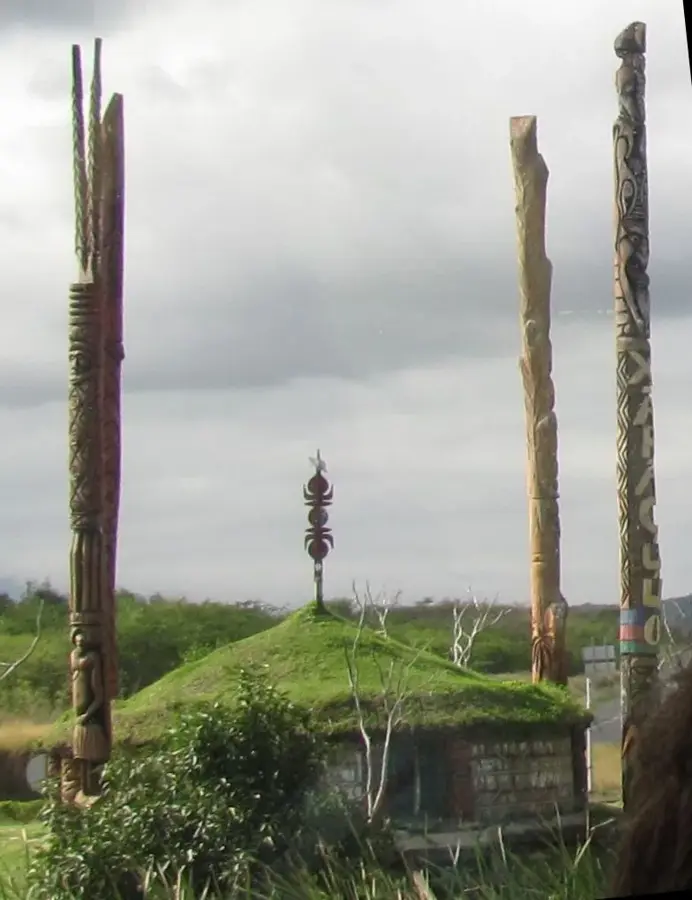
Find beautifully carved wooden sculptures and totems directly from artisans in the local villages.
Purchase high-quality vanilla beans grown in the lush valleys of the east coast.
A serene spot for an early morning walk with calm waters reflecting the towering black limestone cliffs.
Located slightly north, a majestic and peaceful waterfall surrounded by dense tropical forest.
Water temperature…
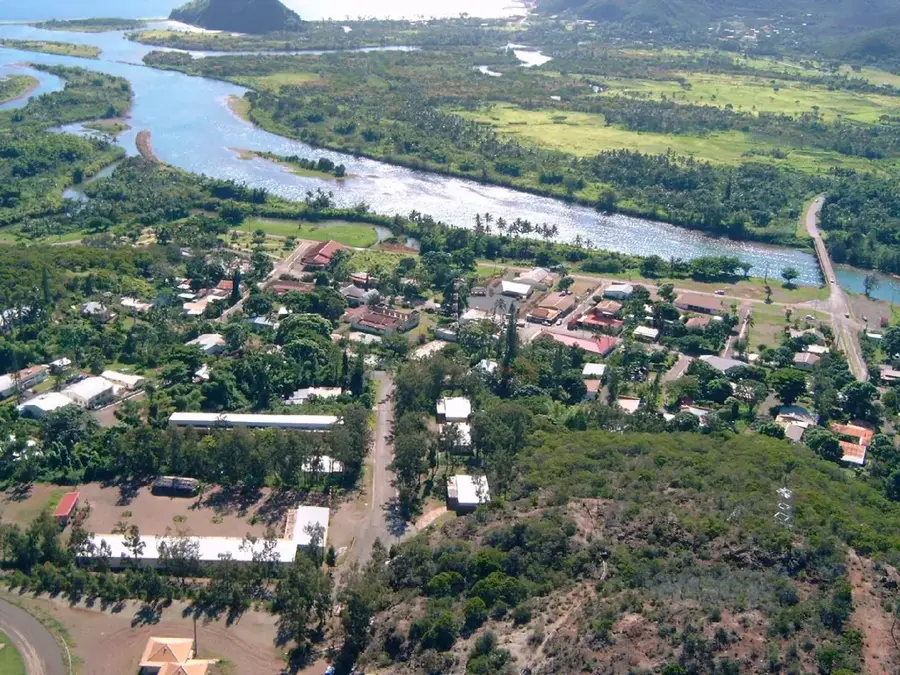
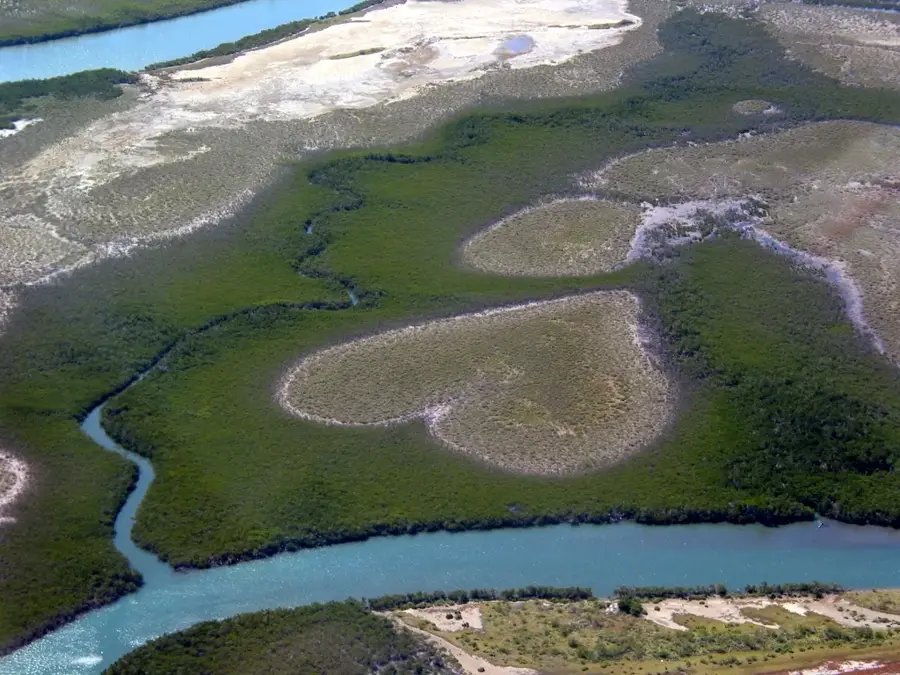
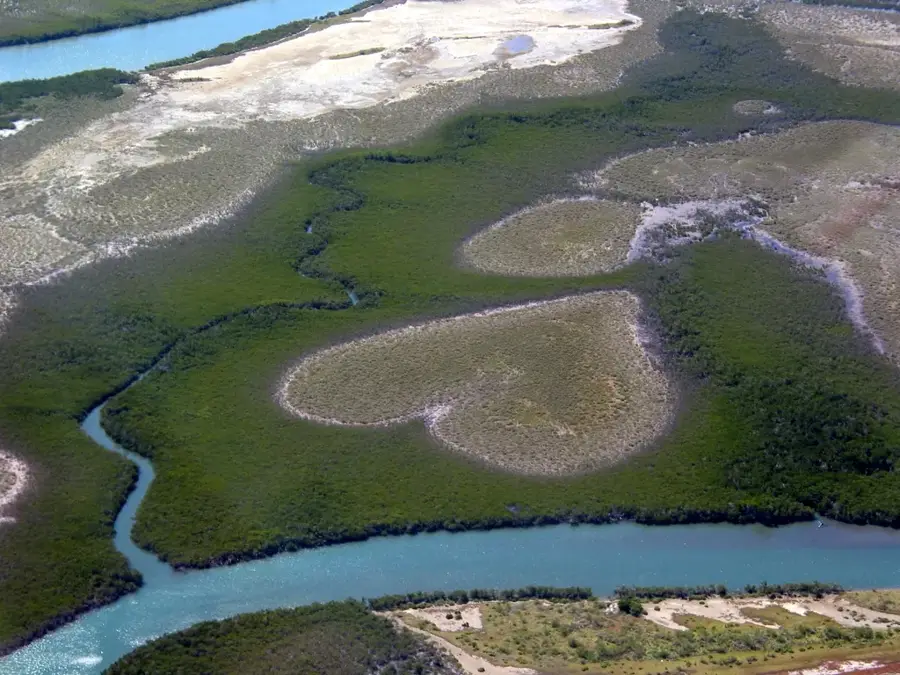
Hienghène is a location of profound cultural and political significance situated on the northeast coast of Grande Terre, New Caledonia. It is widely regarded as the spiritual heartland of Kanak identity, being the home of Jean-Marie Tjibaou, the influential leader who spearheaded the movement for cultural recognition and political autonomy. The landscape is dominated by the spectacular black limestone cliffs of Lindéralique, most notably the "Hen" (La Poule) formation, which stands majestically at the entrance of the bay. These geological wonders are deeply intertwined with local legends and are considered sacred sites by the surrounding tribes. The Goa Ma Bwarhat Cultural Centre in the village is a focal point for preserving Kanak heritage, showcasing traditional arts, dance, and linguistic diversity. Historically, Hienghène also served as a notable base for whaling operations in the 19th century. Visitors today are drawn to its unique blend of dramatic natural beauty and rich Melanesian traditions, offering opportunities to engage with local communities and understand the enduring importance of the "Grande Case" (traditional round house) in Kanak social structure.
- Location: New Caledonia
- Top sights: Centre Culturel de Hienghène · Belvédère de la Poule · Le Sphinx
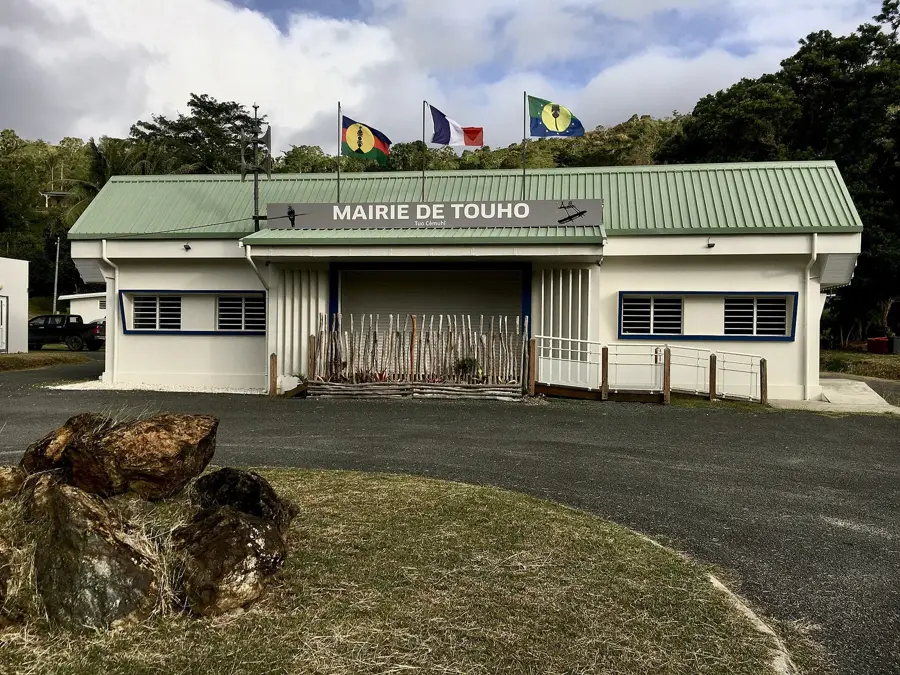
- Nearby: Touho (36 km)
- Population: ~2.399
Best time to visit & climate
The most pleasant time to visit is Jul–Sep.
| Jan | Feb | Mar | Apr | May | Jun | Jul | Aug | Sep | Oct | Nov | Dec | |
|---|---|---|---|---|---|---|---|---|---|---|---|---|
| Avg °C | 27 | 27 | 27 | 26 | 24 | 23 | 22 | 22 | 22 | 24 | 25 | 26 |
| Rain mm | 162 | 166 | 228 | 141 | 102 | 86 | 57 | 52 | 44 | 54 | 77 | 119 |
Geography
Facts
- Birthplace of Jean-Marie Tjibaou (1936-1989).
- Home to the significant Hienghène Cultural Center.
- Known for the Poule Couveuse (Brooding Hen) rock formation.
- Center of political activism during the Events of the 1980s.
- Features traditional Kanak Great Houses (Grandes Cases).
- Hosted the first Melanesia 2000 festival in 1975.
Explore nearby
Notable places around



Route planner — Car & Motorhome
Where do you start? We build the route here, with stops and country notes along the way.
© OpenStreetMap contributors · OpenRouteService
Sights in the town Hienghene Cultural History (5)
Frequently asked questions
What is the cultural significance of Hienghène?
How many days to plan?
Are there accommodations?
What is the weather like?
Is it family-friendly?
Hienghene Cultural History: where is it located?
Hienghene Cultural History: what is there to see?
Hienghene Cultural History: when is the best time to visit?
Hienghene Cultural History: why is it worth visiting?
Nearby cities
History & landmarks
Nature
More places