Plizio Visual Lab
Primeiras and Segundas Islands
Weather…
Water temperature…
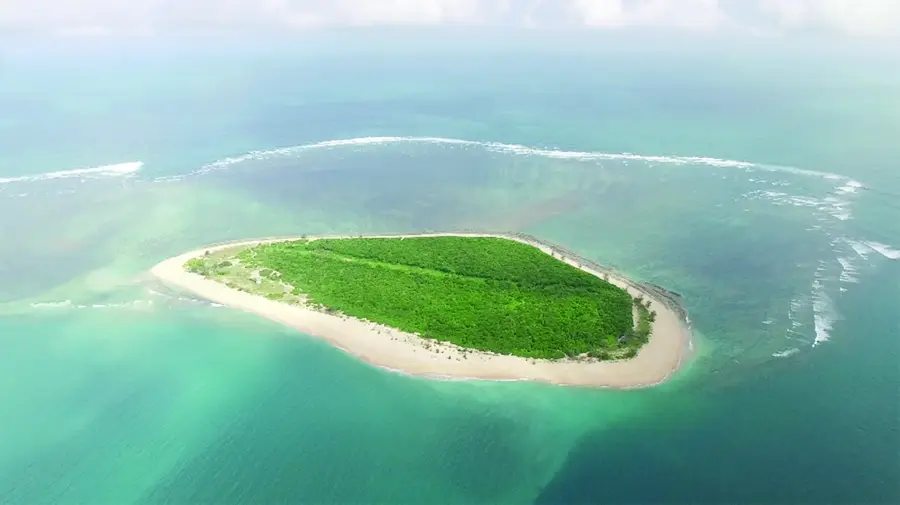
The Primeiras and Segundas Islands comprise a chain of ten uninhabited coral islands and sandbanks stretching along the coast of Mozambique's Zambézia and Nampula provinces. This archipelago is at the heart of Africa's largest marine protected area, officially established in 2012 to safeguard its pristine coral reefs and seagrass meadows. Geographically, the islands are separated from the mainland by deep underwater trenches, facilitating the flow of nutrient-rich ocean currents. The region is globally recognized as a critical nesting site for sea turtles, particularly the Green and Hawksbill species. The surrounding waters boast an exceptionally high density of marine life, serving as an important nursery for various pelagic fish and sharks. For local coastal communities, these islands are essential for food security, leading to the implementation of co-management strategies to prevent overfishing. The reefs in this area are among the most resilient and healthy in the Western Indian Ocean, largely due to their relative isolation.
- Location: Mozambique
- Nearby: Angoche (69 km)
Best time to visit & climate
The most pleasant time to visit is Jul–Sep.
| Jan | Feb | Mar | Apr | May | Jun | Jul | Aug | Sep | Oct | Nov | Dec | |
|---|---|---|---|---|---|---|---|---|---|---|---|---|
| Avg °C | 28 | 28 | 28 | 28 | 26 | 25 | 24 | 24 | 25 | 26 | 27 | 28 |
| Rain mm | 230 | 149 | 127 | 70 | 17 | 16 | 18 | 7 | 4 | 13 | 25 | 102 |
📋 Practical info
Geography
Facts
- Chain of 10 coral islands
- Marine protected area since 2012
- Major nesting site for sea turtles
- Pristine coral reefs and seagrass
- Located off Nampula and Zambézia
- Protected area covers over 10,000 km²
Route planner — Car & Motorhome
Where do you start? We build the route here, with stops and country notes along the way.
© OpenStreetMap contributors · OpenRouteService
Sights nearby
Frequently asked questions
What is special about this archipelago?
Can you stay overnight there?
When is the best time for diving?
Do you need a boat to get there?
Are there many tourists there?
Primeiras and Segundas Islands: where is it located?
Primeiras and Segundas Islands: when is the best time to visit?
Primeiras and Segundas Islands: why is it worth visiting?

Nature
More places