Plizio Visual Lab

Tehuacán Valley

Plizio editorial teamData Sources
Relief
—°3
Tehuacán Valley (Mexico)

Weather…

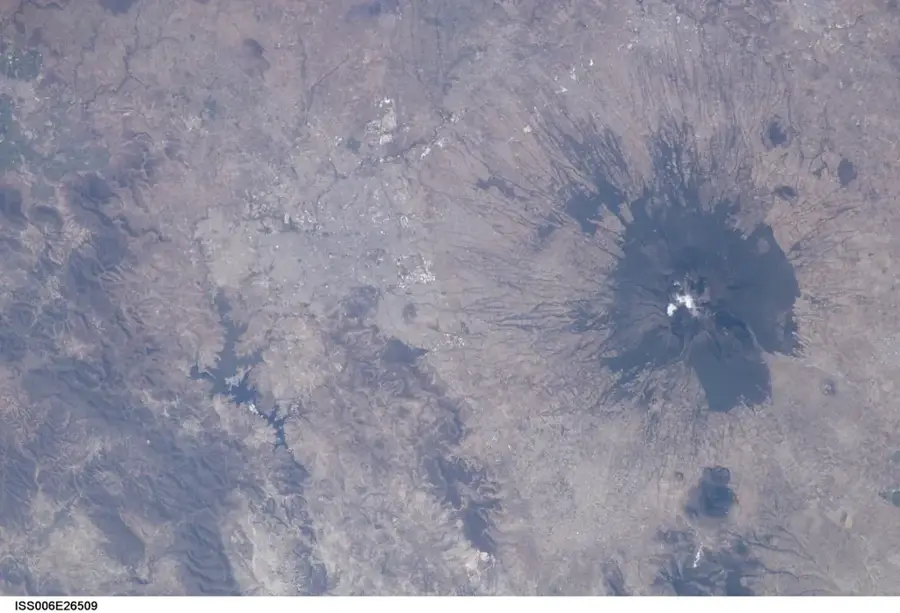
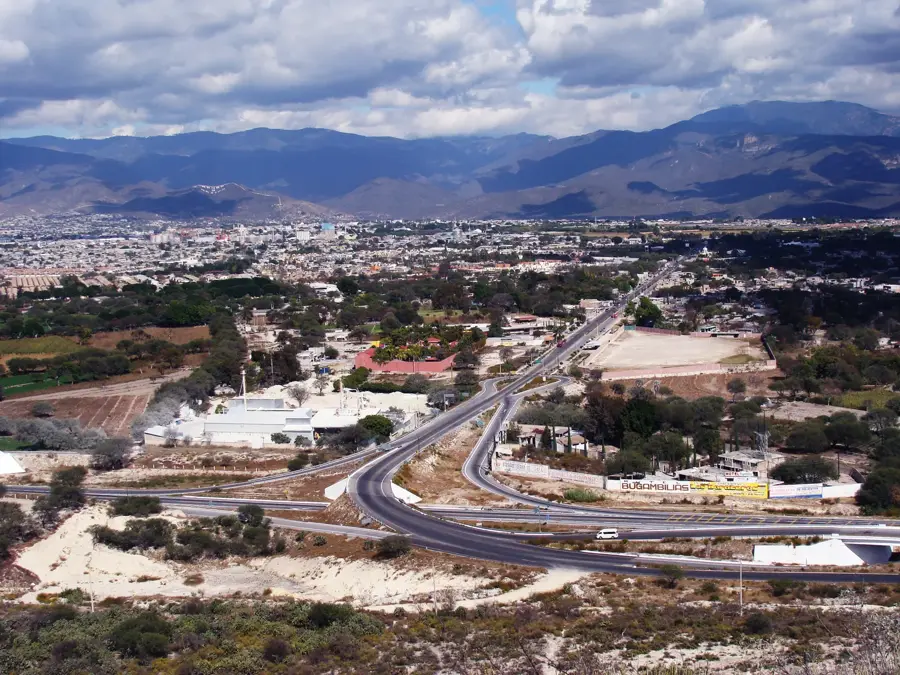
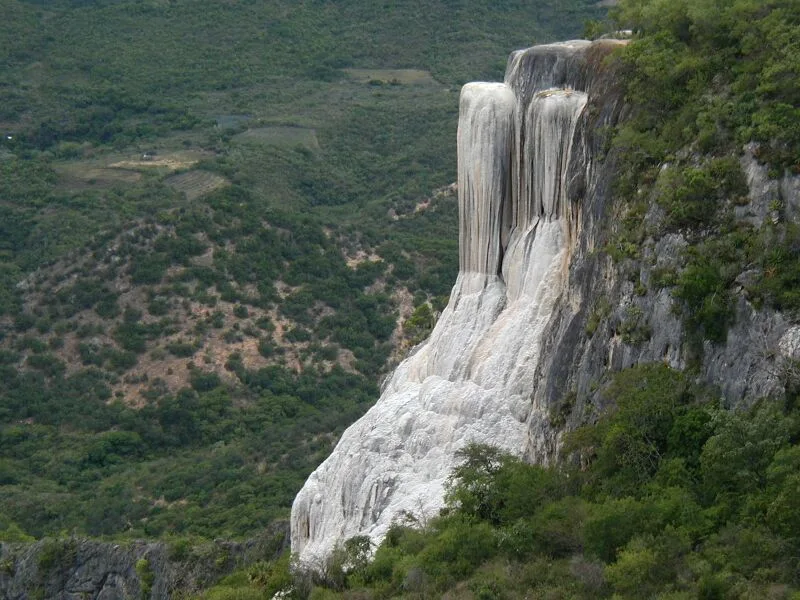
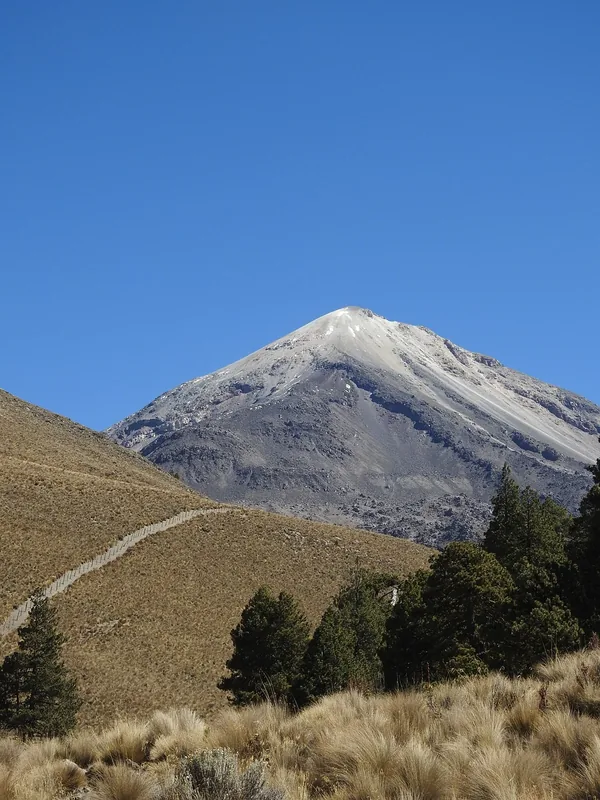
The Tehuacán Valley is a unique and geologically ancient arid region located primarily in the state of Puebla, protected within the Tehuacán-Cuicatlán Biosphere Reserve. It is a world-class center for biodiversity, especially for cacti and agave, featuring one of the highest concentrations of columnar cacti on Earth. The valley is also of immense archaeological importance, as it is the site where some of the earliest evidence for the domestication of maize (corn), beans, and squash was discovered, dating back over 7,000 years. Its rugged landscape of desert scrub and towering limestone peaks creates a dramatic and prehistoric atmosphere. Designated as a UNESCO World Heritage site for both its natural and cultural significance, the Tehuacán Valley is a testament to the long-standing and complex relationship between human civilization and the arid environments of Mesoamerica.

Best time to visit & climate

The most pleasant time to visit is Mar–May.

JanFebMarAprMayJunJulAugSepOctNovDec
Avg °C121416181918171716151313
Rain mm1210162971164148170182822511

📋 Practical info

🧭
Getting there
Tehuacán Valley is located in the southeastern part of Puebla state and is easily accessible via the Federal Highway 150. Most visitors arrive from either Puebla City or Oaxaca, using private vehicles or the frequent bus services that connect the city of Tehuacán with other major urban centers in central and southern Mexico.
📅
Best season
The valley has a semi-arid climate, making it a year-round destination, though the cooler months from November to February are generally the most comfortable for outdoor activities. The hottest period typically occurs in April and May, so visitors planning to explore the desert landscapes should prepare for intense heat during these months.
⛰️
Terrain & paths
The terrain is characterized by dramatic desert landscapes, featuring vast cactus forests, limestone formations, and dry riverbeds. Trails are often dusty and can be uneven or rocky in places, requiring sturdy footwear, but the unique biological diversity of the Tehuacán-Cuicatlán Biosphere Reserve makes the exploration very rewarding.
🎒
What to bring
Strong, closed-toe hiking boots are essential to protect against thorny plants and uneven rocks. Additionally, visitors should bring plenty of water, a high-SPF sunscreen, and a lightweight long-sleeved shirt for sun protection, as the arid environment gives very little natural shade throughout the day.
🅿️
Parking
Parking is usually available at the visitor centers of the Tehuacán-Cuicatlán Biosphere Reserve or in the nearby city of Tehuacán. Many travelers prefer to park at their hotel and use local taxis or organized tour services to reach specific trails, ensuring their vehicle remains in a secure and monitored area while they explore.
⚠️
Safety
Dehydration and heat exhaustion are the primary safety risks in this arid valley, so carrying more water than you think you will need is vital. Visitors should also be cautious of the local flora, particularly cacti with sharp spines, and it is recommended to stay on designated trails to avoid disturbing the fragile desert ecosystem or encountering venomous wildlife.
⏱️
Time needed
A typical nature walk in the valley lasts about 3 to 5 hours, which allows enough time to explore some of the impressive cactus forests and geological features. Those interested in the historical aspects of the valley, such as early agriculture, may want to plan for a longer full-day excursion that includes visits to specific archeological sites.

Geography

Coordinates
18.50000, -97.50000

Facts

  • The valley is home to more than 2,700 species of vascular plants, with roughly 10% being endemic.
  • The Coxcatlán Cave in the valley provided the world's oldest known samples of domesticated maize.
  • It features the highest diversity of agave species in all of Mexico.
  • The Tehuacán-Cuicatlán reserve was named a UNESCO World Heritage site in 2018.
  • The region is also famous for its natural mineral springs, which have been used for bottled water since the early 20th century.

Explore nearby

Notable places around

Route planner — Car & Motorhome

Where do you start? We build the route here, with stops and country notes along the way.

Vehicle
Only stops with (optional):

© OpenStreetMap contributors · OpenRouteService

Sights in the town Tehuacán Valley (3)

Monumental Flag🏺 historical

A monumental Mexican flag on a tall pole is located in Tehuacán near the city center.

Evolutions museum🏛 museum

Evolution museum with exhibits on Earth's history in De Tehuacan.

Manantial San Lorenzo📍 landmark

Spring Manantial San Lorenzo in De Tehuacan.

Sights nearby

Frequently asked questions

What is special here?
The giant candelabra cacti and the biosphere landscape.
What is the weather like?
Very hot and dry, especially at midday.
Is sun protection needed?
Yes, extremely important, as shade is almost completely lacking.
Can one explore the area?
Best with guided tours through the biosphere reserve.
Is there accommodation?
Simple guesthouses available in the main town, Tehuacán.
Tehuacán Valley: where is it located?
Tehuacán Valley is located in Mexico.
Tehuacán Valley: what is there to see?
Highlights include Monumental Flag, Evolutions museum, Manantial San Lorenzo.
Tehuacán Valley: when is the best time to visit?
The most pleasant time to visit is Mar, May.
Tehuacán Valley: why is it worth visiting?

The Tehuacán Valley is a unique and geologically ancient arid region located primarily in the state of Puebla, protected within the Tehuacán-Cuicatlán Biosphere Reserve.
View on map → The Top 50 Attractions → OpenStreetMap →
North America
Explore with Plizio Discover more places in North America
More places in Mexico →

Nearby cities

More places