Plizio Visual Lab
Bamako
ℹ️Practical info — Bamako
▾
🌤 Weather — 5 days
📍 Nearby
Sights nearby
💡 Tips
- Avoid the oppressive midday heat by scheduling sightseeing for early morning or late afternoon.
- Sotramas (green minibuses) are very cheap but often overcrowded; normal taxis offer more comfort.
- Haggling is expected at the Grand Marché. Start with a significantly lower price than asked.
- Learning a few words of greeting in Bambara will earn you great respect from the locals.
🍽 Food
The Nile perch from the Niger is a delicacy. Enjoy it freshly grilled at riverside restaurants.
A rich peanut butter stew, typically with meat, served in most traditional eateries in the center.
In the evening, many roadsides turn into street kitchens offering delicious, freshly grilled meat.
🛍 Shopping · 🧘 Quiet spots
The bustling heart of the city, famous for colorful textiles (bogolan), spices, and everyday goods.
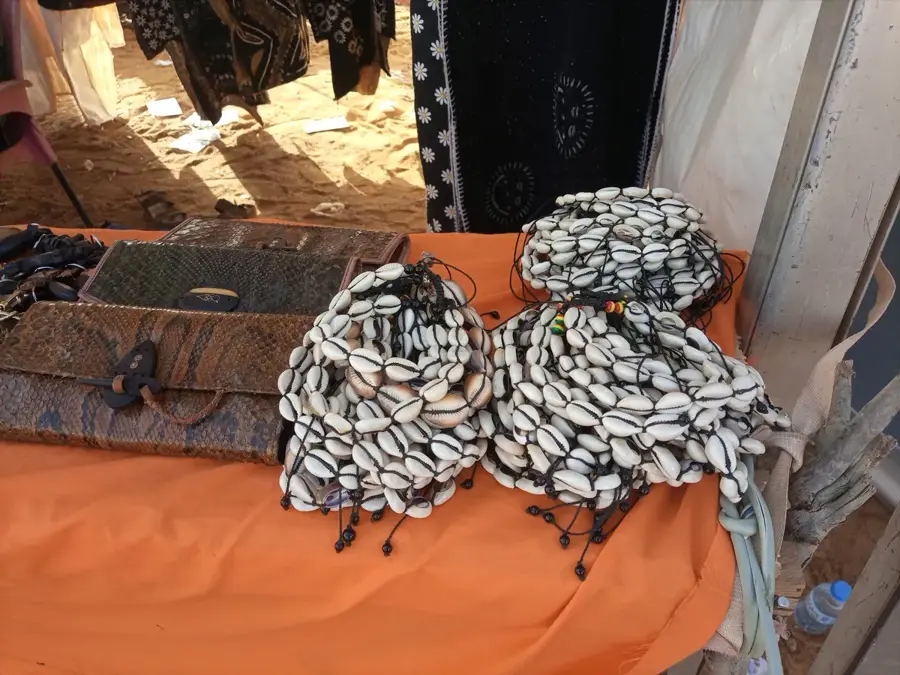
The best place to buy traditional Malian crafts, leatherwork, and silver jewelry.
A well-kept, green oasis with a botanical garden and walkways away from the traffic.
Especially in the late afternoon, a beautiful place for a quiet walk at sunset.
Water temperature…
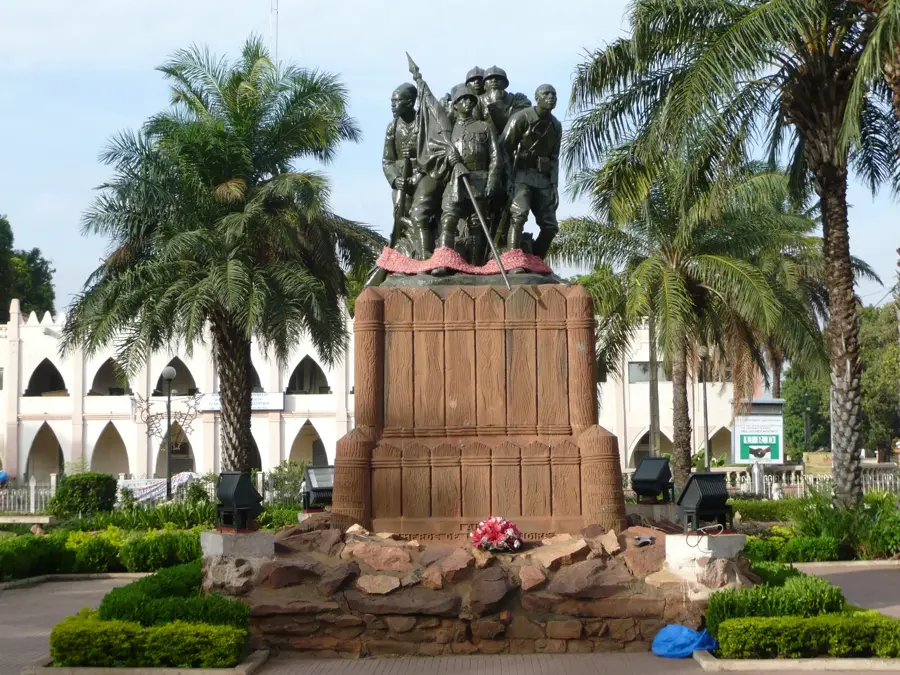
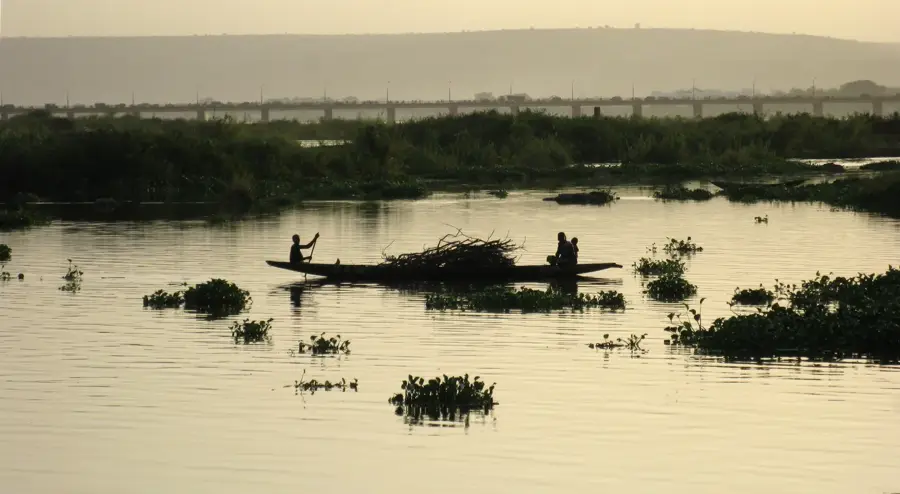
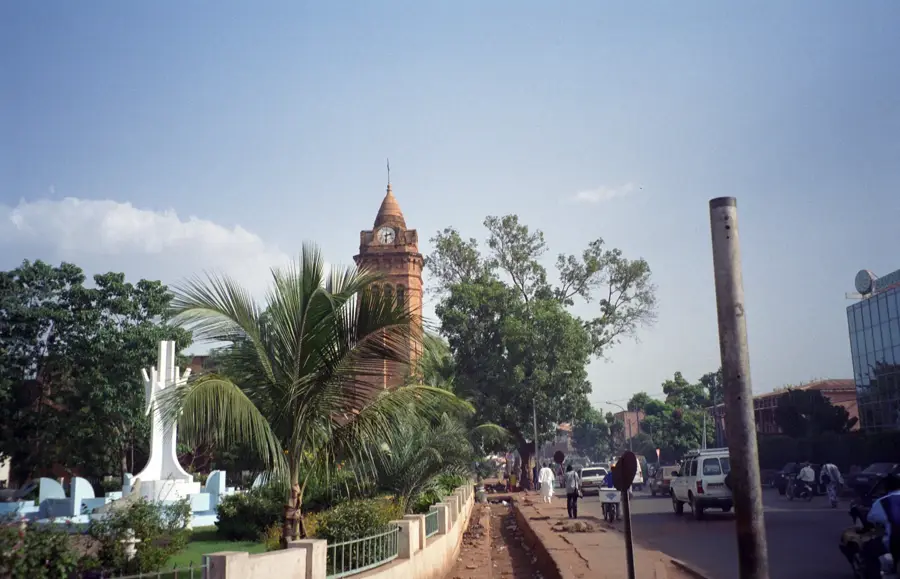
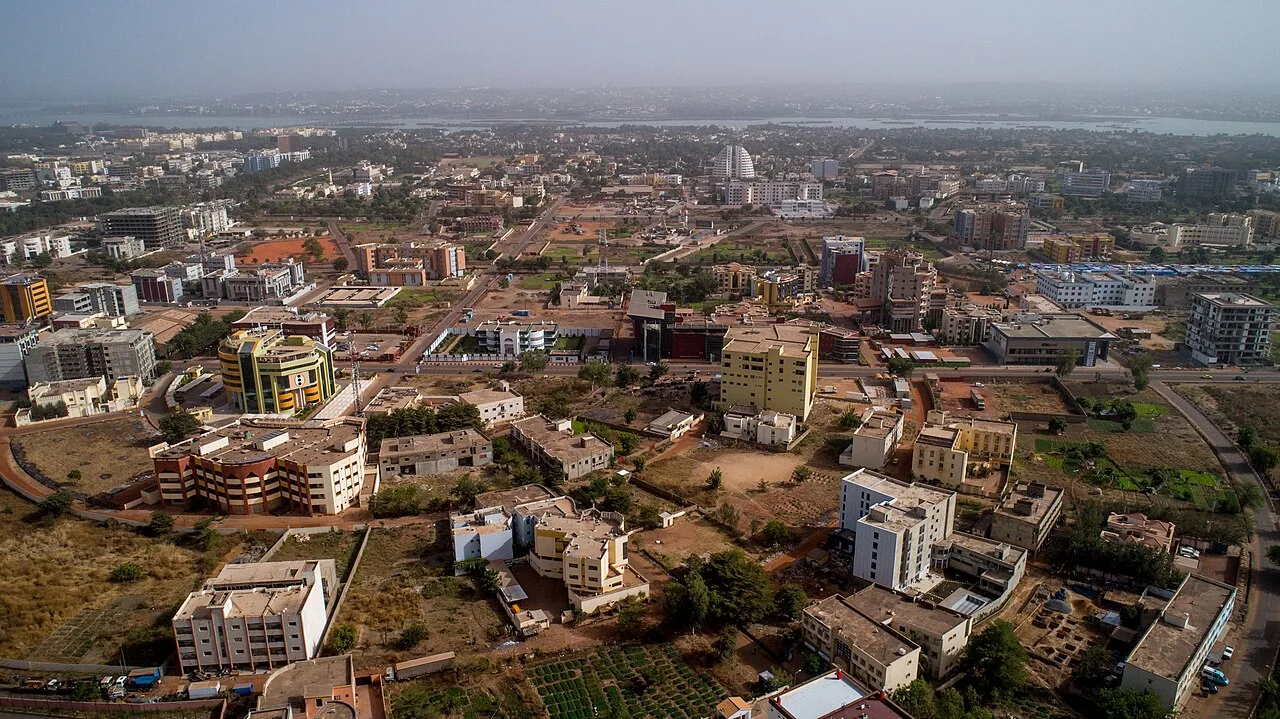
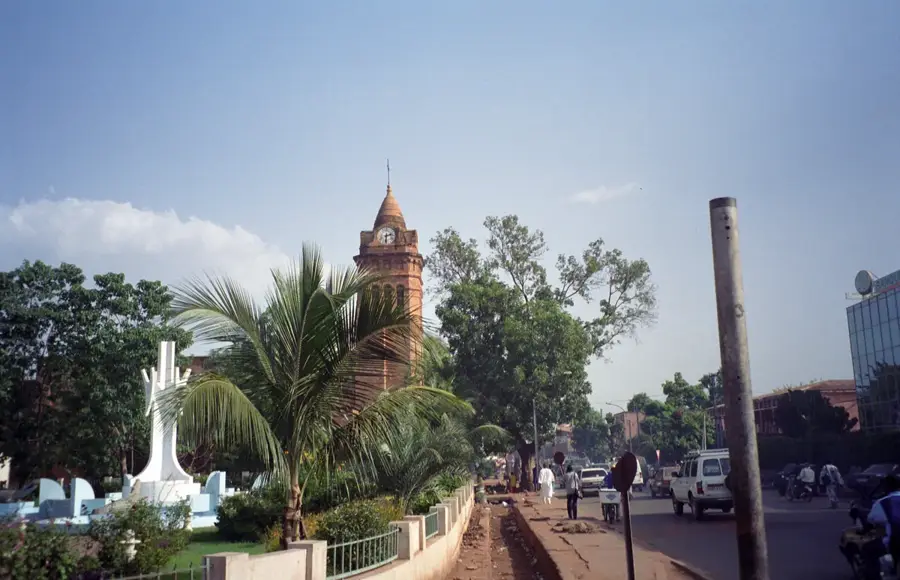
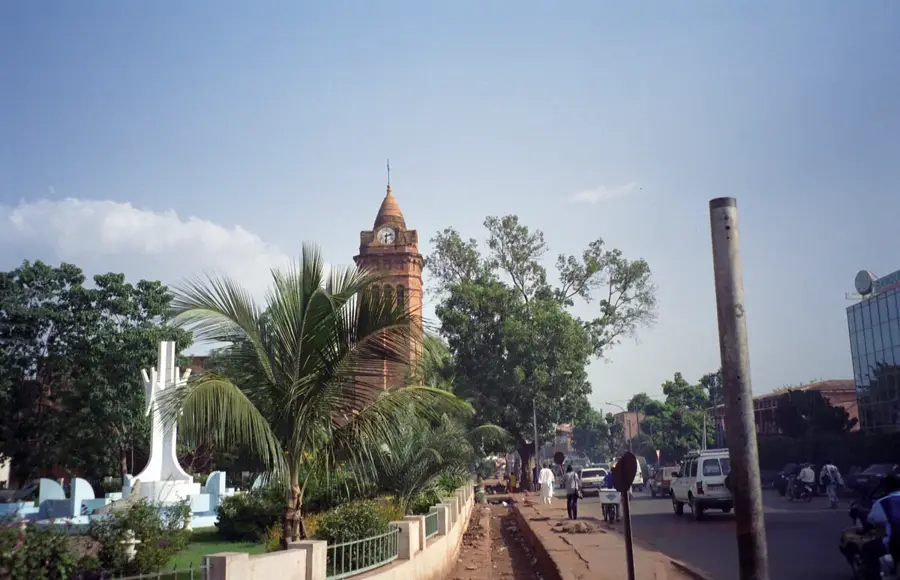
Bamako, the sprawling capital of Mali, is a city defined by the powerful Niger River and its status as a global beacon of West African culture. As one of the fastest-growing cities in the world, Bamako is a spirited melting pot where ancient Sahelian traditions meet 21st-century urban energy. The city's name, derived from the Bambara for 'crocodile river,' reflects its origins as a settlement along the banks of the Niger, which remains the city's lifeblood for transport, fishing, and irrigation. Geographically, the city lies on a relatively flat plain, framed to the north by the Manding Mountains, where the presidential palace sits on the Koulouba hill. Bamako is internationally renowned for its music scene, often called the 'New Orleans of Africa,' as it has nurtured legendary artists who have brought Malian blues to the global stage. The city's architectural landscape is a mix of colonial-era structures, modern high-rises, and traditional adobe-style buildings. The Grand Marché is the commercial epicenter, a sensory-overload of sights, sounds, and smells where everything from salt blocks to hand-woven textiles is traded. Bamako is also a center for photography, hosting the prestigious Bamako Encounters (African Photography Biennial). Despite its cultural wealth, the city faces significant urban challenges, such as overwhelming traffic and the environmental strain on the Niger River. Recent infrastructure projects, including the Chinese-funded Third Bridge, have aimed to alleviate congestion in the dense city center. As the nation's political hub, it hosts all major administrative offices and the National Museum of Mali, an essential stop for understanding the region's complex history. With its intense heat, bustling markets, and late-night musical rhythms, Bamako provides an authentic and powerful experience of modern African life, serving as the gateway to the vast landscapes of the Malian interior.
- Location: Mali
- Nearby: Kati (14 km)
- Population: ~4.227.569 (2025)
Best time to visit & climate
The most pleasant time to visit is Jan, Nov, Dec.
| Jan | Feb | Mar | Apr | May | Jun | Jul | Aug | Sep | Oct | Nov | Dec | |
|---|---|---|---|---|---|---|---|---|---|---|---|---|
| Avg °C | 24 | 27 | 30 | 33 | 32 | 29 | 27 | 25 | 26 | 27 | 27 | 24 |
| Rain mm | 1 | 1 | 7 | 23 | 61 | 145 | 229 | 296 | 191 | 60 | 3 | 0 |
Geography
Facts
- Bamako is the political and administrative capital of Mali.
- The city's population has doubled every 10–15 years since 1960.
- It is located on a key bend of the Niger River.
- The Bamako–Dakar railway was completed in 1924.
- Bamako is the site of the biennial 'Rencontres de Bamako' photography festival.
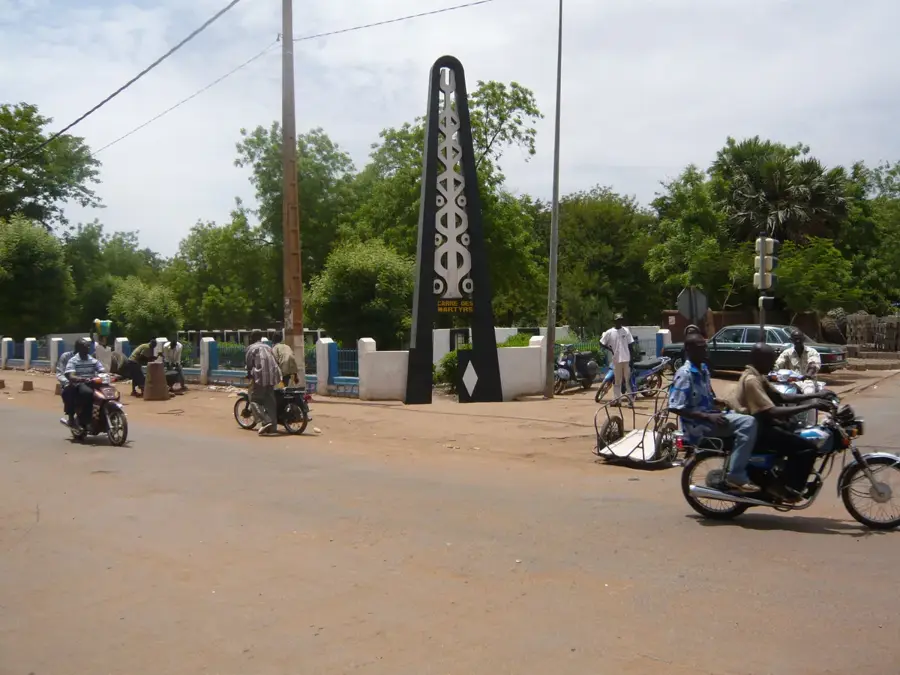
- The Friendship Bridge (Pont des Martyrs) was the first over the Niger here.
- Mali's National Museum is considered one of the best in West Africa.
- Bamako's name honors the three crocodiles that once lived near its founding site.
Explore nearby
Notable places around


Route planner — Car & Motorhome
Where do you start? We build the route here, with stops and country notes along the way.
© OpenStreetMap contributors · OpenRouteService
Sights in the town Bamako (1)
Frequently asked questions
How many days for Bamako?
When is the best time to visit?
Is the city safe?
What should you eat?
Are there museums?
Bamako: where is it located?
Bamako: when is the best time to visit?
Bamako: why is it worth visiting?

History & landmarks
More places