Plizio Visual Lab
Murzuq
ℹ️Practical info — Murzuq
▾
🌤 Weather — 5 days
📍 Nearby
Sights nearby
💡 Tips
- Visit between November and February to avoid the extreme summer heat of the Sahara.
- A 4x4 vehicle is essential if you plan to explore the desert areas surrounding the town.
- Dress conservatively and respect local Islamic customs, especially outside major cities.
- Always carry plenty of bottled water and stay hydrated in the dry oasis climate.
🍽 Food
A traditional dish often served in local diners in the town center.
Usually served with lamb and vegetables, available in family-run eateries.
Buy them directly from the local farmers in the oasis.
🛍 Shopping · 🧘 Quiet spots
Look for traditional Tuareg and local textiles and crafts.
The best place to buy large quantities of fresh dates and spices.
Take a shaded, peaceful walk among the ancient date palms.
Explore the quiet remnants of the historical Ottoman castle.
Water temperature…
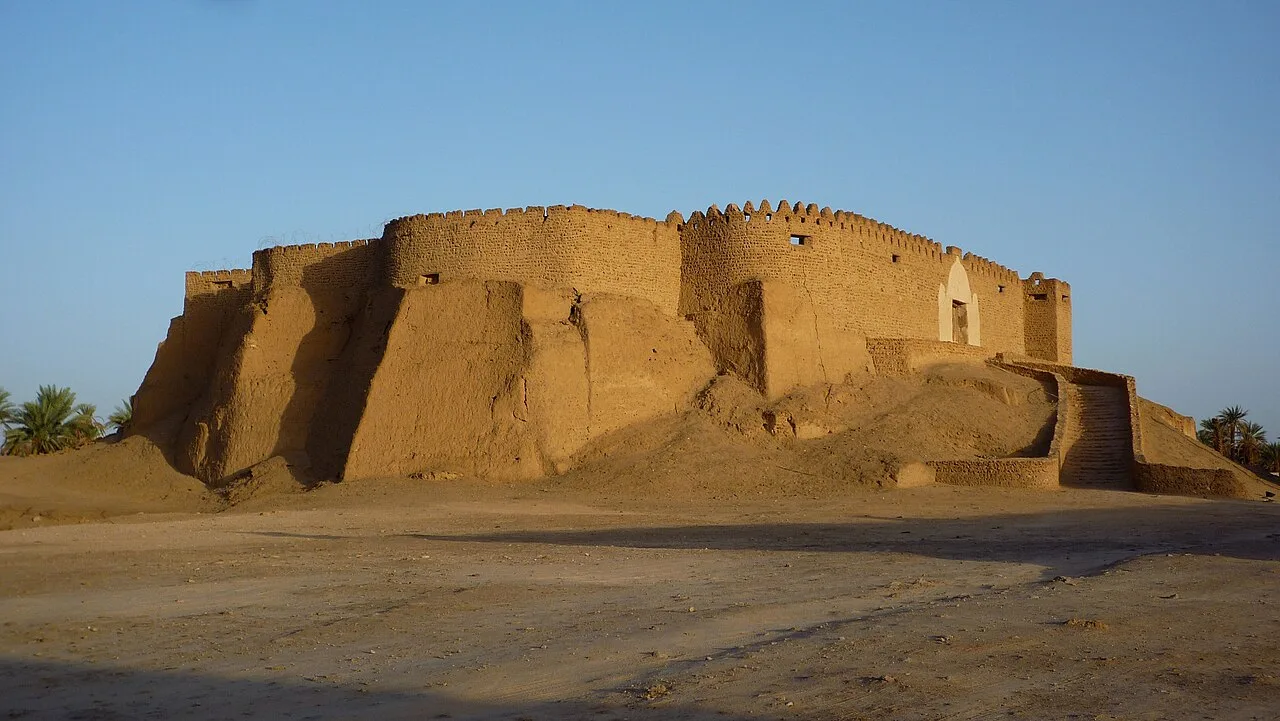
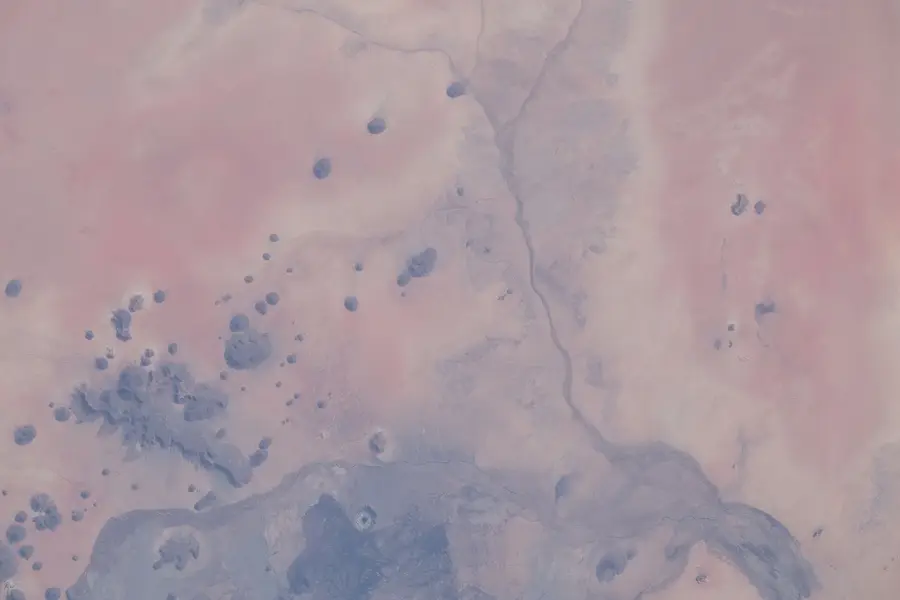
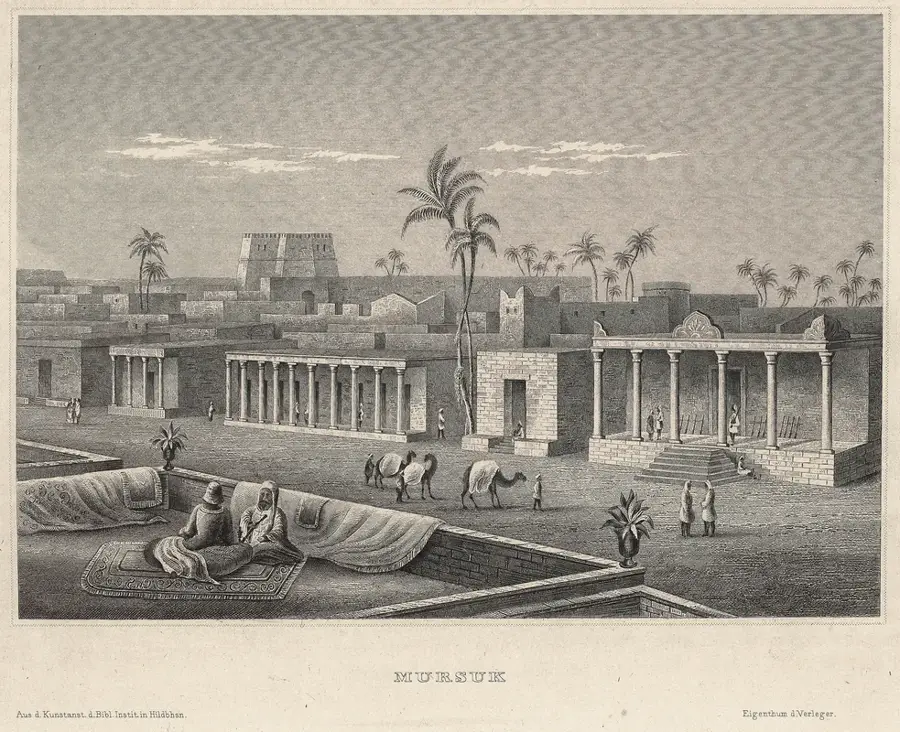
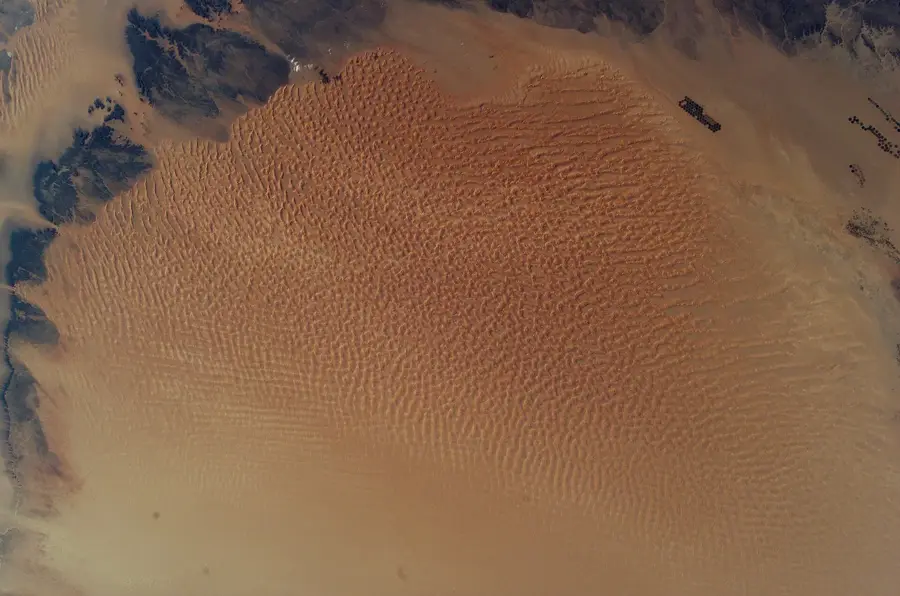
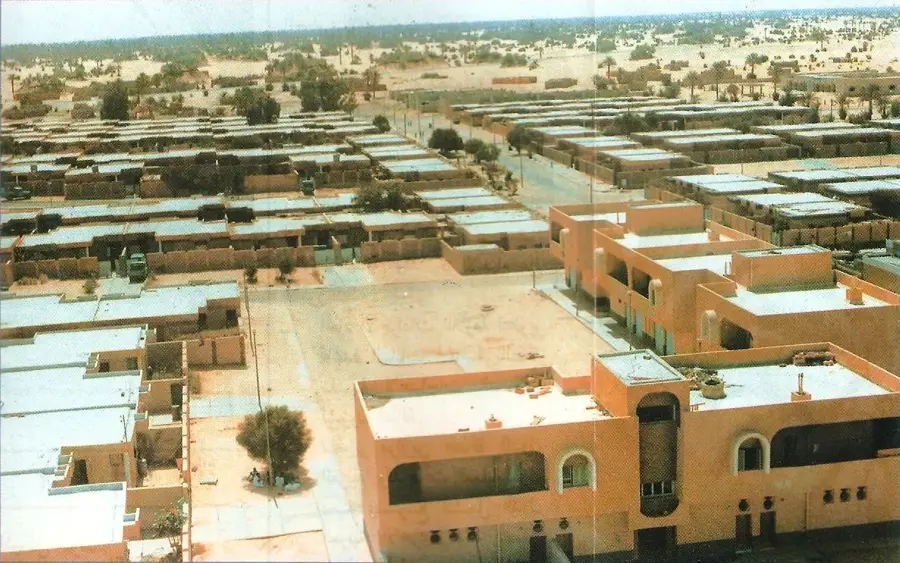
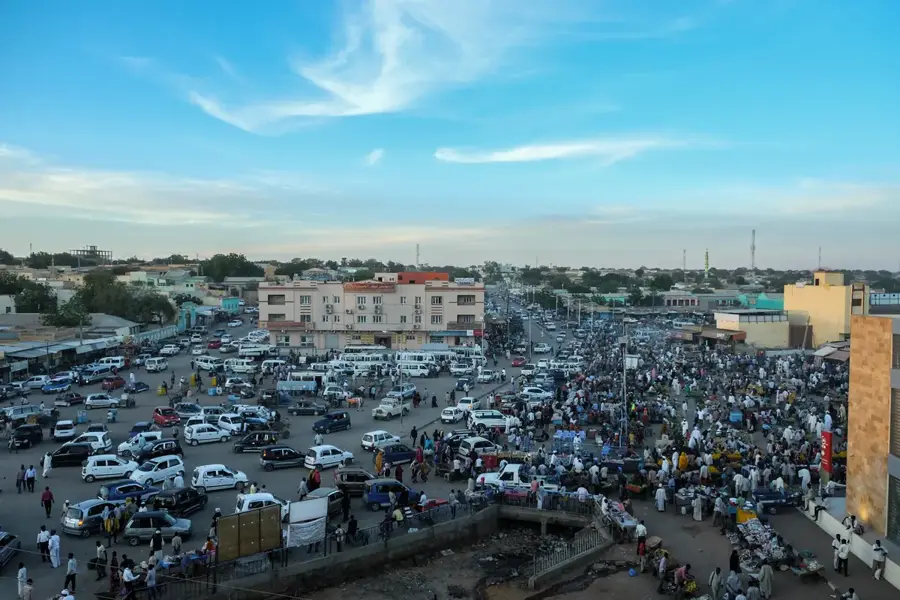
Murzuq is a historically significant oasis city in southwestern Libya and the administrative center of the district bearing the same name in the Fezzan region. The city has a long history as a strategic hub for trans-Saharan caravan trade, connecting the Maghreb with the Sahel region. In the 14th century, Murzuq became the capital of the Sultanate of Fezzan and developed under Ottoman rule into one of the most important religious and commercial centers in the region. A prominent landmark of the city is the massive Ottoman fortress, which stands as a testament to its former military importance. Its geography is defined by the surrounding desert landscape of the Idehan Murzuq, a vast dune field extending south of the city. Despite extreme climatic conditions, Murzuq remained a cultural melting pot for centuries, where Tuareg, Tebu, and Arab influences merged. In modern times, the city serves as a regional supply hub and a gateway to the remote areas of the southern Sahara.
- Location: Libya
- Population: ~30.491 (2026)
Best time to visit & climate
The most pleasant time to visit is Mar, Apr, Oct.
| Jan | Feb | Mar | Apr | May | Jun | Jul | Aug | Sep | Oct | Nov | Dec | |
|---|---|---|---|---|---|---|---|---|---|---|---|---|
| Avg °C | 10 | 13 | 18 | 24 | 28 | 31 | 32 | 32 | 30 | 24 | 18 | 12 |
| Rain mm | 2 | 2 | 1 | 0 | 3 | 7 | 0 | 0 | 2 | 3 | 1 | 1 |
Geography
Facts
- Murzuq served as the capital of the Sultanate of Fezzan starting in 1310.
- The city is situated at an elevation of approximately 450 meters above sea level.
- In the 19th century, Murzuq was a key assembly point for European Sahara explorers.
- The Ottoman fortress dates back to the period of the second occupation in the 16th century.
- The climate is extremely arid, with summer temperatures frequently exceeding 45 degrees Celsius.
- The population traditionally consists of a mix of Arabs, Tebu, and Tuareg peoples.
Explore nearby
Notable places around



Route planner — Car & Motorhome
Where do you start? We build the route here, with stops and country notes along the way.
© OpenStreetMap contributors · OpenRouteService
Sights in the town Murzuq (1)
Frequently asked questions
What is Murzuq's historical role?
What ruins can you see in Murzuq?
What is the climate like in the Murzuq Desert?
What was Murzuq in the past?
When is the safest time to travel?
Murzuq: where is it located?
Murzuq: when is the best time to visit?
Murzuq: why is it worth visiting?

Nearby cities
History & landmarks
More places