Plizio Visual Lab

Du River Floodplain
Plizio editorial teamData Sources
valley
—°1
Du River Floodplain (Liberia)

Weather…

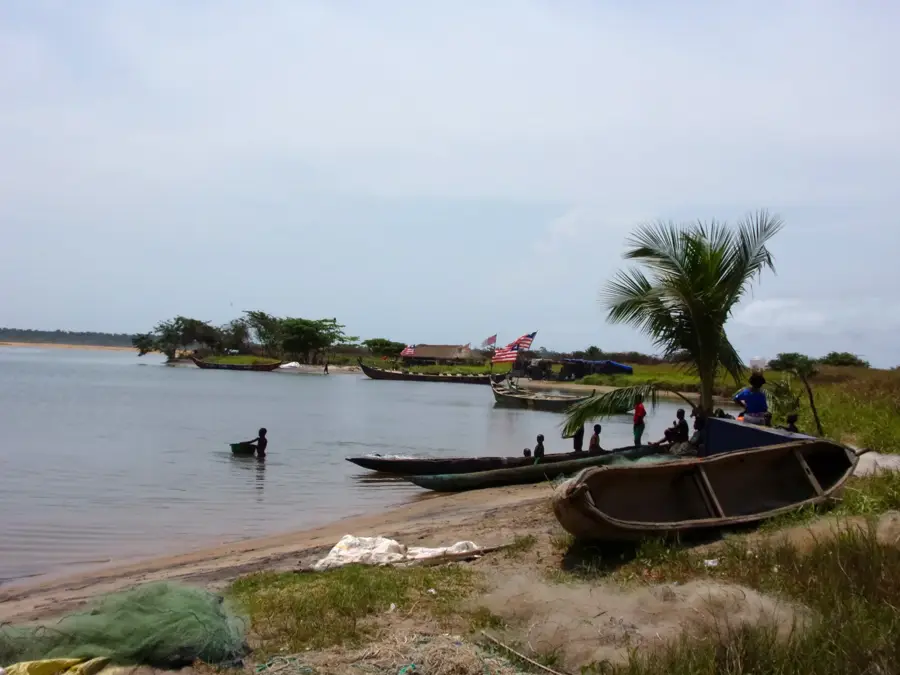
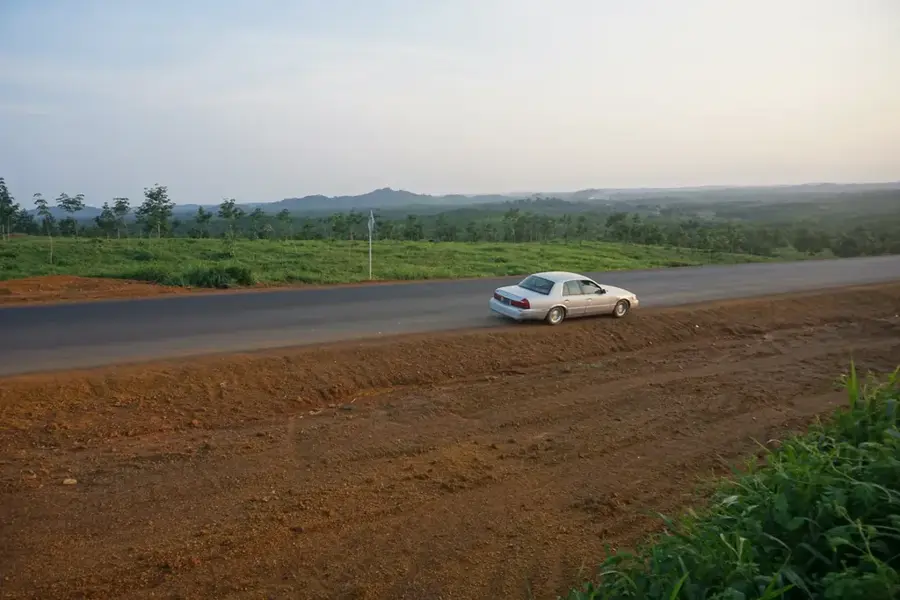
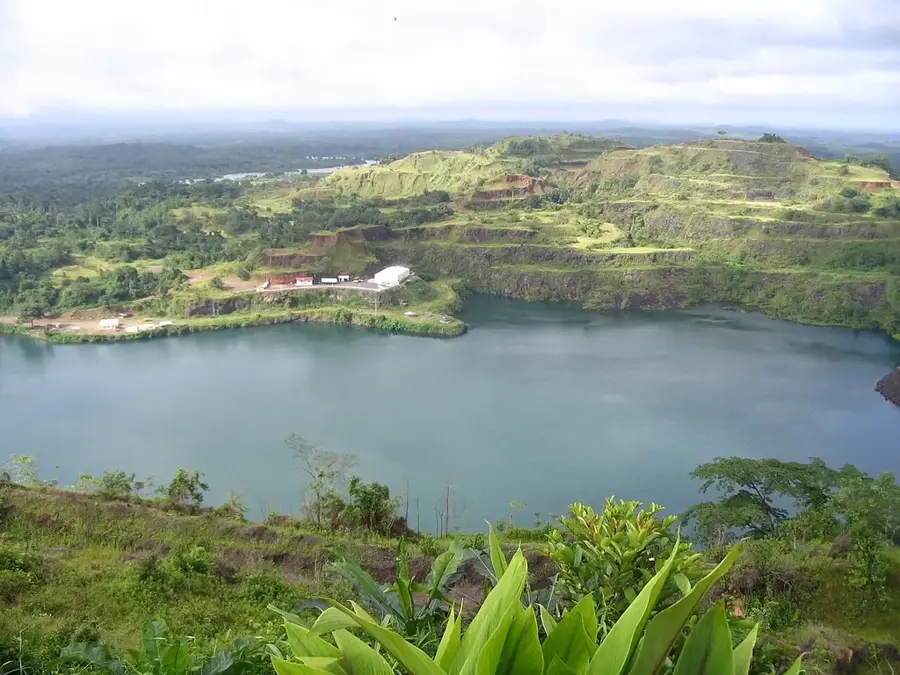
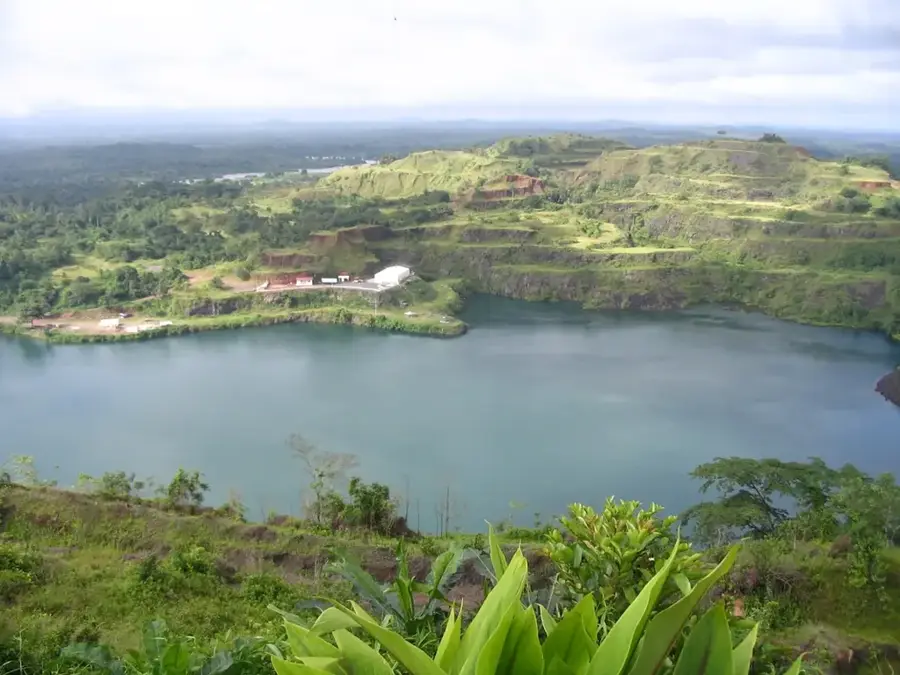
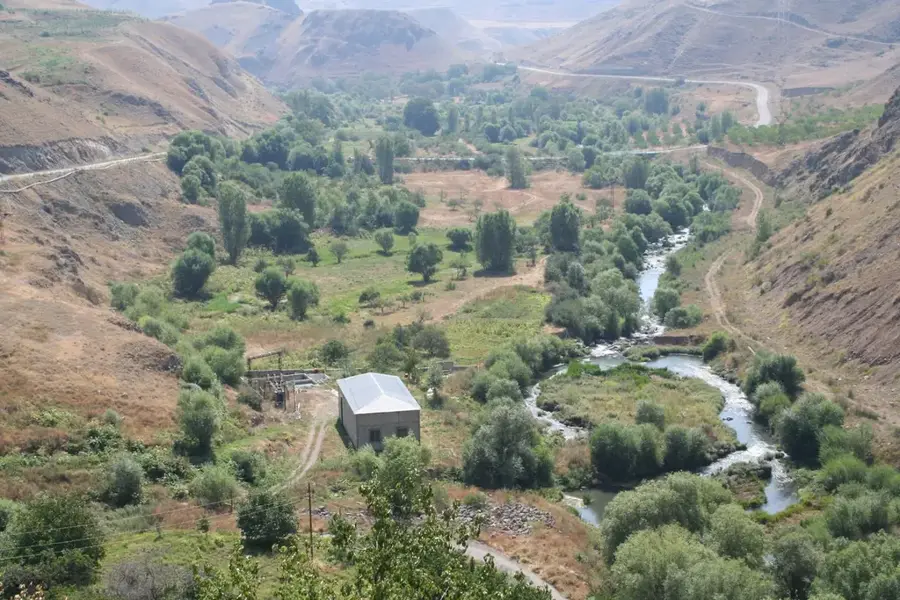
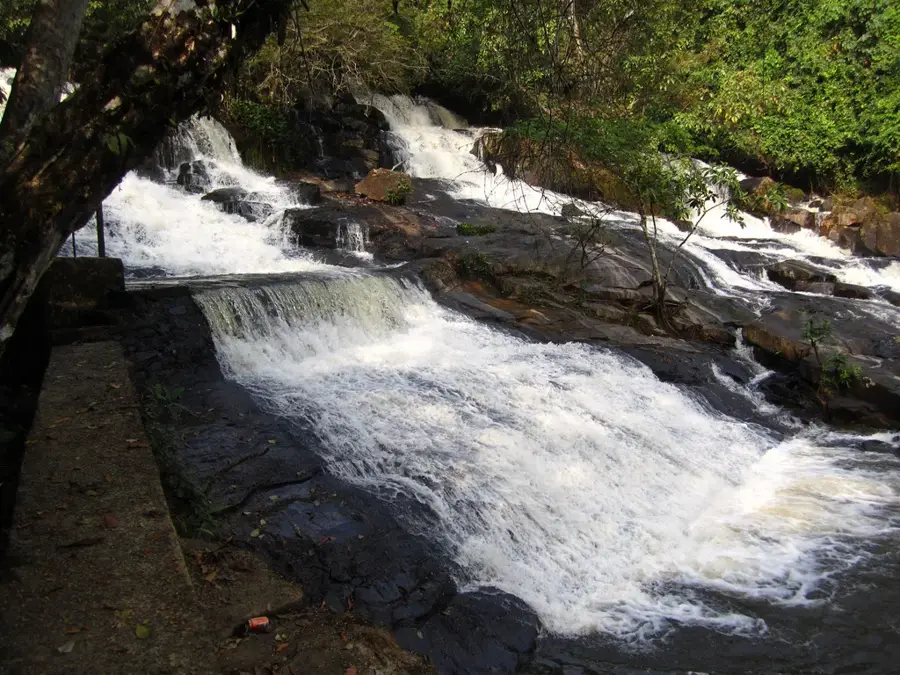
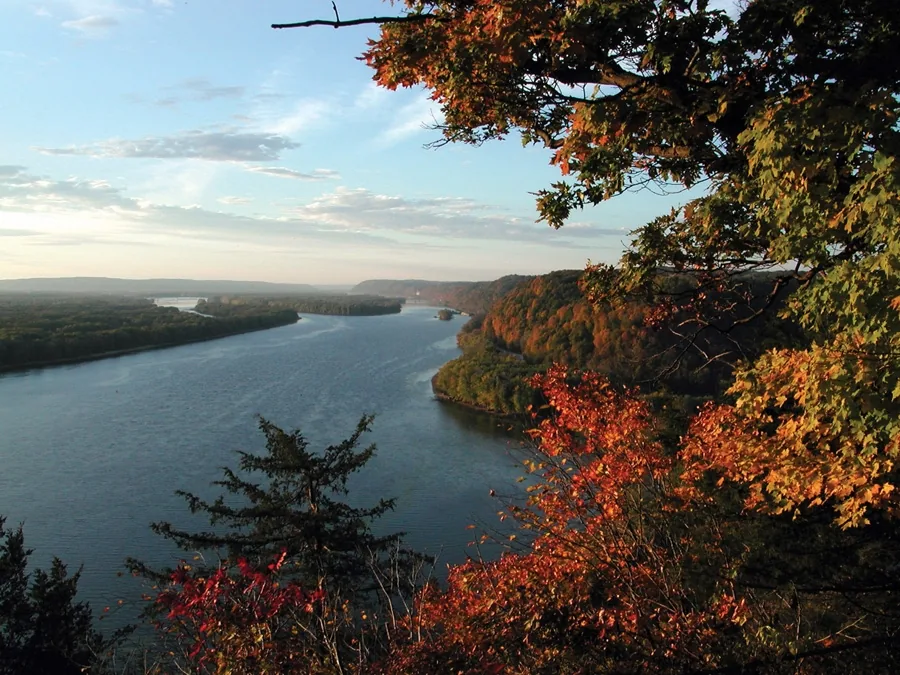
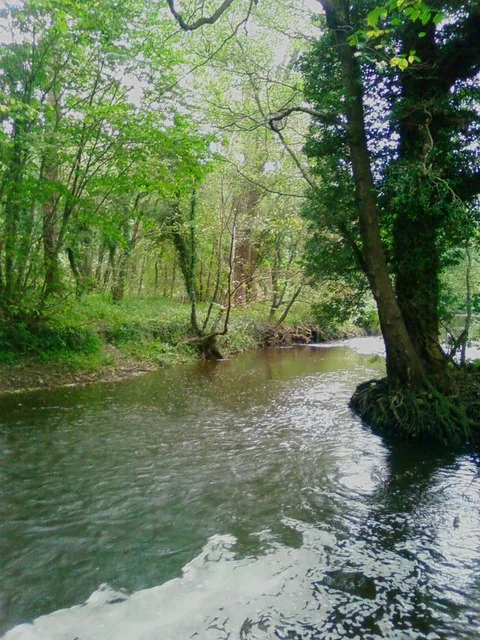
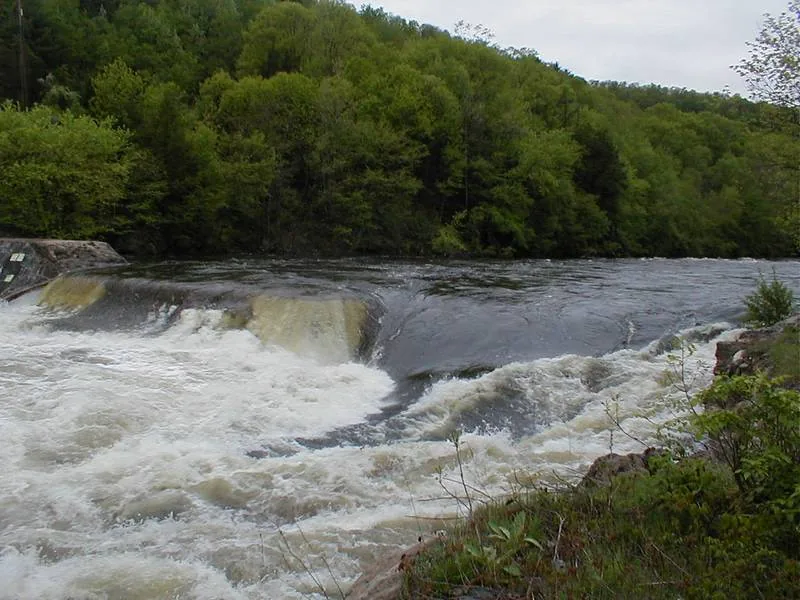
The Du River Floodplain in Liberia is an ecologically significant landscape located on the flat coastal plains near the Atlantic. During the rainy season, the Du River overflows its banks, transforming large swathes of the area into expansive wetlands that serve as a natural reservoir for excess water. These seasonal floods deposit nutrient-rich sediments, creating fertile soils that support a specialized variety of flora and fauna. The landscape is characterized by marshes, mangrove fringes, and lush grasslands, providing a sanctuary for diverse waterfowl and amphibians. Geographically, the floodplain acts as a vital transition zone between the inland hills and the coastal environment. It plays a crucial role in water purification and flood mitigation for surrounding areas. For the local population, the floodplain is essential for agricultural activities, while for nature lovers, it features a glimpse into a dynamic environment where the rhythm of the water dictates the pace of life.

Best time to visit & climate

The most pleasant time to visit is Jan, Feb, Dec.

JanFebMarAprMayJunJulAugSepOctNovDec
Avg °C272728282827262626272727
Rain mm122545621132121852872241968442

📋 Practical info

🧭
Getting there
Located squarely in the flat terrain near the coast, this wide area is accessible via secondary dirt roads branching off from the main coastal highways. During the height of the dry season, a standard 4x4 vehicle can reach the rugged edges, but much of the expansive plain is ultimately explored carefully on foot.
📅
Best season
Visiting in the absolute peak dry season from January to March is entirely essential, as the floodplain is generally dry and firm enough to walk on safely. During the intense wet months, the entire low-lying area is heavily inundated with water, transforming instantly into a massive, completely impassable shallow lake.
⛰️
Terrain & paths
The vast landscape is prominently characterized by wide, utterly flat expanses of low-lying tough vegetation and very soft soils that retain significant moisture. There are virtually very few trees for any natural shade, and the ground can range wildly from baked hard mud to soggy, yielding patches depending on recent weather.
🎒
What to bring
Wear very sturdy, reliable boots that can handle deep mud, and actively bring extremely strong sun protection since the highly flat terrain gives almost no natural shade. Carrying plenty of filtered drinking water is incredibly crucial, as the highly exposed, intensely sunny environment can rapidly lead to severe dehydration.
🅿️
Parking
Heavy vehicles are strictly best left parked safely on higher solid ground or directly along the elevated main public roads before actively walking down into the lower floodplain areas. Never park heavily on the low-lying flat soils, even in the dry season, as unexpected moisture or sudden rains can easily trap your vehicle.
⚠️
Safety
Always check the local weather forecasts meticulously, as sudden heavy upland rains can tragically cause the lower floodplain to fill up with dangerous water surprisingly quickly. Be highly aware of biting waterborne insects and always wear protective long trousers to safely guard against the surprisingly tall, very sharp grasses.
⏱️
Time needed
A comprehensive, guided hike straight across the dry floodplain to closely observe the unique flat landscape and very specific local resilient flora takes roughly two to three solid hours. It is usually considered a highly interesting, relatively short stop on a much broader, multi-day journey along the diverse coastal region.

Geography

Coordinates
6.20000, -10.40000

Facts

  • Rice production share: 15%
  • Flood peak discharge: 500 m³/s
  • Erosion rate: 0.5 cm/year
  • Clay extraction: 5.000 tone/year
  • Wetland area: 400 km²
  • Annual rainfall: 2.800 mm

Explore nearby

Notable places around

Route planner — Car & Motorhome

Where do you start? We build the route here, with stops and country notes along the way.

Vehicle
Only stops with (optional):

© OpenStreetMap contributors · OpenRouteService

Sights in the town Du River Floodplain (1)

Varig Flight 837📍 landmark

Memorial site marking the crash of a passenger aircraft in the Du River floodplain.

Sights nearby

Frequently asked questions

What defines the Du River floodplain?
It is a fertile, water-rich region with unique flora.
Is the area popular with tourists?
Rather a lesser-known spot for nature lovers and birdwatchers.
When is the best time for birdwatching?
Early morning and just before sunset are when birds are most active.
Do you need waterproof shoes?
Yes, as the soil in the floodplain is often muddy or flooded.
How do you get there?
Best with a local guide who knows the passable paths.
Du River Floodplain: where is it located?
Du River Floodplain is located in Liberia.
Du River Floodplain: when is the best time to visit?
The most pleasant time to visit is Jan, Feb, Dec.
Du River Floodplain: why is it worth visiting?

The Du River Floodplain in Liberia is an ecologically significant landscape located on the flat coastal plains near the Atlantic.
View on map → The Top 50 Attractions → OpenStreetMap →
Africa
Explore with Plizio Discover more places in Africa
More places in Liberia →

Nearby cities

History & landmarks

Nature
More places