Plizio Visual Lab

Du River Estuary
Plizio editorial teamData Sources
River
—°1
Du River Estuary (Liberia)

Weather…

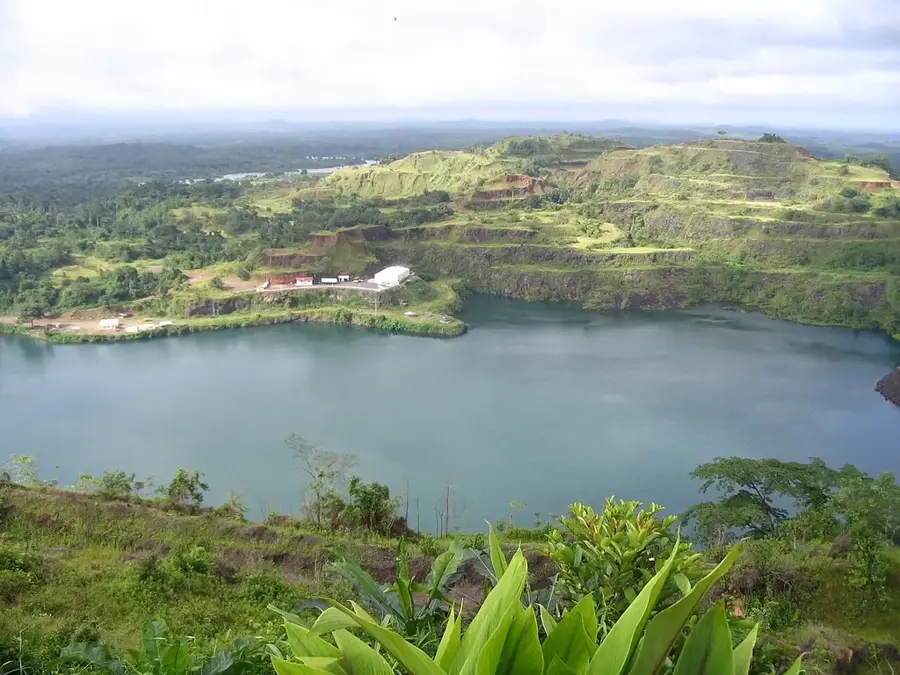
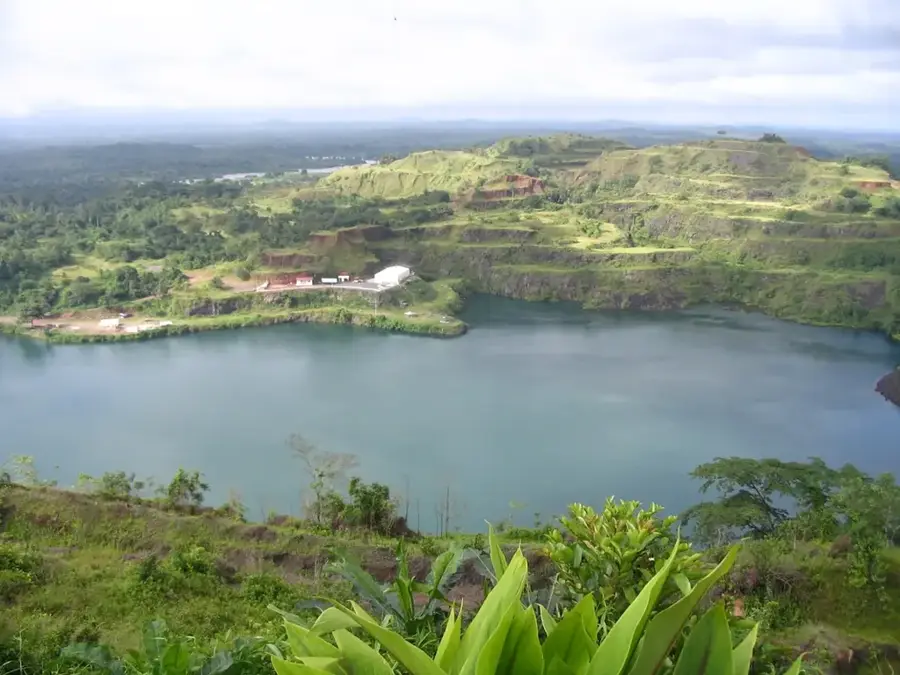
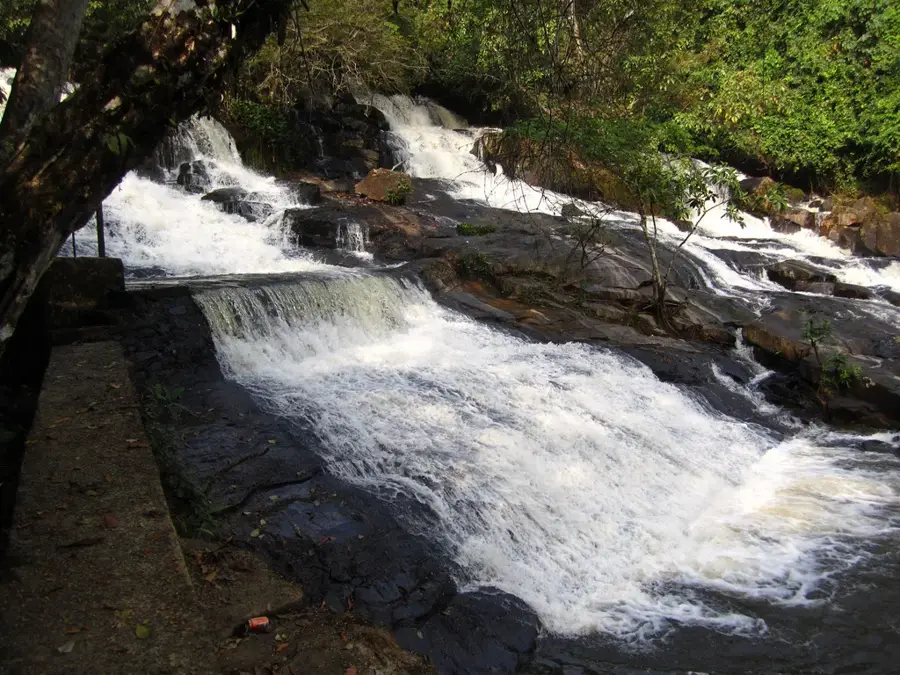
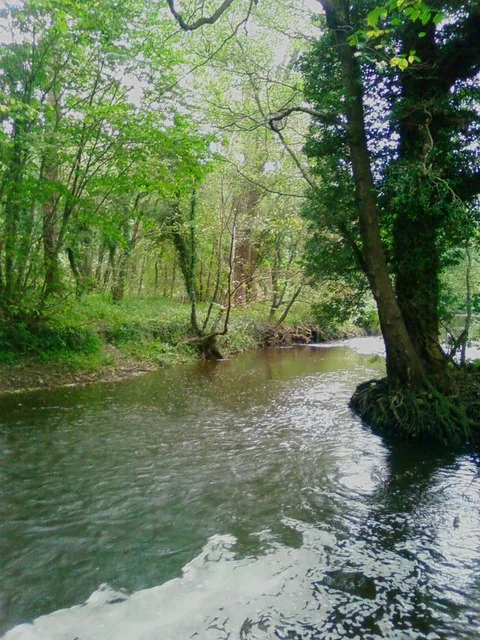
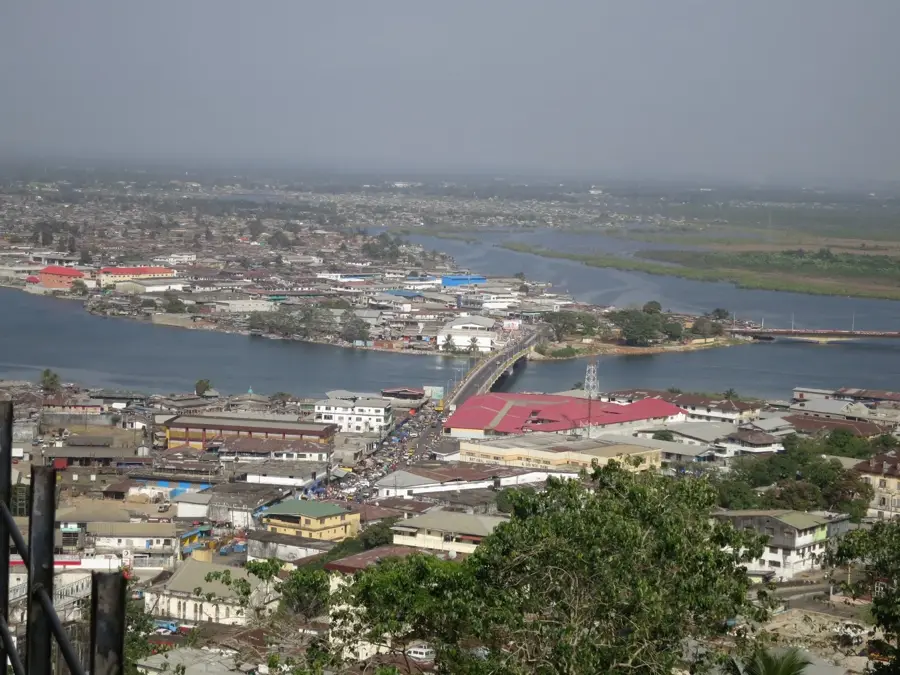
The Du River estuary in Liberia is a vital ecological transition zone where freshwater flows into the Atlantic Ocean, creating a diverse and productive habitat. Characterized by its dense mangrove forests and expansive wetlands, the area plays a crucial role in shoreline protection and supports a vast array of marine and terrestrial life. As a significant protected area, the estuary is a haven for ornithologists and nature enthusiasts, hosting numerous species of resident and migratory birds that find refuge in the nutrient-rich waters. The lush greenery of the mangroves provides a beautiful contrast to the coastal sands, offering a glimpse into the country's untouched natural heritage. Conservation efforts focus on maintaining the delicate ecological balance of these wetlands, ensuring they continue to serve as a natural nursery for fish and a sanctuary for wildlife in an increasingly changing environmental landscape.

Best time to visit & climate

The most pleasant time to visit is Jan, Feb, Dec.

JanFebMarAprMayJunJulAugSepOctNovDec
Avg °C272728282827262626272727
Rain mm122545621132121852872241968442

📋 Practical info

🧭
Getting there
The sprawling estuary is relatively close to bustling coastal settlements and can be reached by slowly following rough local dirt roads toward the wetlands. Renting a small, traditional wooden canoe or motorized boat from local village fishermen is by far the absolute best way to explore the dense mangrove ecosystems.
📅
Best season
Focused bird watching and comprehensive wetland exploration are overwhelmingly most rewarding during the reliable dry season, spanning from December directly through April. The exceedingly heavy tropical rains not only make land access incredibly difficult but also completely obscure visibility and drastically reduce avian activity.
⛰️
Terrain & paths
The coastal environment consists entirely of treacherous muddy tidal flats, impenetrable dense mangrove swamps, and meandering shallow waterways that constantly shift with the moon's tides. Walking is very often physically impossible or impossibly dirty, definitively making water-based exploration the only truly practical method.
🎒
What to bring
Bring powerful binoculars and a highly capable camera with a strong zoom lens to clearly observe the significant local bird populations from a very safe distance. Extremely potent mosquito repellent, fully waterproof footwear, and a secure dry bag for all sensitive electronics are absolute necessities in this damp, humid setting.
🅿️
Parking
You can easily park your vehicle in the nearby, more established coastal communities before smoothly transferring to a small wooden boat for the guided estuary tour. Always ensure you thoroughly and clearly negotiate both parking security and total boat rental fees before completely departing on the open water.
⚠️
Safety
The deceptively calm muddy banks can be incredibly treacherous, often acting exactly like deep quicksand in certain unpredictable, rapidly shifting tidal conditions. The extreme density of hungry mosquitoes in the thick mangroves is phenomenally high, presenting a very significant, continuous risk of serious tropical diseases.
⏱️
Time needed
A comprehensive, slowly guided boat tour of the vast estuary to fully appreciate the diverse birds and thick mangroves usually takes a solid three to four hours. Most eager international visitors carefully plan for a dedicated half-day excursion, heavily preferring to start very early in the morning for the absolute best viewing.

Geography

Coordinates
6.20000, -10.50000

Facts

  • River length: 100 km.
  • Estuary width: up to 5 km.
  • Mangrove area: approximately 15 km².
  • Tidal range: up to 2 m.
  • Annual fish catch: estimated 500 tons.
  • Mercury levels: up to 0.5 µg/L in sediments.

Explore nearby

Notable places around
Route planner — Car & Motorhome

Where do you start? We build the route here, with stops and country notes along the way.

Vehicle
Only stops with (optional):

© OpenStreetMap contributors · OpenRouteService

Sights in the town Du River Estuary (1)

John Gbedze Beach Resort🎡 recreation

John Gbedze Beach Resort is a coastal holiday retreat located in liberia-du-river-estuary-life-v2.

Sights nearby

Frequently asked questions

Where does the Du River flow into?
It flows into the Atlantic near Marshall, forming an ecologically valuable estuary there.
Can you go birdwatching at the estuary?
Yes, the estuary is a hotspot for waterbirds and terns.
Are there boat tours on the Du River?
Local fishermen often offer trips to explore the mangroves and wildlife.
Is the water at the estuary clean?
The water is brackish and strongly influenced by tides; it is only partially suitable for swimming.
What grows in the intertidal zone?
Various mangrove species dominate here, serving as a nursery for fish.
Du River Estuary: where is it located?
Du River Estuary is located in Liberia.
Du River Estuary: when is the best time to visit?
The most pleasant time to visit is Jan, Feb, Dec.
Du River Estuary: why is it worth visiting?

The Du River estuary in Liberia is a vital ecological transition zone where freshwater flows into the Atlantic Ocean, creating a diverse and productive habitat.
View on map → The Top 50 Attractions → OpenStreetMap →
Africa
Explore with Plizio Discover more places in Africa
More places in Liberia →

Nearby cities

History & landmarks

Nature
More places