Plizio Visual Lab
Centennial Pavilion
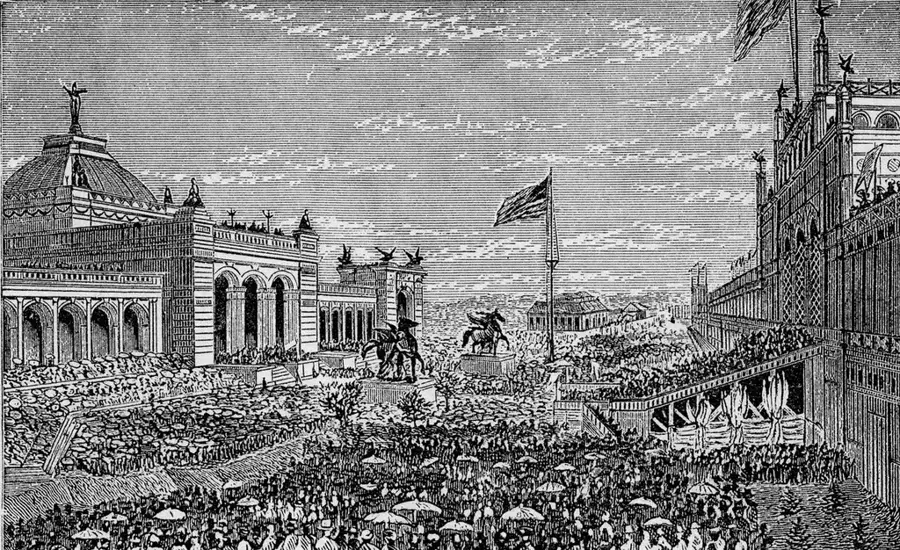
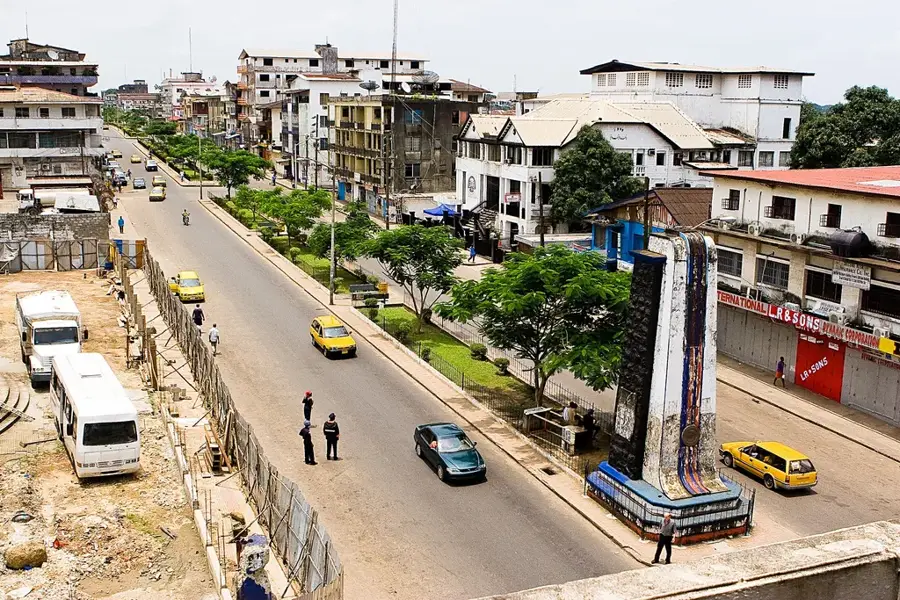
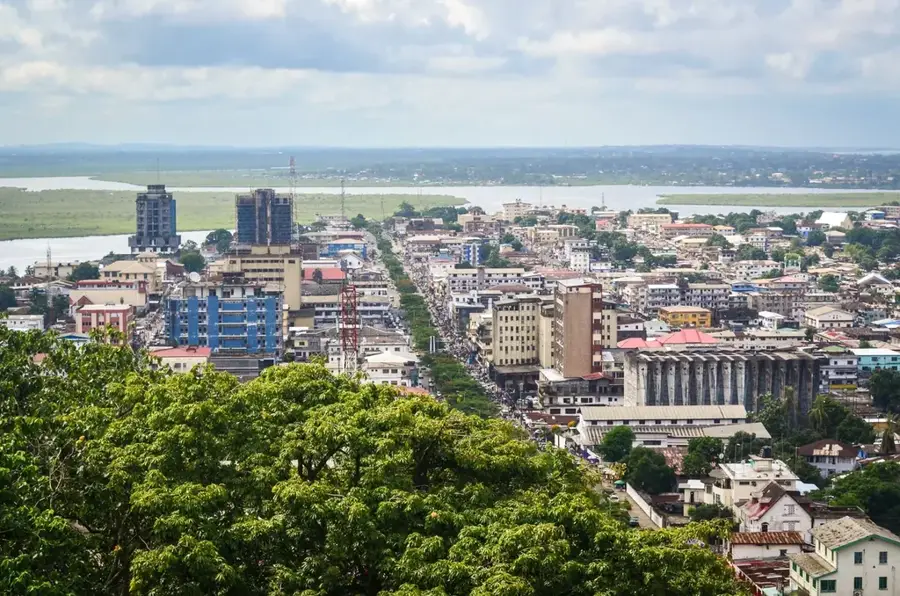
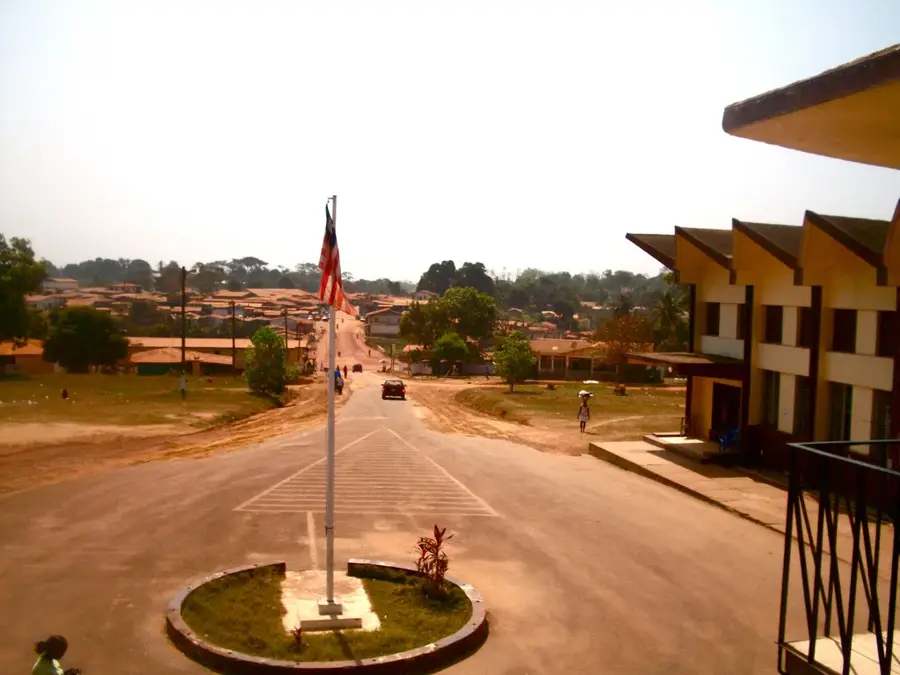
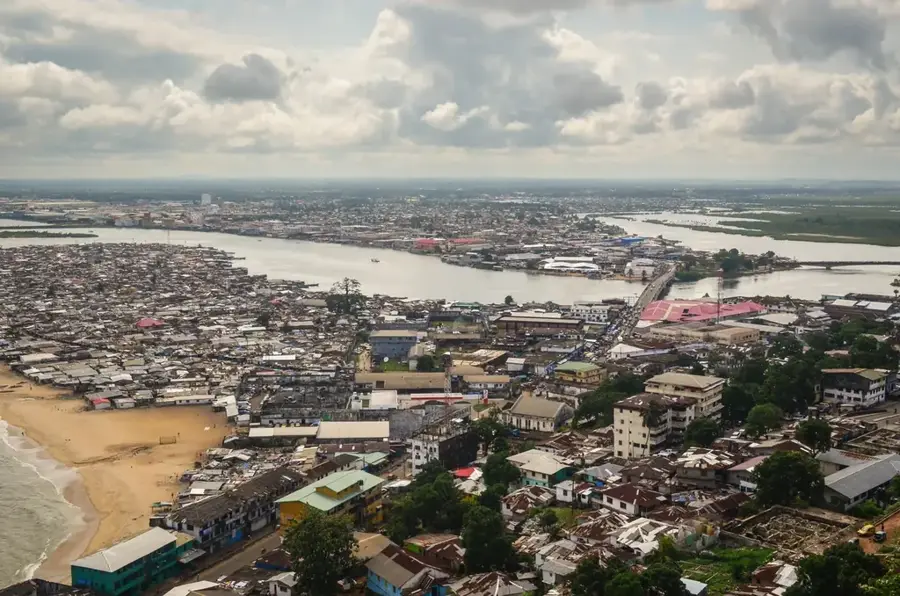
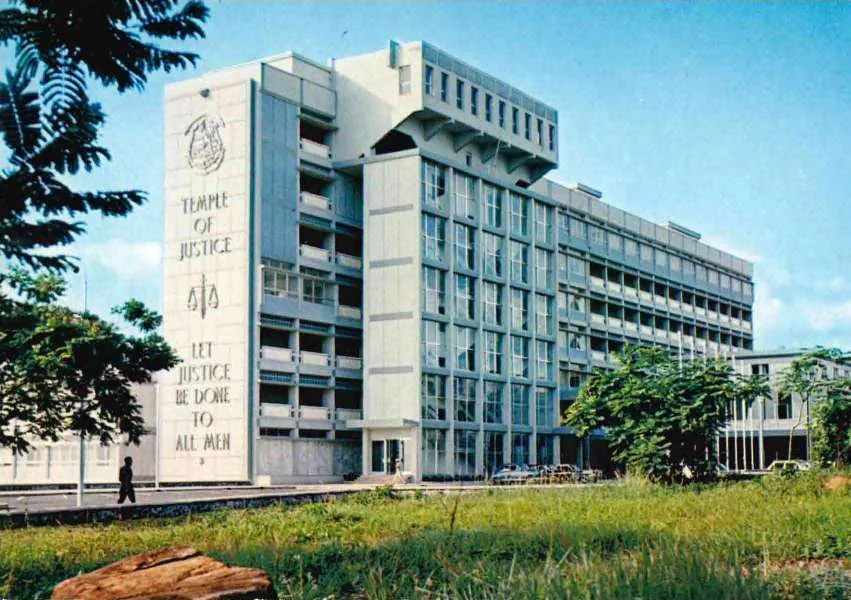
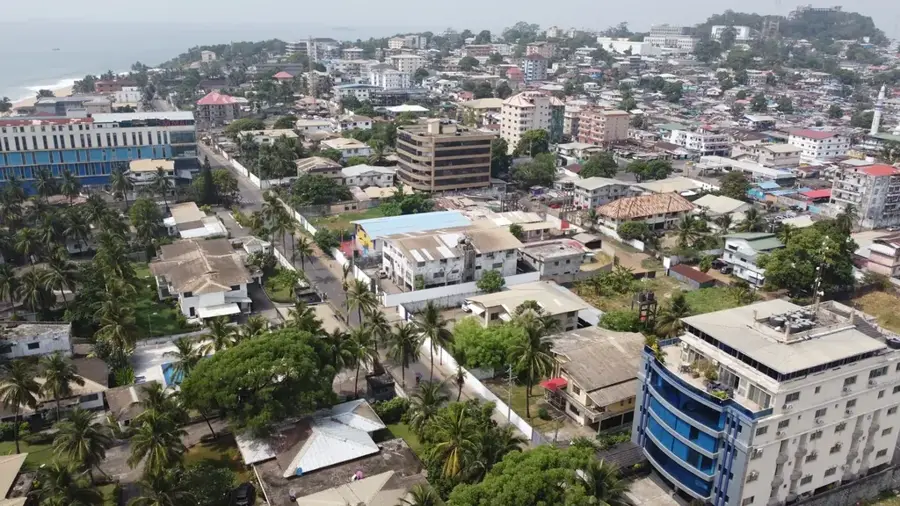
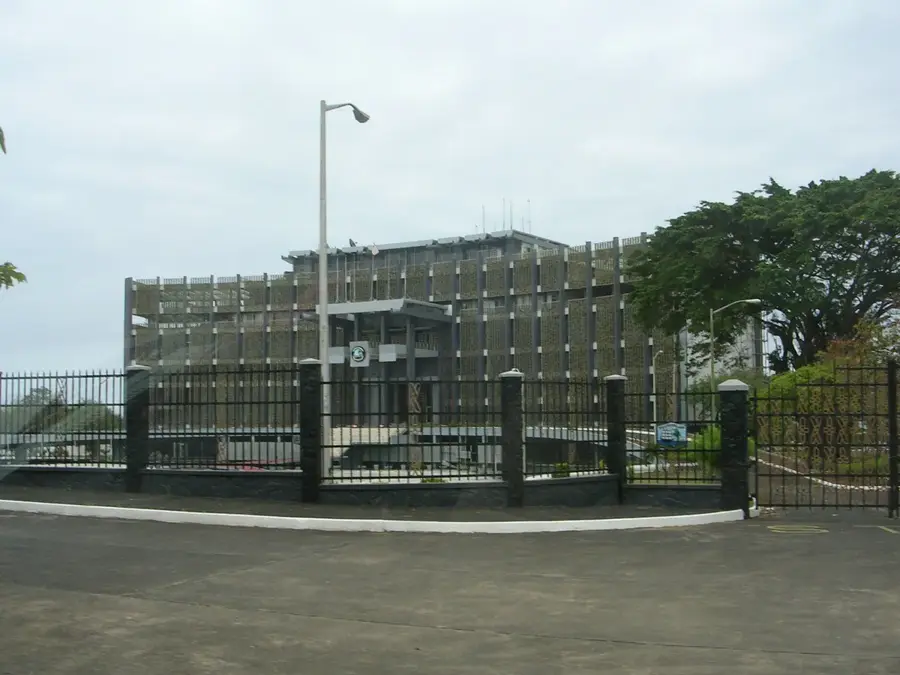
The Centennial Pavilion in Monrovia stands as a cornerstone of Liberian national identity, located prominently in the capital's government district. Completed in 1947 to mark the 100th anniversary of the nation's independence from 1847, it has since served as the prestigious venue for the inauguration of the country's presidents. The pavilion's design reflects the mid-20th-century official style, characterized by its ceremonial grandeur and open layout. Surrounding the main structure are various monuments and memorials that pay tribute to the pioneer settlers and the founding fathers of the republic. For history enthusiasts, the site has a profound look into the political heritage of Africa's oldest republic, housing the remains of notable leaders and commemorating significant milestones. Despite the country's turbulent past, the pavilion has been preserved as a symbol of continuity and national pride, making it for understanding the unique historical trajectory of Liberia and its enduring democratic traditions.
- Location: Liberia
- Nearby: Paynesville (11 km)
Best time to visit & climate
The most pleasant time to visit is Jan, Feb, Dec.
| Jan | Feb | Mar | Apr | May | Jun | Jul | Aug | Sep | Oct | Nov | Dec | |
|---|---|---|---|---|---|---|---|---|---|---|---|---|
| Avg °C | 27 | 27 | 27 | 28 | 28 | 27 | 26 | 26 | 26 | 27 | 27 | 27 |
| Rain mm | 8 | 16 | 31 | 43 | 100 | 216 | 237 | 361 | 246 | 190 | 72 | 33 |
📋 Practical info
Geography
Facts
- The pavilion was built in 1947.
- It seats 5,000 spectators.
- The stage is 30 meters wide.
- The 2010 renovation cost $2 million.
- The building covers 1,500 m².
- Column height is 12 meters.
Explore nearby
Notable places around



Route planner — Car & Motorhome
Where do you start? We build the route here, with stops and country notes along the way.
© OpenStreetMap contributors · OpenRouteService
Sights in the town Centennial Pavilion (1)
Sights nearby
Frequently asked questions
What is the Centennial Pavilion used for?
Where is the pavilion located?
Are tourists allowed to enter the building?
When was the pavilion built?
Are there monuments of significant people there?
Centennial Pavilion: where is it located?
Centennial Pavilion: when is the best time to visit?
Centennial Pavilion: why is it worth visiting?

Nearby cities






History & landmarks
Nature
More places