Plizio Visual Lab
Mofoka Village
ℹ️Practical info — Mofoka Village
▾
🌤 Weather — 5 days
📍 Nearby
Sights nearby
💡 Tips
- Always greet the village elders or the local chief first when arriving, as a sign of respect.
- Ask for permission before taking photos of the traditional stone and thatch houses.
- Carry small denominations of cash (Maloti or South African Rand) for buying local goods.
- The best time to photograph the architecture is during the golden hour in the late afternoon.
🍽 Food
Traditional opaque beer sometimes offered during local ceremonies or by welcoming hosts.
A refreshing fermented sorghum porridge drink often served in village homes.
Grilled meat is a common and delicious feast item during local celebrations.
🛍 Shopping · 🧘 Quiet spots
Hand-crafted pots made by local women, traditionally used for water or beer.
Small handmade jewelry items and accessories sold directly by the villagers.
Walk along the edges of the village overlooking the agricultural fields for a peaceful view.
Often a well-kept, serene area where you can respectfully observe daily village life.
Water temperature…
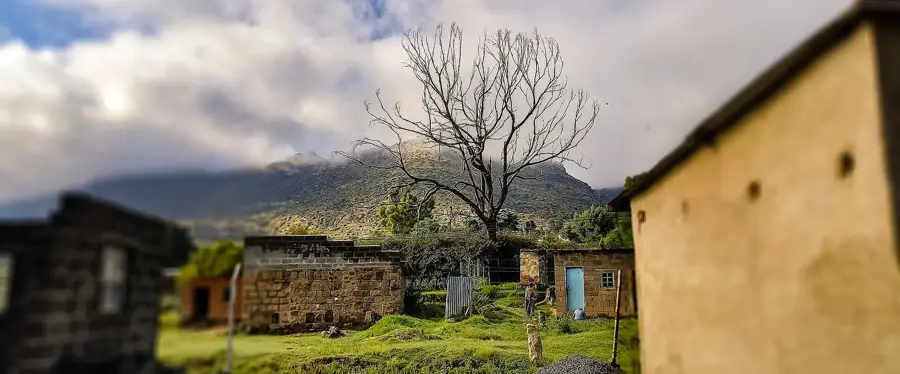
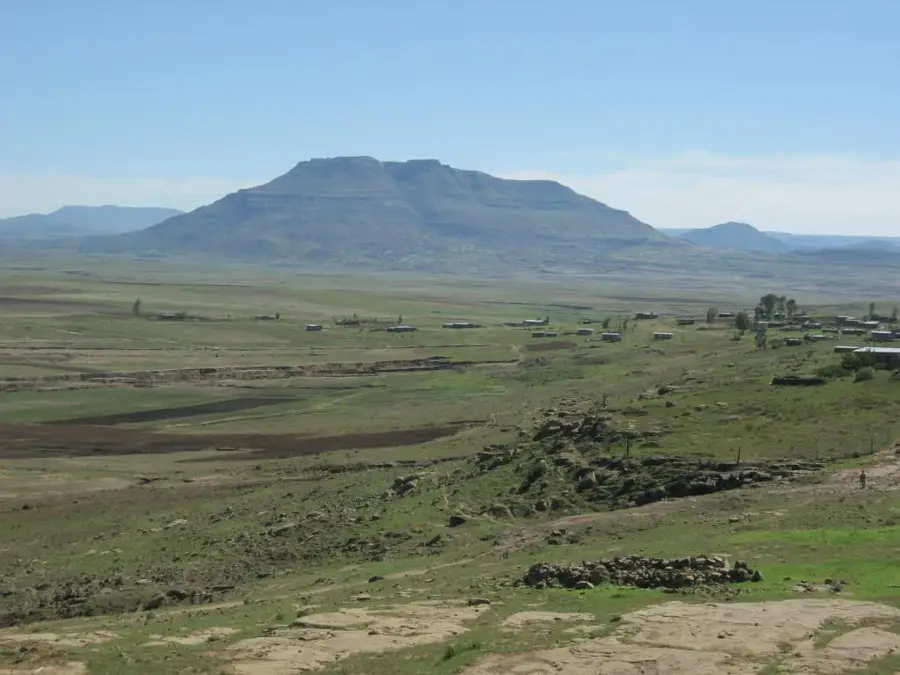
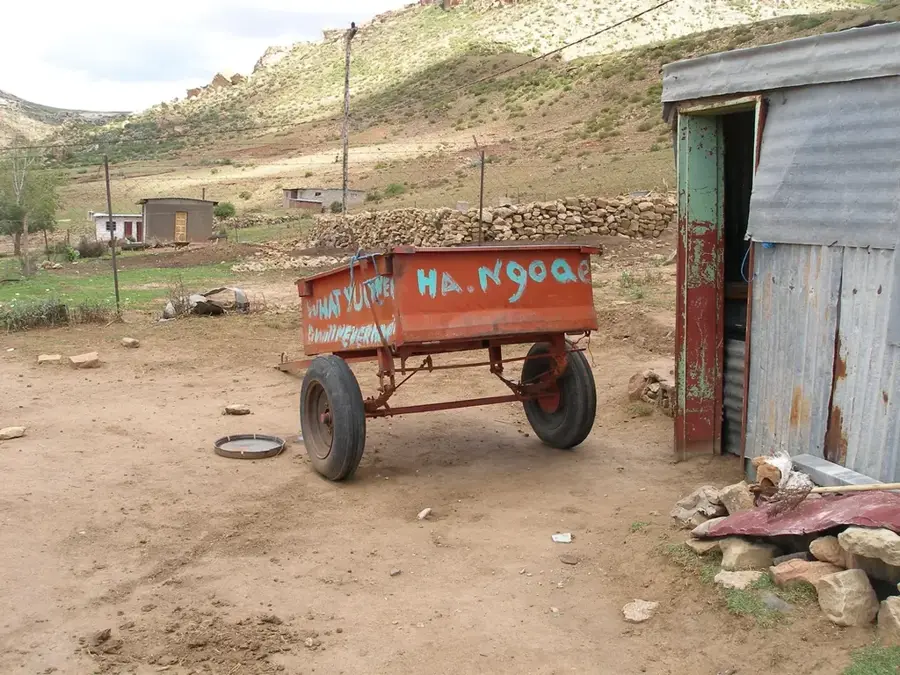
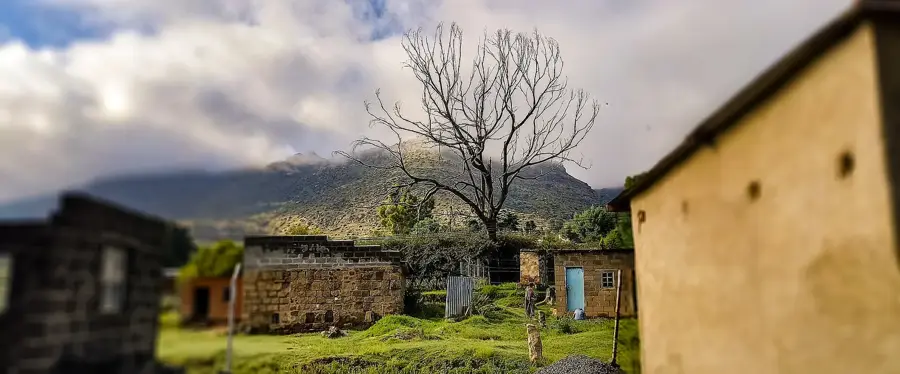
Mofoka Village, situated south of Maseru, is a significant cultural landmark that embodies the traditional rural life of the Basotho people. Known for its historical role as a chieftaincy seat, the village has long functioned as a regional administrative and social hub within Lesotho's highland society. The settlement's architecture features well-preserved examples of traditional round huts, built using local stone and thatched with indigenous grasses to provide insulation against the mountain cold. A defining feature of Mofoka is its Pitso ground, a communal gathering space where historical public meetings and traditional court sessions are still held to this day. Visitors can witness a lifestyle that remains closely connected to ancestral customs, livestock farming, and local crafts. By maintaining these ancient social structures and building techniques, Mofoka serves as a vital repository of Basotho heritage, offering a clear contrast to the modern developments in the nearby capital.
- Location: Lesotho
- Nearby: Morija (10 km)
- Population: ~4.879 (2024)
Best time to visit & climate
The most pleasant time to visit is Jan, Feb, Dec.
| Jan | Feb | Mar | Apr | May | Jun | Jul | Aug | Sep | Oct | Nov | Dec | |
|---|---|---|---|---|---|---|---|---|---|---|---|---|
| Avg °C | 21 | 20 | 18 | 14 | 11 | 7 | 7 | 9 | 14 | 17 | 18 | 20 |
| Rain mm | 102 | 92 | 74 | 63 | 22 | 21 | 8 | 22 | 19 | 61 | 84 | 103 |
Geography
Facts
- Population: 200
- Number of huts: 40
- Elevation: 1,600 m
- Main crops: maize, sorghum
- Livestock: 200 cattle
- Tourists per year: 5,000
Explore nearby
Notable places around


Route planner — Car & Motorhome
Where do you start? We build the route here, with stops and country notes along the way.
© OpenStreetMap contributors · OpenRouteService
Frequently asked questions
What is Mofoka Village?
Is it open for tourists?
Do I need permission for a visit?
Are there accommodations there?
How do I get there?
Mofoka Village: where is it located?
Mofoka Village: when is the best time to visit?
Mofoka Village: why is it worth visiting?

Nearby cities
History & landmarks
More places