Plizio Visual Lab
Maasai Mara National Reserve
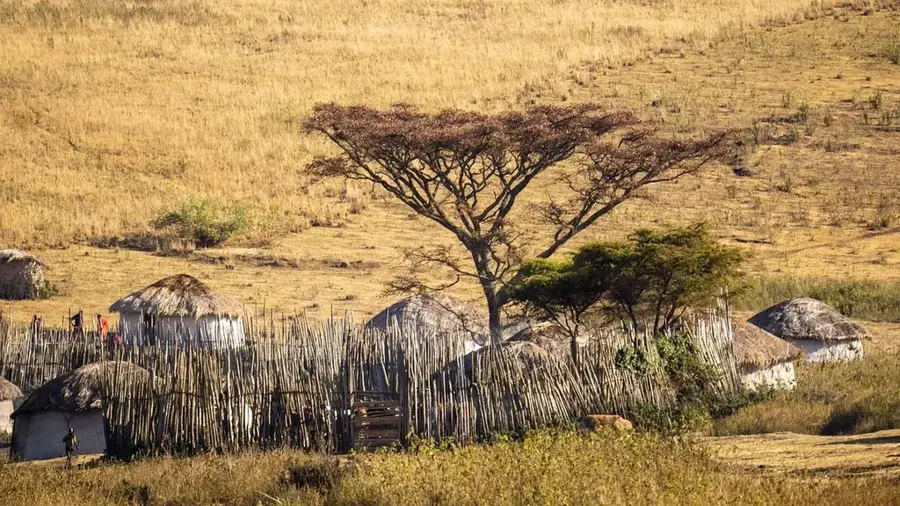
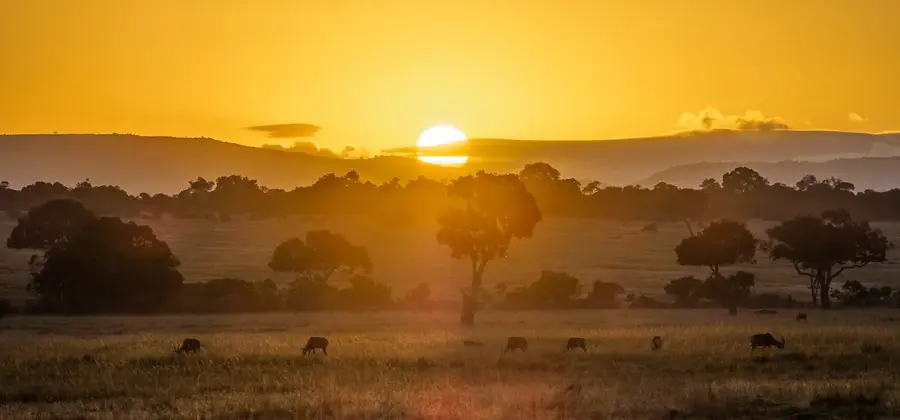
The Maasai Mara National Reserve, located in southwestern Kenya, is globally renowned for its exceptional population of wildlife and its unique savannah ecosystem. Spanning approximately 1,510 square kilometers, it contiguous with the Serengeti National Park in Tanzania, forming a critical migration corridor for millions of animals. The reserve is most famous for the Great Migration, which occurs annually between July and October, featuring the dramatic river crossings of wildebeests, zebras, and gazelles. This natural spectacle is one of the most significant wildlife events on the planet. The terrain is characterized by rolling grasslands, acacia woodlands, and gallery forests along the Mara and Talek rivers. Maasai Mara is home to the 'Big Five' and has a high density of apex predators, particularly lions and leopards. The reserve is managed by the local Maasai communities, whose traditional pastoralist lifestyle is deeply integrated with the landscape. Beyond tourism, the reserve serves as a vital center for ecological research and the protection of endangered species such as the black rhino. It remains a cornerstone of Kenya's natural heritage and conservation efforts.
- Location: Kenya
- Top sights: Massai Mara Gate · Masai Mara National Reserve
- Nearby: Bomet (60 km)
Best time to visit & climate
The most pleasant time to visit is Jul–Sep.
| Jan | Feb | Mar | Apr | May | Jun | Jul | Aug | Sep | Oct | Nov | Dec | |
|---|---|---|---|---|---|---|---|---|---|---|---|---|
| Avg °C | 21 | 22 | 22 | 20 | 19 | 19 | 19 | 20 | 21 | 22 | 21 | 21 |
| Rain mm | 106 | 69 | 148 | 173 | 103 | 46 | 26 | 46 | 55 | 75 | 137 | 140 |
📋 Practical info
Geography
Facts
- The reserve was established in 1961 and spans 1,510 square kilometers.
- It is famous for the Great Migration, involving over 2 million animals.
- The Mara River crossings are considered one of the 'New Seven Wonders of the World'.
- The reserve is named after the Maasai people, the ancestral inhabitants.
- It supports over 95 species of mammals and more than 400 bird species.
- The area receives an average annual rainfall of 800 to 1,200 millimeters.
Explore nearby
Notable places around


Route planner — Car & Motorhome
Where do you start? We build the route here, with stops and country notes along the way.
© OpenStreetMap contributors · OpenRouteService
Sights in the town Maasai Mara National Reserve (2)
Sights nearby
Frequently asked questions
When does the Great Migration take place?
Can you see the 'Big Five'?
How much are the entry fees?
Is a 4x4 vehicle necessary?
Are hot air balloon safaris available?
Maasai Mara National Reserve: where is it located?
Maasai Mara National Reserve: what is there to see?
Maasai Mara National Reserve: when is the best time to visit?
Maasai Mara National Reserve: why is it worth visiting?

Nearby cities

History & landmarks
Nature
More places