Plizio Visual Lab

Aso-Kujū National Park
Plizio editorial teamData Sources
national-park
—°8
Aso-Kujū National Park (Japan)

Weather…

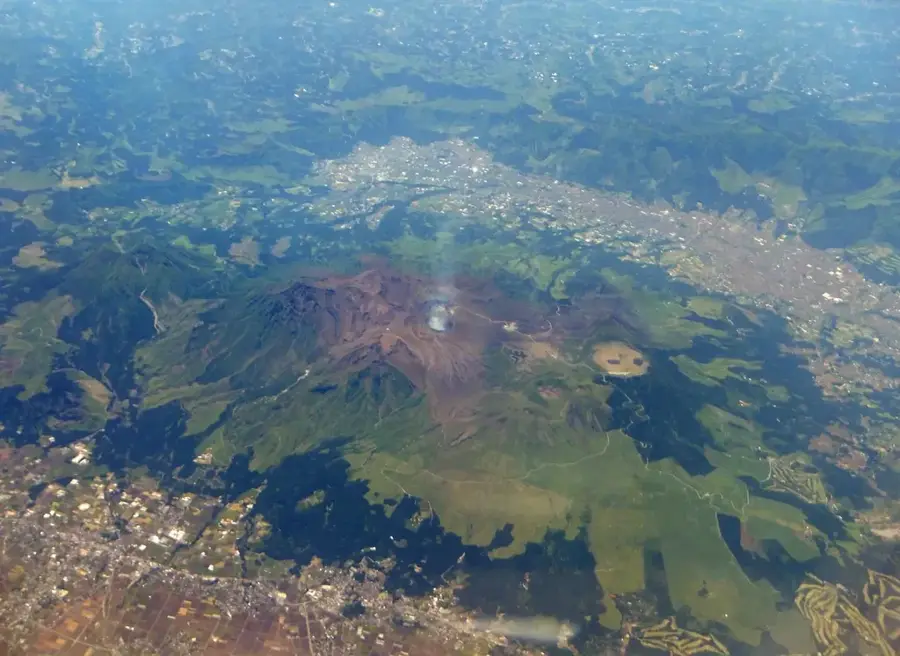
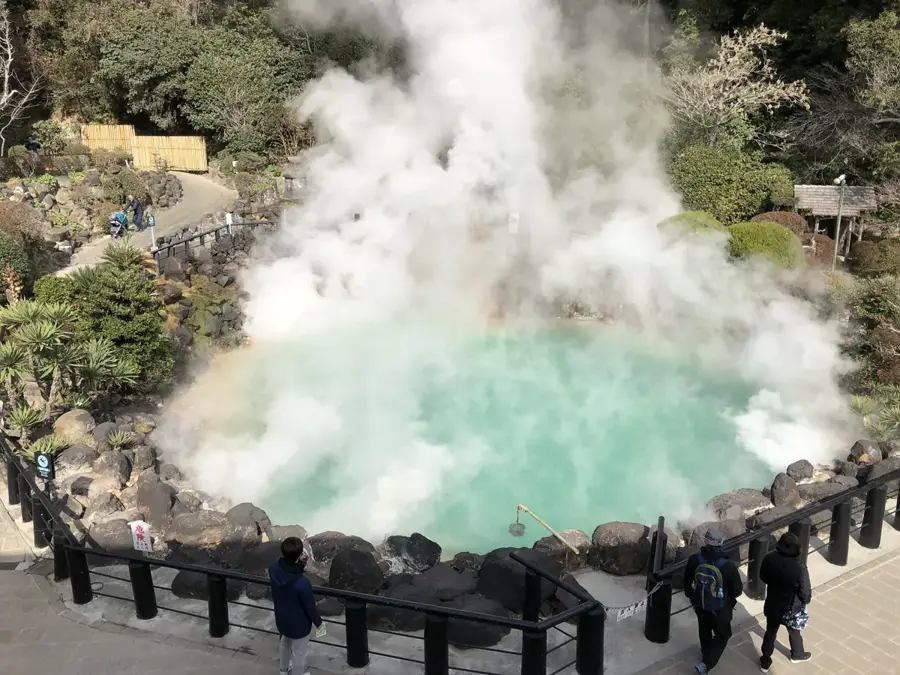
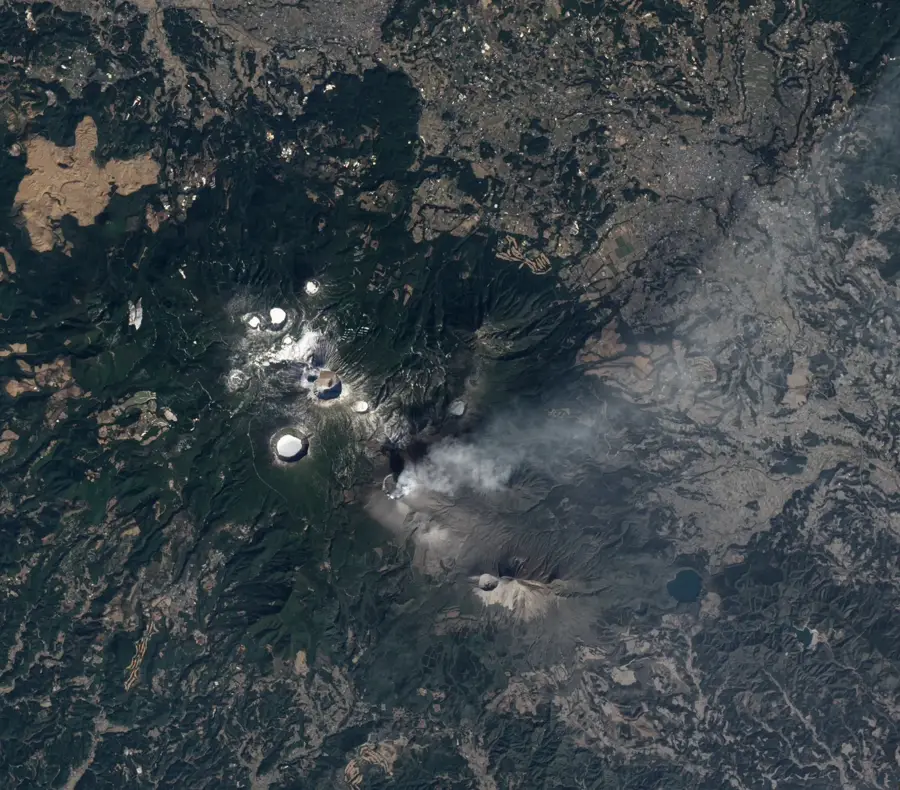
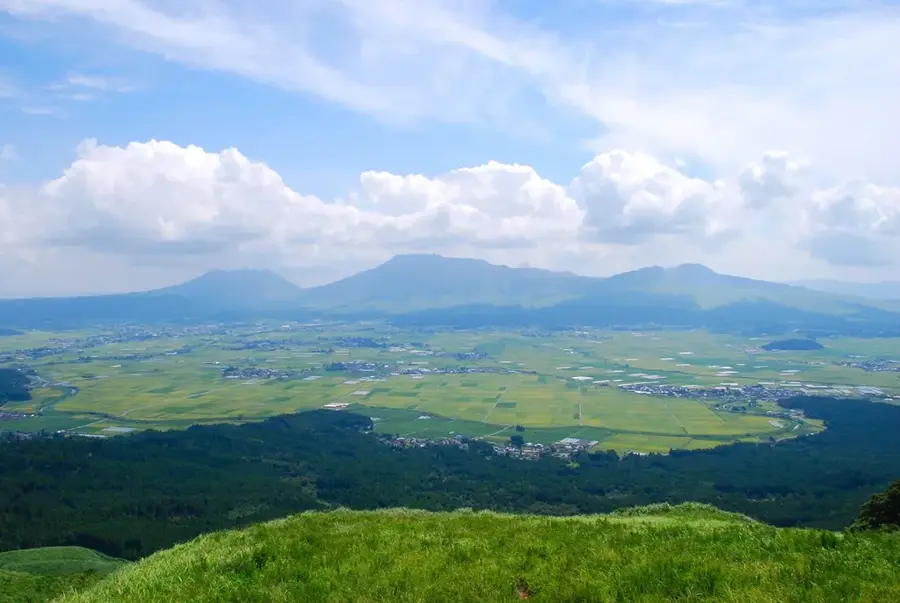
Aso-Kujū National Park is a remarkable feature of the geography and culture of Japan. A national park in Kumamoto and Ōita Prefectures with the active volcano Mount Aso and the Kujū mountains. Home to one of the world's largest calderas. Popular for hiking and hot springs. This natural area reflects the scenic diversity of Japan, from Mount Fuji and the Inland Sea to the Pacific coasts and volcanic island arcs. Like many notable places in Japan, it combines regional character with the legacy of the samurai tradition, Shinto and Buddhist heritage, and the modern industrial nation. Thus, this place contributes to the diverse profile of Japan, from Mount Fuji and Tokyo to the volcanic island arc along the Pacific.

Best time to visit & climate

The most pleasant time to visit is May, Sep, Oct.

JanFebMarAprMayJunJulAugSepOctNovDec
Avg °C1361116202424211593
Rain mm691011291561863983962162261259679

📋 Practical info

🧭
Getting there
The expansive region is best reached by rental car or scenic railway lines originating from Kumamoto or Beppu. Having a private vehicle provides the necessary flexibility to traverse the wide mountain roads.
📅
Best season
Spring and autumn are widely considered handy for comfortable hiking and clear views of the dramatic volcanic landscape. Late spring is especially famous for the animated azaleas blooming across the Kuju mountains.
⛰️
Terrain & paths
The national park features a compelling mix of sweeping green grasslands and steep, rocky volcanic paths. While the caldera floor is relatively flat, trails ascending the peaks can be strenuous and highly exposed.
🎒
What to bring
Windproof jackets and sturdy hiking footwear are highly recommended due to the rough terrain and sudden gusts. Sun protection is also crucial for the open, exposed highland trails during the summer months.
🅿️
Parking
Designated parking lots are usually readily found at major trailheads, volcanic viewpoints, and the various visitor centers. Many facilities across the plateau offer free parking for those exploring by car.
⚠️
Safety
Mount Aso is an active volcano; crater access is frequently restricted without warning due to toxic gas emissions. Always verify current volcanic alert levels and obey any physical barriers or danger signs.
⏱️
Time needed
Visitors usually spend one to two days exploring the massive caldera, taking leisurely scenic drives, and hiking. Enthusiasts climbing the higher Kuju mountains will easily want to extend their trip to three days.

Geography

Coordinates
32.88000, 131.10000

Facts

  • A national park in Kumamoto and Ōita Prefectures with the active volcano Mount Aso and the Kujū mountains.
  • Located within the island nation of Japan in the North Pacific.
  • Plays a role in the local identity of the region.
  • Known for its scenic or cultural significance.
  • Documented in local and regional studies.

Explore nearby

Notable places around

Route planner — Car & Motorhome

Where do you start? We build the route here, with stops and country notes along the way.

Vehicle
Only stops with (optional):

© OpenStreetMap contributors · OpenRouteService

Sights in the town Aso-Kujū National Park (8)

Mt. Kishima-dake🌿 nature

A distinctive volcanic cone located within the scenic bounds of Aso-Kuju National Park.

Mt. Eboshi-dake🌿 nature

One of the five central peaks of the Aso volcanic group, rising prominently in the national park.

Mt. Naka-dake🌿 nature

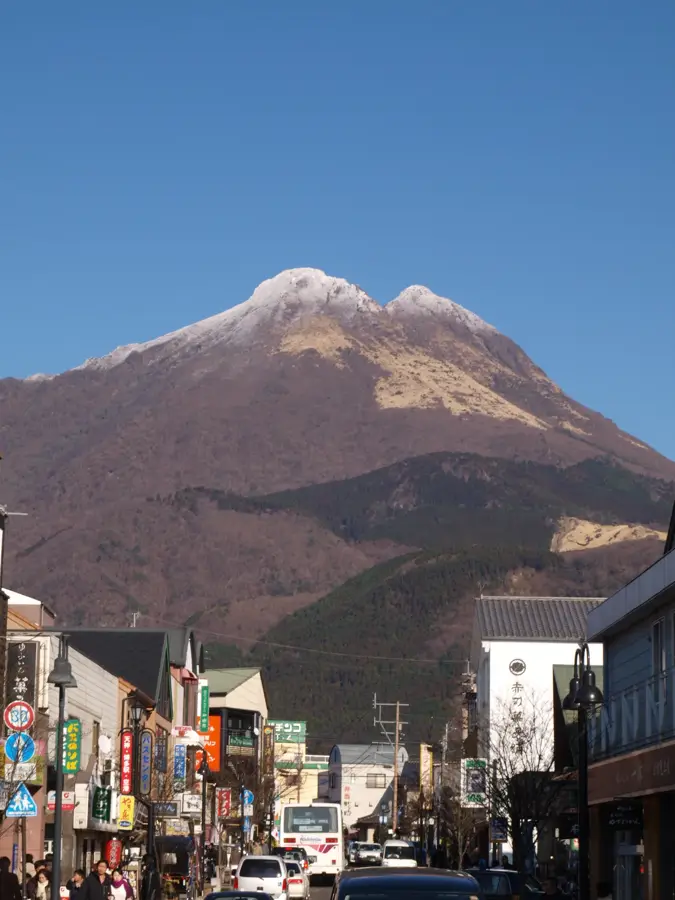
This globally known active stratovolcano peak features a constantly steaming crater accessible to visitors.

Kamishikimi Kumanoimasu Shrine⛪ religious

A noted Shinto shrine set within a deep, mossy forest that evokes a mystical atmosphere in the Aso region.

Ichinomiyamachi Miyaji📍 landmark

A historic district near Aso Shrine known for its traditional storefronts and numerous spring water fountains.

Aso Mizuki Meguri Shopping Street📍 landmark

A traditional shopping avenue interspersed with natural water sources flowing from the Aso mountains.

Aso Shrine⛪ religious

One of Japan's oldest Shinto shrines, traditionally holding deep significance for the communities around the Aso caldera.

Kiyomizu-dera Temple📍 landmark

A Buddhist site set amongst the natural scenery of the Aso region, providing a quiet retreat.

Sights nearby

Frequently asked questions

What is special about Mount Aso?
It has one of the world's largest calderas and is one of Japan's most active volcanoes.
Is access to the crater allowed?
Access to the Nakadake crater depends on volcanic activity and gas emissions.
What activities does the park offer?
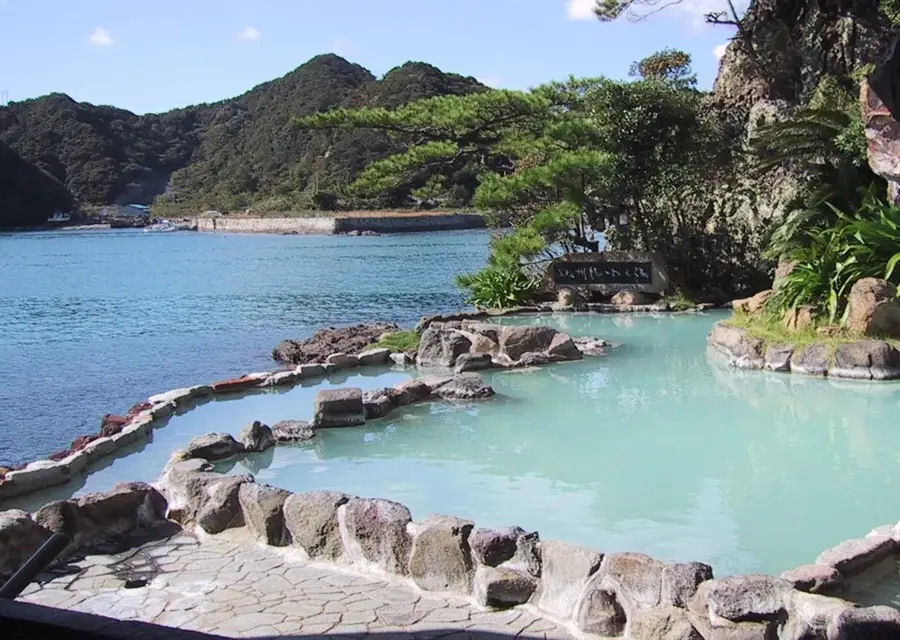
Hiking in the Kuju Mountains, horse riding in Kusasenri, and bathing in onsens like Kurokawa.
How to get to the park?
Best by train or bus from Kumamoto or Beppu; a rental car is good for exploring the area.
When do the azaleas bloom?
The famous pink azaleas on the Kuju peaks usually bloom from late May to early June.
Aso-Kujū National Park: where is it located?
Aso-Kujū National Park is located in Japan.
Aso-Kujū National Park: what is there to see?
Highlights include Mt. Kishima-dake, Mt. Eboshi-dake, Mt. Naka-dake.
Aso-Kujū National Park: when is the best time to visit?
The most pleasant time to visit is May, Sep, Oct.
Aso-Kujū National Park: why is it worth visiting?

Aso-Kujū National Park is a remarkable feature of the geography and culture of Japan.
View on map → The Top 50 Attractions → OpenStreetMap →
Asia
Explore with Plizio Discover more places in Asia
More places in Japan →

Nearby cities

History & landmarks

More places