Plizio Visual Lab

Yoyogi Park

Plizio editorial teamData Sources
park
—°18
Yoyogi Park (Japan)

Weather…

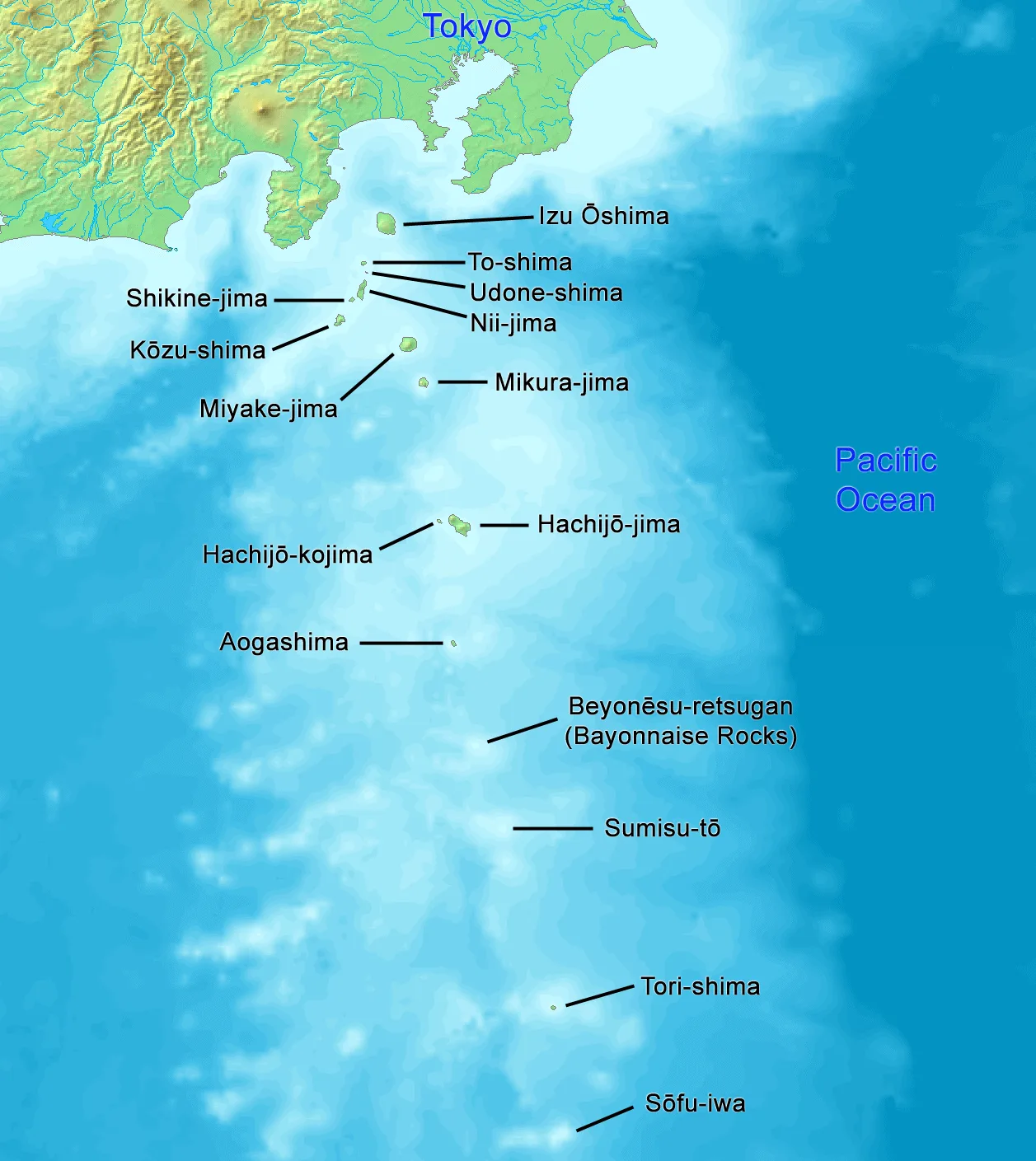
Yoyogi Park is a remarkable feature of the geography and culture of Japan. One of Tokyo's largest parks, known for its wide lawns, ponds, and forested areas. A popular spot for picnics, sports, and as a gathering place for subcultures. Site of the former Olympic village for the 1964 Tokyo Olympics. Adjacent to Meiji Shrine. Musicians, dancers, and cosplayers often gather here on Sundays. This protected area is part of Japan's rich wildlife and flora, from the subtropical forests of Kyushu to the snowy regions of Hokkaido. Like many notable places in Japan, it combines regional character with the legacy of the samurai tradition, Shinto and Buddhist heritage, and the modern industrial nation. Thus, this place contributes to the diverse profile of Japan, from Mount Fuji and Tokyo to the volcanic island arc along the Pacific.

Best time to visit & climate

The most pleasant time to visit is May, Jun, Sep.

JanFebMarAprMayJunJulAugSepOctNovDec
Avg °C23712172125262216105
Rain mm66671151291421811801552152229769

📋 Practical info

🧭
Getting there
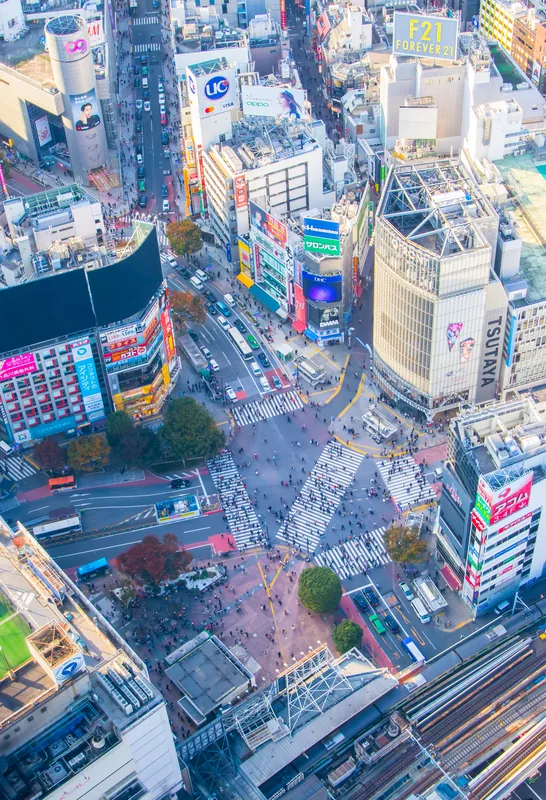
Centrally located in Shibuya, the park is incredibly easy to reach via Harajuku Station on the JR Yamanote Line or Yoyogi-koen Station on the subway.
📅
Best season
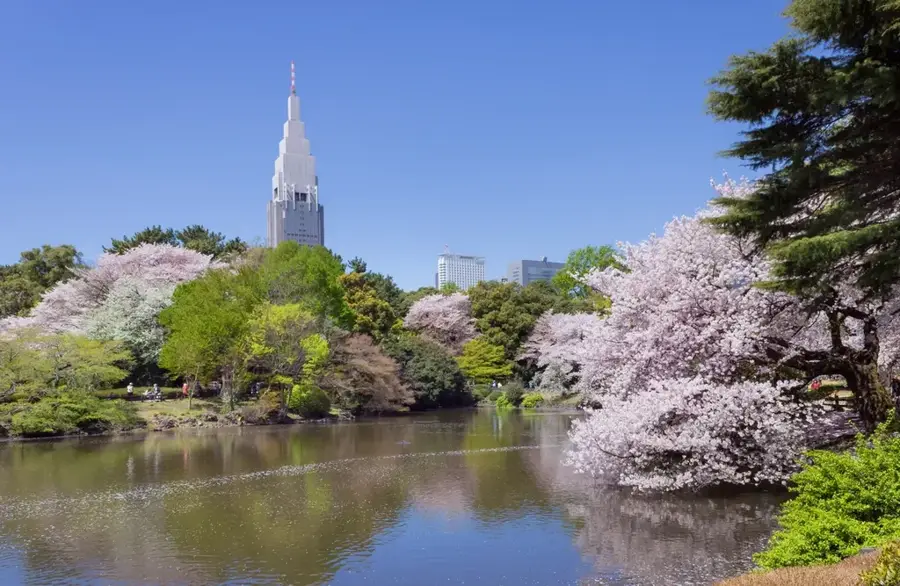
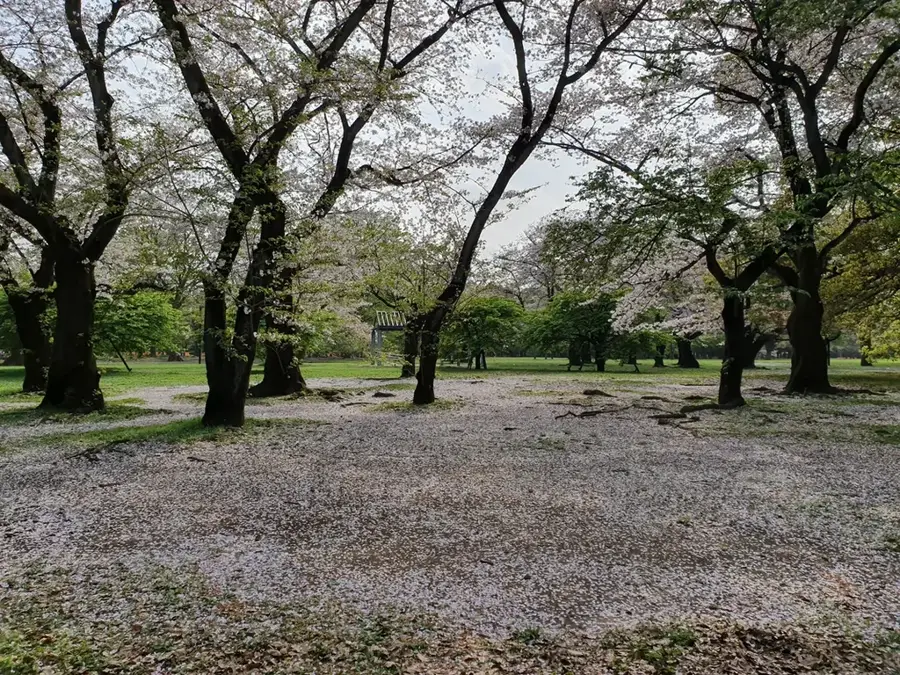
It is beautiful year-round, but spring for the famous cherry blossoms and late autumn for the memorable golden ginkgo trees are the most popular visiting times.
⛰️
Terrain & paths
The terrain is mostly flat with wide, paved paths and expansive grassy lawns, making it a convenient spot for walking, jogging, or enjoying a casual outdoor picnic.
🎒
What to bring
Wear comfortable walking shoes to explore the vast area and bring a picnic mat if you intend to relax on the grass like many of the local residents.
🅿️
Parking
Public parking lots are available in the vicinity, but they tend to fill up very quickly on weekends; using Tokyo’s excellent public transport is highly advised.
⚠️
Safety
The park is exceptionally safe even after dark, though it can become extremely crowded during major festivals, blossom seasons, or popular weekend events.
⏱️
Time needed
You should plan for at least 1 to 3 hours to see the various sections, including the forested northern parts and the central ponds near the main entrance.

Geography

Coordinates
35.67150, 139.69250

Facts

  • One of Tokyo's largest parks, known for its wide lawns, ponds, and forested areas. A popular spot for picnics, sports, and as a gathering place for subcultures.
  • Located within the island nation of Japan in the North Pacific.
  • Plays a role in the local identity of the region.

Explore nearby

Notable places around

Route planner — Car & Motorhome

Where do you start? We build the route here, with stops and country notes along the way.

Vehicle
Only stops with (optional):

© OpenStreetMap contributors · OpenRouteService

Sights in the town Yoyogi Park (18)

Ota Memorial Museum of Art🏛 museum

Specialized museum in Harajuku showcasing a vast collection of traditional Ukiyo-e woodblock prints.

🕒 Tu-Su 10:30-17:30

Museum of Modern Japanese Literature🏛 museum

Located in Komaba Park, this museum preserves millions of manuscripts and books by modern Japanese authors.

🕒 Tu-Sa 09:30-16:30; Su-Mo off

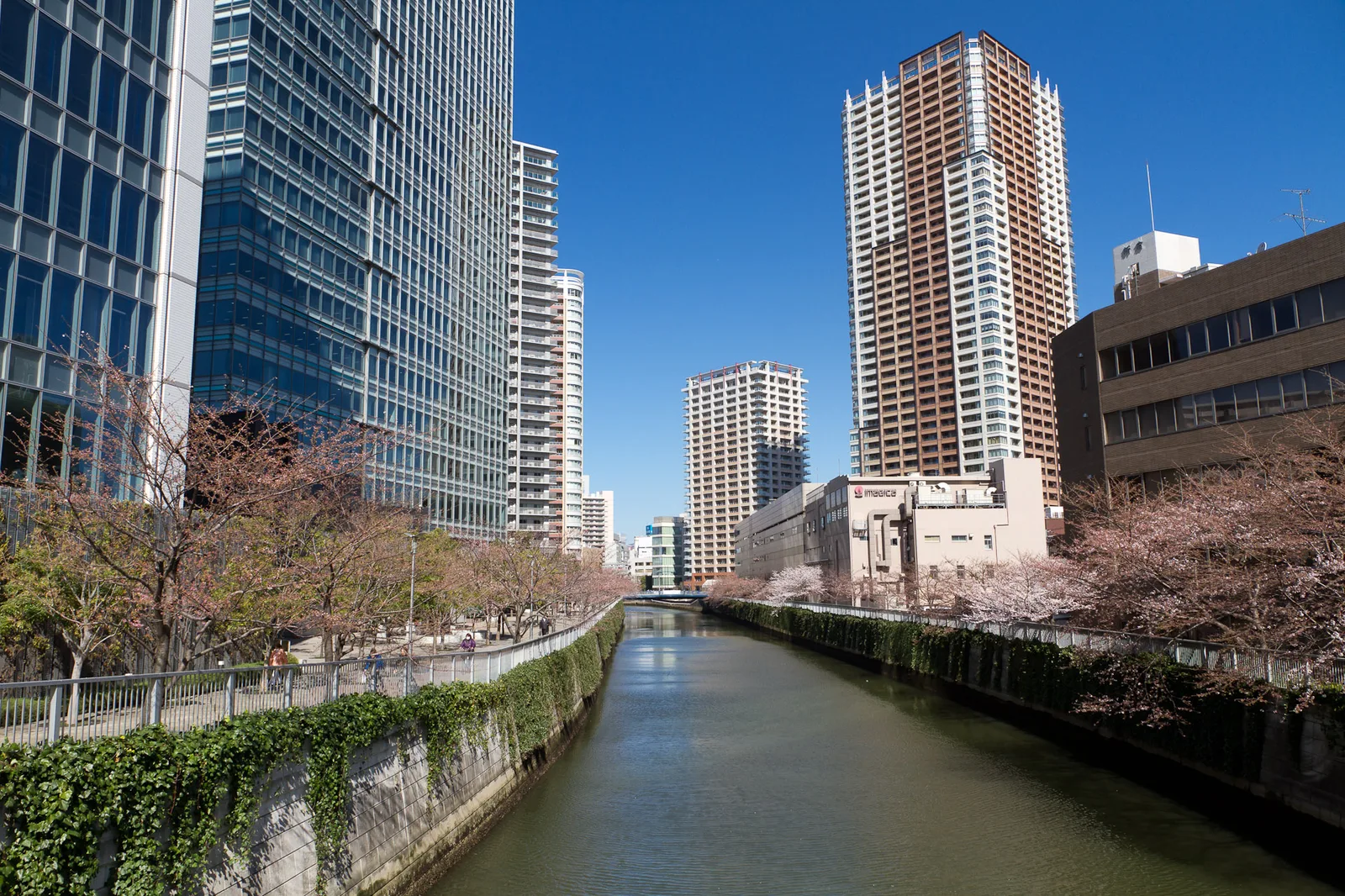
Japanese Folk Crafts Museum🏛 museum

Museum dedicated to Japanese folk art (mingei) in a beautiful wooden building, founded by Sōetsu Yanagi.

🕒 Tu-Su 10:00-17:00

Setagaya City Hall🏺 historical

Landmark city hall designed by Kunio Maekawa, featuring a spacious central public courtyard.

🕒 Mo-Fr 08:30-17:00; PH off

Kitazawa Town Hall🎭 culture

Community hub in the Shimokitazawa district used for local theater and cultural events.

Honda Theatre🎭 culture

Legendary venue in Shimokitazawa, considered the heart of Tokyo's independent theater scene.

Togo-jinja Shrine⛪ religious

Shinto shrine dedicated to Admiral Togo Heihachiro, famous for its scenic pond and gardens.

🕒 Apr-Oct Mo-Su 06:00-17:00; Nov-Mar Mo-Su 06:30-17:00; Jan 01🆓

NHK Hall🎭 culture

Prestigious concert hall used for television broadcasts and performances by the NHK Symphony Orchestra.

Tokyo Camii⛪ religious

Japan's largest mosque in Ottoman style, featuring a dome decorated with magnificent Turkish tiles.

Meiji Jingu Main Shrine⛪ religious

Grand Shinto shrine dedicated to Emperor Meiji, positioned within a forest of 100,000 trees.

🕒 Jan 06:40-16:20; Feb 06:20-16:50; Mar 05:40-17:20; Apr 05:10🆓

Jingu Bridge📍 landmark

Stone bridge at the Meiji Shrine entrance, once a famous gathering spot for Harajuku fashion subcultures.

Yoyogi Park🌳 park

This expansive city park served as the site of the Olympic Village during the 1964 Summer Games.

Meiji Jingu Inner Garden🌳 park

This serene garden within Meiji Jingu is famous for its collection of over 1,500 iris plants.

🕒 Mo-Su,PH 09:00-16:30💶

Hanegi Park🌳 park

The park is renowned for its over 600 plum trees that come into full bloom every February.

Pine Tree of Imperial Troop🏺 historical

This memorial pine tree commemorates the imperial troops and serves as a historic landmark in the park area.

shrine ruins🏺 historical

These ruins mark the former site of a sacred Shinto structure within the park grounds.

Harajuku Station📍 landmark

The station is the gateway to Meiji Jingu and is known for its distinctive Tudor-inspired building design.

Barrels of French Bourgogne wine📍 landmark

These wine barrels are an offering from France in honor of Emperor Meiji, who enjoyed Western wines.

Sights nearby

Frequently asked questions

Is entry to Yoyogi Park free?
Yes, access to the public park is free for all visitors.
When do the rock-and-roll dancers perform?
Mostly on Sunday afternoons near the Harajuku entrance.
Is the Meiji Shrine inside the park?
It is directly adjacent to the park but has separate entrances and paths.
Can I rent bicycles?
Yes, there is a cycling center in the park offering rentals and a dedicated path.
Is picnicking allowed in the park?
Yes, picnicking is very popular, especially on weekends on the large lawns.
Yoyogi Park: where is it located?
Yoyogi Park is located in Japan.
Yoyogi Park: what is there to see?
Highlights include Ota Memorial Museum of Art, Museum of Modern Japanese Literature, Japanese Folk Crafts Museum.
Yoyogi Park: when is the best time to visit?
The most pleasant time to visit is May, Jun, Sep.
Yoyogi Park: why is it worth visiting?
Yoyogi Park is a remarkable feature of the geography and culture of Japan.
View on map → The Top 50 Attractions → OpenStreetMap →
Asia
Explore with Plizio Discover more places in Asia
More places in Japan →

Nearby cities

History & landmarks

More places