Plizio Visual Lab

Shibuya Scramble Crossing
Plizio editorial teamData Sources
trade-hub
—°13
Shibuya Scramble Crossing (Japan)

Weather…

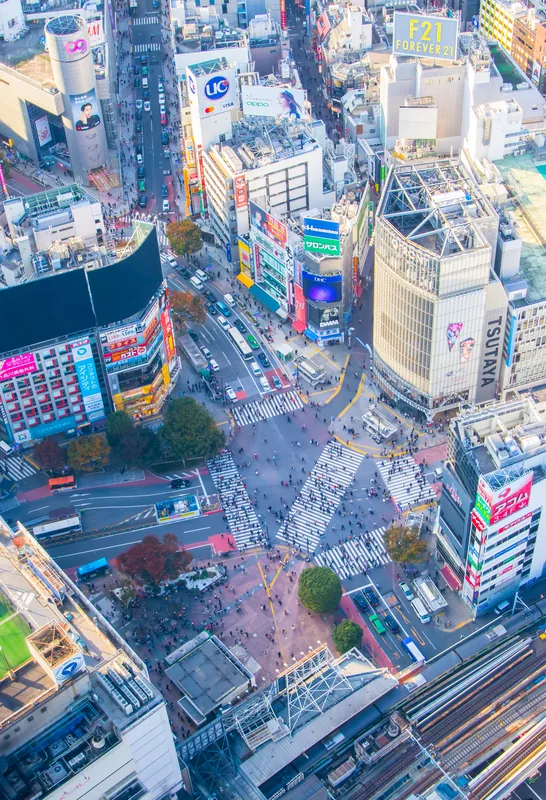
The Shibuya Crossing in Tokyo is arguably the most famous symbol of urban energy and mass consumption in modern Japan. Designed as a 'scramble crossing,' all vehicular traffic stops simultaneously to allow thousands of pedestrians to cross in all directions at once. It is located directly outside the Hachiko Exit of Shibuya Station, one of the world's busiest railway hubs. The crossing is surrounded by giant LED screens, department stores like Shibuya 109, and countless retail outlets, making it one of the most valuable advertising spaces on the planet. Despite the massive crowds, the crossing operates with fascinating order and efficiency. The area has undergone a fundamental transformation in recent years through massive redevelopment projects like Shibuya Scramble Square, which features an observation deck offering a spectacular view from above. Shibuya is not only a transport hub but the epicenter of youth culture, fashion, and technological trends in Japan. It embodies the constant renewal and dynamism of Tokyo as a global megacity.

Best time to visit & climate

The most pleasant time to visit is May, Jun, Sep.

JanFebMarAprMayJunJulAugSepOctNovDec
Avg °C23712172125262216105
Rain mm66671151291421811801552152229769

📋 Practical info

🏭
What is this place?
Shibuya Scramble Crossing operates as a gigantic commercial trade hub and a globally recognized symbol of modern, bustling Tokyo. It channels massive crowds daily, serving as the dynamic heart for retail, fashion, and entertainment in Japan's capital city.
🚪
Visiting
Unlike restricted industrial sites, this lively urban intersection is entirely open to the public and is designed to be experienced by walking through it. Visitors can freely navigate the crossing during any light cycle alongside thousands of local commuters and shoppers.
👀
Where to view it
For the most iconic perspective of the synchronized pedestrian movement, observers usually head to the elevated windows of surrounding cafes and department stores. Standing safely on the pedestrian corners before the lights change also features an immersive, ground-level view.
🧺
Local products
The surrounding district is saturated with endless retail opportunities, ranging from cutting-edge Japanese fashion and cosmetics to the latest consumer electronics. Street-level vendors and mega-malls alike provide a vast array of pop culture merchandise and local culinary delights.
📆
Active season
The crossing is energetic throughout the year, but the atmosphere becomes especially electric during the evening rush hour and on weekends. Nighttime visits offer the added visual spectacle of towering, brightly illuminated neon signs and massive digital billboards.
Nearby
Experiencing this famous pedestrian hub naturally leads into exploring the endless shopping streets and hidden alleys of the Shibuya ward. Many travellers combine the crossing with a visit to the nearby Hachiko statue, followed by a walk towards the trendy Harajuku district.

Geography

Coordinates
35.65950, 139.70050

Facts

  • Up to 3,000 people cross the intersection during a single green light cycle.
  • The Hachiko statue at the crossing commemorates Japan's most loyal dog.
  • Shibuya Scramble Square is the tallest building in the area at 230 meters.
  • The scramble-style crossing was first introduced in the 1970s.
  • Over 2.4 million people utilize Shibuya Station every day.
  • Surrounded by three massive LED screens displaying advertisements 24/7.

Explore nearby

Notable places around
Route planner — Car & Motorhome

Where do you start? We build the route here, with stops and country notes along the way.

Vehicle
Only stops with (optional):

© OpenStreetMap contributors · OpenRouteService

Sights in the town Shibuya Scramble Crossing (13)

Museum and Centennial Hall, Institute of Science Tokyo🏛 museum

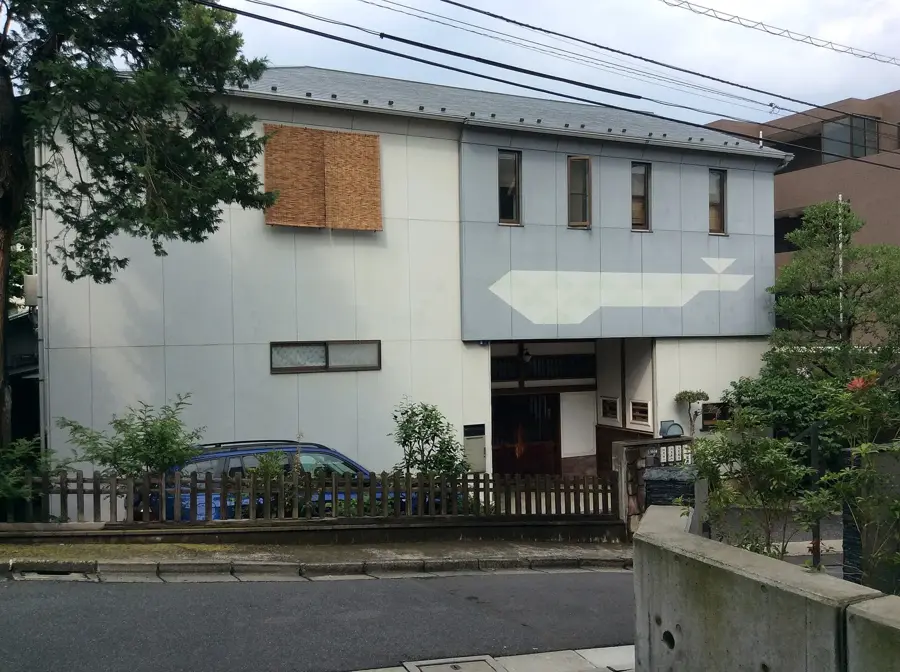
Housed in a striking building designed by Kazuo Shinohara, this museum showcases scientific instruments and university history.

Meguro Museum of Art🏛 museum

This museum in Meguro Park focuses on modern Japanese art and features a collection of diverse materials and colors.

🕒 Tu-Su 10:00-18:00

Meguro Parasitological Museum🏛 museum

The world's only museum dedicated to parasites, displaying thousands of specimens including an 8-meter tapeworm.

🕒 We-Su 10:00-17:00🆓

Tokiwa Matsu Imperial Villa🏰 castle

This former imperial villa in Shibuya now serves as a residence for the Hitachi princely house.

Meguro City Hall🏺 historical

Designed by Togo Murano, this city hall is notable for its sweeping interior staircase and modern design.

🕒 Mo-Fr 08:30-17:00; PH off

Shibuya ward city hall🏺 historical

The modern administrative center for Shibuya ward is located in close proximity to Yoyogi Park.

Noge Ōtsuka Kofun🏺 historical

A large 5th-century keyhole-shaped burial mound, one of the most significant kofun hills in Tokyo.

Yukigaya Hachiman Shrine⛪ religious

This Shinto shrine in Ota is known for its lively autumn festivals and traditional atmosphere.

Myofuku Ji⛪ religious

A Buddhist temple of the Nichiren school, valued for its peaceful location in an Ota residential neighborhood.

Chojo-ji⛪ religious

A peaceful Nichiren temple in Shinagawa with a well-kept precinct for prayer and meditation.

PARCO Theatre🎭 culture

A renowned theater in Shibuya that has been staging pioneering contemporary plays since 1973.

Yoshimoto ∞ Hall🎭 culture

A popular comedy theater focusing on manzai and kontsu performances by young Japanese talent.

Theater Tram🎭 culture

An intimate theater located in the Sangenjaya Carrot Tower, known for its experimental performances.

Sights nearby

Frequently asked questions

Where is the best place for photos?
From Shibuya Sky, the Starbucks in the Tsutaya building, or the station walkway.
When is the crossing busiest?
In the evenings and on weekends, when neon lights are on and thousands cross at once.
Is there a famous statue there?
Yes, the Hachiko statue is located right outside the station exit of the same name.
Is it safe for children?
Yes, but keep them close as the crowds can be very dense.
What can you do nearby?
There are countless department stores (Shibuya 109), restaurants, and colorful nightlife.
Shibuya Scramble Crossing: where is it located?
Shibuya Scramble Crossing is located in Japan.
Shibuya Scramble Crossing: what is there to see?
Highlights include Museum and Centennial Hall, Institute of Science Tokyo, Meguro Museum of Art, Meguro Parasitological Museum.
Shibuya Scramble Crossing: when is the best time to visit?
The most pleasant time to visit is May, Jun, Sep.
Shibuya Scramble Crossing: why is it worth visiting?

The Shibuya Crossing in Tokyo is arguably the most famous symbol of urban energy and mass consumption in modern Japan.
View on map → The Top 50 Attractions → OpenStreetMap →
Asia
Explore with Plizio Discover more places in Asia
More places in Japan →

Nearby cities

History & landmarks

More places