Plizio Visual Lab
Bouaké
ℹ️Practical info — Bouaké
▾
🌤 Weather — 5 days
📍 Nearby
Sights nearby
💡 Tips
- Use the 'woro-woro' shared taxis; they are cheap, run on fixed routes, and are color-coded by neighborhood.
- Always negotiate prices politely but firmly when shopping for goods at the Grand Marché.
- The savanna climate is hot and often humid; drink plenty of bottled water and avoid the midday sun.
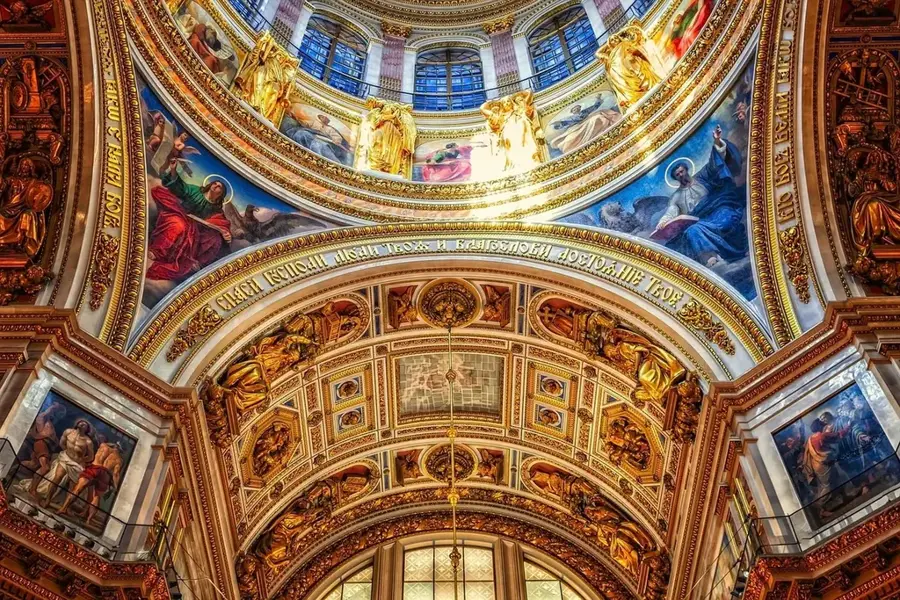
- Visit the Cathédrale Sainte-Thérèse, an architectural highlight and a major community gathering point.
- Prepare for a very bustling and loud atmosphere, particularly around the main transport hubs and markets.
🍽 Food
A hugely popular dish of attiéké (cassava couscous) and fried tuna. Look for 'garbadrômes' (small street-side stalls).
A slow-cooked chicken and vegetable stew prepared in a sealed terracotta pot. Often served at local 'maquis' (eateries).
Fried plantains eaten as a side dish or snack, usually accompanied by a spicy chili sauce.
🛍 Shopping · 🧘 Quiet spots
One of the largest markets in West Africa. Find lively fabrics, spices, and daily goods in a fascinating labyrinth.
Buy authentic wood carvings, pottery, and locally woven Baoulé textiles directly from the craftsmen.
The spacious university grounds offer shaded trees and a much quieter atmosphere than the busy city center.
A short trip out of the city brings you to greener patches that are good for nature walks and bird watching.
Water temperature…
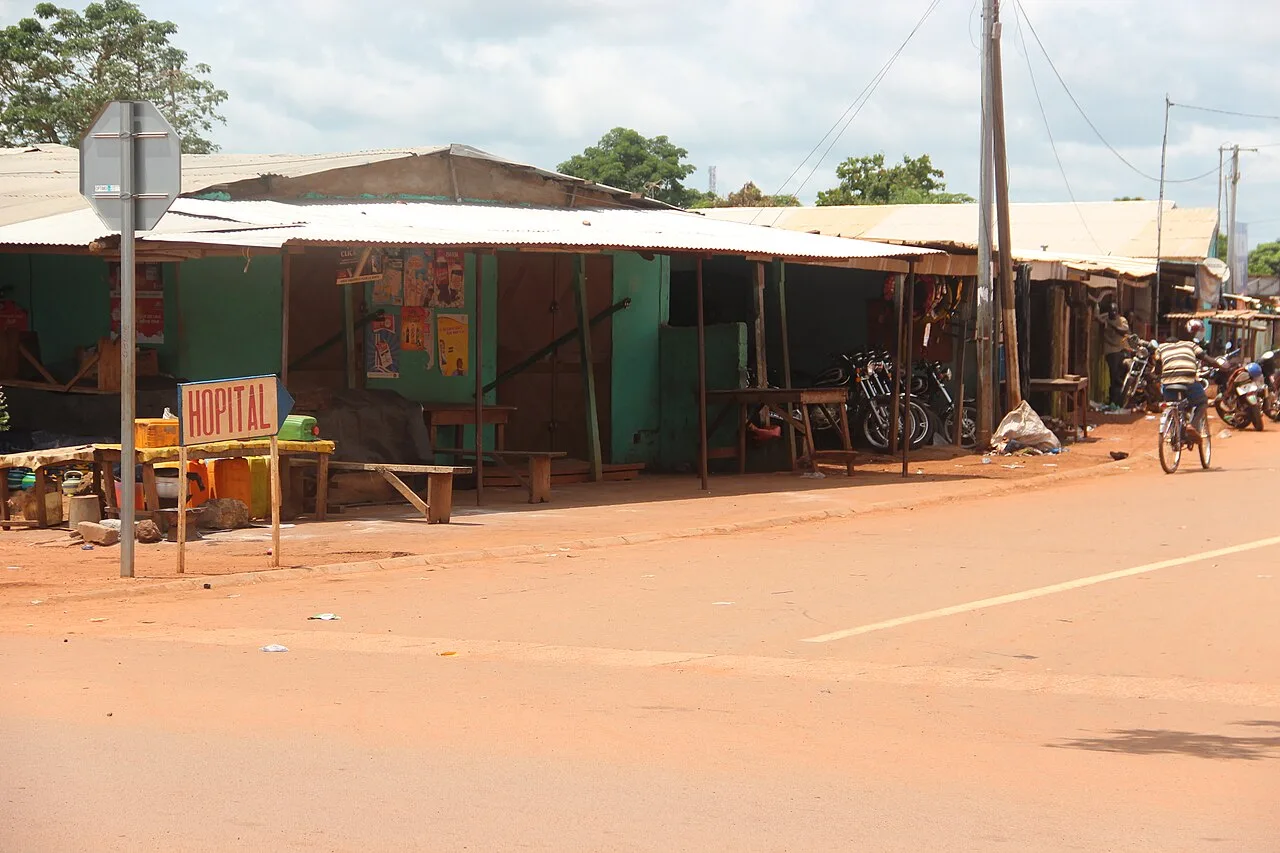
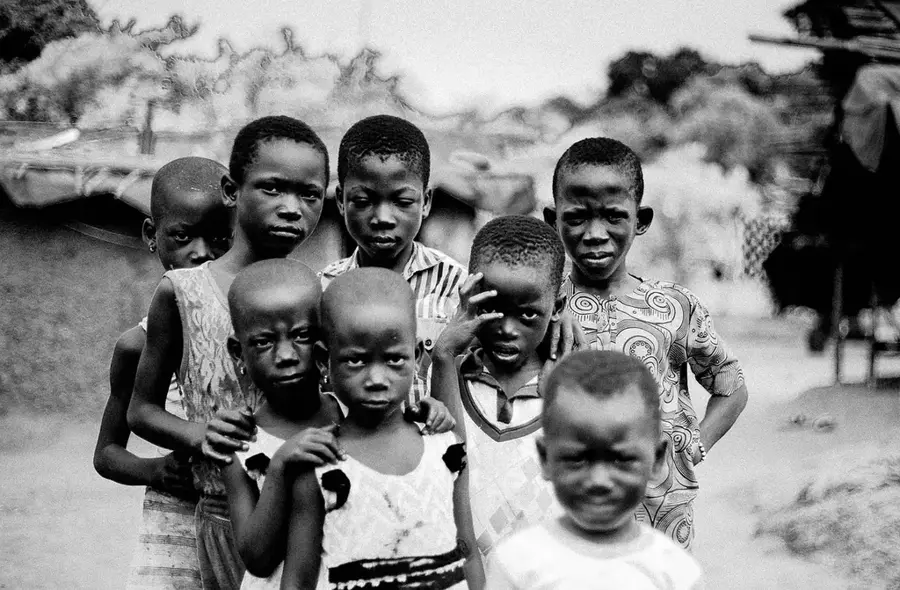
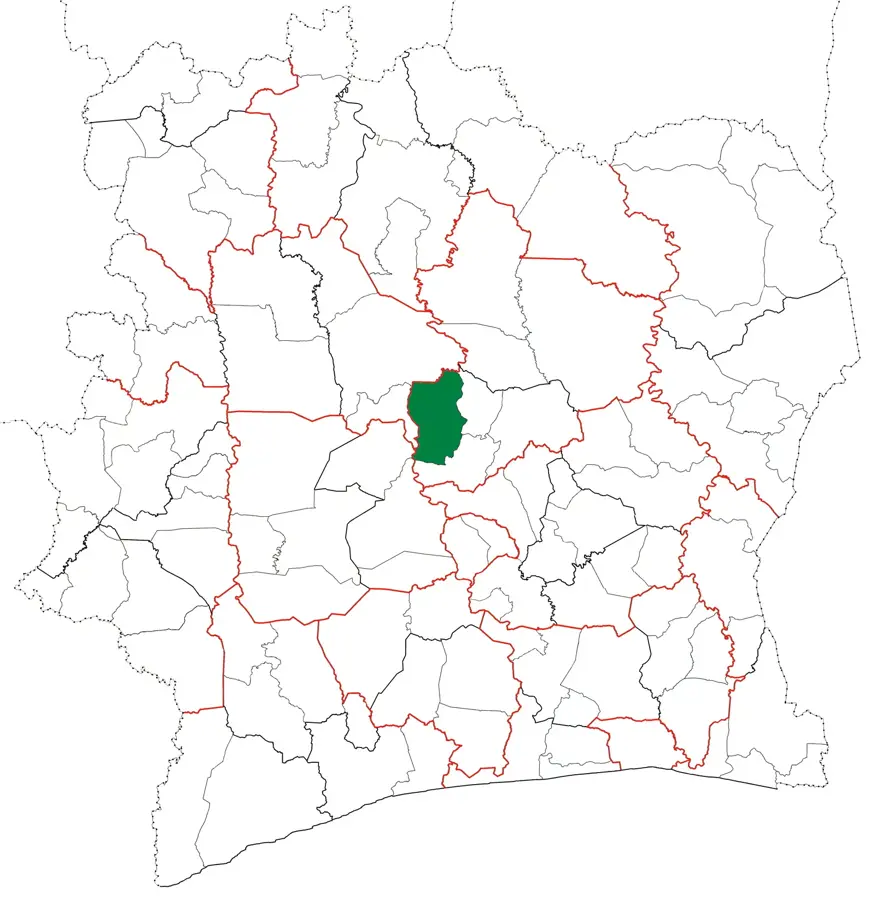
Bouaké is the second-largest city in Ivory Coast, located in the central part of the country on a plateau at an elevation of about 312 meters. It serves as a vital commercial hub for the surrounding agricultural regions and is particularly renowned for its textile industry and bustling markets. Historically, Bouaké was a significant military post and played a central role as the headquarters for rebel forces during the political unrest of the early 21st century. The city is a melting pot of various ethnic groups, with the Baoulé people forming the largest demographic, which is deeply reflected in the local culture and language. Its strategic position on the railway line connecting Abidjan to Burkina Faso makes Bouaké an essential logistics center for the region. In recent years, the city has undergone extensive reconstruction and infrastructure modernization to restore economic stability and growth.
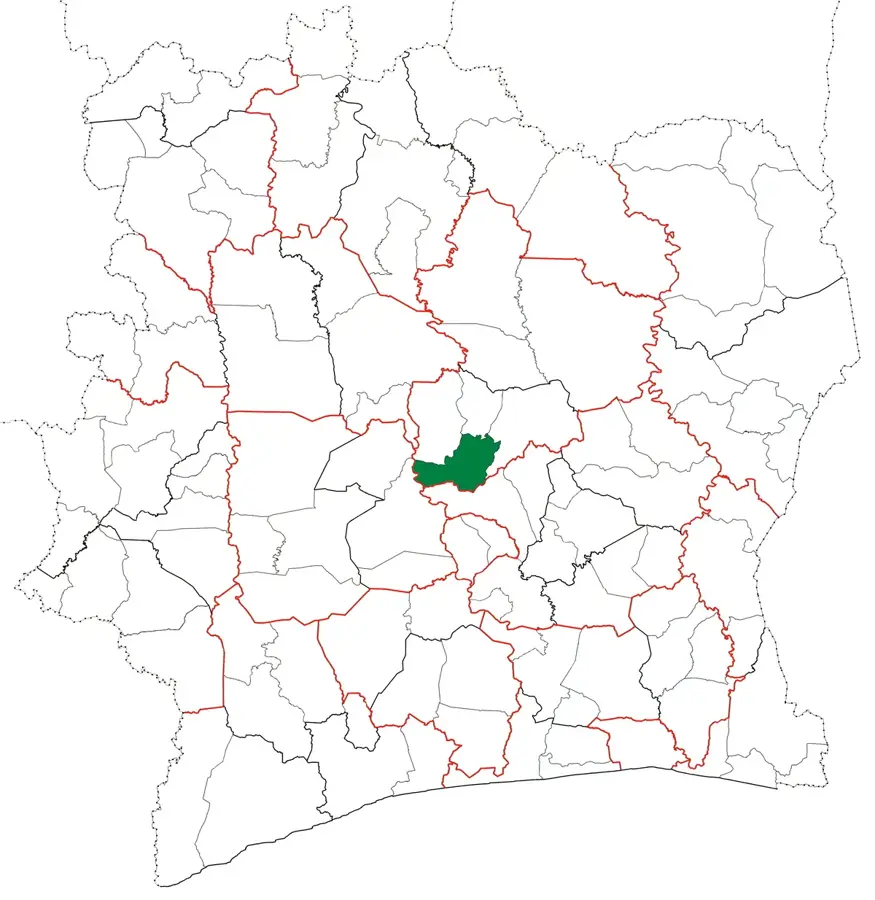
- Location: Côte d’Ivoire
- Nearby: Sakassou (40 km)
- Population: ~832.371 (2026)
Best time to visit & climate
The most pleasant time to visit is Jan, Nov, Dec.
| Jan | Feb | Mar | Apr | May | Jun | Jul | Aug | Sep | Oct | Nov | Dec | |
|---|---|---|---|---|---|---|---|---|---|---|---|---|
| Avg °C | 27 | 29 | 28 | 28 | 27 | 26 | 25 | 25 | 25 | 26 | 26 | 26 |
| Rain mm | 13 | 48 | 92 | 127 | 149 | 189 | 145 | 133 | 190 | 150 | 56 | 22 |
Geography
Facts
- Bouaké is the second-largest city in Ivory Coast after Abidjan.
- The city was established in 1899 as a French military post.
- It is located at the crossroads of key trade routes in central Ivory Coast.
- Bouaké is a major center for cotton processing and textile manufacturing.
- The population of the city was over 530,000 at the 2014 census.
- The city is a key stop on the Abidjan-Ouagadougou railway line.
Explore nearby
Notable places around




Route planner — Car & Motorhome
Where do you start? We build the route here, with stops and country notes along the way.
© OpenStreetMap contributors · OpenRouteService
Sights in the town Bouaké (1)
Frequently asked questions
What is Bouaké known for?
When is the carnival?
Is there a train station?
What is the weather like?
Is the city touristy?
Bouaké: where is it located?
Bouaké: when is the best time to visit?
Bouaké: why is it worth visiting?

Nearby cities
History & landmarks
More places