Plizio Visual Lab
Duékoué
ℹ️Practical info — Duékoué
▾
🌤 Weather — 5 days
📍 Nearby
Sights nearby
💡 Tips
- As a busy agricultural hub, the central market is best visited early in the morning before it gets too hot.
- Roads outside the city can be unpaved; traveling by 4x4 is recommended if exploring the wider region.
- Always greet shopkeepers and elders respectfully before asking questions or negotiating prices.
- Cash is king here; ensure you have enough CFA francs in small denominations for daily purchases.
🍽 Food
A popular Ivorian street food dish of cassava semolina with fried tuna, found at roadside stalls.
Fried plantain chunks often served with a spicy sauce or grilled fish.
A rich palm nut soup typically enjoyed with rice or fufu in local 'maquis' (eateries).
🛍 Shopping · 🧘 Quiet spots
The heart of local commerce, offering fresh cocoa, coffee, yams, and colorful textiles.
Look for handmade wooden carvings and traditional fabrics near the market edges.
Venture slightly outside the city for peaceful natural surroundings, preferably with a guide.
Find a quiet spot along the nearby river for a moment of relaxation away from the bustling center.
Water temperature…
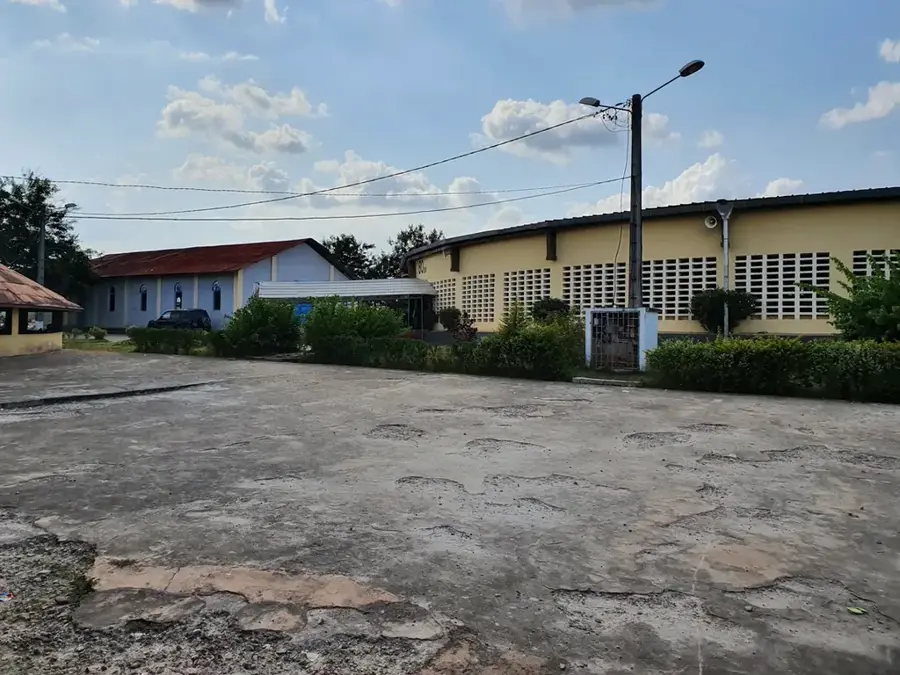
Duékoué is a strategically significant city in western Ivory Coast, located in the Guémon region at the intersection of major trade routes. The city is primarily known worldwide as a center for cocoa production, as the surrounding lands are among the country's most productive cocoa-growing areas. Historically, Duékoué was the scene of significant events during the country's political crises, making the city a symbol of resilience and reconstruction. The population is ethnically diverse, with the Wê being the original group, supplemented by numerous settlers from other parts of the country and neighboring nations. Geographically, the region is characterized by dense rainforests and a hilly landscape rich in biodiversity. The local economy is based on cocoa as well as trade in timber and other forestry products. Duékoué serves as a vital hub for transporting goods to the port of San Pédro in the southwest. In recent years, significant efforts have been made to modernize urban infrastructure, healthcare, and the educational system. Today, the city plays a central role in the stabilization and economic development of the western provinces.
- Location: Côte d’Ivoire
- Nearby: Guiglo (27 km)
- Population: ~117.023 (2023)
Best time to visit & climate
The most pleasant time to visit is Jan, Feb, Dec.
| Jan | Feb | Mar | Apr | May | Jun | Jul | Aug | Sep | Oct | Nov | Dec | |
|---|---|---|---|---|---|---|---|---|---|---|---|---|
| Avg °C | 25 | 26 | 27 | 26 | 26 | 25 | 24 | 24 | 25 | 25 | 26 | 25 |
| Rain mm | 17 | 57 | 103 | 130 | 175 | 245 | 154 | 186 | 217 | 197 | 98 | 38 |
Geography
Facts
- Duékoué is the capital of the Guémon region within the Montagnes District.
- The city is considered the 'gateway to the deep west' of Ivory Coast.
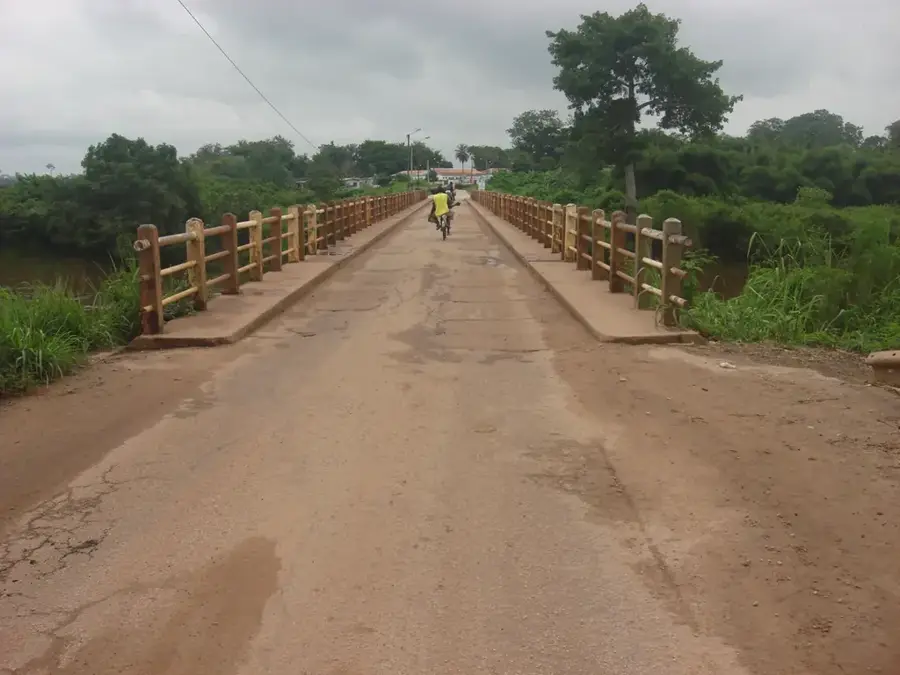
- Major roads lead from here to the cities of Man, Daloa, and San Pédro.
- The region around Duékoué is part of the country's prominent 'cocoa belt'.
- The name Duékoué means 'place of peace' in the language of the Wê people.
- Forestry is the second most important economic sector after cocoa farming.
Explore nearby
Notable places around



Route planner — Car & Motorhome
Where do you start? We build the route here, with stops and country notes along the way.
© OpenStreetMap contributors · OpenRouteService
Sights in the town Duékoué (1)
Frequently asked questions
Why is it called the 'city of rocks'?
What is the most important economic sector?
Is there tourist infrastructure?
How is the security situation?
When should you visit the rocks?
Duékoué: where is it located?
Duékoué: when is the best time to visit?
Duékoué: why is it worth visiting?

Nearby cities
More places