Plizio Visual Lab
Castel di Leva

ℹ️Practical info — Castel di Leva
▾
🌤 Weather — 5 days
📍 Nearby
Sights nearby
💡 Tips
- The sanctuary area can be extremely crowded on Sundays and Marian feast days; visit on a weekday for a more peaceful experience.
- It is located outside the main urban center, so driving or taking a specific bus (like line 218 or 702) from Rome is necessary.
- Dress modestly (covered shoulders and knees) if you plan to enter the sanctuary or surrounding religious buildings.
- Bring cash, as some small vendors around the sanctuary might not accept cards.
🍽 Food
Grab one from the food stalls often found near the sanctuary on busy days.
Try this traditional dish at a rustic trattoria in the surrounding Roman Campagna.
Pair your meal with local white wine from the nearby Castelli Romani region, available in local osterias.
🛍 Shopping · 🧘 Quiet spots
Small shops and stalls around the Divino Amore offer rosaries, icons, and candles.
Look for local farms (agriturismi) in the nearby countryside selling fresh olive oil and honey.
The sprawling grounds around the new sanctuary building offer plenty of quiet spots for reflection.
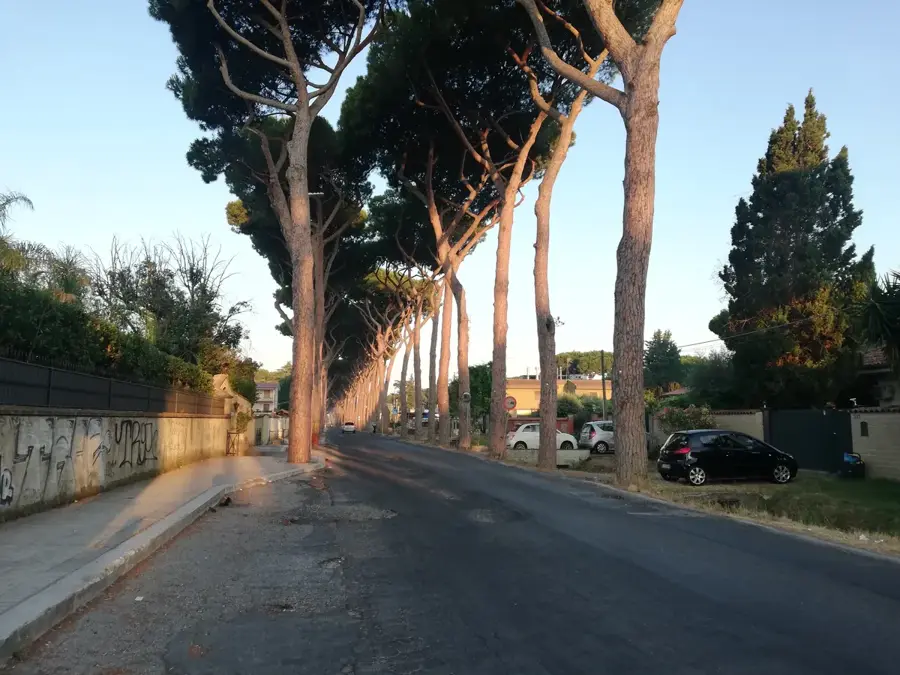
Take a walk along the rural roads surrounding the area to enjoy the timeless landscapes outside Rome.
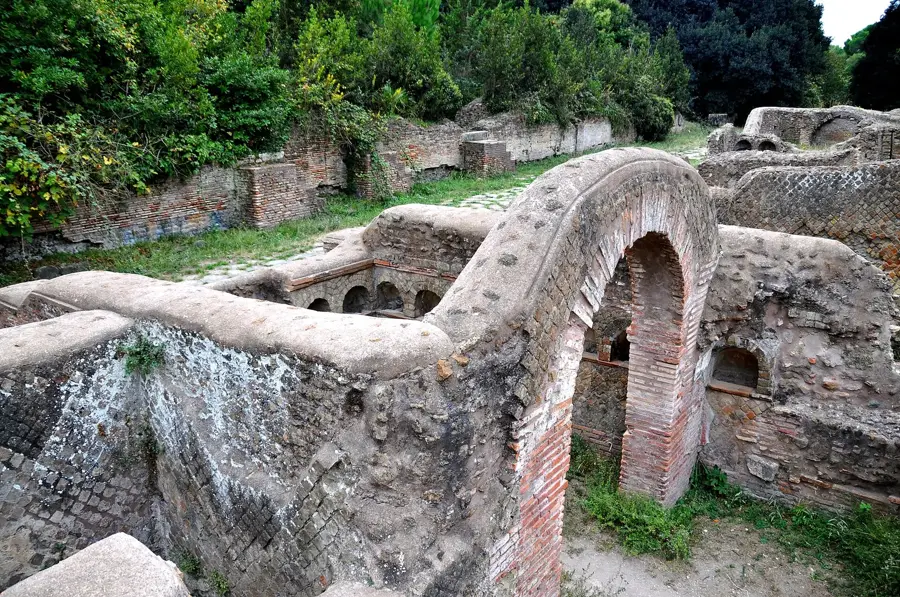
Just a short drive away, explore ancient ruins in a tranquil, pine-shaded setting.
Water temperature…
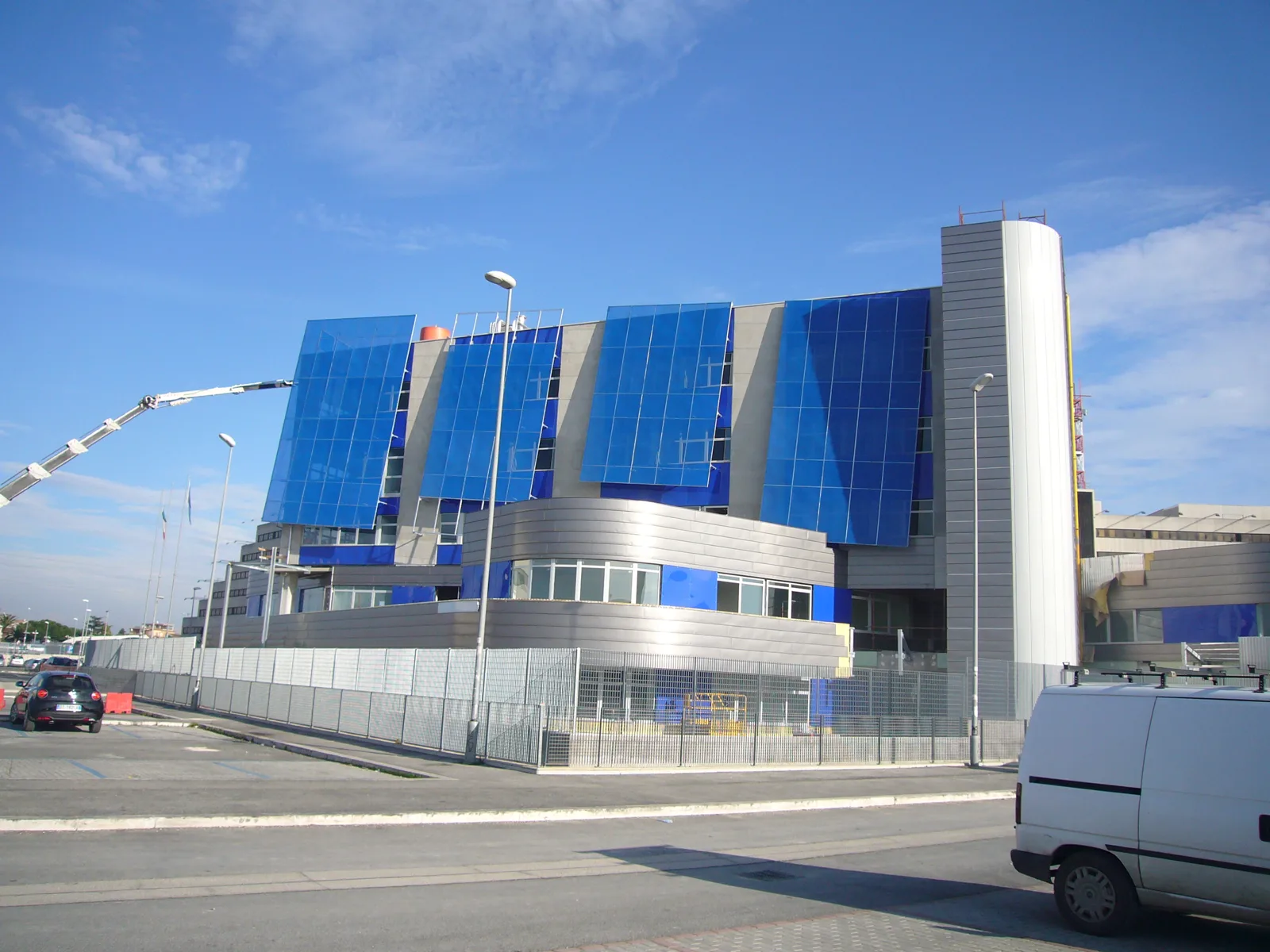
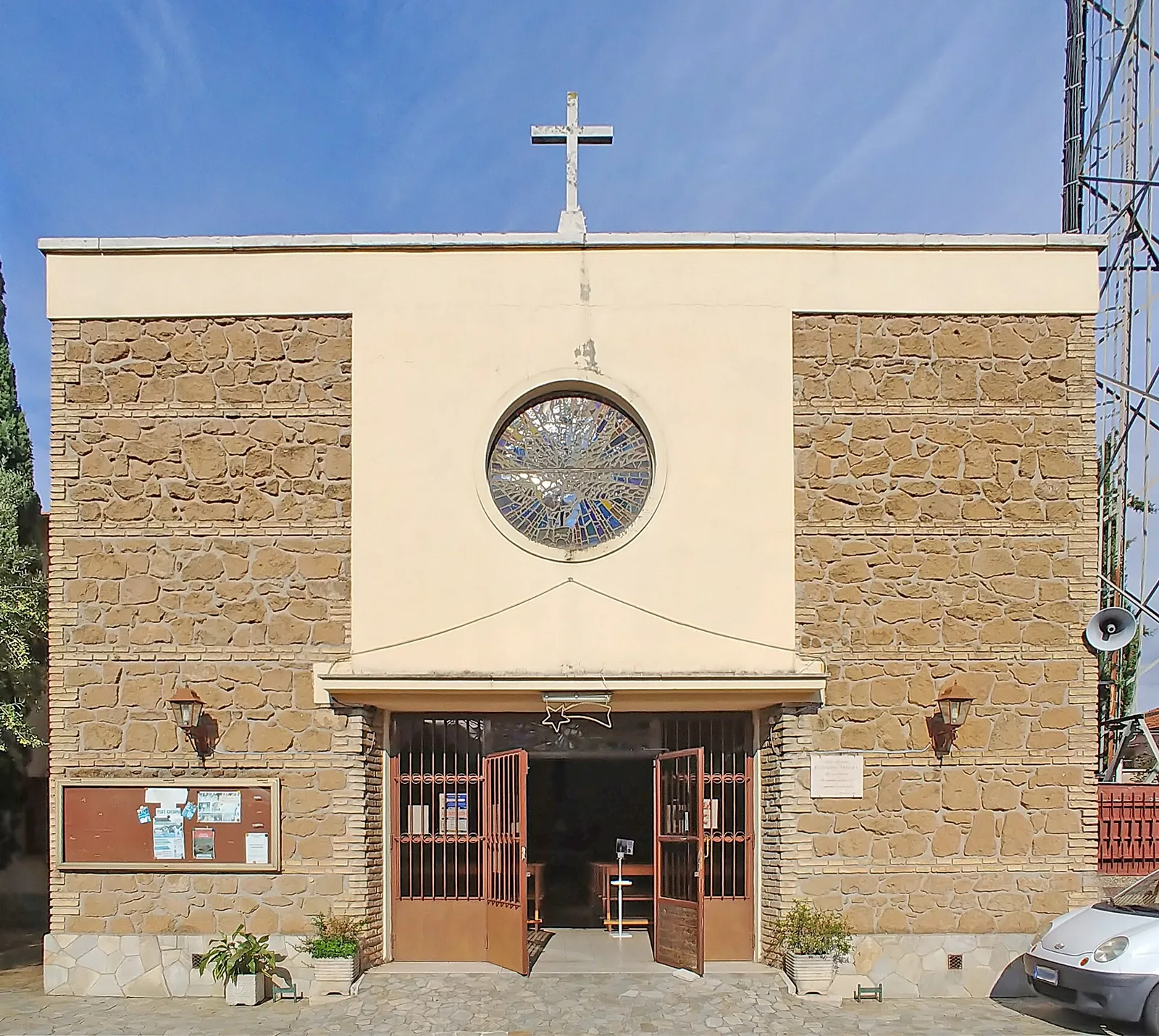
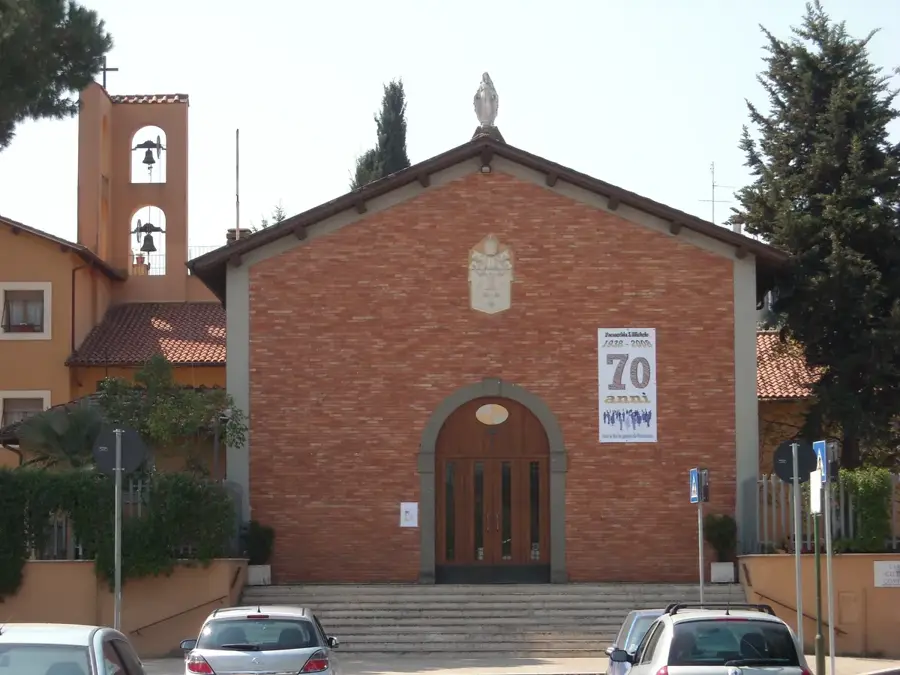
Castel di Leva is an area south of Rome primarily known for being the home of the Sanctuary of Our Lady of Divine Love (Santuario della Madonna del Divino Amore). This major Marian pilgrimage site attracts thousands of pilgrims throughout the year, especially from May to October when there are nocturnal pilgrimages from Rome. The complex consists of two churches: the old church, built on the ruins of a medieval castle and housing a miraculous image of the Virgin, and the modern, much larger sanctuary, inaugurated in the year 2000 and strongly supported by Pope John Paul II, who called it 'the Marian sanctuary of Rome'. The sanctuary's history dates back to 1740, when a miracle was attributed to a pilgrim who prayed to the image of the Virgin painted on a tower wall. Since then, it has been a place of hope and prayer. The area itself, part of the Agro Romano, retains a rural character that contrasts sharply with the hustle and bustle of the nearby city center. It provides a peaceful setting with rolling hills and wide-open spaces, handy for those seeking a break from the urban environment. The surroundings are also historically significant, with remnants of ancient Roman villas scattered in the area. Castel di Leva is located outside the Grande Raccordo Anulare, Rome's ring road, but it is accessible by public transport. Buses connect the sanctuary to the Laurentina metro station (Line B) and other key points in the city. For visitors arriving by car, ample parking is available. A visit to Castel di Leva is a unique opportunity to experience a different side of Rome, one defined by faith, history, and the quiet beauty of the Roman countryside. It is a well-suited destination for spiritual retreat but also for anyone interested in the lesser-known yet equally fascinating aspects of the Eternal City.
- Location: Lazio, Italy
- Top sights: Santuario della Madonna del Divino Amore · Primo Miracolo · Nuovo Santuario Divino Amore
- Nearby: Castel di Decima (5 km)
- Population: ~570
Best time to visit & climate
The most pleasant time to visit is May, Jun, Sep.
| Jan | Feb | Mar | Apr | May | Jun | Jul | Aug | Sep | Oct | Nov | Dec | |
|---|---|---|---|---|---|---|---|---|---|---|---|---|
| Avg °C | 7 | 8 | 10 | 14 | 18 | 23 | 26 | 26 | 21 | 17 | 12 | 8 |
| Rain mm | 73 | 77 | 69 | 56 | 57 | 34 | 26 | 26 | 70 | 82 | 114 | 92 |
Geography
Facts
- Major pilgrimage site: the Sanctuary of the Madonna del Divino Amore.
- Called 'the Marian sanctuary of Rome' by Pope John Paul II.
- Consists of an old church and a modern sanctuary built in 2000.
- Nocturnal pilgrimages from Rome take place from May to October.
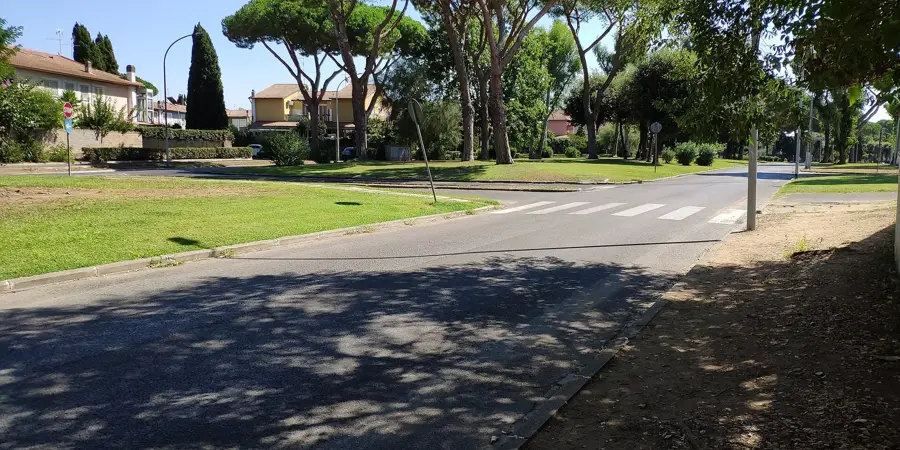
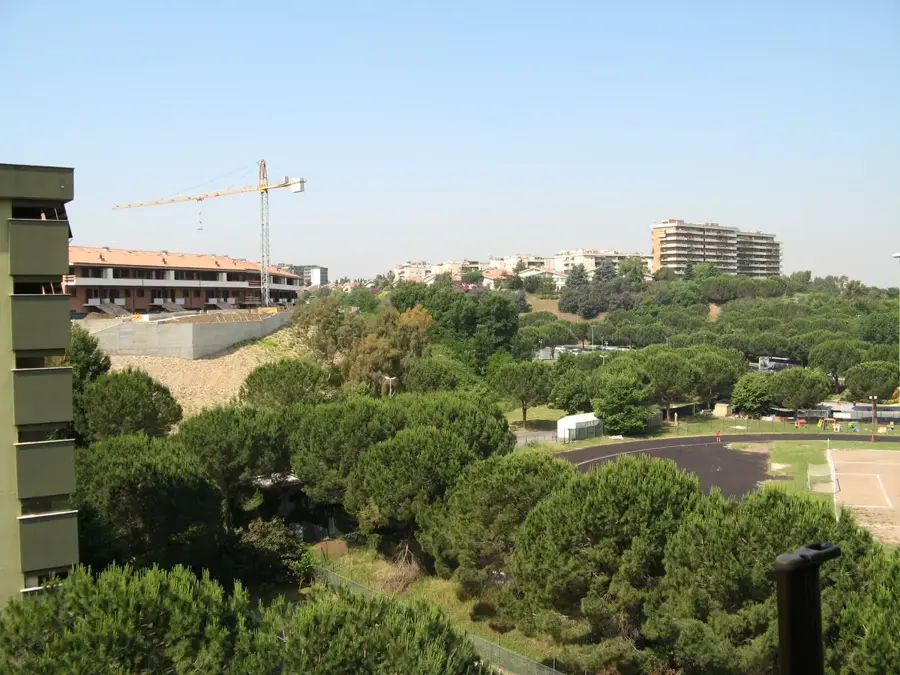
- Located in the rural Agro Romano, south of Rome.
- The sanctuary's history dates back to 1740.
- Reachable by public buses from the Laurentina metro station.
- A place of spiritual retreat away from the city's hustle.
Explore nearby
Notable places around


Route planner — Car & Motorhome
Where do you start? We build the route here, with stops and country notes along the way.
© OpenStreetMap contributors · OpenRouteService
Sights in the town Castel di Leva (3)
Frequently asked questions
What is the main attraction in Castel di Leva?
Where is this place located?
How do you get there from the center?
When is the best time to visit?
Is there parking available?
Castel di Leva: where is it located?
Castel di Leva: what is there to see?
Castel di Leva: when is the best time to visit?
Castel di Leva: why is it worth visiting?

Nearby cities