Plizio Visual Lab
Giuliano-Dalmata
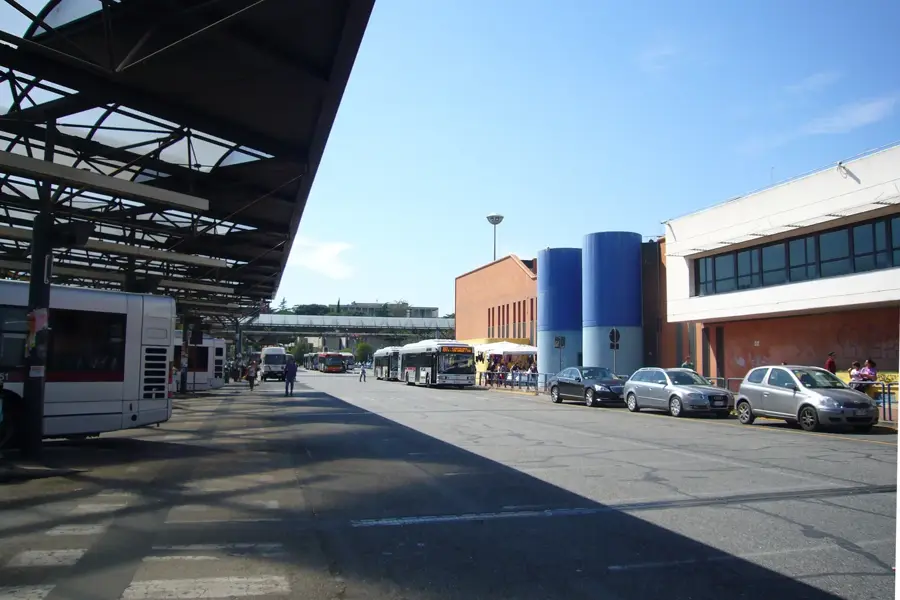
ℹ️Practical info — Giuliano-Dalmata
▾
🌤 Weather — 5 days
📍 Nearby
Sights nearby
💡 Tips
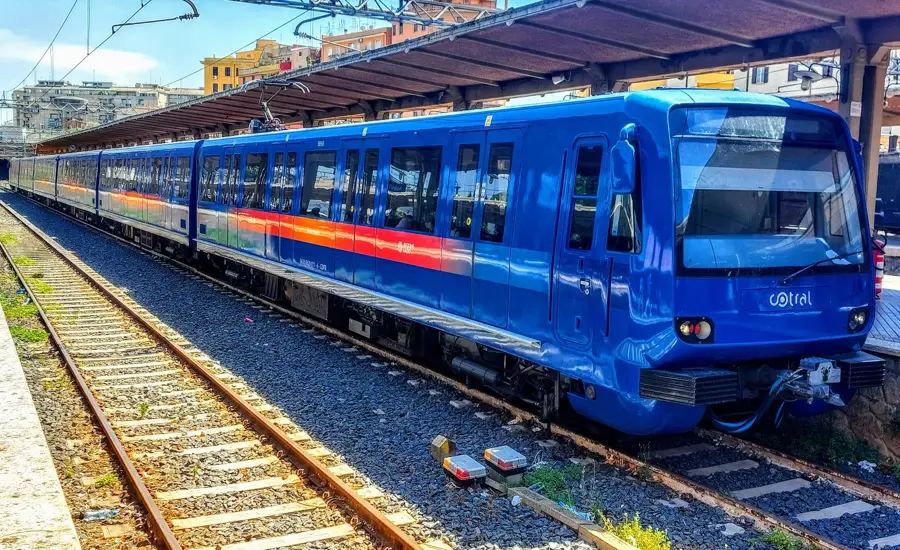
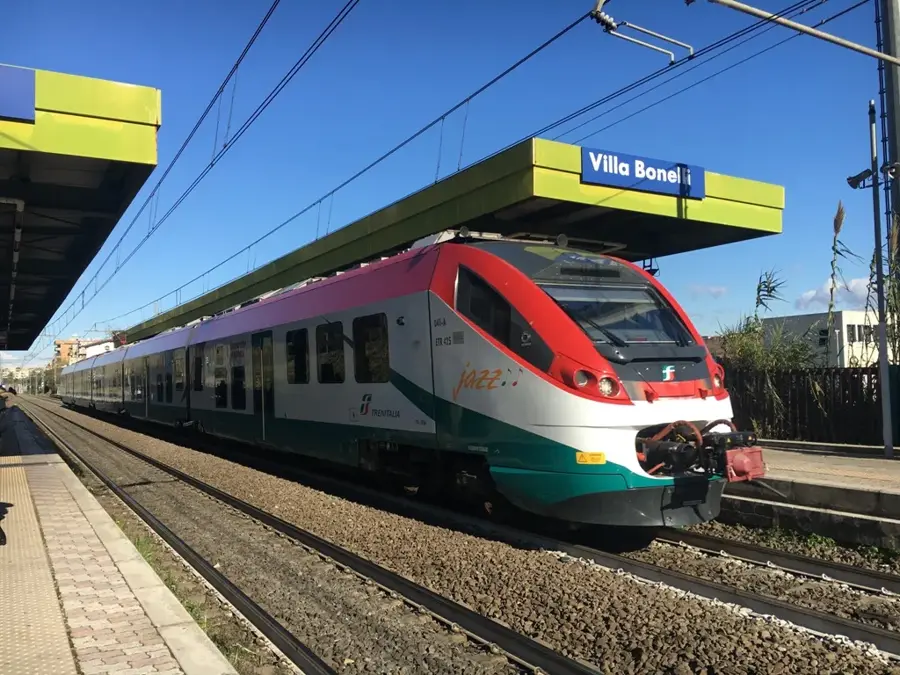
- This district is outside central Rome; use Metro Line B (Laurentina station) for a quick connection to the historic center.
- Explore the distinctive Rationalist architecture of the area, originally planned for the 1942 World's Fair.
- Visit the Historical Archive Museum of Fiume to learn about the Istrian and Dalmatian refugees who settled here.
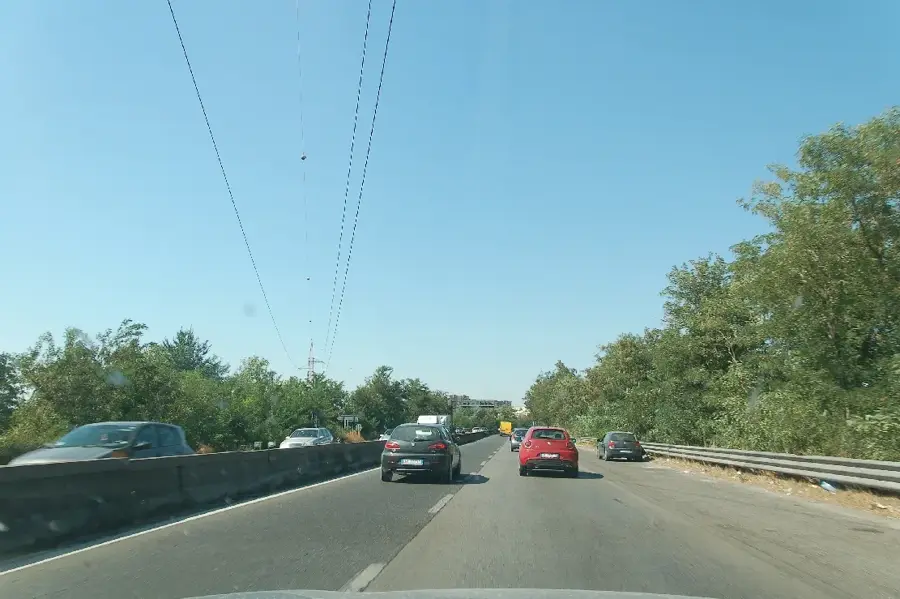
- Parking is much easier and cheaper here than in central Rome, making it a good base if you are driving.
🍽 Food
Grab a slice of rectangular Roman-style pizza from a local neighborhood bakery for a quick, cheap lunch.
Try classic Roman pasta dishes like Carbonara or Amatriciana at family-run trattorias along Via Laurentina.
Start your morning at a local cafe with this sweet, soft bun generously filled with fresh whipped cream.
🛍 Shopping · 🧘 Quiet spots
Visit the local neighborhood market in the morning to buy fresh seasonal produce, cheeses, and cold cuts like a true Roman.
Browse the small, independent boutiques and specialty food shops scattered around Viale Cesare Pavese.
Take a relaxing walk in this large green space bordering the district, offering a break from the city asphalt.
Just a short walk away, this artificial lake surrounded by manicured gardens is excellent for a quiet afternoon stroll.
Water temperature…
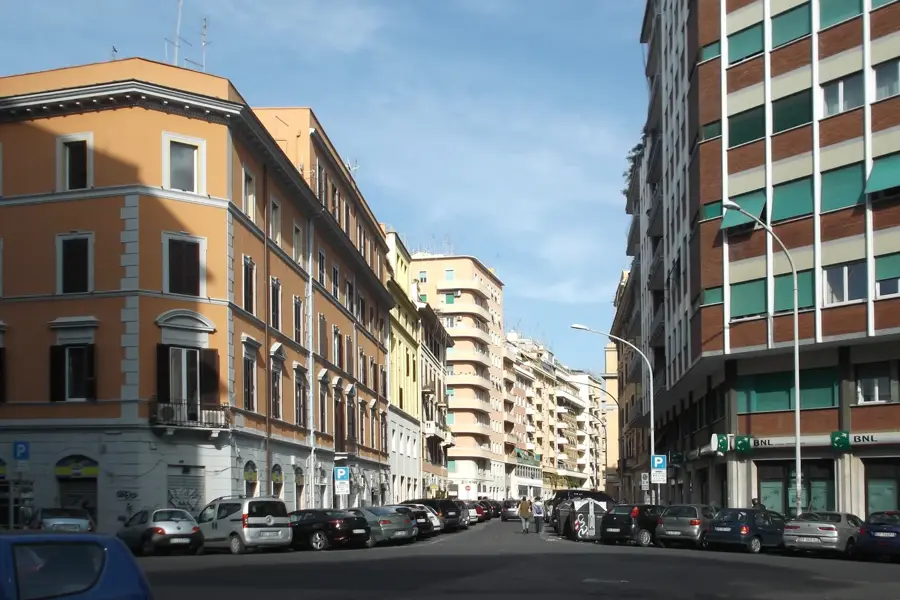
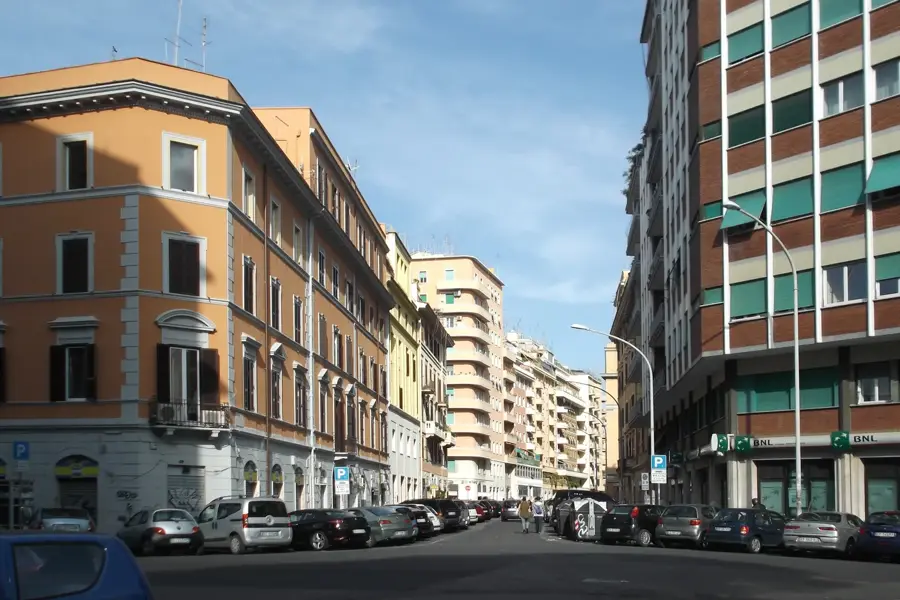
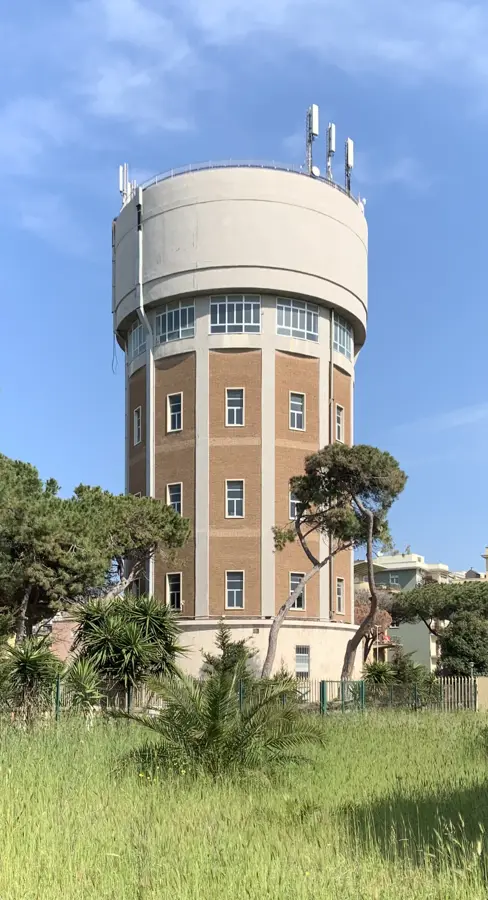
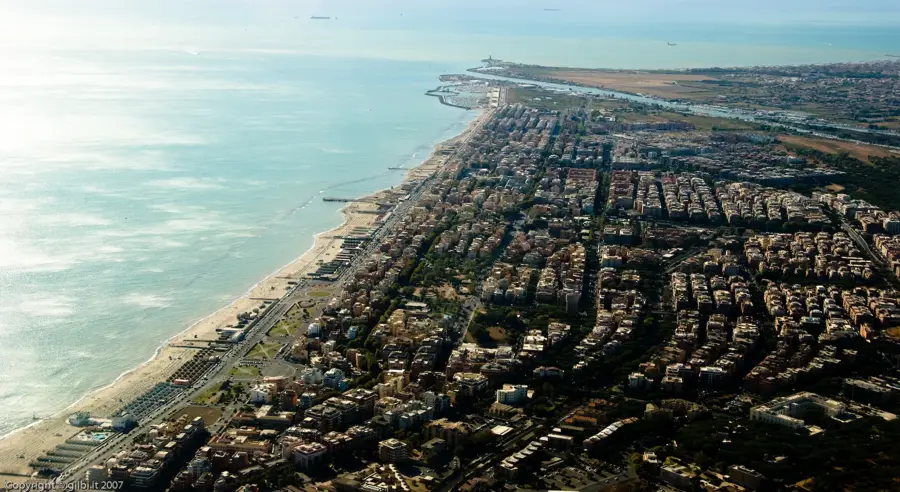
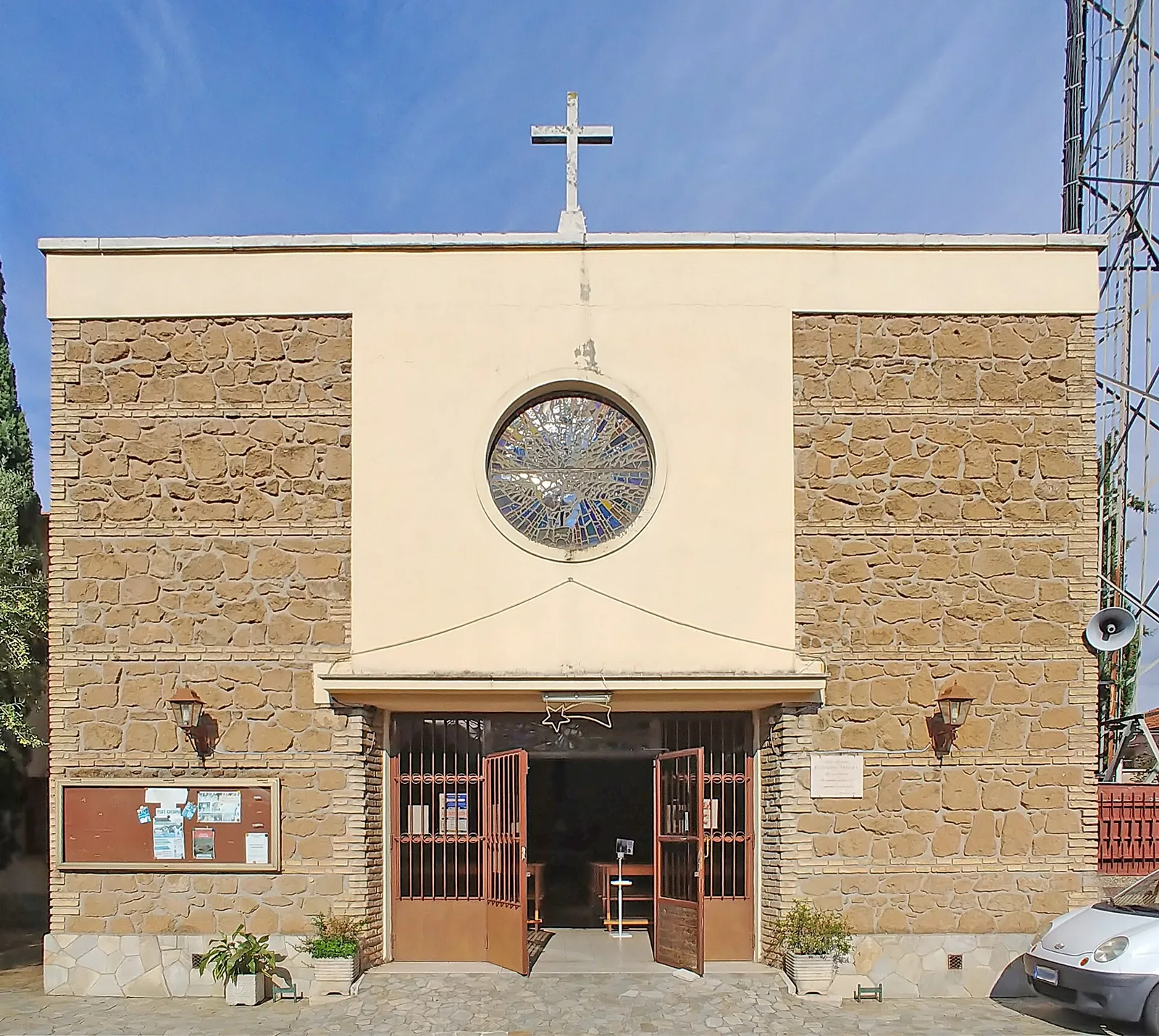
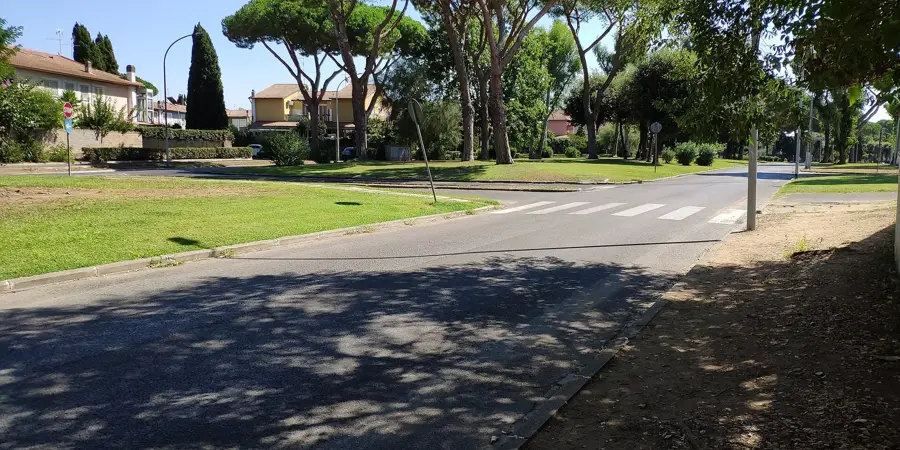
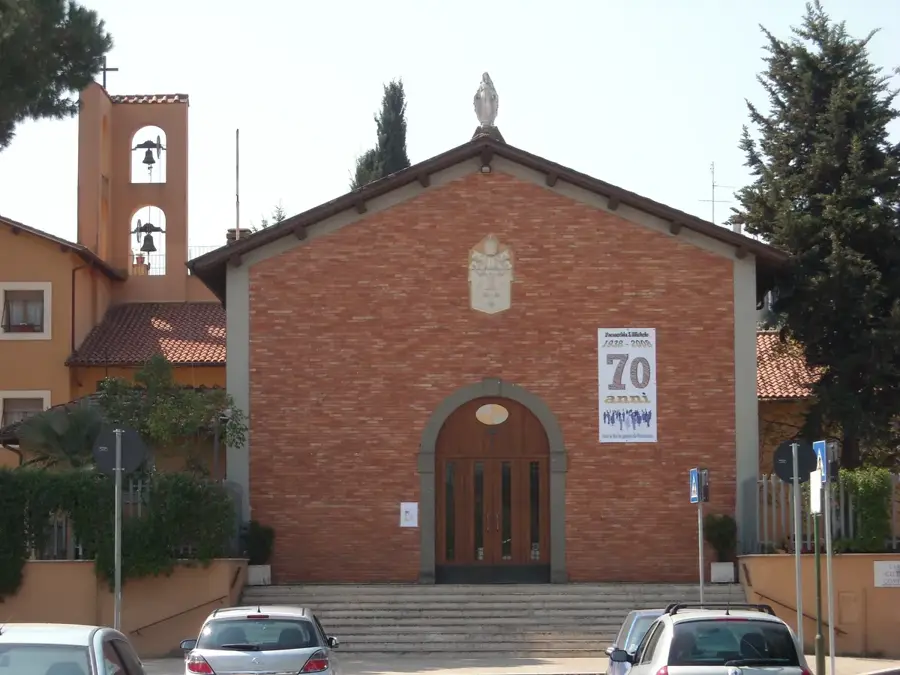
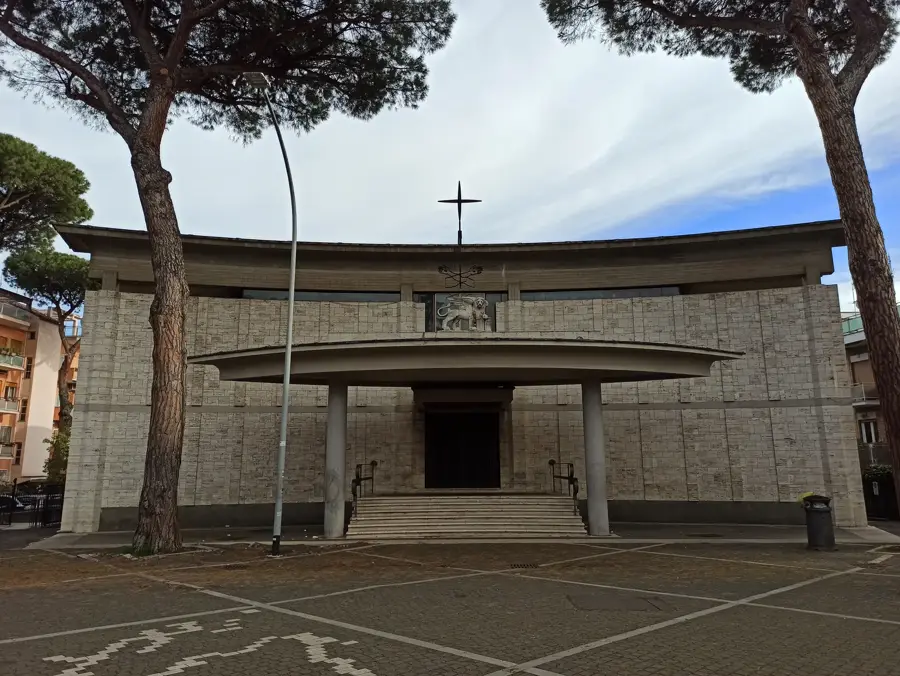
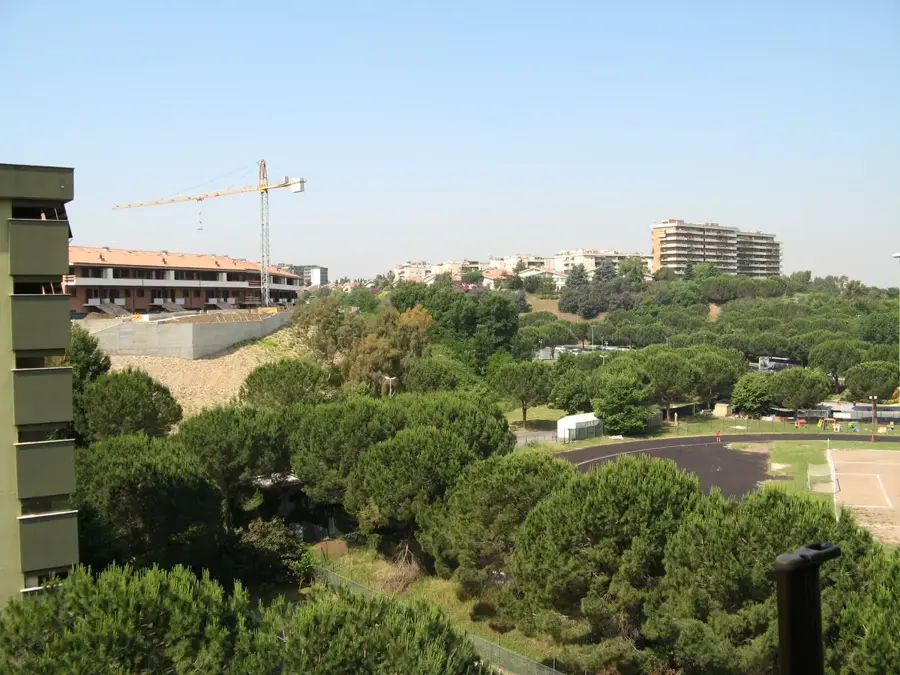
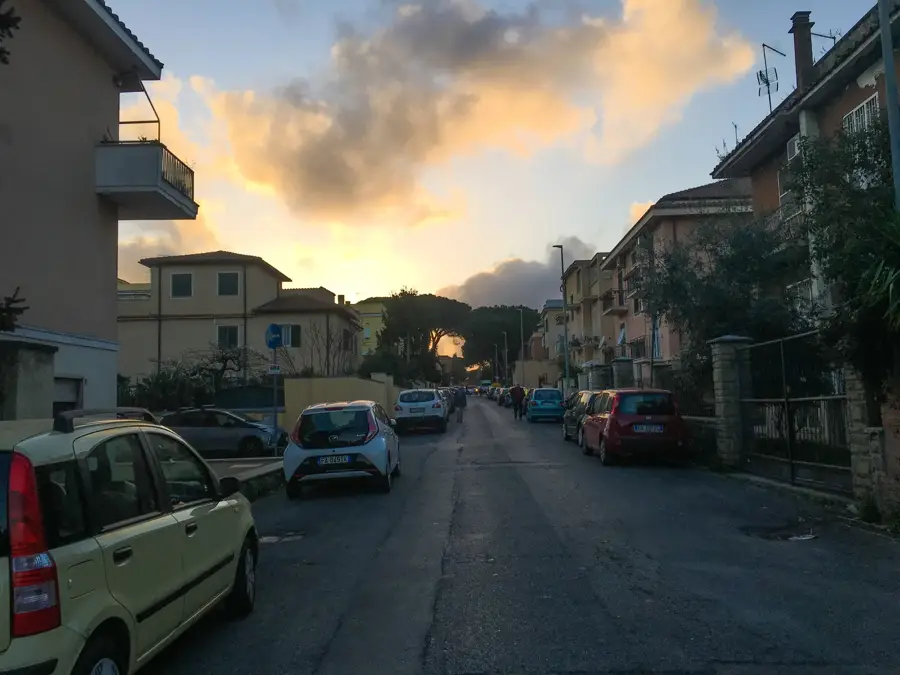
Giuliano-Dalmata is the 31st quartiere of Rome, located south of the modern EUR district. Its development began in the 1930s but was primarily realized after World War II to house refugees from Istria and Dalmatia, which explains its name. The district's architecture is a notable example of Italian Rationalism, characterized by functional designs, clean lines, and large apartment blocks surrounded by green spaces. A striking example is the Laurentino 38 residential complex, known for its unique, bridge-like structures. The district gives a glimpse into a different side of Rome, far from the ancient ruins. Local points of interest include the Tre Fontane Abbey, an ancient monastery complex said to be the site of St. Paul the Apostle's beheading. The Church of San Marco Evangelista in Agro Laurentino is another important modern place of worship. While primarily residential, it has a tranquil atmosphere with parks and local markets that provide an authentic Roman suburban experience. Getting to Giuliano-Dalmata from Rome's city center is straightforward. Metro Line B serves the area, with stops like Laurentina providing easy access. This makes it a convenient base for those looking to experience both the bustle of the city center and the calm of the suburbs. The best time to visit is during spring or autumn, when the weather is pleasant for exploring the district's parks and appreciating its unique architecture without the extreme summer heat.
- Location: Lazio, Italy
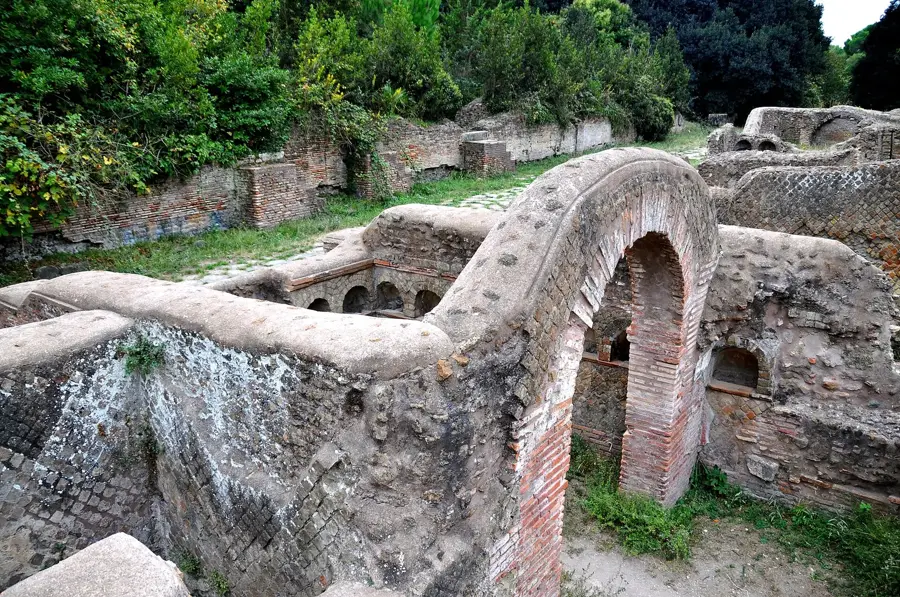
- Top sights: Sepolcro romano, su via del Bel Poggio · cisterna romana · Chiesa di San Vigilio
- Nearby: Tormarancia (4 km)
- Population: ~7.563
Best time to visit & climate
The most pleasant time to visit is May, Jun, Sep.
| Jan | Feb | Mar | Apr | May | Jun | Jul | Aug | Sep | Oct | Nov | Dec | |
|---|---|---|---|---|---|---|---|---|---|---|---|---|
| Avg °C | 7 | 8 | 10 | 14 | 18 | 23 | 26 | 26 | 21 | 17 | 12 | 8 |
| Rain mm | 73 | 77 | 69 | 56 | 57 | 34 | 26 | 26 | 70 | 82 | 114 | 92 |
Geography
Facts
- The 31st district (quartiere) of Rome.
- Located south of the EUR district.
- Named for refugees from Julian March and Dalmatia.
- Features mid-20th-century Rationalist architecture.
- The Tre Fontane Abbey is a key historical site.
- Served by Line B of the Rome Metro.
- Home to the unique Laurentino 38 housing complex.
- Offers a quieter, suburban experience of Rome.
Explore nearby
Notable places around


Route planner — Car & Motorhome
Where do you start? We build the route here, with stops and country notes along the way.
© OpenStreetMap contributors · OpenRouteService
Sights in the town Giuliano-Dalmata (5)
Frequently asked questions
What is the history of Giuliano-Dalmata?
Is there a museum in the neighborhood?
What is the atmosphere in Giuliano-Dalmata?
How do you get there from Rome city center?
Are there typical restaurants?
Giuliano-Dalmata: where is it located?
Giuliano-Dalmata: what is there to see?
Giuliano-Dalmata: when is the best time to visit?
Giuliano-Dalmata: why is it worth visiting?

Nearby cities