Plizio Visual Lab
Valley of Elah
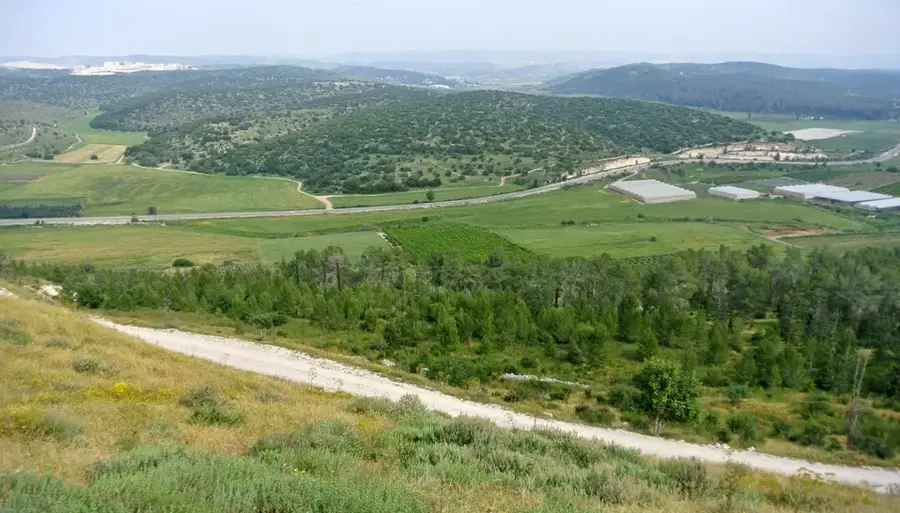
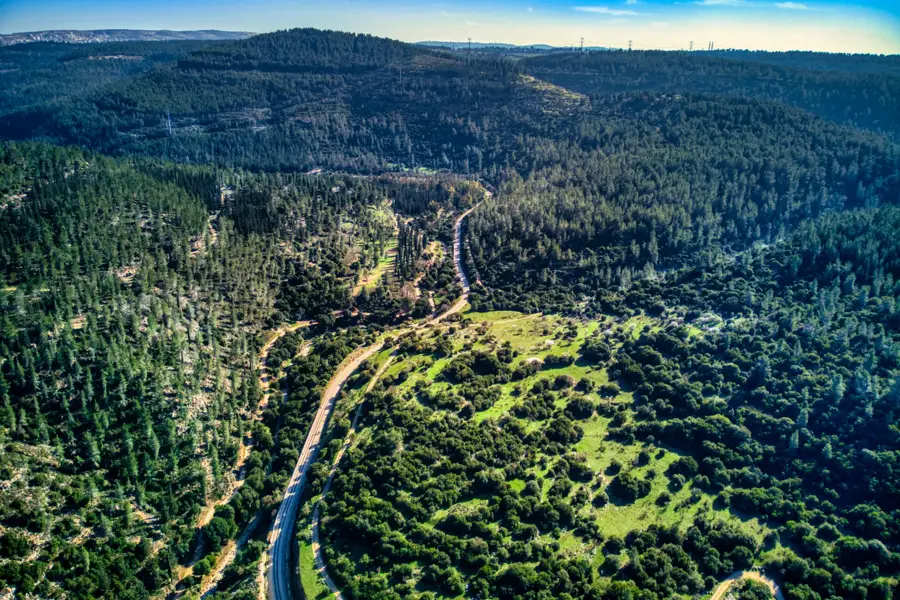
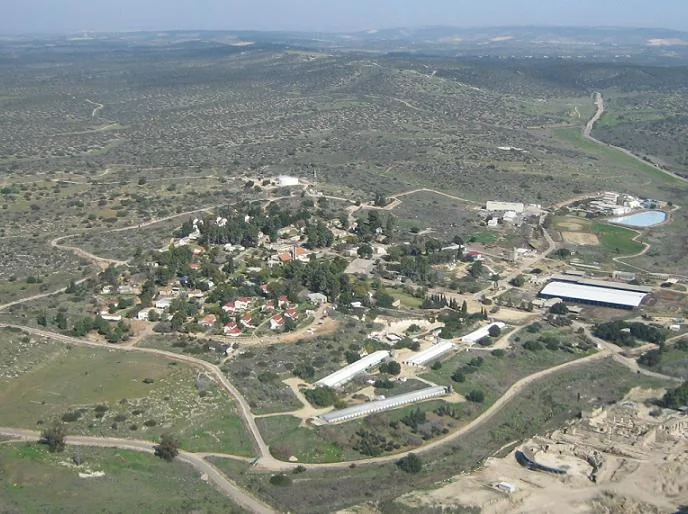
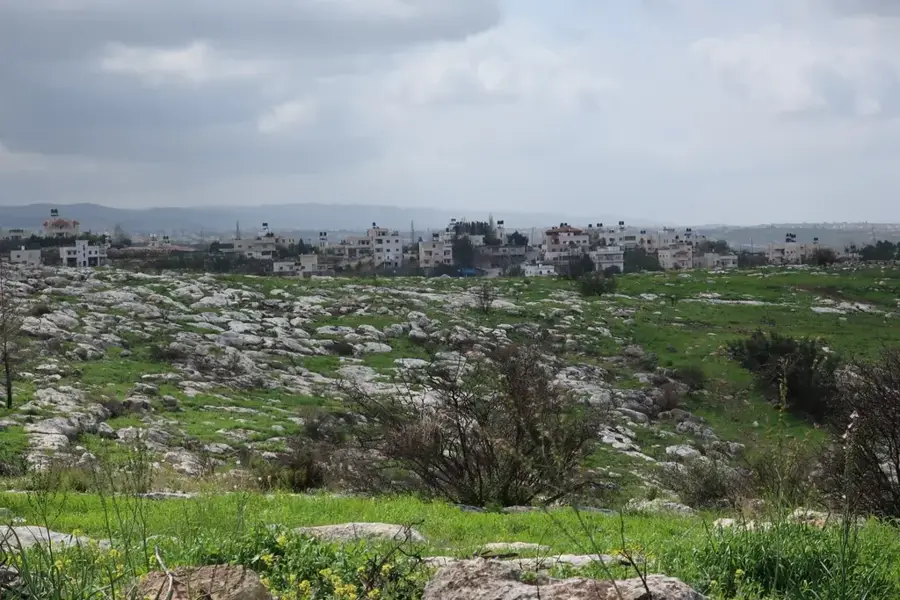
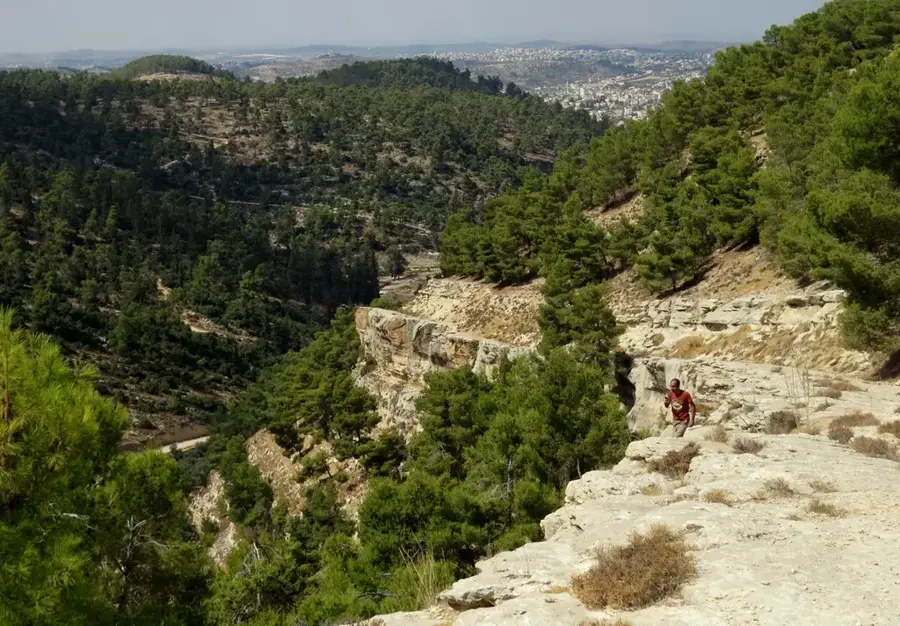
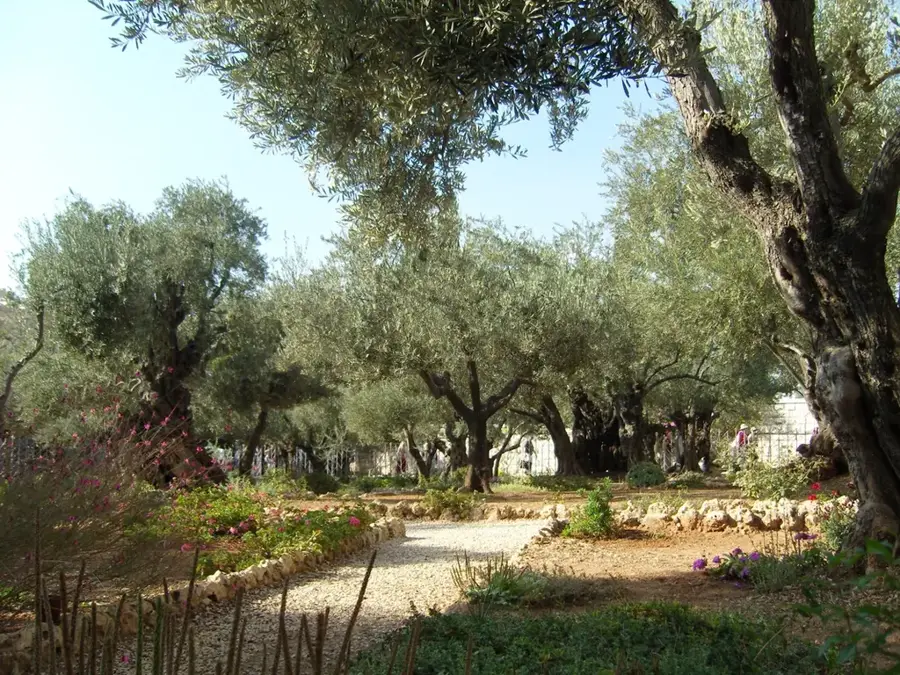
The Valley of Elah is a transition zone between the Judean Mountains and the coastal plain, situated roughly 20 kilometers southwest of Jerusalem. Historically, it is most renowned as the setting for the biblical confrontation between David and Goliath, a battle that traditionally dates to the 10th century BCE. The valley's geography consists of a flat, seven-kilometer-long basin flanked by rolling hills, which provided a natural arena for ancient military maneuvers. Archaeological excavations at nearby sites like Khirbet Qeiyafa have uncovered fortified cities from the Davidic era, offering material evidence of the region's strategic importance. Today, the valley is a vital agricultural area, particularly famous for its high-quality vineyards and boutique wineries that benefit from the Mediterranean climate. Visitors can explore the ancient ruins, follow the course of the seasonal Elah stream, and observe the diverse local flora, including the large terebinth trees from which the valley derives its name. The area serves as a significant link between the coastal plains and the highlands of central Israel.
- Location: Israel
- Top sights: Deir ed Dubban · Hirbat Qaiyafa · Horbat Ribbo
- Nearby: Beit Shemesh (6 km)
Best time to visit & climate
The most pleasant time to visit is Apr, May, Oct.
| Jan | Feb | Mar | Apr | May | Jun | Jul | Aug | Sep | Oct | Nov | Dec | |
|---|---|---|---|---|---|---|---|---|---|---|---|---|
| Avg °C | 10 | 12 | 15 | 18 | 22 | 25 | 27 | 27 | 25 | 22 | 17 | 12 |
| Rain mm | 59 | 42 | 27 | 15 | 4 | 0 | 1 | 0 | 2 | 12 | 31 | 48 |
📋 Practical info
Geography
Facts
- The valley is located approximately 20 kilometers southwest of Jerusalem.
- The valley spans a total length of about 7 kilometers in a flat basin.
- Archaeological finds at Khirbet Qeiyafa date back to the 10th century BCE.
- The area is home to the indigenous terebinth trees (Pistacia palaestina).
- It serves as a major agricultural hub for premium Israeli wine production.
- The valley was historically part of the tribal territory assigned to Judah.
Explore nearby
Notable places around

Route planner — Car & Motorhome
Where do you start? We build the route here, with stops and country notes along the way.
© OpenStreetMap contributors · OpenRouteService
Sights in the town Valley of Elah (6)
Sights nearby
Frequently asked questions
Why is the Valley of Elah famous?
Can you hike there?
When is the best season?
Is there an entrance fee?
How to get there?
Valley of Elah: where is it located?
Valley of Elah: what is there to see?
Valley of Elah: when is the best time to visit?
Valley of Elah: why is it worth visiting?

Nearby cities
History & landmarks

More places