Plizio Visual Lab

Zvulun Valley
Plizio editorial teamData Sources
valley
—°13
Zvulun Valley (Israel)

Weather…

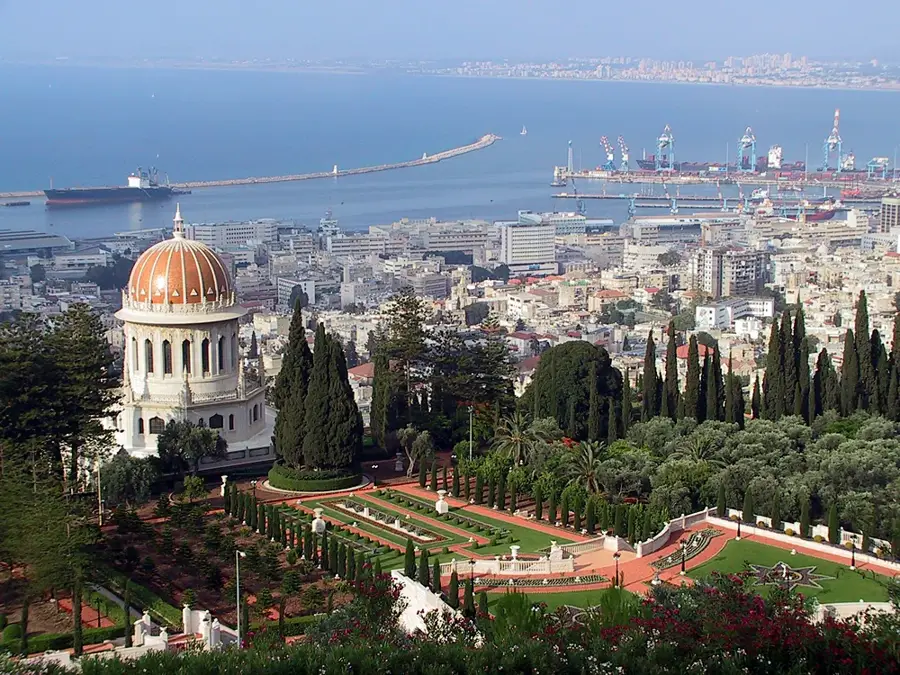
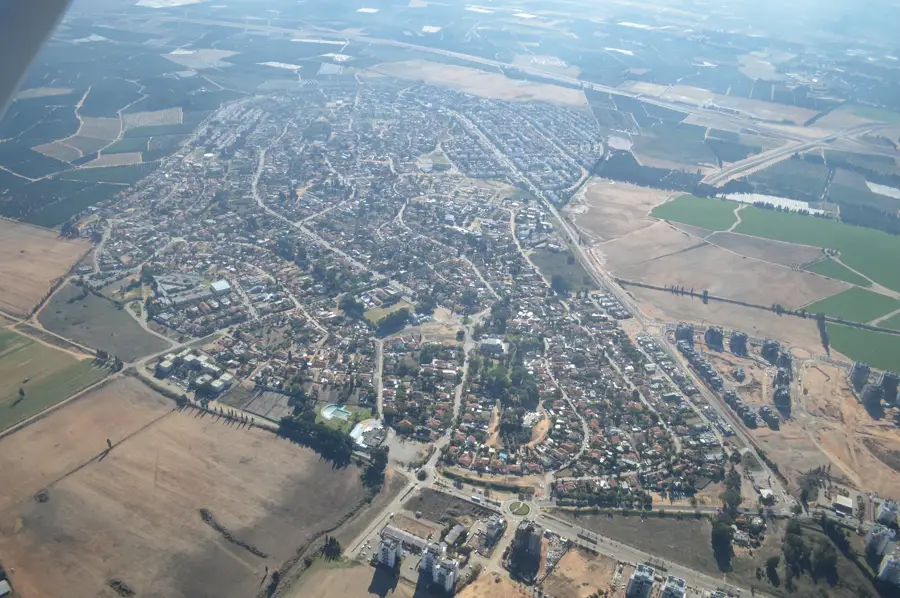
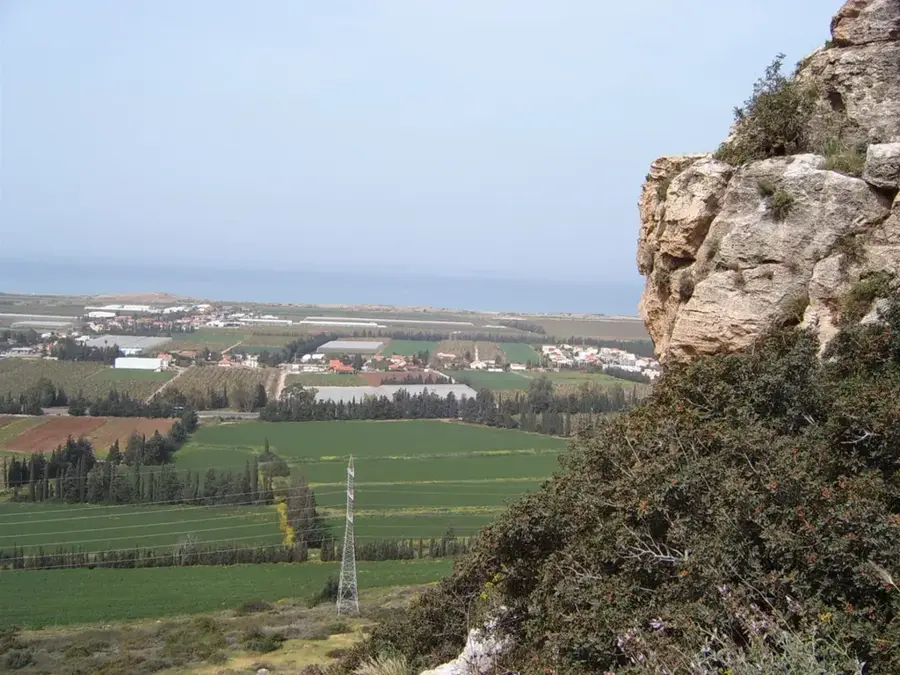
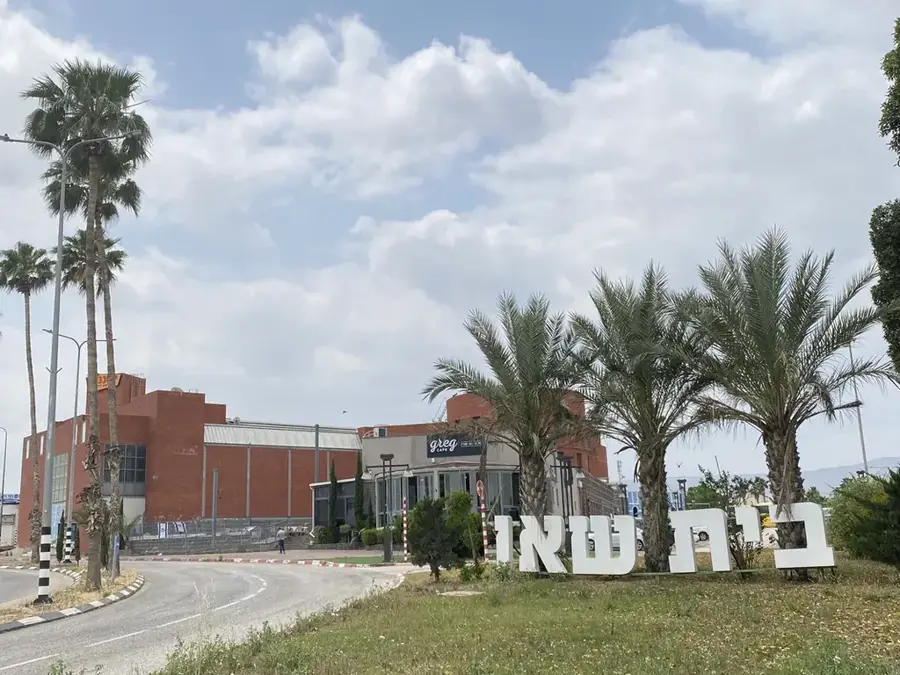
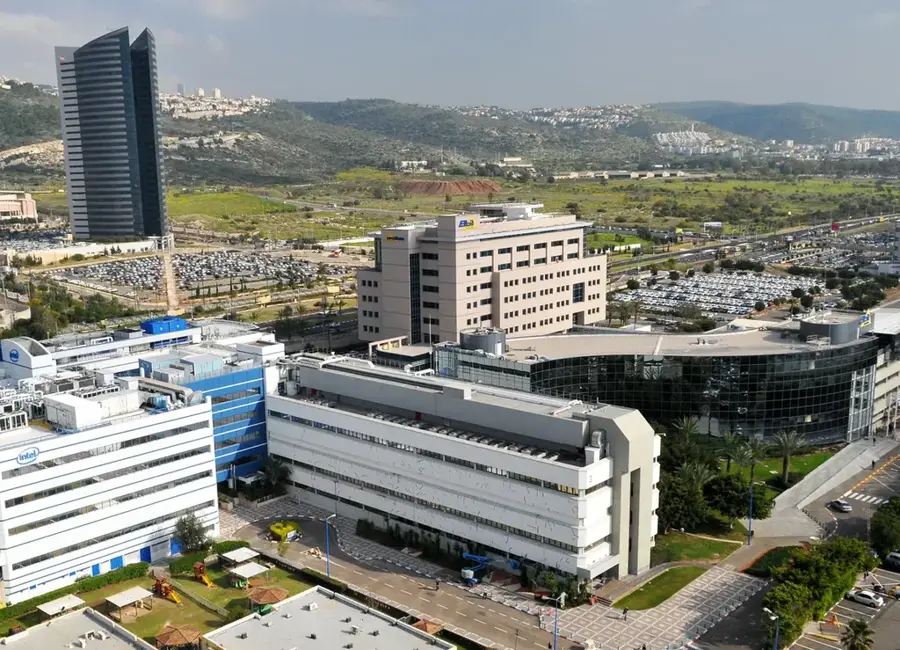
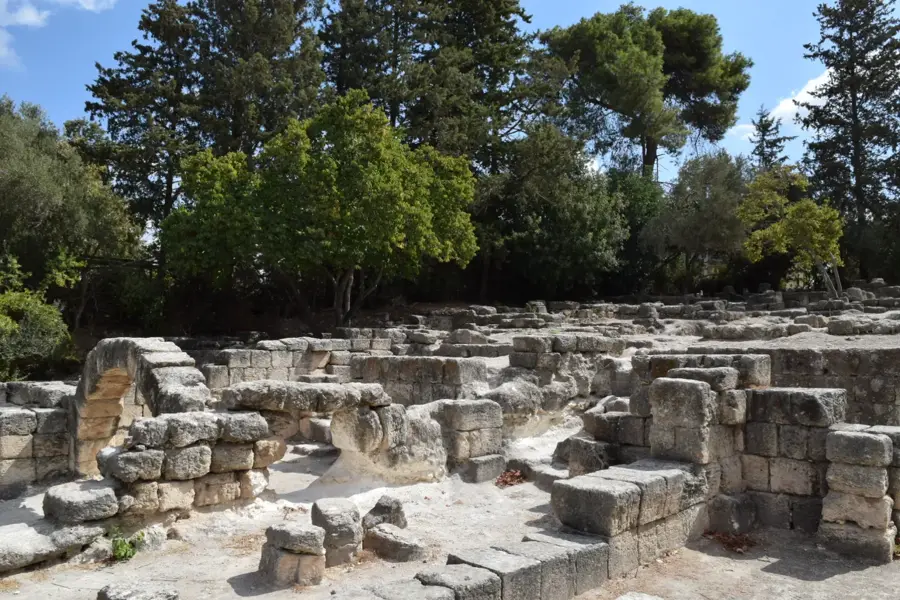
The Zvulun Valley is a coastal plain in northern Israel, spanning approximately 140 square kilometers between the cities of Haifa and Acre. It is bounded by the Haifa Bay to the west and the Galilee hills to the east, with the Kishon and Na'aman rivers serving as its primary drainage systems. Historically, much of the valley was covered by malaria-infested swamps until extensive drainage projects were undertaken by Jewish pioneers in the early 20th century. Today, the valley is a dual-purpose region, hosting Israel's heavy industrial core, including the Haifa oil refineries, alongside thriving agricultural communities. The fertile alluvial soils support intensive farming of vegetables and citrus fruits. Archaeological evidence from sites like Tell Abu Hawam indicates that the valley has been a strategic maritime and trade hub since the Late Bronze Age.

Best time to visit & climate

The most pleasant time to visit is May, Jun, Oct.

JanFebMarAprMayJunJulAugSepOctNovDec
Avg °C141416182124262726242016
Rain mm13010359291253252867115

📋 Practical info

🧭
Getting there
The Zvulun Valley lies east of Haifa Bay and is easily accessible via the main roads connecting Haifa with the north of the country. The region is crisscrossed by a dense road network for industry and agriculture.
📅
Best season
A visit is possible year-round, with winter and spring bathing the landscape in lush green. During these months, temperatures are handy for exploring the agricultural areas and small nature pockets.
⛰️
Terrain & paths
The valley is largely flat and intensely utilized for farming and industry. There are many paved access roads to fields and factories, but only a few designated hiking trails in the classical sense.
🎒
What to bring
Standard casual wear and comfortable shoes are sufficient for explorations in the plain. As the region is very open, remember to wear a hat and adequate UV protection on sunny days.
🅿️
Parking
Parking options can be found in the surrounding towns or at the edge of agricultural roads, provided you do not obstruct operations. Industrial zones usually have organized parking areas.
⚠️
Safety
Since the valley is heavily used for freight traffic, extra caution is needed on the roads. Visitors should also respect that many areas are privately owned or under intensive agricultural use.
⏱️
Time needed
A visit usually lasts only 1 to 2 hours, often as part of a transit or a specific visit to one of the agricultural cooperatives. The plain serves more as a connecting landscape element.

Geography

Coordinates
32.83000, 35.08000

Facts

  • The valley covers a total area of approximately 140 km².
  • It is situated between Haifa Bay and the Galilee mountains.
  • The Kishon and Na'aman rivers provide drainage for the area.
  • Historically, the swamps were drained starting in the 1920s.
  • The region hosts Israel's largest oil refinery complexes.
  • Archaeological finds at Tell Abu Hawam date back to the Bronze Age.

Explore nearby

Notable places around
Route planner — Car & Motorhome

Where do you start? We build the route here, with stops and country notes along the way.

Vehicle
Only stops with (optional):

© OpenStreetMap contributors · OpenRouteService

Sights in the town Zvulun Valley (13)

HaTsafon Theatre🎭 culture

Major performing arts venue in Kiryat Haim serving the northern Haifa metropolitan area.

Yamit Beach🎡 recreation

A popular sandy beach in Kiryat Yam on the Mediterranean coast.

Tel Da`ok🏺 historical

This archaeological site contains the remains of a medieval Crusader sugar mill.

Zevulun Beach🎡 recreation

A wide sandy Mediterranean beach good for coastal walks.

British guard post🌿 nature

A viewpoint located at a former British guard post from the Mandate era.

Tel Kison🏺 historical

A significant biblical-era settlement mound located near the Naaman River.

`Ir HaMifraz🏺 historical

Ruins of a historical settlement in the industrial area of Haifa Bay.

Yossi Mo'adi Lookout🌿 nature

A memorial lookout point offering a wide panorama over the Zvulun Valley.

Haifa Bay📍 landmark

Israel's largest natural bay, situated at the foot of Mount Carmel.

Kiryat Motzkin theatre🎭 culture

A modern cultural center for theatrical performances in Kiryat Motzkin.

Ne'ot Kiryat Haim beach🎡 recreation

A well-maintained urban beach in the northern part of Haifa Bay.

Central Synagogue📍 landmark

The central Jewish house of prayer for the community in the Zvulun Valley.

Great Synagogue📍 landmark

The Great Synagogue, a prominent religious building in the city.

Sights nearby

Frequently asked questions

Where is the Zvulun Valley located?
It stretches along the Mediterranean coast between Haifa and Acre.
What is this region known for?
It is a mix of industrial zones, fertile agricultural land, and nature reserves.
Which rivers flow through the valley?
The Kishon River and the Na'aman River are the primary watercourses in the Zvulun Valley.
Are there opportunities for bird watching?
Yes, especially along the Na'aman River and coastal wetlands, many birds can be observed.
How is the transport connection in the valley?
The valley is very well connected by highways and the railway line between Haifa and the north.
Zvulun Valley: where is it located?
Zvulun Valley is located in Israel.
Zvulun Valley: what is there to see?
Highlights include HaTsafon Theatre, Yamit Beach, Tel Da`ok.
Zvulun Valley: when is the best time to visit?
The most pleasant time to visit is May, Jun, Oct.
Zvulun Valley: why is it worth visiting?

The Zvulun Valley is a coastal plain in northern Israel, spanning approximately 140 square kilometers between the cities of Haifa and Acre.
View on map → The Top 50 Attractions → OpenStreetMap →
Asia
Explore with Plizio Discover more places in Asia
More places in Israel →

Nearby cities

Nature

More places