Plizio Visual Lab

Slieve Croob
Plizio editorial teamData Sources
Mountain
—°4
Slieve Croob (Ireland)

Weather…

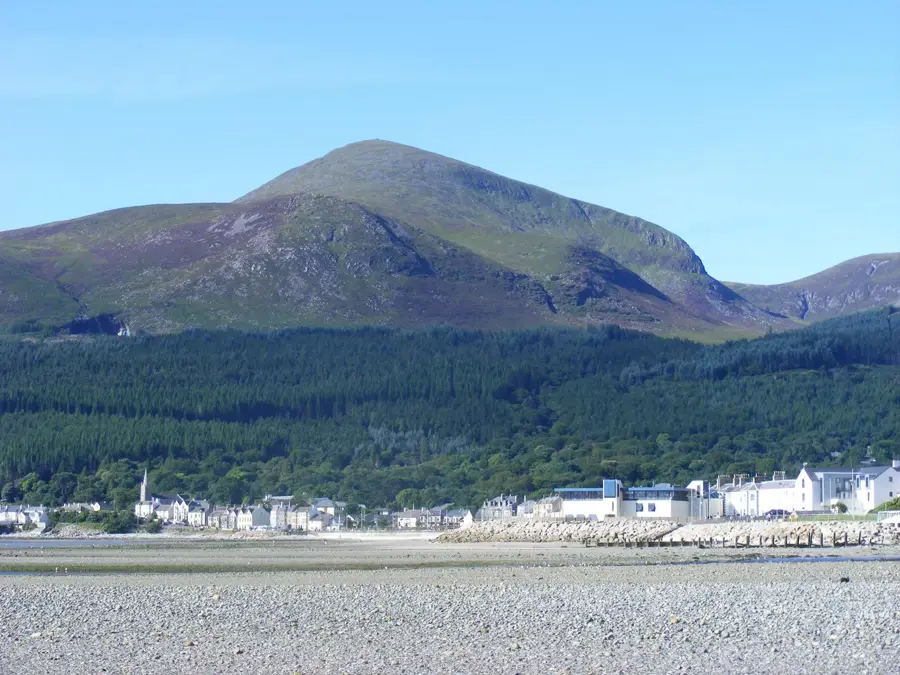
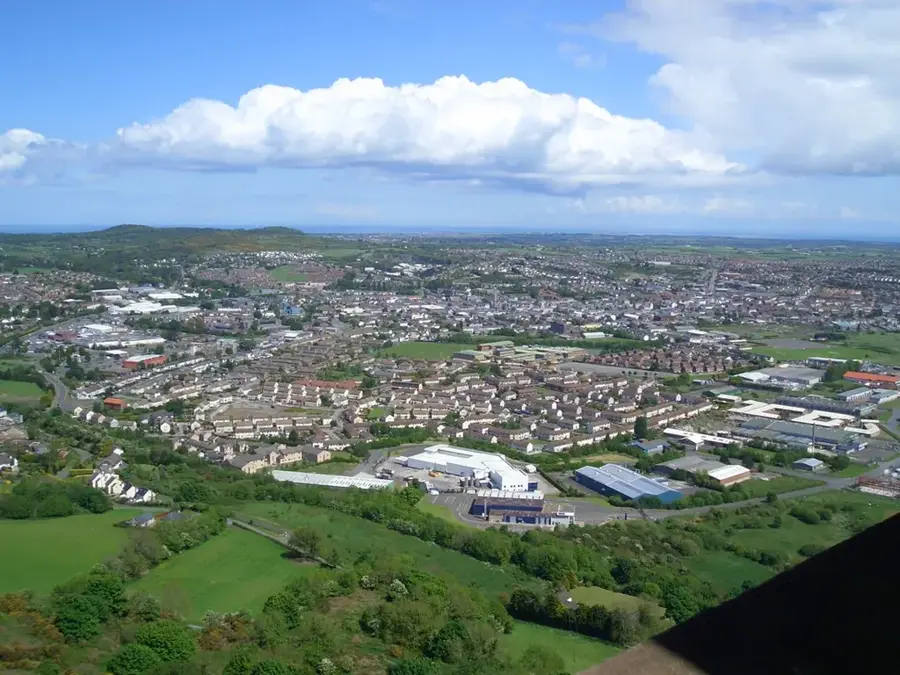
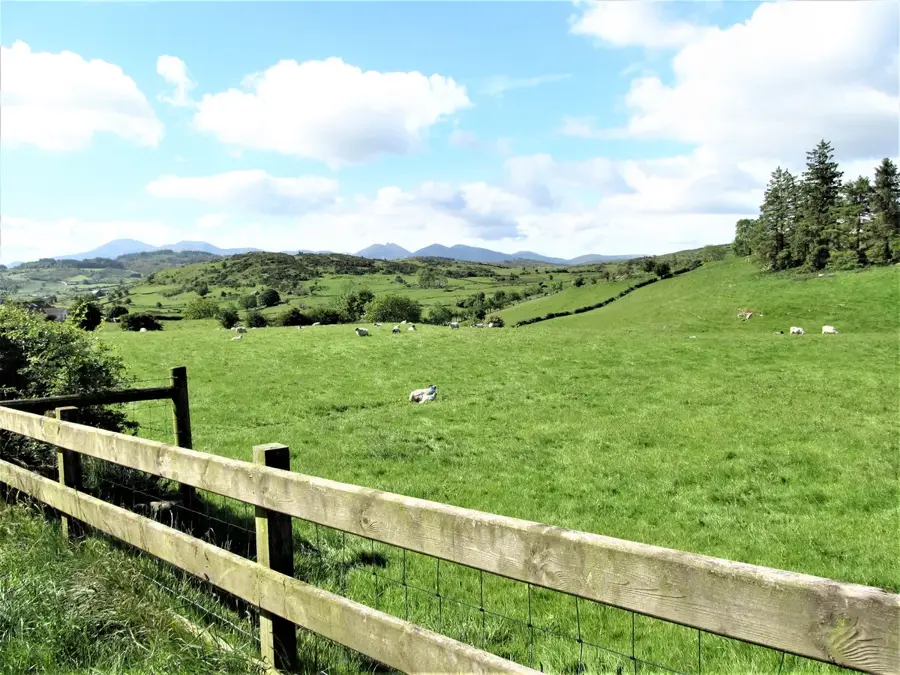
Slieve Croob is a prominent mountain in the heart of County Down, Northern Ireland, rising to an elevation of 534 metres. It is best known as the source of the River Lagan, which flows through the city of Belfast before entering the sea. Geologically, the mountain is composed of granite and forms part of the wider Mourne Mountains area, though it stands slightly apart from the main range. At its summit lies an ancient cairn, a Bronze Age burial mound that is steeped in Irish mythology and local folklore. Legends often link the site to the mythical warrior Fionn mac Cumhaill, adding a layer of mystery to the landscape. The slopes are covered in extensive heathland and blanket bog, providing a vital habitat for various bird species and mountain flora. Hikers frequently visit the peak via the Slieve Croob Trail to enjoy panoramic views that stretch as far as the Isle of Man and the Scottish coast on clear days. The mountain is designated as an Area of Special Scientific Interest (ASSI) due to its unique ecological features.

Best time to visit & climate

The most pleasant time to visit is Jun–Aug.

JanFebMarAprMayJunJulAugSepOctNovDec
Avg °C556811131514131075
Rain mm937476627790991068210910595

📋 Practical info

🧭
Getting there
Slieve Croob is typically accessed from the scenic local roads in County Down, with a well-known starting point often found near the Dree Hill car park. The route usually follows a paved transmitter road towards the summit.
📅
Best season
The best months for a visit are generally between May and September when the weather is milder and the days are longer. Clear, dry days offer the best visibility to appreciate the source of the River Lagan and surrounding views.
⛰️
Terrain & paths
The terrain primarily consists of an easy-to-follow, steady incline along a tarmac surface serving the masts. While technically straightforward, the continuous uphill walk requires a moderate level of basic fitness.
🎒
What to bring
Comfortable walking shoes or light hiking boots are recommended for the hard surface. Always bring windproof and waterproof layers, as the summit area can be significantly colder and more exposed than the base.
🅿️
Parking
Visitors typically leave their vehicles at the designated public parking area near the base of the transmitter road. From there, it is a straightforward pedestrian ascent, as unauthorized vehicles are usually restricted on the private track.
⚠️
Safety
Exercise caution regarding sudden weather changes, which are common in the Irish mountains. Watch out for occasional maintenance vehicles using the access road, and avoid straying into adjacent private farmland.
⏱️
Time needed
A typical round trip to the summit and back usually takes around one and a half to two hours at a leisurely pace. This allows ample time to enjoy the panoramic views and locate the source of the river.

Geography

Coordinates
54.30000, -5.96670

Facts

  • Elevation: 534 metres above sea level
  • Source of the River Lagan
  • Ancient summit cairn dating to the Bronze Age
  • Geological composition: Caledonian granite
  • Part of the wider Mourne Mountains region
  • Designated Area of Special Scientific Interest (ASSI)

Explore nearby

Notable places around

Route planner — Car & Motorhome

Where do you start? We build the route here, with stops and country notes along the way.

Vehicle
Only stops with (optional):

© OpenStreetMap contributors · OpenRouteService

Sights in the town Slieve Croob (4)

rath

Iron Age ringfort, a fortified settlement on Slieve Croob.

Slievehanny cashel & souterrain

Stone ringfort with an underground passage, an early Christian settlement.

Standing Stone

Upright monolith from the Bronze Age, a menhir on Slieve Croob.

Sights nearby

Frequently asked questions

Which river rises at Slieve Croob?
The River Lagan, which later flows through Belfast, has its source on Slieve Croob.
How do you reach the summit?
A narrow paved road leads almost to the summit, where transmitter masts are located.
Are there historical sights there?
On the summit lies a large ancient burial mound (cairn), which is a historical monument.
Is parking allowed there?
There is a small parking area at the base of the transmitter access on Dree Hill Road.
What is the legend of Blaeberry Sunday?
Traditionally, locals climbed the mountain on the last Sunday of July to gather bilberries and celebrate.
Slieve Croob: where is it located?
Slieve Croob is located in Ireland.
Slieve Croob: what is there to see?
Highlights include rath, Slievehanny cashel & souterrain, Standing Stone.
Slieve Croob: when is the best time to visit?
The most pleasant time to visit is Jun, Aug.
Slieve Croob: why is it worth visiting?

Slieve Croob is a prominent mountain in the heart of County Down, Northern Ireland, rising to an elevation of 534 metres.
View on map → The Top 50 Attractions → Most beautiful beaches → OpenStreetMap →
Europe
Explore with Plizio Discover more places in Europe
More places in Ireland →

Nearby cities