Plizio Visual Lab

Slieve Ardagh
Plizio editorial teamData Sources
Mountain
—°6
Slieve Ardagh (Ireland)

Weather…

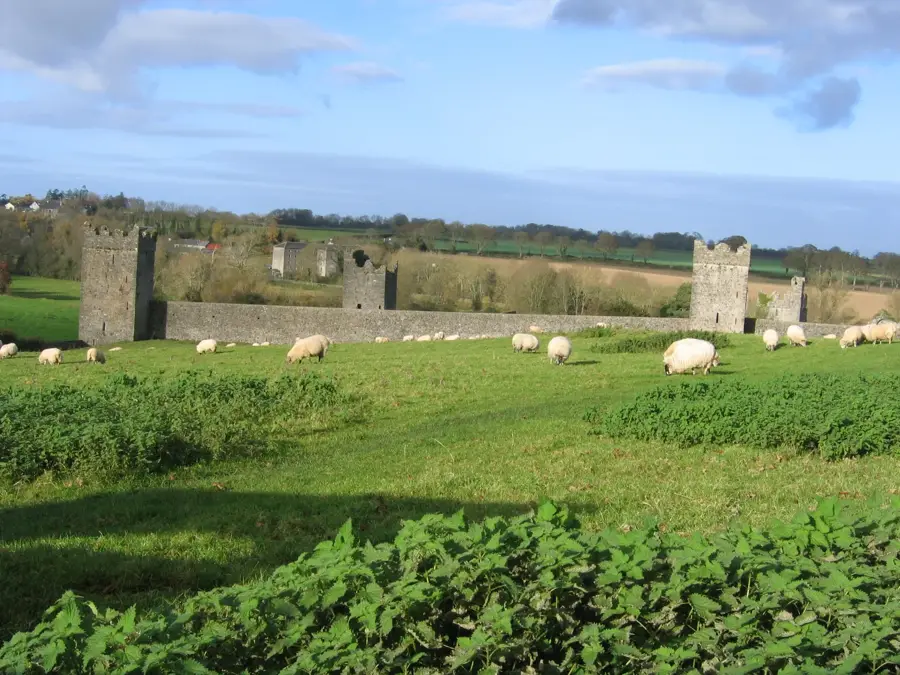
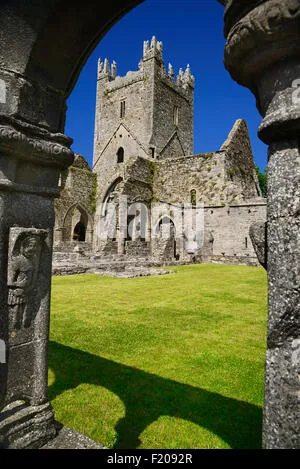
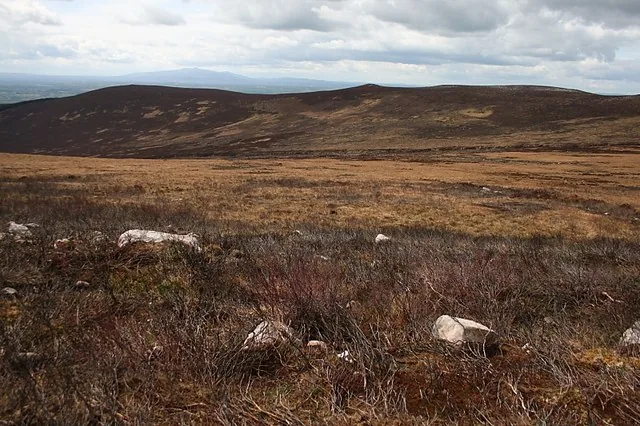
The Slieve Ardagh Hills are a range of hills situated on the border between counties Tipperary and Kilkenny. Despite their moderate elevation of up to 340 meters, they hold immense industrial significance for Ireland. For over two centuries, the region was the center of Irish anthracite coal mining, shaping the landscape and social structure. Numerous relics, such as the distinctive engine houses and mine chimneys, have been preserved as industrial monuments. Geologically, the hills are part of the Leinster Coalfield and consist of Carboniferous sedimentary layers. Today, Slieve Ardagh is a peaceful agricultural area known for its pastures and forestry. Walking trails lead visitors through the mining history while offering tranquil views of the countryside. Local initiatives and museums keep the history of the mining families alive. The hills link the natural beauty of the Midlands with the country's industrial past, providing a serene environment for historical discovery and reflection.

Best time to visit & climate

The most pleasant time to visit is Jun–Aug.

JanFebMarAprMayJunJulAugSepOctNovDec
Avg °C556811141515131076
Rain mm917072657081859378104104101

📋 Practical info

🧭
Getting there
The Slieve Ardagh hills, situated between Tipperary and Kilkenny, are primarily reached via regional roads connecting the surrounding rural villages. Many exploring the area start near the old mining settlements where local walking routes are sometimes signposted.
📅
Best season
The rolling hills are pleasant to walk throughout the year, though spring and autumn offer highly easy on the eye views of the countryside. Winter walking is possible here, but paths may become quite muddy and lower areas prone to heavy waterlogging.
⛰️
Terrain & paths
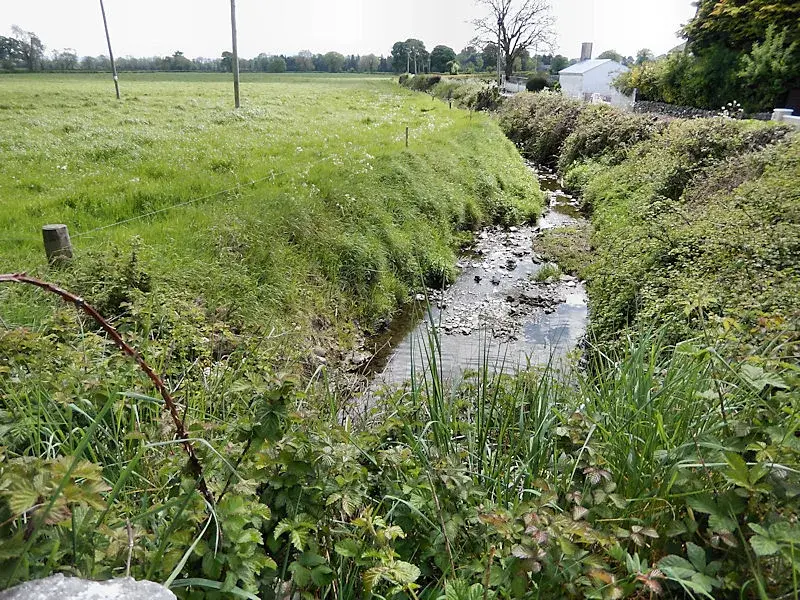
Expect a mixture of gentle farmland, quiet country lanes, and undulating hill tracks bearing marks of the region's historical coal mining heritage. The trails are generally less strenuous than steep mountains but still feature uneven and grassy surfaces.
🎒
What to bring
Comfortable walking shoes or standard hiking boots are usually sufficient for exploring the lower tracks and village lanes. A light rain jacket is recommended, along with a basic map to navigate the winding rural byways effectively.
🅿️
Parking
Parking is generally available in the small village centers or designated heritage spots scattered across the region. Always ensure you are not blocking narrow rural roads or access to private agricultural fields when leaving your vehicle.
⚠️
Safety
While the terrain is relatively benign, walkers should remain cautious of old, unfenced mining shafts or ruins that still exist in the hills. Stick to clearly marked paths where available and wear bright clothing if walking along narrow local roads with traffic.
⏱️
Time needed
Short historical walks around the mining villages can take just one to two hours to complete. More extensive rambles traversing the hilly terrain between the villages can easily occupy half a day of leisurely exploration.

Geography

Coordinates
52.56670, -7.53330

Facts

  • Slieve Ardagh is part of the largest anthracite coalfield in Ireland.
  • Mining in this region began in the 18th century and ended in 1990.
  • The mining center in Killenaule documents the area's industrial history.
  • The hills reach a maximum elevation of approximately 340 meters.
  • Several chimneys of the old steam engine houses are still visible today.
  • The region is also known for its high-quality limestone deposits.

Explore nearby

Notable places around
Route planner — Car & Motorhome

Where do you start? We build the route here, with stops and country notes along the way.

Vehicle
Only stops with (optional):

© OpenStreetMap contributors · OpenRouteService

Sights in the town Slieve Ardagh (6)

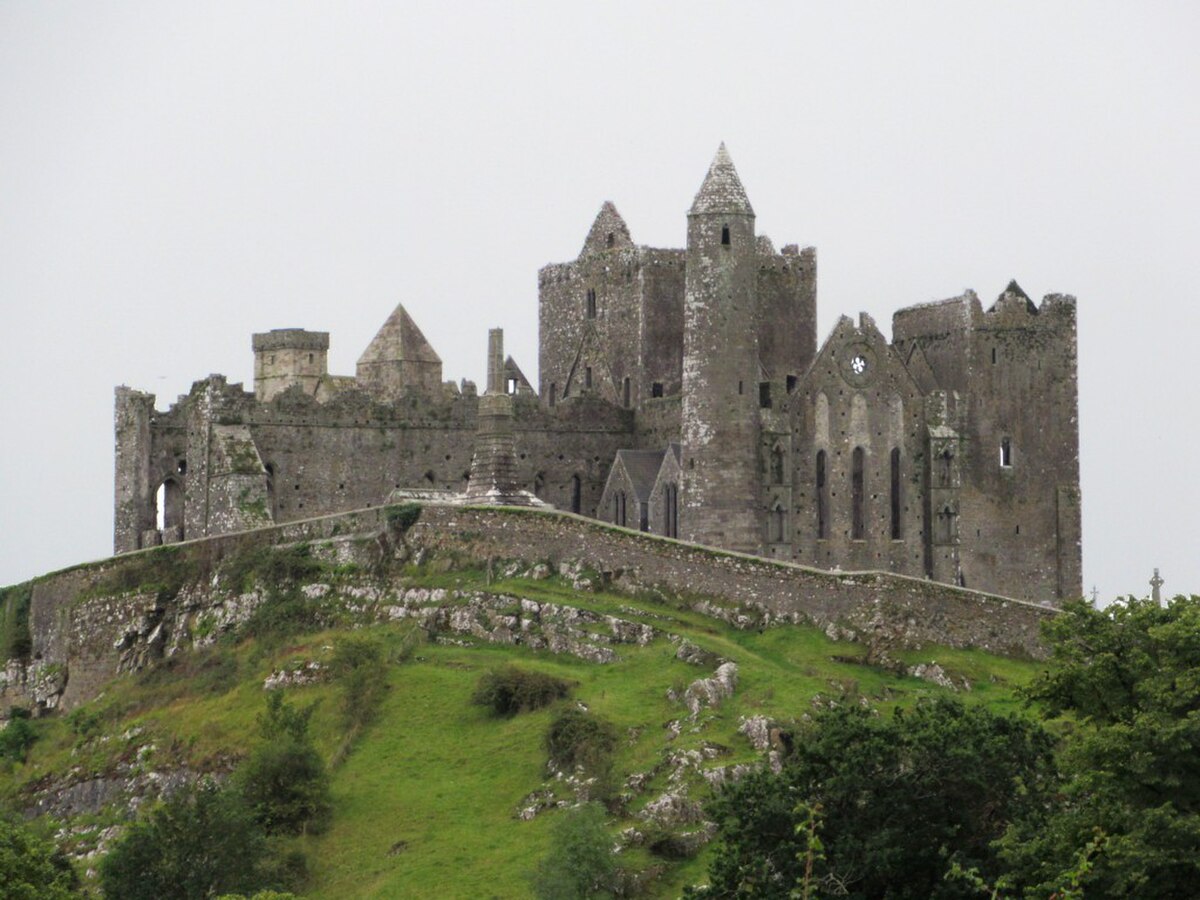
Ballingarry Castle (ruins)🏺 historical

The ruins of a historic castle in the Slieve Ardagh region.

Rathroe🏺 historical

An archaeological site with historic remains in Slieve Ardagh.

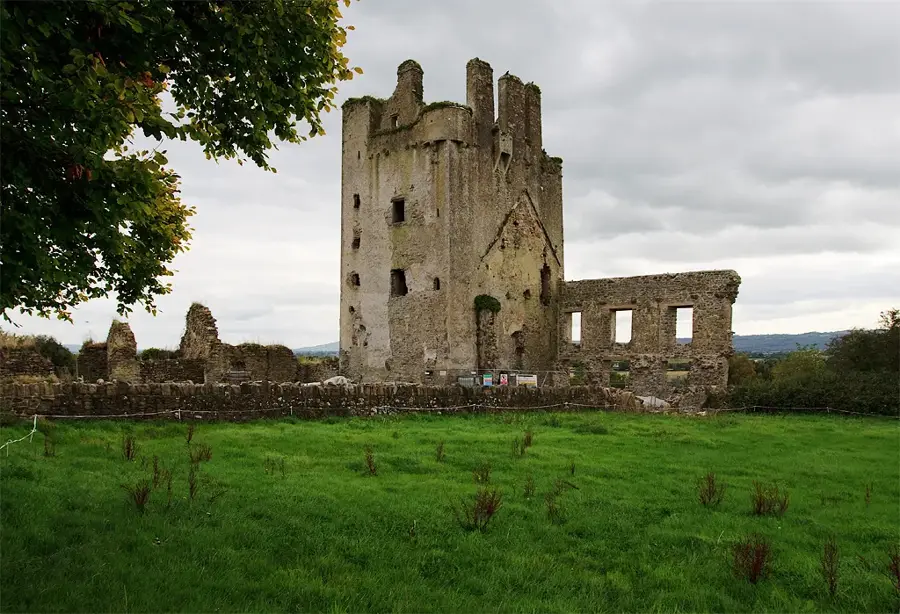
Crohane Castle🏰 castle

A historic fortification in the hilly landscape of Slieve Ardagh.

Lismalin Castle (ruins)🏰 castle

Castle ruins in Slieve Ardagh, witnessing medieval history.

Toberone📍 landmark

A hill in the Slieve Ardagh area.

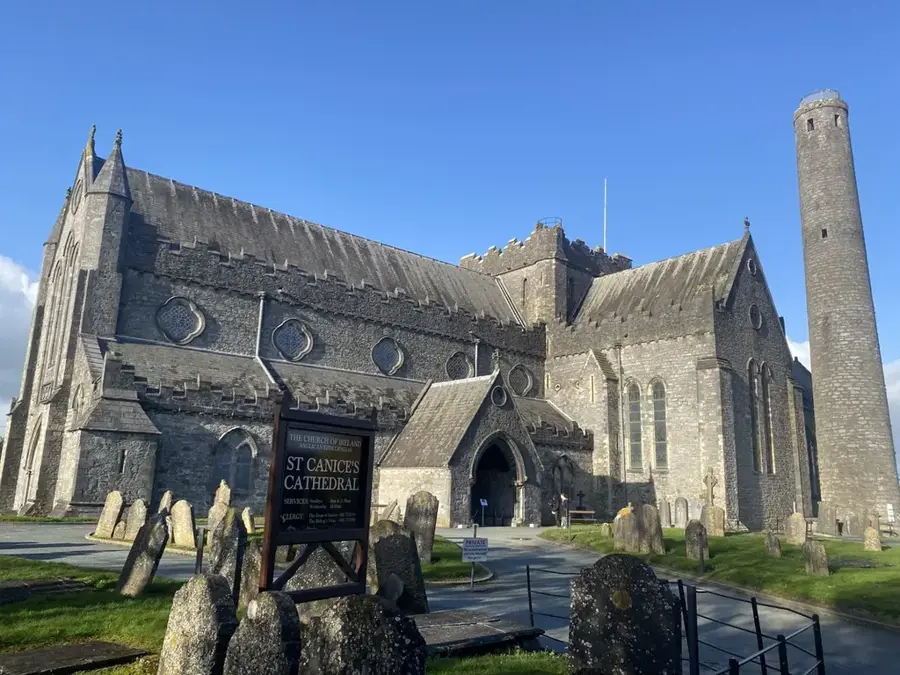
Church of the Assumption⛪ religious

A local church in Slieve Ardagh dedicated to the Assumption.

Sights nearby

Frequently asked questions

Where is Slieve Ardagh located?
On the border between counties Tipperary and Kilkenny.
What is the region known for?
For its rich mining history, especially the extraction of anthracite coal.
What is the Slieve Ardagh Heritage Centre?
A museum in Killenaule that documents local history and mining culture.
Are there burial mounds there?
Yes, there are several ancient monuments and ringforts (raths) in the hilly landscape.
How high are the hills?
It is more of a hilly upland with peaks around 300 to 340 meters.
Slieve Ardagh: where is it located?
Slieve Ardagh is located in Ireland.
Slieve Ardagh: what is there to see?
Highlights include Ballingarry Castle (ruins), Rathroe, Crohane Castle.
Slieve Ardagh: when is the best time to visit?
The most pleasant time to visit is Jun, Aug.
Slieve Ardagh: why is it worth visiting?

The Slieve Ardagh Hills are a range of hills situated on the border between counties Tipperary and Kilkenny.
View on map → The Top 50 Attractions → Most beautiful beaches → OpenStreetMap →
Europe
Explore with Plizio Discover more places in Europe
More places in Ireland →

Nearby cities