Plizio Visual Lab

Glendalough Valley
Plizio editorial teamData Sources
valley
—°3
Glendalough Valley (Ireland)

Weather…

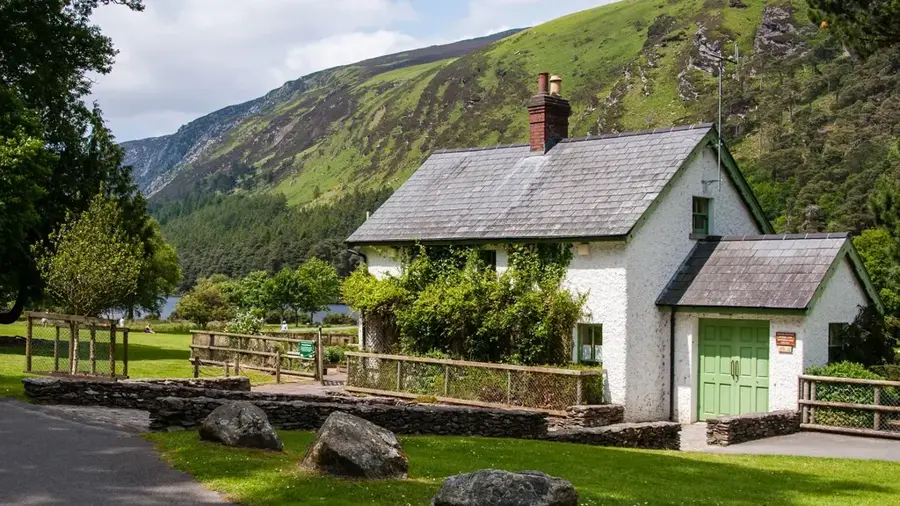
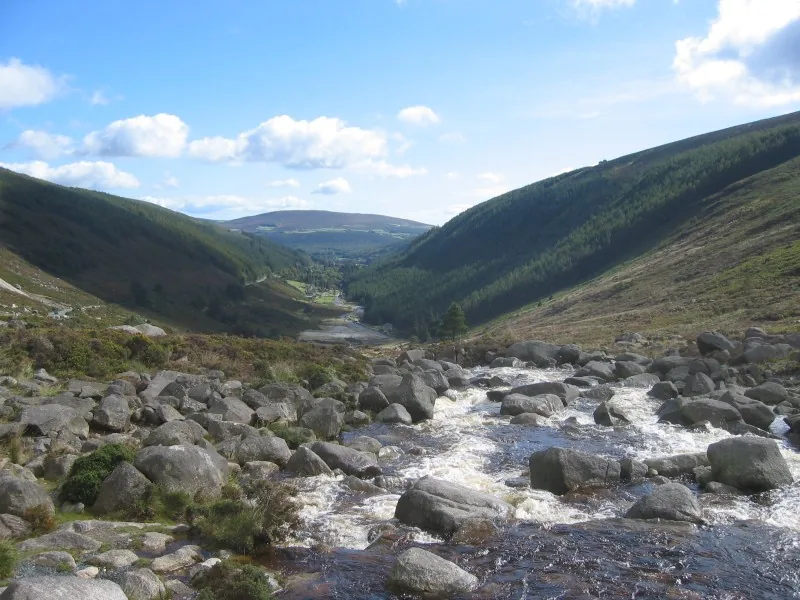
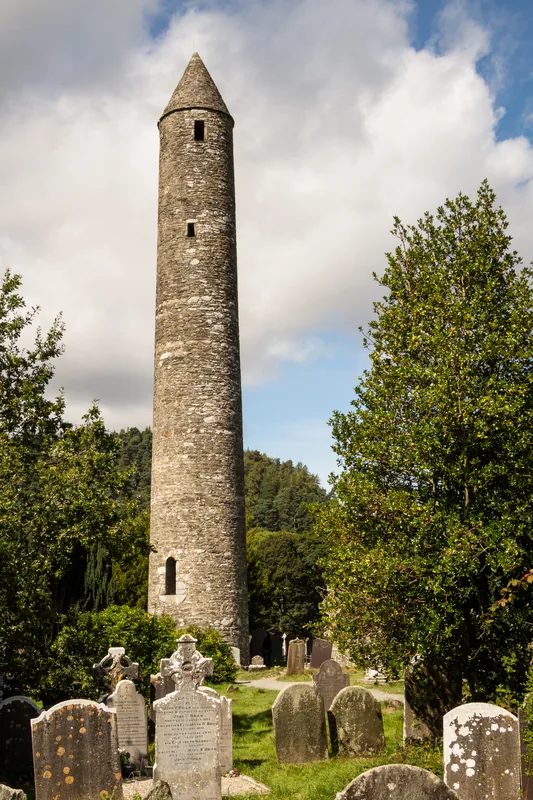
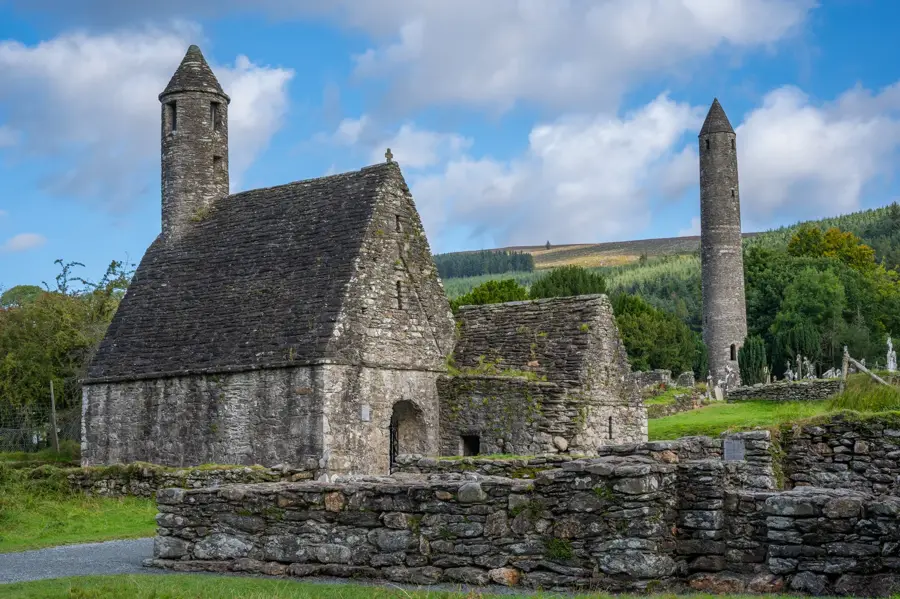
Glendalough Valley in the Wicklow Mountains is a place of extraordinary natural beauty and profound historical significance. Known as the 'Valley of the Two Lakes', it was carved out by glaciers during the last Ice Age, leaving behind characteristic deep valleys and steep granite cliffs. In the 6th century, St. Kevin founded a monastic settlement here, which grew into one of Ireland's most important religious and academic centers. The ruins, including a remarkably well-preserved round tower and several churches, bear witness to its early medieval golden age. Surrounded by ancient oak woodlands and heathlands, the valley today provides diverse habitats for red deer, feral goats, and numerous bird species. Glendalough is not only a magnet for pilgrims and history enthusiasts but also a popular destination for hikers exploring the scenic trails around the Upper and Lower Lakes.

Best time to visit & climate

The most pleasant time to visit is Jun–Aug.

JanFebMarAprMayJunJulAugSepOctNovDec
Avg °C656811131515131186
Rain mm977978677079839381116121114

📋 Practical info

🧭
Getting there
Glendalough is easily accessible by road from Dublin, making it a very popular destination for independent travelers and organized tours. The main entry point is through the visitor center, providing direct pedestrian access to the monastic site and lakes.
📅
Best season
While the valley is open year-round, late spring and early autumn are generally considered the best times to avoid the immense summer crowds. Winter brings a stark, quiet beauty to the lakes, but shorter daylight hours limit the time available for longer mountain trails.
⛰️
Terrain & paths
The lower paths around the monastic site and the Lower Lake are flat, paved, or boarded, catering to a very leisurely walking pace. Conversely, the routes ascending towards the Upper Lake and the surrounding ridges are steep, rocky, and require physical exertion.
🎒
What to bring
For the lower valley, simple walking shoes are perfectly adequate, but sturdy hiking boots are required if you intend to climb the steep ridge trails. The weather in the mountains is famously changeable, so bringing versatile layers and reliable waterproofs is smart.
🅿️
Parking
There are two main public parking areas: one near the visitor center and another closer to the Upper Lake, both usually requiring a fee. These lots frequently reach absolute capacity by mid-morning during the summer, so arriving early is the best way to secure a space.
⚠️
Safety
When hiking the upper trails, be cautious of sudden drops and slippery wooden boardwalks, especially after the frequent regional rainfalls. Keep a safe distance from the wildlife, particularly the deer, and remain on marked paths to protect the delicate flora.
⏱️
Time needed
A brief visit to the monastic ruins and the Lower Lake takes about an hour or two, highly suitable for a very quick local stopover. However, those wishing to hike the full loop around the Upper Lake should allocate at least three to four hours for the spectacular scenery.

Geography

Coordinates
53.01170, -6.33140

Facts

  • The round tower of Glendalough is approximately 30 meters high and dates to the 10th century.
  • The name Glendalough comes from the Irish 'Gleann Dá Locha', meaning 'Valley of the Two Lakes'.
  • St. Kevin is said to have died here in 618 AD at the age of 120.
  • The monastic settlement was largely destroyed by English forces in 1398.
  • The valley hosts one of the largest populations of red deer in Ireland.
  • The 'Reefert Church' ruins served as a burial place for the local O'Toole kings.

Explore nearby

Notable places around
Route planner — Car & Motorhome

Where do you start? We build the route here, with stops and country notes along the way.

Vehicle
Only stops with (optional):

© OpenStreetMap contributors · OpenRouteService

Sights in the town Glendalough Valley (3)

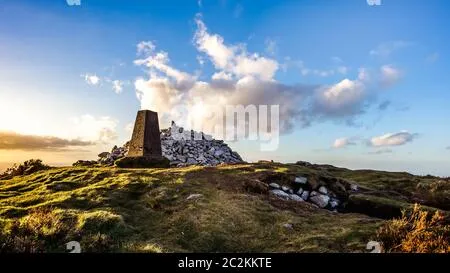
Standing Stone🏺 historical

An ancient standing stone marking a significant archaeological site in the Glendalough Valley.

Miners' Village🏺 historical

The abandoned ruins of a 19th-century lead mining village located at the end of Glendalough's upper lake.

Derrybawn Mountain📍 landmark

A prominent mountain peak offering scenic hiking trails and views over the Glendalough Valley.

Sights nearby

Frequently asked questions

What does Glendalough mean?
The name comes from the Irish "Gleann Dá Loch", meaning "Valley of the Two Lakes".
Can you swim in the lake?
Swimming is allowed at the Upper Lake, but the water is very deep and cold. Caution is advised.
Is it free to visit the ruins?
Yes, entry to the monastic site is free. Only the visitor centre has an admission fee.
Are there food facilities?
There is a hotel, a restaurant, and food vans near the Upper Lake car park.
How do I get to the Round Tower?
The tower is in the middle of the monastic site near the Lower Lake, easily reached on foot.
Glendalough Valley: where is it located?
Glendalough Valley is located in Ireland.
Glendalough Valley: what is there to see?
Highlights include Standing Stone, Miners' Village, Derrybawn Mountain.
Glendalough Valley: when is the best time to visit?
The most pleasant time to visit is Jun, Aug.
Glendalough Valley: why is it worth visiting?

Glendalough Valley in the Wicklow Mountains is a place of extraordinary natural beauty and profound historical significance.
View on map → The Top 50 Attractions → Most beautiful beaches → OpenStreetMap →
Europe
Explore with Plizio Discover more places in Europe
More places in Ireland →

Nearby cities