Plizio Visual Lab
Yazd
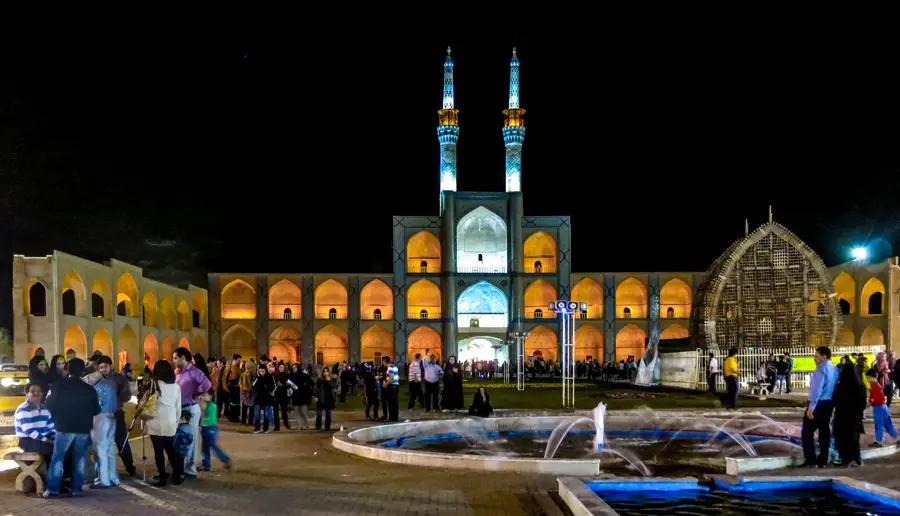
ℹ️Practical info — Yazd
▾
🌤 Weather — 5 days
📍 Nearby
Sights nearby
💡 Tips
- Visit the old town early morning or late afternoon to avoid the intense midday heat.
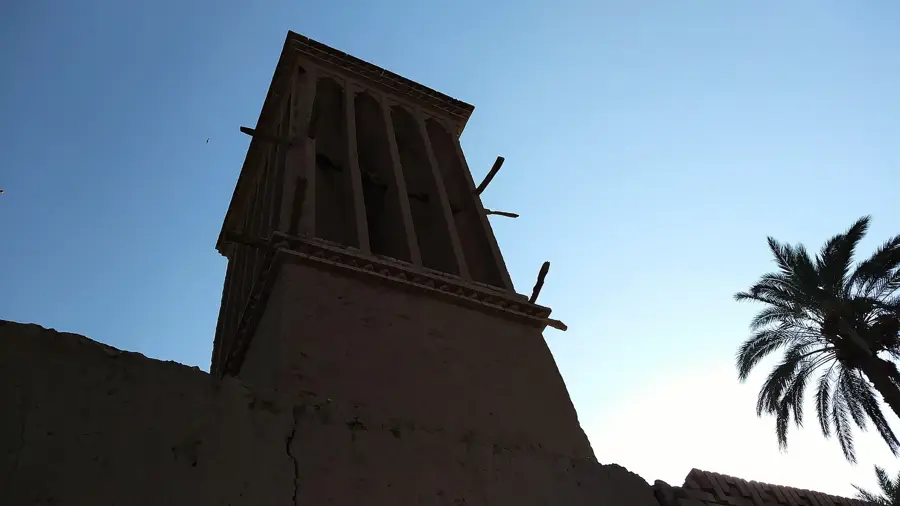
- Explore the narrow alleys to see the badgirs (wind catchers) cooling the mud-brick houses.
- Be mindful of Islamic dress codes; modest clothing is required for both men and women.
- Look for qanats (ancient underground water channels) which you can visit.
- Taxis are cheap, but walking in the historic center is the best way to get around.
🍽 Food
Look for traditional restaurants in the old town with rooftop seating.
Traditional Yazdi sweets found in local confectioneries near Amir Chakhmaq square.
A traditional Yazdi spinach and lentil soup, often served in historic cafes.
🛍 Shopping · 🧘 Quiet spots
Shops around the main bazaar.
Traditional coppersmiths near the central bazaar.
UNESCO site with a tall wind catcher and peaceful water features.
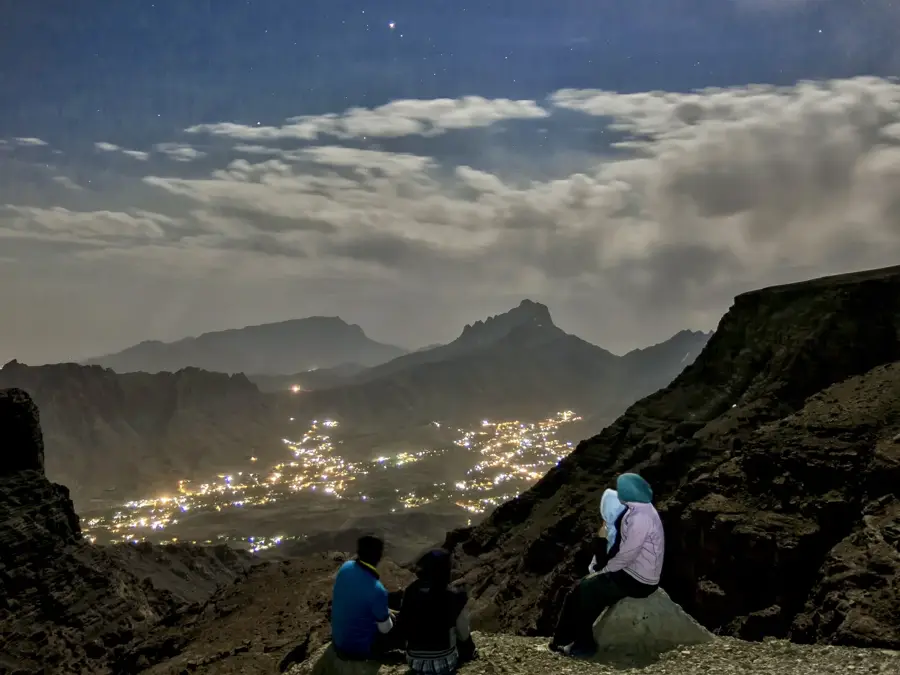
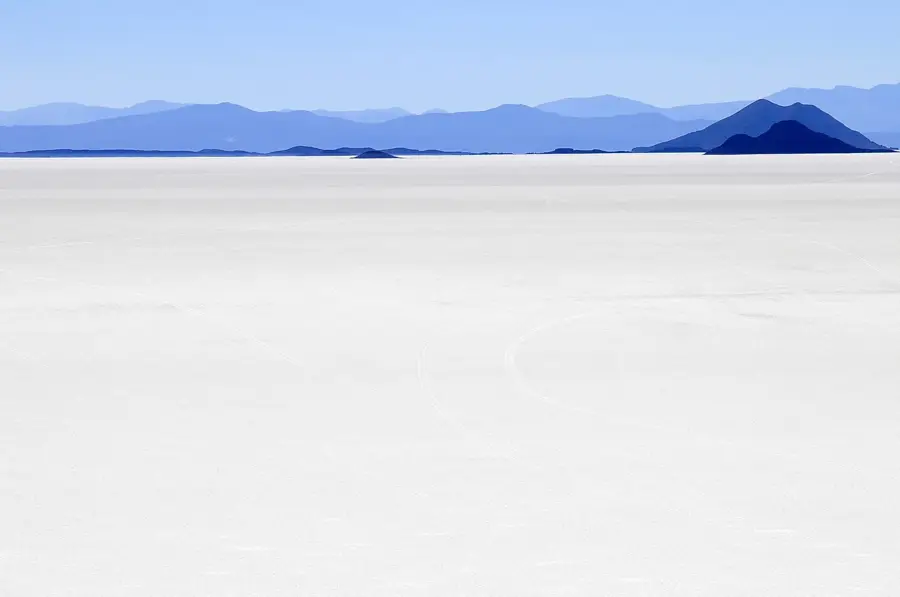
Located outside the city, offering a quiet, stark landscape at sunset.
Great for peaceful sunset views of the mud-brick skyline.
Water temperature…
Yazd, a historic city in central Iran, is celebrated as a masterpiece of desert architecture and was designated a UNESCO World Heritage site in 2017. Surrounded by the vast Dasht-e Kavir and Dasht-e Lut deserts, Yazd has adapted to its arid environment through centuries of ingenious engineering. The city's silhouette is defined by its iconic 'badgirs' or windcatchers, which harness natural airflow to cool buildings, and its extensive network of 'qanats', ancient underground aqueducts that transport water from distant mountains. Yazd is the cultural and religious heart of Zoroastrianism, one of the world's oldest monotheistic religions. The Zoroastrian Fire Temple in Yazd houses a flame that has reportedly been burning for over 1,500 years, while the nearby Towers of Silence provide a haunting glimpse into ancient burial traditions. Historically, the city escaped much of the destruction of the Mongol invasions due to its remote location, allowing it to preserve its labyrinthine old town, which remains one of the best-preserved adobe cities globally. Yazd's economy was built on the Silk Road trade, particularly famous for its high-quality silks and 'Termeh' textiles, which are still produced using traditional looms today. The Jameh Mosque, featuring some of the tallest minarets in Iran and exquisite tilework, serves as a landmark of Islamic architecture. Modern Yazd has expanded significantly beyond its historic core, becoming a major center for steel, fiber optics, and mining, yet it retains a deep connection to its artisan roots. The city is also famous for its sweets, with local bakeries producing delicacies like Baklava, Ghotab, and Pashmak that are prized throughout the country. Yazd's reputation for religious tolerance and the hospitality of its residents makes it a unique cultural crossroads. Its sustainable urban design and traditional lifestyle continue to inspire architects and historians alike, representing a resilient civilization that has thrived in the heart of the desert for millennia.
- Location: Iran
- Top sights: Bodhem-e-Davazdah Emam · Molla Aqa Baba Synagogue · Mola Esmail Mosque
- Population: ~477.905 (2026)
Best time to visit & climate
The most pleasant time to visit is May, Sep, Oct.
| Jan | Feb | Mar | Apr | May | Jun | Jul | Aug | Sep | Oct | Nov | Dec | |
|---|---|---|---|---|---|---|---|---|---|---|---|---|
| Avg °C | 5 | 7 | 12 | 17 | 23 | 28 | 29 | 27 | 24 | 18 | 11 | 6 |
| Rain mm | 9 | 6 | 7 | 7 | 3 | 0 | 0 | 2 | 2 | 3 | 8 | 7 |
Geography
Facts
- Yazd was inscribed as a UNESCO World Heritage site in 2017.
- The city's Jameh Mosque dates back to the 12th century with 14th-century additions.
- The Zoroastrian Atashkadeh houses a fire burning since 470 AD.
- Yazd is often called the 'City of Windcatchers' due to its unique skyline.
- The Dowlat Abad garden contains a 33-meter high windcatcher, the world's tallest.
- The city is a major hub for the production of ceramic tiles and textiles.
- Yazd has one of the largest networks of qanats (underground water channels) in Iran.
- The historic center of Yazd is almost entirely built of sun-dried mud bricks.
Explore nearby
Notable places around
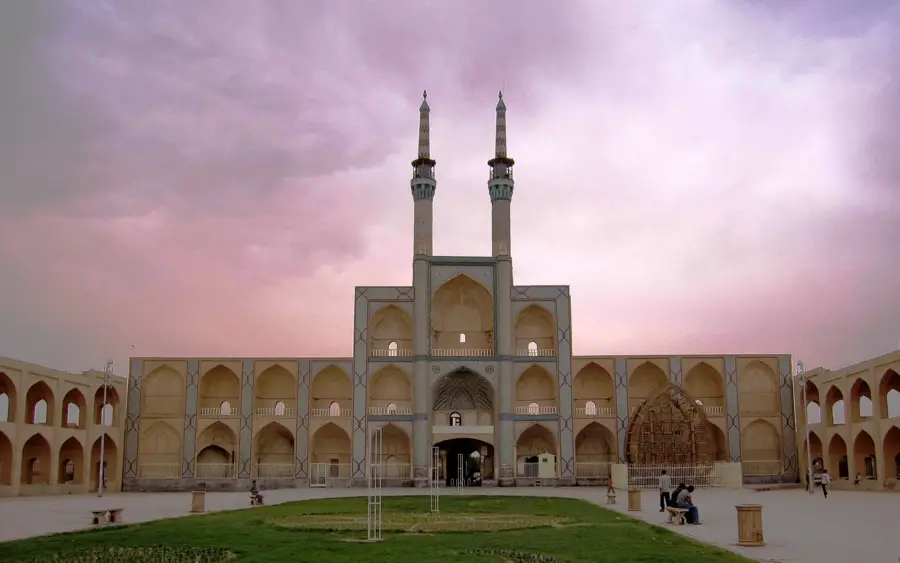

Route planner — Car & Motorhome
Where do you start? We build the route here, with stops and country notes along the way.
© OpenStreetMap contributors · OpenRouteService
Sights in the town Yazd (13)
Frequently asked questions
What is Yazd architecturally famous for?
Is Yazd a UNESCO World Heritage site?
Which religion has a long tradition in Yazd?
What are the Towers of Silence?
What sweets should I buy in Yazd?
Yazd: where is it located?
Yazd: what is there to see?
Yazd: when is the best time to visit?
Yazd: why is it worth visiting?

History & landmarks
Nature
More places