Plizio Visual Lab
UMAG Hong Kong
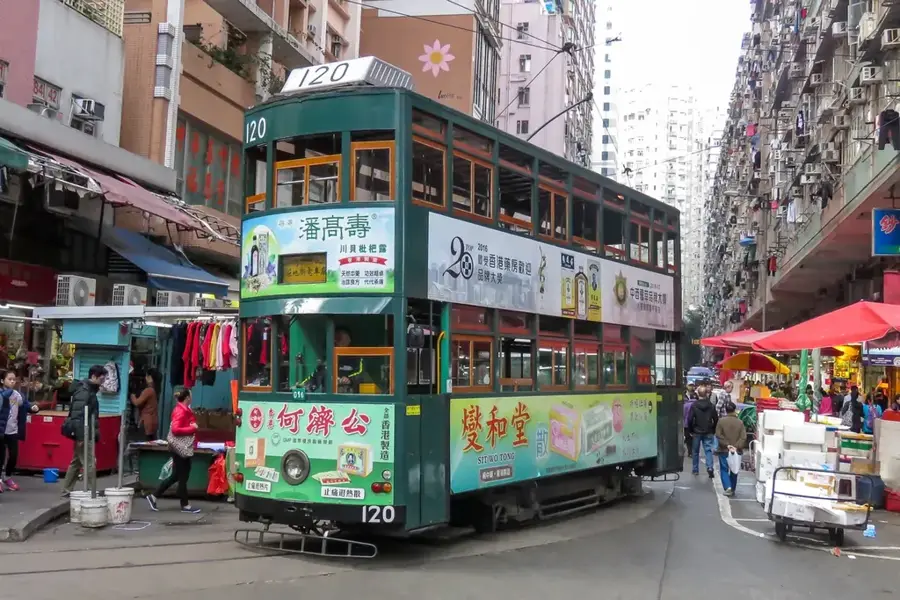
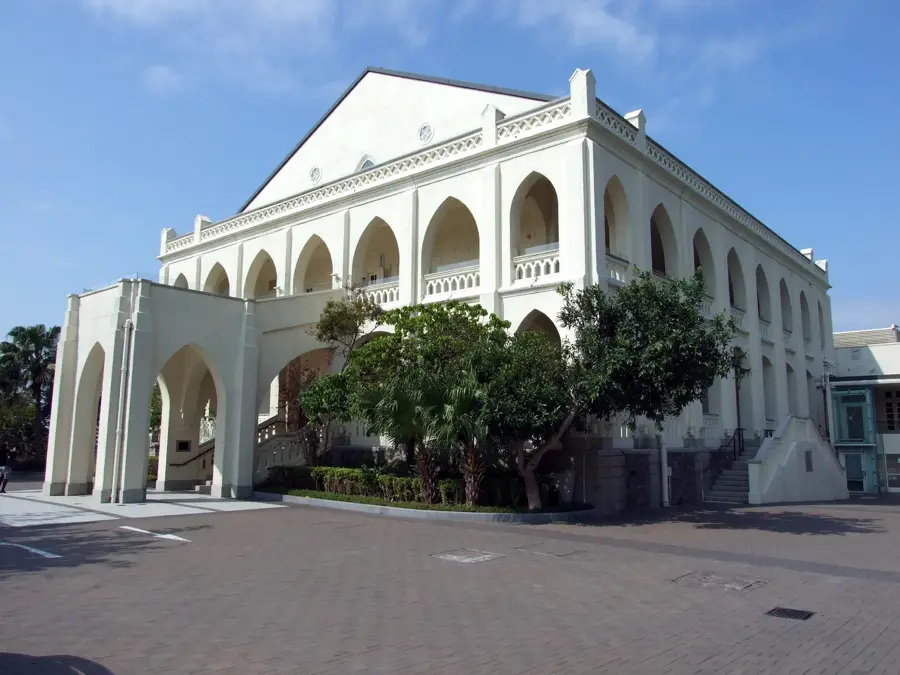
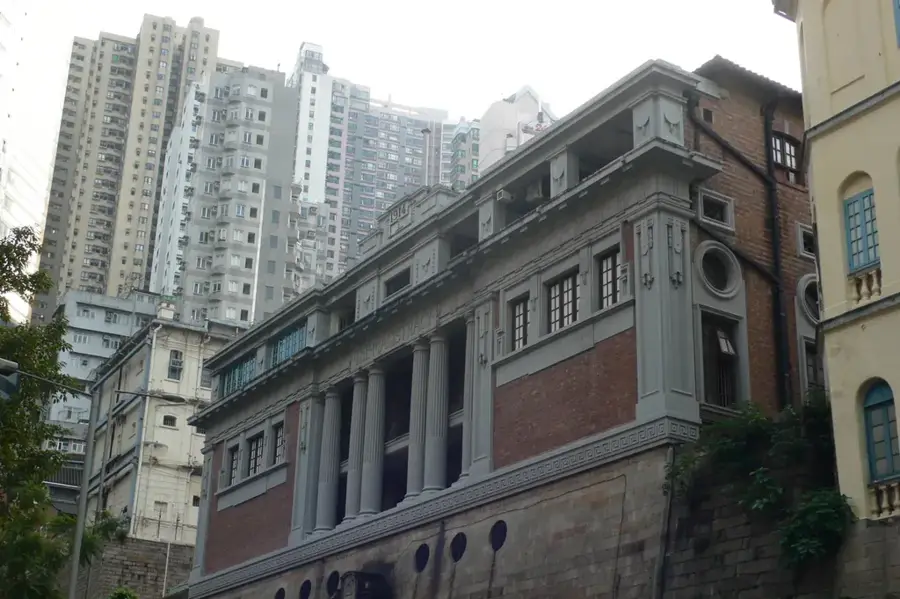
The University Museum and Art Gallery (UMAG) at the University of Hong Kong is the oldest museum in the city, established as a teaching museum in 1953. It is housed within the Fung Ping Shan Building, a historic red-brick structure built in 1932 that originally served as a library. The building itself is an architectural landmark, blending classical western and eastern elements amidst the bustling university campus. UMAG is renowned for its exceptional collection of Chinese antiquities, particularly its vast ceramic holdings that trace the evolution of pottery and porcelain from the Neolithic age to the late Qing dynasty. It also features one of the world's most comprehensive collections of Yuan dynasty bronze Nestorian crosses. Through its diverse permanent and temporary exhibitions, the museum bridges the gap between historical academic research and the public appreciation of art, offering free admission to visitors interested in exploring the depth of Chinese cultural heritage and contemporary artistic expressions.
- Location: Hong Kong SAR China
- Nearby: Yung Shue Wan (4 km)
Best time to visit & climate
The most pleasant time to visit is Mar, Nov, Dec.
| Jan | Feb | Mar | Apr | May | Jun | Jul | Aug | Sep | Oct | Nov | Dec | |
|---|---|---|---|---|---|---|---|---|---|---|---|---|
| Avg °C | 16 | 18 | 20 | 23 | 26 | 28 | 29 | 29 | 28 | 25 | 22 | 17 |
| Rain mm | 35 | 29 | 69 | 109 | 231 | 288 | 197 | 234 | 173 | 56 | 29 | 21 |
📋 Practical info
Geography
Facts
- Founded in 1953
- Collection: Chinese ceramics, paintings, calligraphy
- Over 1,000 pieces
- Rotating exhibitions
- Sculpture garden
- Part of University of Hong Kong
Explore nearby
Notable places around
Route planner — Car & Motorhome
Where do you start? We build the route here, with stops and country notes along the way.
© OpenStreetMap contributors · OpenRouteService
Sights nearby
Frequently asked questions
Where exactly is UMAG located?
Is there an entry fee for the museum?
What are the highlights of the collection?
Is the museum open on Mondays?
Is there a cafe in the museum?
UMAG Hong Kong: where is it located?
UMAG Hong Kong: when is the best time to visit?
UMAG Hong Kong: why is it worth visiting?

Nearby cities