Plizio Visual Lab
Lung Yeuk Tau
ℹ️Practical info — Lung Yeuk Tau
▾
🌤 Weather — 5 days
📍 Nearby
Sights nearby
💡 Tips
- Follow the Lung Yeuk Tau Heritage Trail to systematically see the centuries-old walled villages and ancestral halls.
- Respect local privacy; these are living villages. Do not enter private courtyards or photograph residents up close.
- Bring plenty of water and sun protection, as there are virtually no shops or convenience stores along the rural trail.
- Take minibus 54K from the Fanling MTR station to easily reach the starting point of the heritage walk.
🍽 Food
Look for local restaurants in Fanling town center serving hearty Hakka dishes like braised pork belly.
Fuel up before your heritage walk in Fanling with crispy roast pork or duck served over rice.
Occasionally, elderly villagers sell home-made rice cakes or cold herbal drinks right along the trail.
🛍 Shopping · 🧘 Quiet spots
Stock up on all necessary water, provisions, and snacks here before heading out to the rural trails.
You may occasionally spot local farmers selling freshly harvested seasonal vegetables along the village paths.
The oldest and largest ancestral hall in Hong Kong. The intricate woodwork and courtyards are incredibly serene.
Take a moment outside its historic brick walls and entrance gates for a quiet, undisturbed glimpse into the past.
Water temperature…
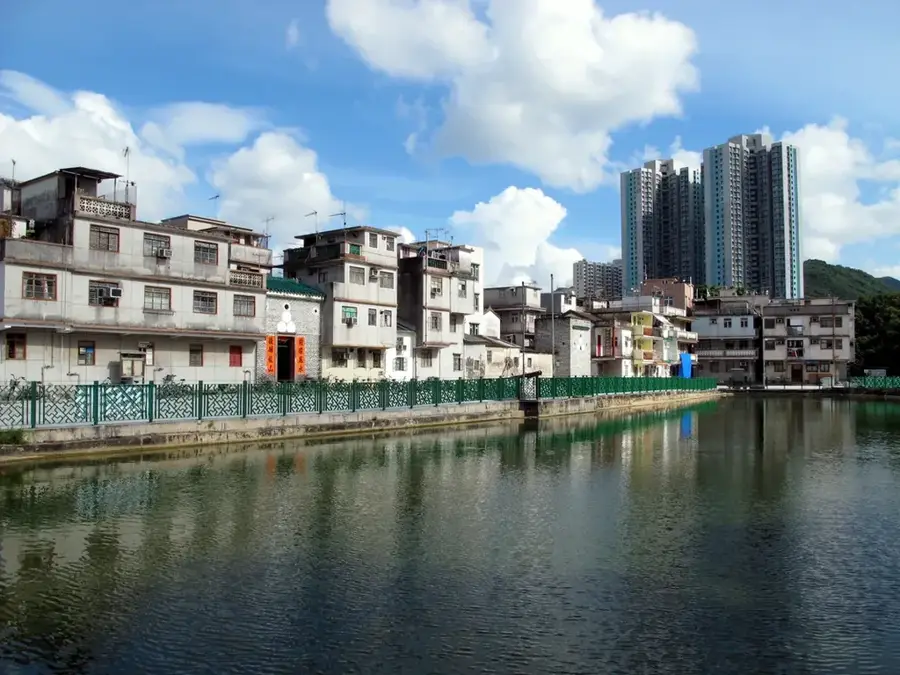
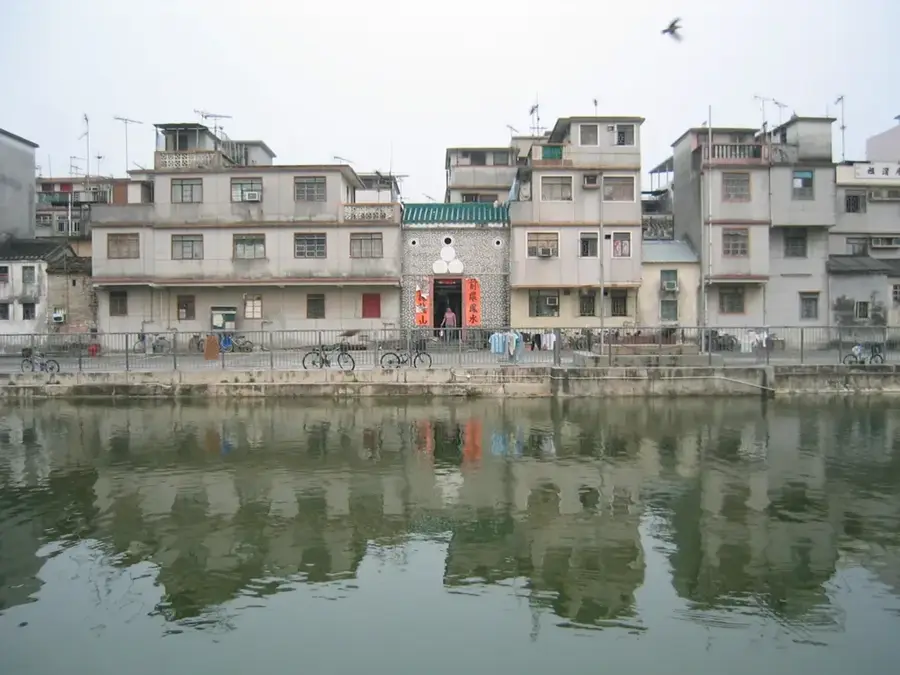
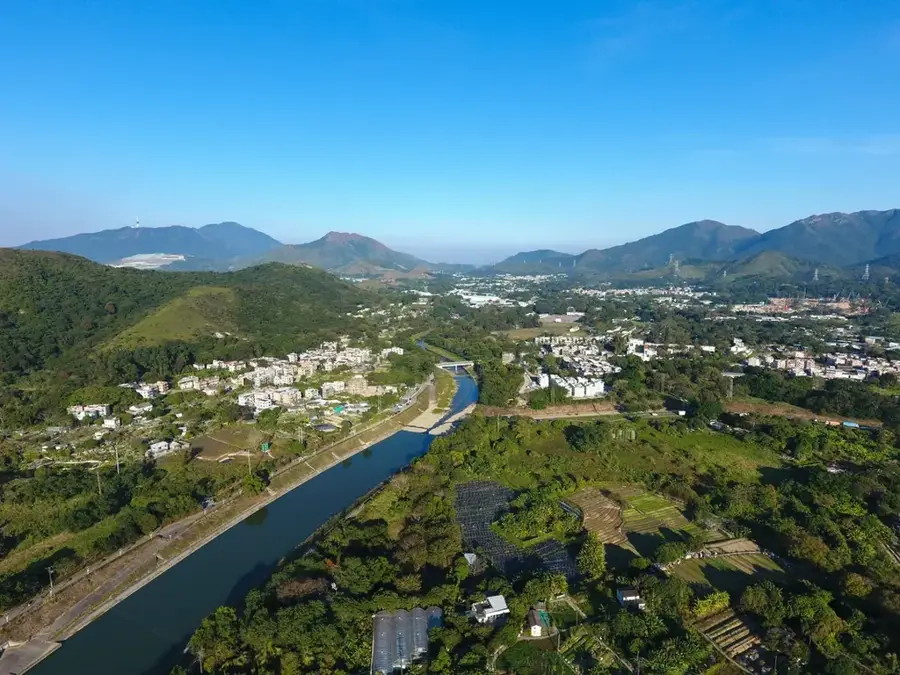
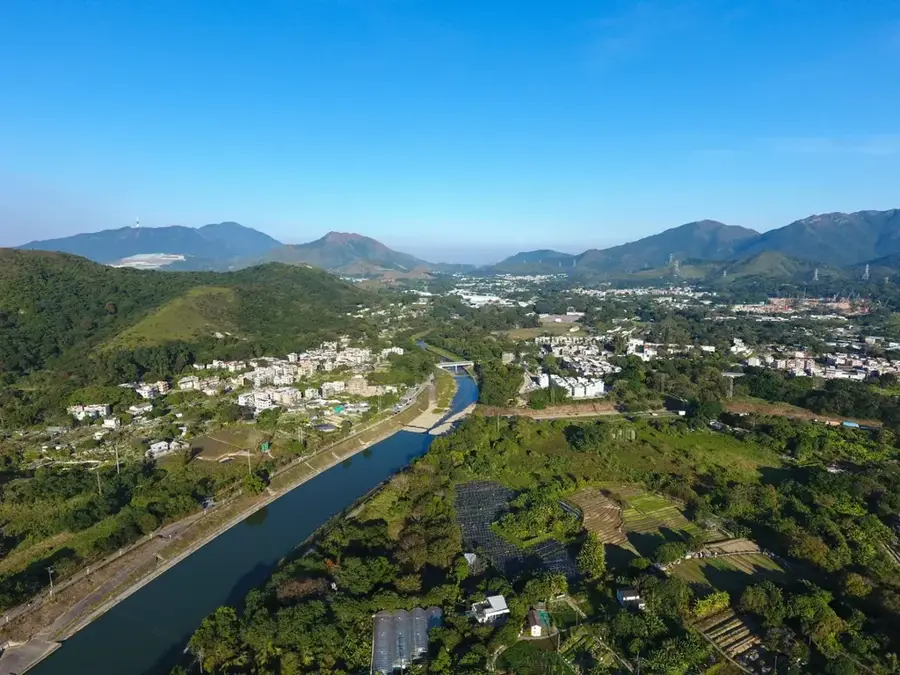
Lung Yeuk Tau, meaning 'Mountain of the Dancing Dragon,' is a vital cultural landscape in Hong Kong's New Territories, deeply connected to the heritage of the Tang clan. As one of the 'Five Great Clans' of the region, the Tangs established several settlements here, which are now linked by a 2.6-kilometer Heritage Trail. The trail takes visitors through five walled villages and six traditional villages, showcasing centuries of Ming and Qing dynasty architecture. A standout site is Lo Wai, the first walled village built by the Tangs in this area, still featuring its formidable protective walls and narrow alleys. Another highlight is the Tang Chung Ling Ancestral Hall, a magnificent structure adorned with exquisite wood carvings and ceramic figures that honor the clan's lineage. Walking through Lung Yeuk Tau allows for an immersive journey into traditional social structures, defensive village planning, and the enduring customs of ancestral worship that remain a cornerstone of local life today, providing a stark contrast to Hong Kong's urban skyline.
- Location: Hong Kong SAR China
- Top sights: Hok Tau View Compass · Queen's Hill · Yuen Leng
- Nearby: Tai Wai Village (6 km)
- Population: ~263.200 (2022)
Best time to visit & climate
The most pleasant time to visit is Mar, Nov, Dec.
| Jan | Feb | Mar | Apr | May | Jun | Jul | Aug | Sep | Oct | Nov | Dec | |
|---|---|---|---|---|---|---|---|---|---|---|---|---|
| Avg °C | 16 | 18 | 20 | 23 | 26 | 28 | 29 | 29 | 28 | 25 | 22 | 17 |
| Rain mm | 35 | 29 | 69 | 109 | 231 | 288 | 197 | 234 | 173 | 56 | 29 | 21 |
Geography
Facts
- Name means 'Mountain of the Leaping Dragon'
- Heritage Trail was opened in the year 1999
- Tang clan settled here starting in the 14th century
- Lo Wai is the oldest village in the region
- Tang Chung Ling Ancestral Hall dates to 1525
- One of the 'Five Great Clans' of the New Territories
Explore nearby
Notable places around



Route planner — Car & Motorhome
Where do you start? We build the route here, with stops and country notes along the way.
© OpenStreetMap contributors · OpenRouteService
Sights in the town Lung Yeuk Tau (10)
Frequently asked questions
What is the Lung Yeuk Tau Heritage Trail?
How long does the walk take?
What is the dragon wall?
Are there places to eat?
How to get to the start of the trail?
Lung Yeuk Tau: where is it located?
Lung Yeuk Tau: what is there to see?
Lung Yeuk Tau: when is the best time to visit?
Lung Yeuk Tau: why is it worth visiting?

Nearby cities