Plizio Visual Lab
Parthenon
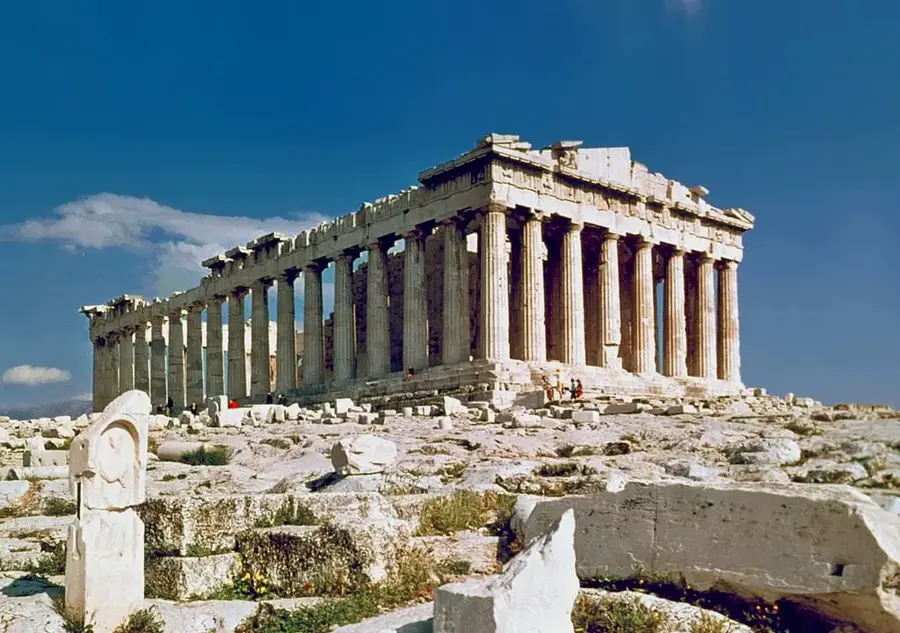
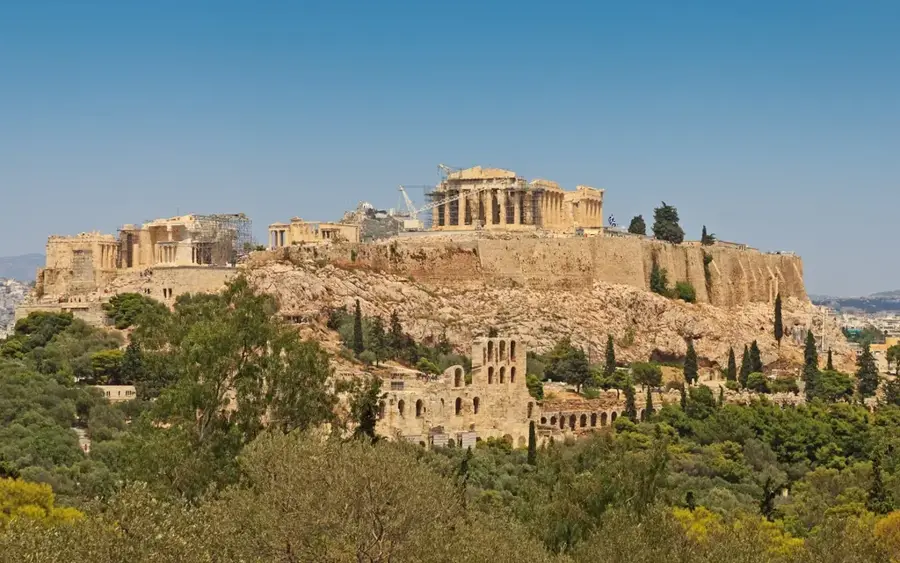
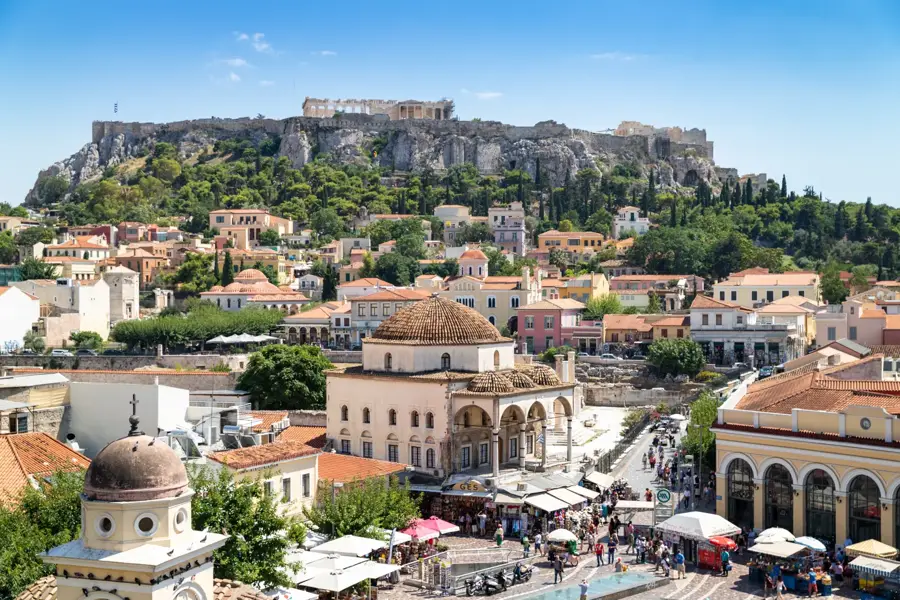
The Parthenon, standing majestically on the Acropolis of Athens, is the most famous surviving building of Ancient Greece and a universal symbol of classical civilization. Dedicated to the goddess Athena Parthenos, the patron deity of the city, it was built between 447 and 432 BC during the peak of the Athenian Empire under Pericles. Architects Ictinus and Callicrates designed the temple in the Doric order, while the renowned sculptor Phidias supervised the elaborate decorative program. The building is celebrated for its first-rate proportions and subtle optical refinements, such as the slight inward curvature of the columns to create an illusion of great straightness. Throughout its long history, the Parthenon has served as a treasury, a Christian church, and an Ottoman mosque, reflecting the shifting political and religious landscapes of the region. In 1687, a Venetian bombardment caused extensive damage to the structure when an Ottoman gunpowder magazine inside exploded. Today, it is a UNESCO World Heritage site and continues to undergo painstaking restoration to preserve its structural integrity.
- Location: Greece
- Top sights: Parthenon · Acropolis · Temple of Rome and Augustus
- Nearby: South Athens (5 km)
Best time to visit & climate
The most pleasant time to visit is May, Sep, Oct.
| Jan | Feb | Mar | Apr | May | Jun | Jul | Aug | Sep | Oct | Nov | Dec | |
|---|---|---|---|---|---|---|---|---|---|---|---|---|
| Avg °C | 9 | 10 | 12 | 15 | 20 | 25 | 28 | 27 | 24 | 19 | 15 | 11 |
| Rain mm | 66 | 58 | 53 | 30 | 21 | 20 | 12 | 8 | 29 | 49 | 69 | 86 |
📋 Practical info
Geography
Facts
- Construction of the Parthenon began in 447 BC.
- Approximately 20,000 tons of white Pentelic marble were used in its build.
- The temple contains no perfectly straight horizontal lines due to optical corrections.
- The famous chryselephantine statue of Athena stood 12 meters tall.
- The building was severely damaged in 1687 when a gunpowder magazine exploded.
- The Parthenon Marbles (Elgin Marbles) are currently held in the British Museum.
Explore nearby
Notable places around

Route planner — Car & Motorhome
Where do you start? We build the route here, with stops and country notes along the way.
© OpenStreetMap contributors · OpenRouteService
Sights in the town Parthenon (9)
Temple of Zeus Polieus
Ruins of a temple of Zeus Polieus on the Athenian Acropolis.
Erechtheum
Ancient Greek temple on the north side of the Acropolis of Athens.
Pandroseion
Ancient sanctuary in the Acropolis of Athens, dedicated to Pandrosos.
Asclepius Temple
Ruins of a temple of Asclepius, on the south slope of the Acropolis.
Athena Promachos statue place
Site of the ancient statue of Athena Promachos by Phidias on the Acropolis.
Sights nearby
Frequently asked questions
Where exactly is the Parthenon located?
When was it built?
Can you enter the interior?
When is the best time to visit?
Is there a combo ticket?
Parthenon: where is it located?
Parthenon: what is there to see?
Parthenon: when is the best time to visit?
Parthenon: why is it worth visiting?

Nearby cities




History & landmarks